RSS Feeds
Narendra Modi and the battle for India
What to make of 25 years of Narendra Modi
Christine Lagarde departs at a moment of peril
Binyamin Netanyahu has not won, but nor has he lost
GitLab Orbit: Find vulnerability blast radius without the manual hunt
A critical vulnerability needs a fix and a map. The fix is usually fast. Finding where the vulnerable component lives, who owns it, and whether it's exposed to the Internet is what costs you time. Most security teams piece that answer together from scanner reports, spreadsheets, and a Slack thread asking who owns a service nobody recognizes, and you stay exposed for every hour that takes.
GitLab Orbit, now generally available, replaces this manual work with a single query. Orbit connects code, merge requests, pipelines, security findings, and ownership in one graph that stays current as your teams ship. Ask which projects are affected and who owns them, and you get an answer in minutes. Agents answer from the graph instead of crawling repositories and stitching together API calls, so they need fewer retries and fewer tokens to get there.
Why scanners alone can't answer the question
PHP2Shell, the set of critical PHP flaws disclosed last week, illustrates the problem. PHP is usually installed as a system package, compiled from source, or baked into a container image, not managed as an application dependency. Vulnerable versions can sit on web servers, in container images, in old CI jobs, or in internal tools nobody remembers building. The fix was a version upgrade. Finding every affected installation took time.
Security tools provide different views of the environment. Dependency scanning identifies vulnerable application dependencies. Container scanning detects vulnerabilities in operating system packages, language dependencies, and other software components. Code search helps locate where images and configurations are referenced. But identifying a vulnerability is only part of the job. Teams still need to know which services are affected, who owns them, which pipelines build and deploy them, and where to apply the fix. That information is often spread across multiple systems.
That leaves your team to connect the dots, each holding a different piece. Your security engineer can assess the severity but may not see every affected system. Your platform engineer owns the base images and CI templates that hundreds of projects depend on, but can't see every project that uses them. Your developers get pulled off their roadmap to search repositories for a component they may not know they own. Your CISO has to tell leadership whether the company is exposed before anyone has a full list.
An attacker only needs to find one vulnerable system. You need to find all of them. Exploiting a vulnerability is now the most common way breaches begin, at 31% in Verizon's 2026 report, and the same report found attackers using generative AI at several stages of an attack. The map needs to exist before the advisory lands.
A first-party graph of your entire SDLC
Orbit draws on the data GitLab already runs on: your merge requests, pipelines, deployments, and vulnerabilities. A CVE in Orbit's graph connects directly to the services, pipelines, environments, and teams it touches. Because the graph is first-party, there's no second system to keep in sync and no new instrumentation to stand up.
Without Orbit, an agent or analyst can usually find the vulnerable code but not the full exposure. Someone assembles that picture by hand, tool by tool, and the gaps show up as the long tail of services nobody checked. With Orbit, one query maps the CVE to the services, pipelines, environments, and owners that depend on it, and the output is a scoped, prioritized list your security team can act on.
Agents without Orbit hit the same wall: they can't see the whole system, so they guess. In GitLab's testing on the same tasks with the same model, agents running through Orbit were up to 11 times faster, used up to 4.5 times fewer tokens, and needed up to 45 times fewer retries. During an incident, faster answers arrive while the team is still triaging, lower token use keeps queries across a large group from becoming a cost problem, and fewer retries mean your team can act on the first answer instead of re-running the question.
Watch the demo to learn how GitLab Orbit can help you understand your exposure:
One graph that connects a CVE to its owner
Blast radius is how far a vulnerability reaches: which projects contain the flawed component, how it got there, who owns those projects, and what changed recently. GitLab already holds most of those facts in separate places, and Orbit connects them. Turn it on for a top-level group, and Orbit indexes projects, merge requests, pipelines, work items, security findings, and source code into one graph of how they relate.
From there, you ask in plain language instead of correlating systems by hand: which projects use this library, which merge requests brought it in, and who owns each project? An agent traverses the graph and answers from indexed project data, and you can audit the graph queries behind each answer.
Access follows the roles you've already set, so people and agents see only what they're permitted to see. GitLab's built-in agents, including the Security Analyst Agent, use Orbit directly, and external agents such as Claude Code and Codex reach the same graph over MCP.
Contain your exposure quickly
After PHP2Shell, leadership's first question is whether you're exposed. Without a map, your answer is "we're checking." With Orbit, your answer is a list: these projects contain PHP, these teams own them, and these pipelines build them.
The first hour with Orbit looks like this:
- Find every PHP project. In GitLab Duo Agentic Chat, ask: “Use Orbit to map the blast radius of PHP in this group. List every project that contains PHP code, grouped by subgroup, with owners.”
- Confirm the base image and version. Use exact code search at the top-level group with regular expression mode on. Run
lang:Dockerfile ^FROM.*phpto find container base images, andfile:composer\.json$to find Composer projects with no Dockerfile. Compare eachFROMtag with the fixed versions. - Find open findings. Once scans have run, ask Agentic Chat to collect every container scanning finding for CVE-2026-109618 and CVE-2026-109619 across the group from the vulnerability report. This requires Ultimate and the Security Manager role.
- Check against what’s running. Orbit and code search cover what your repositories declare on the default branch. Compare that list with your runtime inventory from configuration management or cloud tooling, starting with internet-facing services, since PHP can also run on hand-built servers outside any repository.
The PHP2Shell remediation guide covers fixed versions and how to check for compromise. Teams on GitLab Self-Managed or GitLab Dedicated can start with the guide's advanced search and repository languages API steps until Orbit reaches their instance.
Run the same check for any shared component
The steps above work beyond PHP. When a widely used library ships a security fix, a package you depend on is flagged as malicious, a CI template many projects inherit needs a change, or an internal SDK ships a breaking security upgrade, you start with the same question: what depends on it, and who owns it? Orbit answers from the same graph each time, so your team starts from a list instead of a search.
Map your blast radius before the next disclosure
GitLab Orbit is now generally available for Premium and Ultimate customers, starting with GitLab.com today and reaching Self-Managed and GitLab Dedicated over the coming weeks. Customers can try it free for 30 days through their GitLab account team. If you're new to GitLab, talk to our team about getting started with a paid plan, and we can add an Orbit trial as part of it.
Check out the documentation to get started. For a broader view of your security posture, request your GitLab Security Standard assessment to see how blast radius mapping fits into the rest of your security program. If your teams run PHP, start with the PHP2Shell remediation guide and upgrade now.
GitLab Orbit is GA: Higher agent accuracy, lower token cost
An agent’s true cost isn’t only the tokens it burns. It’s the review that calls your code “safe to merge” after seeing the diff, but without any context on the pipeline. We call that artificial confidence, not artificial intelligence. Agents guess because code is all they can see; they can’t see the merge request that last changed it, the pipeline that ran it, the vulnerability it carries, or the people who wrote and reviewed it.
Guessing is expensive. If you’ve tried running agents in a large monorepo, one with tens of thousands of files, you know how it goes: the agent iterates, pinging the backend again and again for the information it needs to complete the task. Every round trip costs more time and more tokens. Eventually the agent gives up.
The model isn’t the constraint. Context is.
That’s the constraint that GitLab Orbit removes. Now generally available, Orbit is the context graph for your software lifecycle: a live, queryable view of all your code, merge requests, work items, pipelines, vulnerabilities, and ownership, with every relationship continuously updated as you ship. Every agent and engineer can work from one connected view of the lifecycle. In GitLab testing, agents connected to Orbit needed up to 45x fewer retries and used 4.5x fewer tokens on the same tasks with the same model.
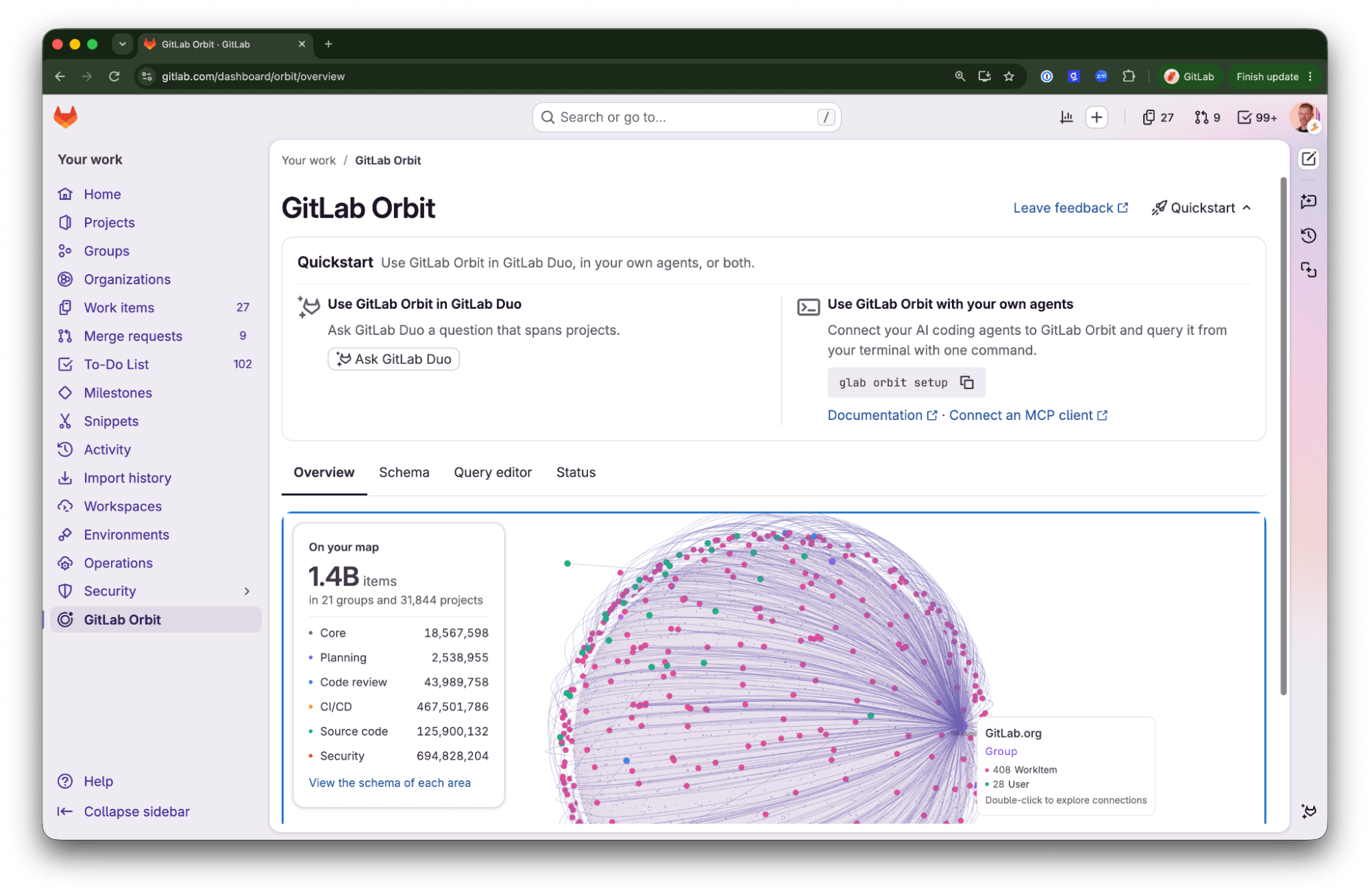
Grounded agents get answers right the first time
An agent like Claude Code, connected to GitLab Orbit through MCP, stops crawling files and instead asks the graph. The first response comes back with real callers, recent changes, and owners, so your follow-up prompts can refine the answer rather than correct it. The difference is measurable. Compare the Market, one of the UK’s largest price comparison platforms, tested four context approaches for an internal AI code reviewer across 79 real merge requests. The GitLab Orbit-grounded reviewer matched about 70% of expected inline comments; RAG managed about 58%, worse than no added context at all.
“GitLab Orbit gave us an AI code reviewer that actually understands our codebase, not just the diff in front of it. We tested it against RAG and a few other approaches across real merge requests, and the gap was clear. Better comment placement, better summaries of what actually changed.”
— Ryan Harvey, Head of AI Engineering, Compare the Market
Fewer retries means fewer tokens
A recent analysis from a leading research and advisory firm found that the cost of an undisciplined agent session is dominated by retransmitting context that didn’t change between turns. That token cost comes from how the agent is set up, not from the model itself.
GitLab Orbit changes that engineering. The agent gets one bounded answer from the graph instead of reloading everything that might matter. In GitLab testing, agents connected to Orbit used up to 4.5x fewer tokens on the same tasks with the same model: each turn carries less context, and fewer turns go to work that never ships. Because the graph is shared, that cost doesn’t repeat per agent. Duo agents, Claude Code, Codex, and your own tools all query the same graph, so the context you build for the first agent is already there for the second.
Questions you couldn’t answer before
Since GitLab Orbit entered beta in June, we’ve worked with design partners running it against real codebases, real incidents, and real merge requests. Their first win was almost always a question they couldn’t get answered before.
Here are a few questions design partners asked Orbit that they couldn’t answer before, and what came back:
Which production services are exposed to this vulnerability? A single query returns the services that include the component, the merge requests that introduced it, the environments it reached, and the teams that own each one. One design partner answered a security-coverage question across 34 million entities in seven minutes; through the API, the same question would have taken half a day. When a vulnerability lands, security has a complete remediation plan within the hour, not a partial list by the end of the day.
What breaks if I change this? Before a push, a developer or their agent can ask which services, jobs, and environments a change touches, across every project in the group, not just the one open in the editor. Review agents bring the same answer to the merge request, so a “safe to merge” comment reflects the whole system instead of the diff. Across 79 real merge requests, Compare the Market’s reviewer flagged more real issues in the right places than their RAG-based version. Problems get caught in review, before they become outages.
Why does this CI job keep failing, and where else? GitLab Orbit shows how often a job fails across every project that runs it, which projects have drifted from the shared CI configuration, and who owns them. What used to be a Slack thread asking three teams “has anyone seen this?” becomes one answer. A financial services company used this to trace a build-system outage to a CI job failing 50% of the time, a pattern nothing else had correlated.
What depends on the thing we’re about to migrate? Every dependent service, job, environment, and owner comes back in one result. One design partner finished a multi-repository upgrade by asking the question directly: which projects are still on the old version? The last stragglers could be surfaced in one query with no spreadsheet or repo-by-repo audit to contend with.
Not every context graph can answer them
Context graphs are becoming a category, and most of them stop at code. GitLab connects the code change to the pipeline, the deployment, the vulnerability, and the owner, with your permissions intact. This means your team and agents can:
- Start with a graph that already exists. GitLab Orbit draws on the data you already have in GitLab, which means there is no connector to configure, no ETL pipeline to maintain, and no second system of record to keep in sync. Enable it for a group and the graph is ready. A graph assembled from the outside takes months of integration work before it answers its first question. Orbit is also built to extend to non-GitLab data sources.
- Index the whole lifecycle. GitLab is the system of record for the entire software development lifecycle, and GitLab Orbit connects it into one graph. Code indexes stop at the code. Work graphs stop at the ticket.
- Keep your permissions without rebuilding them. GitLab Orbit mirrors nested groups, roles, and security-domain access. A graph that lives outside GitLab has to rebuild all of that and keep it in sync.
- Give every agent and every engineer the same graph. Duo agents, Claude Code, Codex, custom tools, and the Data Explorer all query the same graph the same way. You invest in context once and every agent you add after that is cheaper than the last.
Bring the agents you already use
GitLab Orbit doesn’t ask you to change how your team works. The agents and tools you already run connect to one graph:
- Agents on GitLab Duo Agent Platform query GitLab Orbit natively, with nothing to configure.
- Claude Code, Codex, Cursor, OpenCode, Gemini CLI, Antigravity, and any other MCP-compatible agent connect through MCP or the GitLab CLI:
glab auth login
glab orbit setup
- Custom agents and internal tooling connect through REST.
- Engineers query the same graph through the Data Explorer.
Every path asks the same graph the same way, and the graph keeps up. GitLab Orbit indexes every push, merge, and deploy as it happens, so agents reason from the lifecycle in its most current state; at GitLab’s scale, that’s more than 1.5 million projects and 8TB of graph data in under 2 hours. Indexing runs as its own service beside GitLab, so however hard your agents use Orbit, GitLab itself never slows down.
Pricing: One shared query pool for your whole organization
GitLab Orbit is sold as query packs that form one shared pool sized for your organization. Everyone in your GitLab org draws from it, humans and agents alike, so usage flows between occasional users, power users, and the agents working on their behalf. Nobody requests access or gets assigned a seat. A query is one request to the Orbit graph, whether it comes from an agent (such as Duo Agent Platform, Claude Code, or Cursor), an experience built into GitLab, or the API.
Each query pack is $30 in GitLab Credits per user per month and adds 1,000 queries to your organization’s shared pool; usage beyond the pool is billed at 33 queries per GitLab Credit, about $0.03 per query. Promotional pricing is available this quarter for early customers. Contact your GitLab account team to learn more and size the right number of query packs for your organization.
Get started with GitLab Orbit
GitLab Orbit is now generally available for Premium and Ultimate customers, starting with GitLab.com today and reaching Self-Managed and GitLab Dedicated over the coming weeks. Customers can try it free for 30 days through their GitLab account team. If you’re brand new to GitLab, talk to our sales team about getting started with a GitLab paid plan, and we can help you add an Orbit trial as part of it.
Check out our documentation to help you get started.
Thank you to our design partners and beta participants, whose candid feedback from real codebases helped to shape today’s GA release.
This blog post contains "forward‑looking statements" within the meaning of Section 27A of the Securities Act of 1933, as amended, and Section 21E of the Securities Exchange Act of 1934. Although we believe that the expectations reflected in these statements are reasonable, they are subject to known and unknown risks, uncertainties, assumptions and other factors that may cause actual results or outcomes to differ materially. Further information on these risks and other factors is included under the caption "Risk Factors" in our filings with the SEC. We do not undertake any obligation to update or revise these statements after the date of this blog post, except as required by law.
Лаунчер Minecraft на Rust и iroh: P2P-комнаты, автосинхронизация сборок и голос поверх QUIC
Играть вдвоём в Minecraft с модами сложнее, чем кажется: нужны одинаковые версии, загрузчик, моды и конфиги, а потом ещё Hamachi или аренда сервера. Я написал лаунчер на Rust и Tauri, где всё это заменяет одна ссылка. Расскажу, как устроены P2P-комнаты на iroh (QUIC), туннель игрового трафика, передача сборки в формате .mrpack и голосовой чат на Opus с RNNoise. А ещё про то, как я делал проект вместе с Claude Code
Читать далееThe Big Moon: Forever review – the hell of hearing loss inspires a defiantly hopeful pop-disco marvel
(Fiction)
After frontperson Juliette Jackson lost half her hearing, she wrote sad songs and felt frustrated. So she pivoted, writing herself a happy ending. The results are joyfully convincing
From the outside, it looks as if things have gone swimmingly for the Big Moon. Fronted by Juliette Jackson, a former waitress who dreamed big, they have been active for 12 years, a success in itself in these days, notching up four albums including this latest. They have enjoyed a Mercury nomination (for 2017 debut Love in the 4th Dimension), decent chart positions, good-sized gigs and streaming figures in the hundreds of thousands, or millions in the case of 2019 single Your Light.
Delve beneath the surface, however, and things haven’t always been so sunny. After their debut’s ramshackle wide-eyed pop, second album Walking Like We Do detailed the travails of contemporary womanhood, and Your Light found Jackson bemoaning her generation’s lot with a weary resignation: “We were promised the world, but so was everyone else”. 2022’s Here Is Everything was conceived during Covid and processed Jackson’s life-changing experience of becoming a mother, including the disorienting experience of lack of sleep. Tricky stuff, if nothing that made Jackson’s concerns much different from vast swathes of the population.
Continue reading...‘Worldwide legacy’: almost $20m raised to protect majestic tract of land in far north Queensland
Bush Heritage hopes to buy Wooroora station, which links wet sclerophyll forest and savanna woodland and is home to 12 endangered species
Get our breaking news email, free app or daily news podcast
A majestic tract of land in far north Queensland that links wet tropics and world heritage rainforest, and contains headwaters that flow to the Great Barrier Reef, could be bought and protected by Christmas, after a conservation group raised more than $19m in private donations to buy the cattle station.
Wooroora spans more than 20,000 hectares of largely intact wet sclerophyll forest and savanna woodland on the lands of the Jirrbal people about 100km south-west of Cairns – and borders Bush Heritage’s existing 43,575-hectare Yourka Reserve in one of the most biodiverse regions in Australia.
Continue reading...England’s Ivan Toney to stand trial during Euro 2028 after denying assault charge
Striker’s trial due to begin on 12 June 2028
He has denied assaulting man at Soho nightclub
Ivan Toney has in effect been ruled out of Euro 2028 after his trial for assault occasioning actual bodily harm was scheduled for 12 June 2028.
Toney appeared at Southwark crown court and stood in the dock to confirm a not guilty plea. The striker is accused of head-butting and punching Saber Da Silva at a Soho nightclub on 6 December last year.
Continue reading...It’s easy to see through Trump’s Ukraine ploy | Kenneth Roth
In advance of the midterms, Trump is blaming Kyiv for high gas prices while making clear moves to support Russia
As the US midterms approach, Donald Trump is abandoning Ukraine’s democracy in a desperate effort to deny responsibility for worsening inflation. Yet this past weekend’s dramatic elections in Brazil and Serbia show that voters can see through such subterfuge.
There is nothing like a political party’s corrupt indifference to the plight of ordinary people to galvanize voter turnout. If US voters follow in the footsteps of their Brazilian and Serbian counterparts, a Democratic landslide is likely.
Continue reading...Death Toll Rises in High-Speed Train Crash in Spain
Как мы перестали вручную проектировать таблицы и поручили процессы ИИ

Привет, Хабр! Меня зовут Александр Антипов, я продакт-оунер MWS Tables — платформы для совместной работы и автоматизации на базе таблиц. Раньше на платформе таблицы приходилось собирать вручную: добавлять столбцы, выбирать типы полей, устанавливать фильтры и т. п. Теперь у нас появился ИИ-помощник, создающий таблицы по простому текстовому описанию. А ещё мы научили его связывать таблицы между собой, писать формулы, настраивать отображение данных и делать многое другое.
Сегодня я покажу, как применять новые возможности на практике.
Читать далееDoorDash gobbles up Instacart in $17 billion deal
Как ограничения научили нас ставить Kubernetes поверх любой операционной системы
Привет, Хабр!
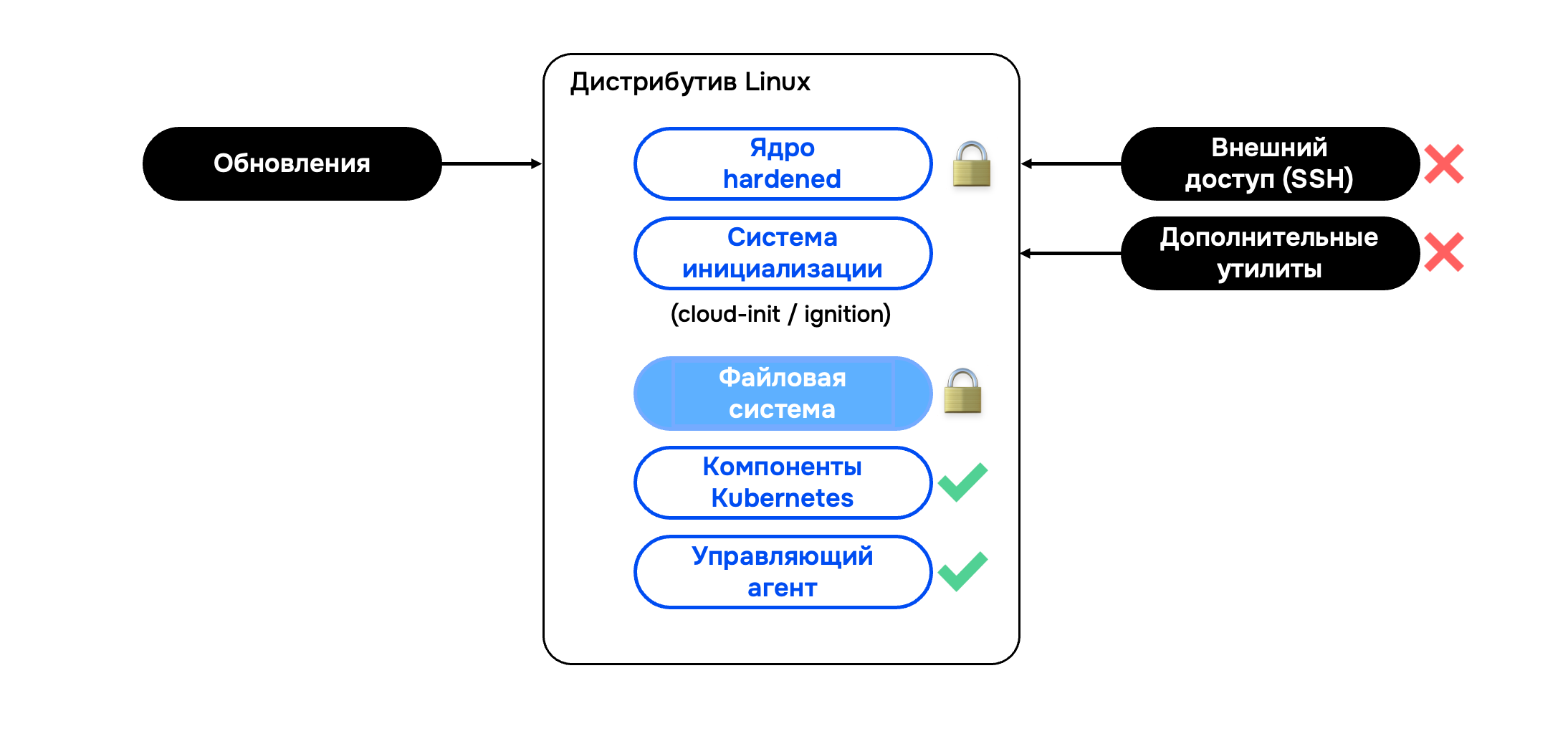
Думаю, вам не надо рассказывать обо всех плюсах Kubernetes и о том, как его использование упрощает жизнь. Так что поговорим о другом — о дистрибутивах Linux, заточенных чисто под K8s: почему они вообще появились, чем они лучше классических дистров, как их ставить, куда душе угодно, а также про Talos OS и её плюшки.
Именно по этой теме я делал доклад для прошлой Kuber Conf от АОТ (видео тут, если вам так проще воспринимать информацию). А для любителей букв я и подготовил эту текстовую версию. Меня зовут Денис Романенко, я техдир Deckhouse Platform во «Фланте».
И начнём мы с базы.
K8s де-факто — это набор Go-контроллеров, для установки которых вам нужен Linux. На заре времён с кубером работали просто: собирали нужные кластеры на стандартном дистрибутиве (почти всегда — серверном), куда и накатывали компоненты Kubernetes.
Да, подход простой и надёжный, почти формата «работает — не трогай», но минусы у него тоже есть.
Читать далееChina’s Xi Demands More Loyalty as Purges Trim Party Elite
Куда уходит зарплата разработчика: как мы приоритизируем бэклог и связываем задачи с бизнесом
Привет, Хабр! Меня зовут Василий, я директор SaaS-направления Аспро — руковожу разработкой Аспро.Cloud.
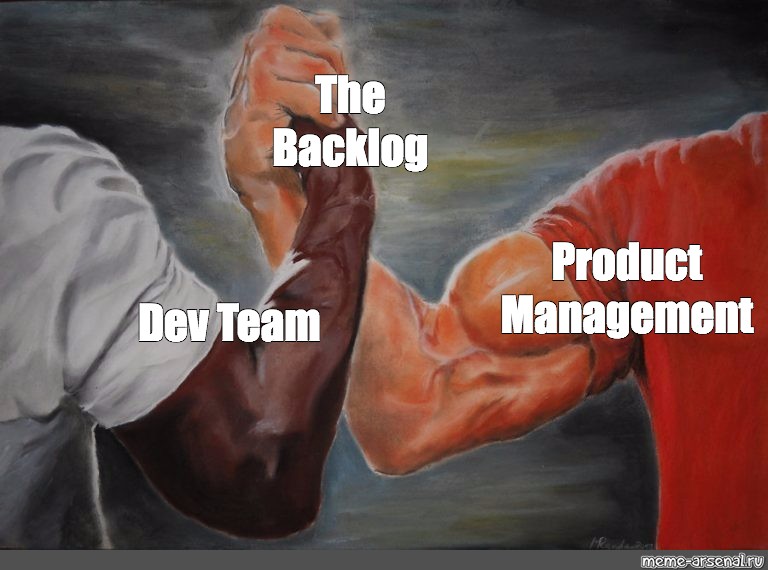
Планирование спринта везде устроено похоже. Продакт приносит три идеи из последнего разговора с клиентами. Менеджер — функцию под сделку, которая почти подписана. Команда — рефакторинг, который все откладывают. Каждый по-своему прав, вместимость одна, и в итоге место в спринте достается тому, кто убедительнее попросит.
Расскажу, как у нас устроена очередь задач: по какому правилу задача попадает в спринт, как мы понимаем, что она принесла, и во что обходится срочное, которое никто не планировал.
Читать далееThe fix for America’s terrible internet is hiding in Tennessee

Most Americans hate their cable companies. But not the 200,000-odd residents of Chattanooga, Tennessee, a city nestled in the Appalachian foothills.
For many people, the city might seem off the beaten path — enough so that when Spain’s national team chose the city as their base during the FIFA World Cup over the summer, the internet exploded with jeers of incredulity. And yet, as many an urban planner, and certainly many a local, will tell you, Chattanooga is a special place, known not just because the Glenn Miller Orchestra immortalized it as a scenic hub for the choo-choo train.
No, what really has put Chattanooga on the map recently is its ridiculously fast, municipally owned internet.
Key takeaways
- Chattanooga, Tennessee, is home to some of the fastest, most beloved broadband in the nation.
- It’s all thanks to the city’s publicly owned internet network, which has been linked to billions of dollars in economic benefits since coming online in 2010.
- Hundreds of other cities have followed suit in the years since, but many others have been stymied by opposition from major cable companies.
- And that’s a shame, because if every city was like Chattanooga, our internet could be so much better than it is now.
Unlike almost everywhere else in the country, the fiber-optic cables that keep much of Chattanooga online were laid neither by Comcast nor Spectrum, but by the city itself. In a $220 million gamble, its public power utility, EPB, has helped transform the once struggling post-industrial city into an unlikely marvel of civic reinvention, and an inspiration for many other dozens of copycat towns around the country.
When it debuted in 2010, at one gigabit per second, the city’s ultra-speedy broadband was among the fastest in the world, as fast as global meccas like Hong Kong, and over 200 times faster than the average top-tier offering across the US. “This makes Chattanooga, a mid-sized city in the South,” declared then-Mayor Ron Littlefield to the New York Times, “one of the leading cities in the world in its digital capabilities.”
In the decade and a half since Chattanooga rebranded as “Gig City,” its trademark broadband has proved to be far more than a mere fancy gimmick. It has added billions of dollars to the city’s economy, lured in hundreds of new startups, and, according to EPB, become the single largest source of funding for local public schools, and delighted hundreds of thousands of local customers.
If you’re not a tech company or a prolific streamer, of course, you may not need such intensive internet service. But the city’s broadband service is widely beloved locally for bringing 70 percent of households online at, by far, the lowest price per megabit of bandwidth in the area and quite possibly, among the lowest in the country. Consumer Reports perennially ranks EPB among America’s best providers, a sentiment apparently shared by the legions of Chattanoogans who take to social media to sing EPB’s praises every time it swoops in to fix an outage minutes after a storm hits, or bemoan their loss when they move away and witness the sludgy pace at — and high rates — which the rest of us browse and scroll.
“Chattanooga turned out better than anyone could have hoped,” said Christopher Mitchell, director of the Community Broadband Networks Initiative, part of the Institute for Local Self-Reliance, a group that researches locally owned infrastructure, “and the one thing that hasn’t changed are their prices. It’s rare, remarkable even.” That original single-gig service runs $68 per month, and faster speeds aren’t too much more.
But even as the benefits of Chattanooga’s internet supremacy have compounded, public broadband networks like it are still a rarity across the US, which you probably already know if you, like most Americans, have ever sensed your internet growing ever more lethargic, even as your fees climb month after month.
There is a better way, and Chattanooga has long since shown the nation how. For better or worse, the internet drives much of our daily lives and the economy, and what makes the internet possible? Broadband, which is powered by those stiff plastic-sheathed cables filled with strands of thin glass or braids of copper wire, beaming pulses of light or electricity into your modem. And yet, the US has outsourced the provision of this precious public good almost entirely to de facto monopolies that keep our internet slower, more expensive, and above all, more infuriating than it needs to be.
“There was a generation that built water systems and electric systems. There was a generation that built the roads,” Mitchell said. Today, however, “People are just afraid of the idea of the government being ambitious and doing what Chattanooga did.”
How Chattanooga built the world’s best broadband
Long before Chattanooga grew famous for its broadband, it was known, for a period of time, as “the dirtiest city of America,” a moniker bestowed by Walter Cronkite in 1969.
According to local lore, the moon pie, which originated at a bakery in Chattanooga, came to be when a coal miner asked for a snack “as big as the moon” to sustain him for long shifts down the shaft. The coal he mined fueled the industrial boom that defined Chattanooga until the mid-20th century, when the city’s factories, furnaces, and railroads belched a smog so noxious, it melted women’s nylon stockings off their legs as they walked.
By the 1980s, the city knew it needed to change, seeding a hunger for reinvention that experts told me would come to define its municipally-owned internet. By the 2000s, Chattanooga had more than cleaned up its air and its reputation, building a huge aquarium in the heart of downtown and carefully revitalizing its riverfront and natural areas. But in the early aughts, with the remaining heavy industry in deep retreat, and a fragile recovery threatened by the Great Recession, the city craved a new economic engine.

The city’s EPB, which originated as a municipally owned electric utility in 1935, had already set out to build a smart electrical grid in 2008, retrofitting it with a two-way digital communications system that could detect and fix problems as they arise. This process would involve laying hundreds of miles of new fiber-optic cable lines along existing power lines, monitoring them and relaying information back and forth with operators. But as the EPB laid plans for its new grid-helping fiber, it realized that for roughly the same amount of effort and cost, it could repurpose those cables to also serve as a cutting-edge internet service.
Laying those hundreds of miles of new cables, along every single power line in the city, is an expensive and time-consuming process. But since EPB already had power lines plugging into almost every home and business throughout the city, it didn’t even need permission to get it done. And once the cables are there, there’s no real limit on how much data they can carry, meaning that they’ll work just as well whether they’re relaying the power grid’s data exclusively or if they’re carrying petabytes upon petabytes of data from hundreds of thousands of internet customers. This same quality has made it easy for EPB to pump up the volume of data it offers over the years, eventually allowing it to become the first city in the nation to offer a 25-gigabit-per-second service, which it did for its customers in 2023. More recently, EPB became the first provider nationwide to hook its fiber-optic cables up to a quantum computer — which uses advanced physics to solve mind-bogglingly complex problems — and offer its use to researchers and customers across the city.
“If we’re going to own that fiber communications network to help automate our grid, why not offer that as a service to our customers? We thought, ‘Why not go big? Why not be ambitious?’” Janet Rehberg, CEO of EPB, told me. “People thought we were crazy. And we said, ‘If we can do it, why not?’ So, we did.”
Equipped with a $111 million federal stimulus grant from the recession-era American Recovery and Reinvestment Act, plus about $222 million in municipal bonds, EPB was able to complete the project — initially expected to take a decade — in just two years.

In 2010, Chattanooga became the first city in the nation to offer one-gigabit-per-second fiber optic internet.
“This was a huge shift for our city’s fortunes,” Andy Berke, mayor of Chattanooga from 2013 to 2021, told me. “All of a sudden, we were a place where you could try to discover the next big thing.”
Hundreds of startups flocked to the city for its super-fast broadband, with tech incubators setting up shop in shuttered storefronts and abandoned industrial factories dotted along the city’s downtown. In its first 10 years, EPB’s fiber network brought more than $5.3 billion in economic benefits and 10,420 jobs to the city, about 31 percent of all jobs created during that period, according to a study by the University of Tennessee at Chattanooga. This has transformed “the way we thought about ourselves and what we thought was possible technologically,” Berke said.
The broadband investment has long since paid for itself and then some in the fees people pay to access its service. EPB expects to earn about $190 million over the next year alone from its telecommunications and enormously popular internet service, all of which will flow back into the business itself or into the city. As a result, EPB chose not to increase electricity rates at all this year, in stark contrast to much of the rest of the country. And the utility now pays tens of millions of dollars annually straight back into city services, like public schools.
Under Berke’s mayoral administration, the city also integrated EPB into initiatives meant to get more Chattanoogans online. When the pandemic hit, and local schools went virtual, the city built a new program called EdConnect that saw EPB provide free internet to every family with a child who received free or reduced lunches, the first program of its kind nationwide, and one that continues to this day.
“A lot of communities set up something similar during the pandemic, but most of those are done, they kind of faded away. But we made a commitment — our community did — for 10 years, and we’re already discussing what the next 10 years looks like,” said Sammy Lowdermilk, CEO of the Enterprise Center, the nonprofit that administers EdConnect. “We’ve heard from parents using online resources to look for a job, to create resumes, to do medical research. The entire family gets to benefit from it.”
Your city could have Chattanooga’s internet. It just has to try.
Over the years, Chattanooga’s publicly owned internet has drawn countless city planners and far-flung mayors to Tennessee’s fourth-largest city to learn just how they pulled it off.
But every time one visited Berke in his time in office, and every time he gave one of his “little sales pitches” on EPB’s success, over and over, they’d replied with the same refrain: “Oh, it’s incredible what you’ve done here. I mean, we can’t do it, but it’s great — good for you guys,” he recalled. Many cities don’t have a publicly owned electricity company at the ready as Chattanooga did, and many face significant barriers from state laws that restrict or heavily discourage the development of municipally owned broadband altogether.
“The number one challenge for most infrastructure projects is political. It’s not financial. It’s not conceptual. It’s not technological. It’s the web of difficulties that make it harder to get it done.”
Andy Berke, former mayor of Chattanooga
Nevertheless, some places tried anyway, and many have succeeded — over 700 of them, according to Mitchell’s last count. In Utah, for example, a consortium of cities has spent the past few decades building out a municipally owned fiber network with the bold name Utopia. For many years, said Mitchell, the network suffered from severe financial and legal roadblocks. But even so, Utopia has managed to build out a system that Mitchell calls an “unqualified success” today, bringing tens of thousands of households online across the state.
While only a tiny fraction of all broadband networks nationwide have some level of municipal ownership, strikingly, nine out of ten of the nation’s fastest broadband networks do or are part of a public-private partnership.
However, Chattanooga’s brand of municipally owned broadband hasn’t spread nearly as widely as many people hoped it would, or think it could. And most of that, said Mitchell, can be attributed to the fact that large internet companies like Comcast or AT&T, clearly aware of how dominant well-run municipally owned networks can become, have spent the past several decades fighting to prevent more from coming online.
More than 12 states now have explicit laws barring or restricting cities from offering publicly owned broadband, which has made it difficult for many municipalities to create networks of their own. Even Chattanooga faced a brutal legal challenge when it tried to expand EPB’s coverage to rural and underserviced areas right outside of the city, the result of a 1999 state law meant to restrict municipally owned broadband access.
“The number one challenge for most infrastructure projects is political. It’s not financial. It’s not conceptual. It’s not technological,” said Berke, but rather, it’s a matter of navigating the special interests and lobbyists that dominate the status quo. “It’s the web of difficulties that make it harder to get it done.”
But that doesn’t mean that it’s impossible to pull off. Utopia, for example, has withstood a blitz of dark money attack ads likely bankrolled by cable companies in its effort to expand across the state. And in Colorado, hundreds of communities over the years across the state have voted to opt out of a 2005 law banning municipal broadband networks. This momentum ultimately proved strong enough to convince the state legislature to repeal the original ban in 2023.
Even today, broadband remains out of reach in many parts of the country that are either too rural for for-profit networks to build there at all, or where it does exist, locals can’t afford it. Americans consistently pay more for slower service, compared with their counterparts in Europe or Asia.

Combined, those barriers have left tens of millions of American households without internet access. With AI poised to further transform our economy, Chattanooga, it seems increasingly clear, could be among the first few cities outside of Silicon Valley to truly benefit from the biggest technological shift in generations, while many other post-industrial cities seem likely to fall even further behind because they don’t have the right digital infrastructure to thrive in the economy today.
Quietly chugging along on the banks of the Tennessee River, the city is making a case that states and cities should take broadband seriously as a transformational infrastructure that underpins our modern lives much the way the rail lines did in the 19th century or highways did a century later.
Luckily, there are now hundreds of models — from fully public utilities like EPB to Tribal-built broadband networks to public-private partnerships — for cities hoping to carve a publicly owned path to a better internet themselves. Laying coils of fiber-optic cables is still much cheaper and, lawsuits notwithstanding, far easier a feat than building a new highway system or a railway network. But even if it were harder, Chattanooga shows that it would be worth doing. “Projects that are most difficult are also the most rewarding,” as Berke put it. “You have to be willing to take on the status quo — that’s what can transform a community.”
This story was supported by a grant from Arnold Ventures. Vox had full discretion over the content of this reporting.
Senate skeptical about making daylight saving time permanent despite Trump's pressure
WATCH: These dogs just love a pile of leaves
WATCH: 'Liberty Biberty must go!' Protest over car insurance mascot
Family tribute to 'loving grandfather' killed in double fatal crash
ModbusToolkit: 19 инструментов, чтобы понимать язык промышленных машин
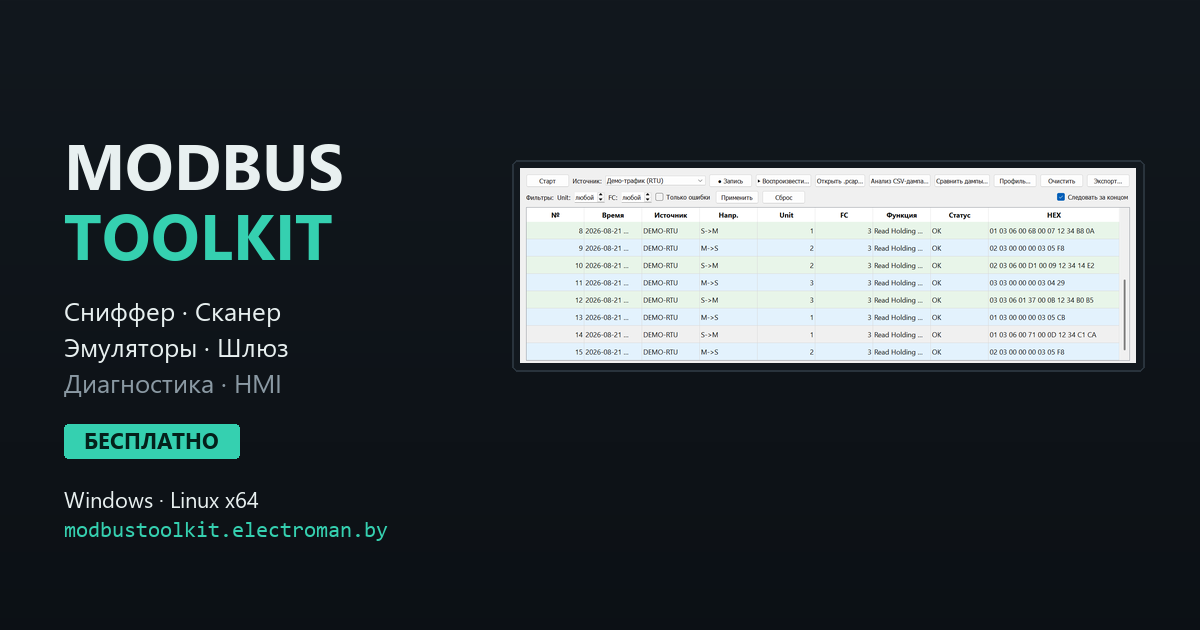
Любой завод, котельная или насосная скрыто разговаривает сама с собой. В шкафах стоят контроллеры, датчики, счётчики электроэнергии и преобразователи частоты, и они непрерывно переспрашивают друг друга — какая температура, сколько насосов работает, какую частоту выставить. Обмен идёт по проводам и по сети сотни раз в секунду, и всё это построено на одном стандарте — Modbus.
Я инженер и пишу для этого языка программу ModbusToolkit. В ней 19 инструментов, и она бесплатна.
Читать далееСудебная зарисовка. Взять правосудие на карандаш

Привет, Хабр! Меня зовут Илья Башкиров, я юрист по информационной безопасности в InfoWatch. В этой серии статей я расскажу вам про судебную зарисовку.
Обсудим появление этого феномена (а тянется всё это с Древнего Рима), историческое развитие, современный запрет на фотографию заседаний, разберём ряд самых известных судебных заседаний и подробно пройдёмся по школам судебной зарисовки. Их, к слову, достаточно — американская, британская, французская и, конечно, российская. Материал получился большим, так что в первой статье я расскажу про само явление зарисовки и из-за чего все невзлюбили фотографов в суде, а во второй — про школы зарисовки, их особенности и моих любимых художников. Будет много фото.
Начнём с исторического экскурса.
С чего всё началось
Рисовать человек научился задолго до изобретения письменности. А судить других он, я уверен, научился ещё раньше. Из-за этого, когда я начал разбираться в истории судебной зарисовки, у меня возник вопрос — а с чего мне, собственно, начать?
О судах древности мы знаем из письменных источников, но существуют и рисунки, статуи, изображающих правосудие времен Месопотамии, Древнего Египта и Рима. Это рисунки преторов, жрецов, фараонов, рабовладельцев, которые в разные исторические эпохи выполняли функции современного судьи.
Читать далееQuill в Next.js App Router, editor, autosave и HTML viewer с подсветкой кода
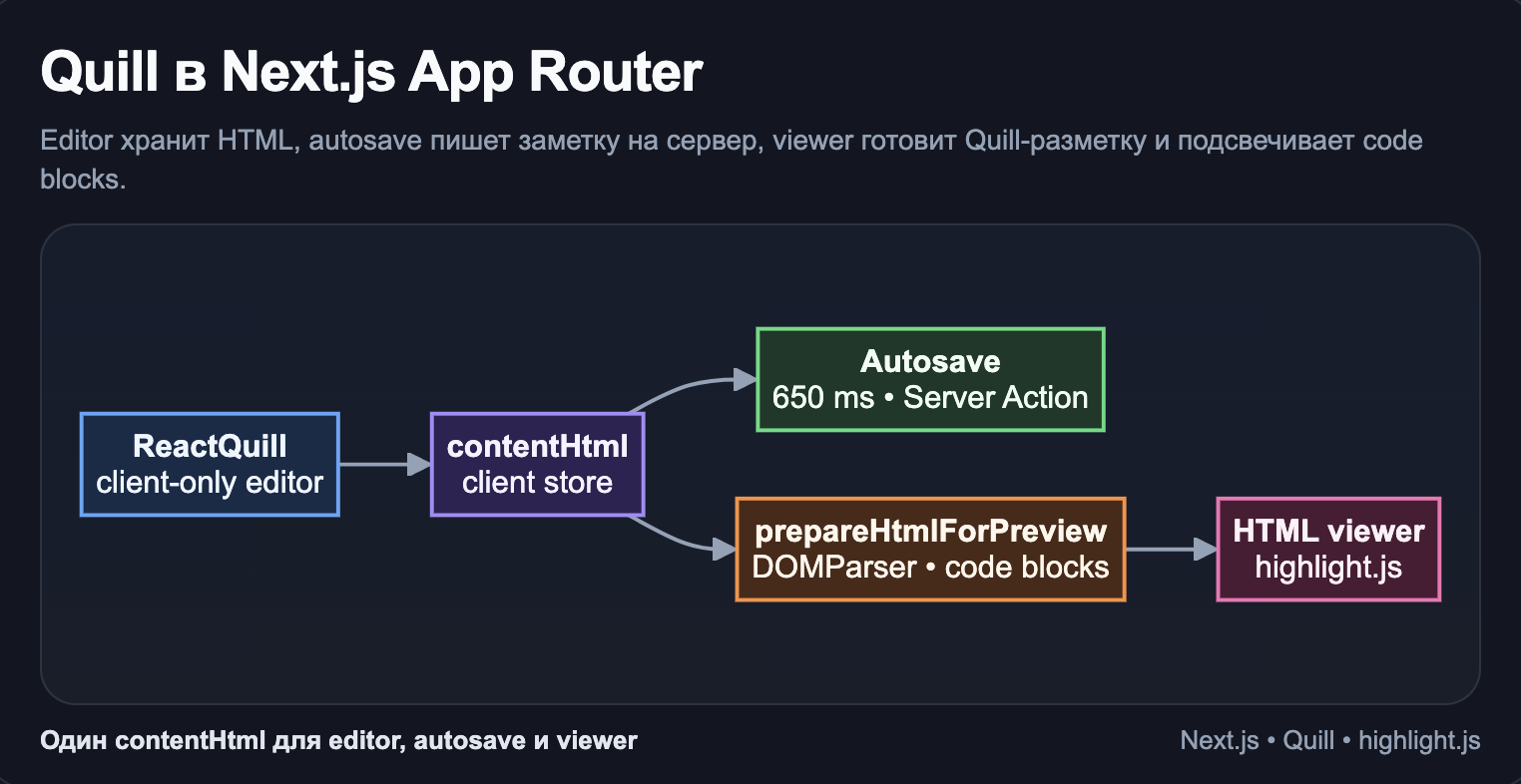
WYSIWYG-редактор в Next.js App Router затрагивает несколько слоев приложения. Quill работает с DOM и browser API, поэтому сам редактор живет на клиенте. Контент нужно хранить отдельно от экземпляра Quill, передавать в компонент при смене сущности, сохранять на сервер и затем показывать без toolbar и режима редактирования.
Если хранить результат Quill как HTML, редактор и viewer могут работать с одной строкой contentHtml. Editor меняет HTML через onChange. Autosave отправляет новую версию после паузы во вводе. Viewer получает сохраненный HTML и отдельно обрабатывает элементы, которые Quill использует для code blocks. Для подсветки кода добавляется highlight.js.
Irish Economy Surges Again in Boost to Eurozone
WATCH: Obama slams Trump for getting mad at his Cheesecake Factory comment
Что нам стоит проектный офис построить: с чего начать и куда развивать

Привет, Хабр! Меня зовут Наталья Стецук, в управлении проектами я больше 15 лет. Создала проектные офисы и руководила ими в производственной и ИТ-компании. Предлагаю об этом и поговорить: что такое PMO, для чего он нужен, и как построить процессы так, чтобы бизнес получил ту самую практическую пользу.
Читать далееRecord number of purges as Xi emphasises 'party discipline' at China political gathering
Can Democrats win against Elon Musk's millions in Texas? – video
Democrats have failed to win statewide office in Texas for 30 years. Before the midterms, Oliver Laughland and Tom Silverstone travel to San Antonio to follow James Talarico and Ken Paxton on the campaign trail - to find out whether the state's Senate race is really up for grabs, how Elon Musk's millions are affecting the race and whether voters have changed their minds on Trump
Continue reading...Investigators Find Abandoned Truck of Escaped Prisoner
Brewers Win World Series For First Time in Franchise History
Крышечка из Италии, китайские иероглифы в письме — как всё это привело нас к ИИ

СИБУР планирует наращивать экспорт, в том числе в Китай, Вьетнам и арабские страны.
Что это значит: больше обращений на почте от зарубежных клиентов — с фотографиями изделий, PDF во вложениях и длинными цепочками переписки.
Раньше этим занимались люди: прежде чем передать задачу специалисту, они анализировали, кто пишет, что хочет произвести и какая помощь ему нужна. Теперь всё это предстояло разбирать ещё и на разных языках.
Поэтому мы решили собрать ИИ-помощника: пусть сам читает переписку и собирает отчёты. Но кое-что пошло не так.
Читать далееЧеловекоцентричность, или тихая революция в дизайне

Одна из самых значимых перемен в интерфейсном дизайне последних лет происходит почти незаметно. Экран перестал быть самостоятельным продуктом с фиксированной информационной архитектурой. Теперь пользователь формулирует запрос, а агент выполняет задачу и возвращает вместе с текстом UI-компоненты — таблицу, график, карточку с действием или карту. Такой подход называется Generative UI, или GenUI. Но сам по себе пересобираемый экран — не революция. Персонализированную ленту и адаптивную вёрстку индустрия делает уже давно, но каждый раз в итоге пользователю приходиться изучать язык системы, просто другой.
Сейчас наблюдаются две перемены. Первая в том, что точкой входа в сценарий впервые становится жизненная ситуация пользователя, описанная его словами. Вторая в том, что единицей работы дизайнера становится правило, исполняемое в миллионах сгенерированных экранов. Отсюда термин «человекоцентричность», который так часто звучит рядом с GenUI, и трактовать его стоит буквально.
Читать далееDoorDash to Buy Instacart for $17 Billion, Uniting 2 Delivery Giants
Russian Strike on Ukrainian Train Station Kills 14
Не давайте агенту docker.sock: как я сделал для ИИ отдельный вход в свой Docker-менеджер
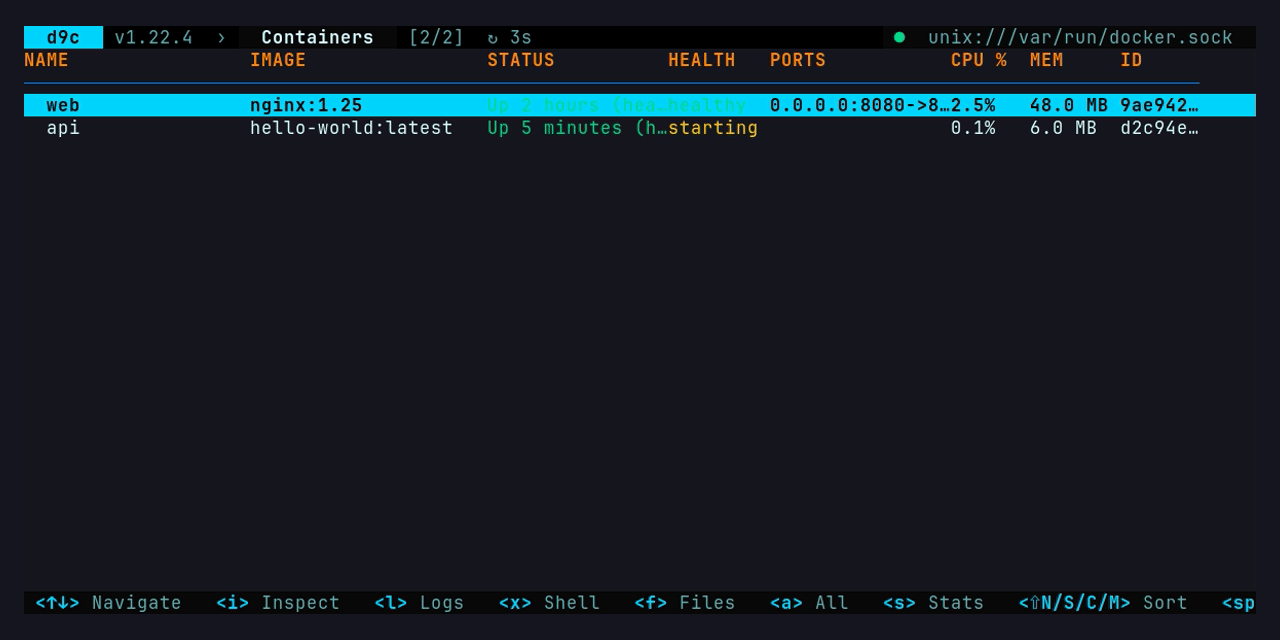
Я пишу d9c, терминальный менеджер Docker для удалённых серверов, и однажды заметил, что через него к моим серверам ходит уже не только я, но и Claude Code. Таблицы для людей агенту не подходят. Ему нужен JSON, ограничение на объём вывода, чёткая граница между «посмотреть» и «сломать» и человек, который подтверждает удаление. Рассказываю, как сделал для агентов CLI-режим, MCP-сервер и десять skills, почему инструментов двенадцать, а не сорок, и как агент всё-таки удалил стейджинг, не спросив меня, хотя задумано было ровно наоборот.
Читать далееОт Word по почте до ИИ‑скиллов: обсудим эволюцию документации и зачем нейросетям бизнес‑контекст

Мы прошли долгий путь от пересылки ТЗ в Word по электронной почте до автоматической генерации документации нейросетями прямо из Merge Request разработчика. Зачастую это происходит вообще без участия аналитика вплоть до этапа итогового ревью. Но делает ли автоматизация нашу документацию лучше?
В этой статье я хочу оглянуться на эволюцию того, как мы вели проектную документацию, обсудить одну неочевидную проблему работы с ИИ, о которой мало кто задумывается, и показать, как с этим бороться. А в конце я поделюсь полезными материалами — примером репозитория документации для двух подходов (классический водопад с элементами канбана и чистый скрам) с готовым ИИ‑скиллом для анализа изменений в коде.
Узнать об эволюции работы с документациейN+1 в Eloquent: воспроизводим на стенде, считаем запросы и закрываем регрессии тестами

Про N+1 в Laravel обычно пишут три строки про with() и расходятся. Я собрал небольшой стенд на Laravel 13 и SQLite, воспроизвёл проблему, посчитал запросы для каждого способа лечения и проверил, что «не ловится» режимом запрета ленивой загрузки. Отдельно разобрал места, где eager loading не помогает или сам создаёт нагрузку. Все числа в статье получены на этом стенде на искусственных данных.
Читать далееКогда LLM должна сказать «Я не знаю»?
В RAG недостаточно найти документы на нужную тему: они должны содержать сведения, из которых можно обосновать ответ. Разберём три способа исследовать эту границу — от внешнего оценщика контекста до анализа активаций модели и испытаний на противоречивых свидетельствах.
Читать далееGDP report to give insight before Election Day. And, Israel's election is deadlocked
Economists expect the GDP report to show economic growth, but say that growth is "fragile." And, after 90% of the votes in Israel have been counted, no clear winner has emerged.
(Image credit: Stephen Maturen)
