RSS Feeds
España recibe su segunda estrella después de 16 años y entrenadores comparten abrazo
Watch highlights from the 2026 World Cup final
The World Cup's First Halftime Show Did Too Much and Meant Too Little
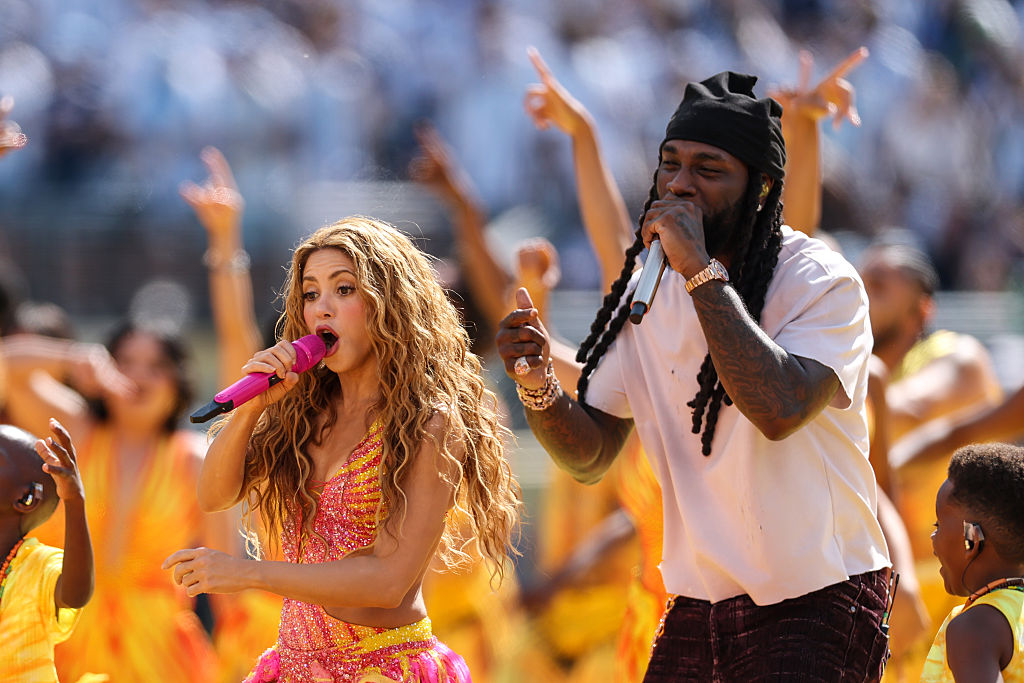
With Spain and Argentina tied zero to zero midway through Sunday’s 2026 World Cup final, it was up to FIFA’s first-ever halftime show to put some figurative points on the board. If you were judging by the sheer quantity of superstar entertainers who took their turns on the mic—Madonna! BTS! Shakira! Justin Bieber!—then it would be hard to deny that curator Chris Martin of Coldplay and the event’s producers scored a coup. But that overstuffed roster also proved to be the all-too-brief spectacle’s biggest problem. So much was happening on the briefly tarp-covered field at New York New Jersey Stadium, and on our screens at home, that it was impossible to follow it all without giving yourself whiplash. And the show as a whole was so blandly, sappily crowd-pleasing that few individual moments stood out as highlights.
That focus-grouped vibe was, in all likelihood, precisely what the organizers were going for. This year’s North American World Cup saw no shortage of controversy, from substantive conflicts like the reversal of U.S. striker Folarin Balogun’s red card after a phone call by Donald Trump and the tight restrictions American officials placed on the Iranian team to the sideshow that was frugal fans’ idea to avoid high transit costs by walking from New York City to matches in New Jersey. Casual viewers might presume that a halftime show promoted as a celebration of “football, music and our shared values” would be considered the tournament’s least divisive element. In fact, as the first performance of its kind—and one that seemed impossible to pull off within soccer’s customary 15-minute halftime break—the show faced quite a bit of advance backlash. (The Cure frontman Robert Smith summed up many fans’ attitudes about it, going into the final, when he wrote in an Instagram post: “AAAAAAAAAAAAAAAAAAGH…”)
Nor is it easy to program entertainment for an event of this scope. While the obvious point of comparison for most U.S. viewers is our annual Super Bowl halftime show, which usually features a single superstar act, 48 national teams competed in the World Cup. The global audience for the final was expected to approach 2 billion. So—unlike the ceremonies that open the Olympics, which span hours and spotlight the culture of the host nation, even if they do incorporate some performers from abroad—the World Cup halftime show took on the absurd challenge of representing an entire planet’s worth of popular music in roughly half the runtime of a network sitcom. This might have been an unthinkable approach to an event held in the States as recently as a couple of decades ago, before the globalization of pop got vast American audiences singing along with hits in languages other than English. At this point, two of the last seven Super Bowl headliners performed at least partly in Spanish: Bad Bunny this past year and, in 2020, a selection of Latin pop all-stars led by Shakira and Jennifer Lopez. It has never been more feasible to book acts that hail from six continents and feel sure that hundreds of millions of viewers tuning in around the world will be excited to see the majority of them.
But that’s not the same as making them all make sense together in one 11-minute show. Halftime opened with Madonna singing her Y2K hit “Music” amid dancers decked out to look like skaters and/or revelers at some kind of underground club—a safe but solid, vintage-Madge start. Almost immediately after she parked her dune buggy and walked out into the stadium, flanked by Brazilian soccer icons Ronaldinho and Ronaldo, the scene shifted. As a giant ground covering with a rainbow-colored globe at its center stretched out across the field, Venezuelan conductor Gustavo Dudamel led the New York Philharmonic, the Simón Bolívar Symphony Orchestra of Venezuela, and, why not, the Muppets in an instrumental rendition of the White Stripes hit turned jock jam “Seven Nation Army.” Then, suddenly, members of BTS started showing up in red, black, and white, to serenade the masses with their international smash “Dynamite” as dancers fanned out around them and lyrics flashed across screens in the stands.
All of the above happened within less than five minutes, so maybe the halftime show earned the halftime break of its own that was inserted at that point. Surprise guests Jason Sudeikis and Brendan Hunt, appearing as their respective characters Ted Lasso and Coach Beard, strolled the sidelines, just in time for Ted Lasso’s return next month. For some reason, Ted gave Justin Bieber a pep talk before Canada’s pop prince took the field with an acoustic guitar and a bushy beard for a performance of his stripped-down ballad “Everything Hallelujah”—a song whose vague expression of gratitude suited the event’s nonspecific, studiously apolitical agenda of uplift. (You could call it the Good Vibes Only Halftime Show, if only there weren’t so many preexisting bad vibes.) As TV cameras framed Bieber in closeup, I had to wonder what anyone in the stadium was getting out of his solo act. But Shakira and the Nigerian star Burna Boy brought the energy up with their World Cup anthem “Dai Dai” and the Ugandan youth dance crew Ghetto Kids. It was, in its pure exuberance, the show’s finest moment. New York’s PS22 Chorus were sweet enough, closing out the show with more Muppets and a new Coldplay track, “We Dance.” But there were so many people on the field by then, urging us in song to embrace that bland panacea love, it took me a while to spot Martin and his band in the background.
It was certainly an improvement over the halftime show at last year’s Club World Cup—which took place at the same venue, was also curated by Martin, and featured J. Balvin and Doja Cat—which was widely seen as a dry run for Sunday’s event. Set on a stage at the very highest level of the stands, that similarly crowded performance looked like a Grammys medley on video but must have resembled ants scurrying around a screensaver to much of the in-person audience. This one was clearly conceived with both TV audiences and the people who paid thousands to be in the stadium in mind, even if its tie-dye-tarp aesthetic was kind of hokey.
From an artistic perspective, though, the halftime show did so much that it ended up saying nothing. Compare it to Bad Bunny’s personal, culturally specific, politically resonant, and wildly entertaining Super Bowl performance, and FIFA’s first World Cup final entertainment interlude comes out looking like a commercial for some undated edition of the Now That’s What I Call Music! compilation series. Which is, of course, to be expected of a production charged with representing the whole world and not making anyone mad. Now that’s what I call a letdown.
Firefighters battling blaze at Arthur's Seat in Edinburgh
Dominant Spain beat Argentina to win World Cup after extra time
Trump Administration Scales Back Endangered Species Protections—Again
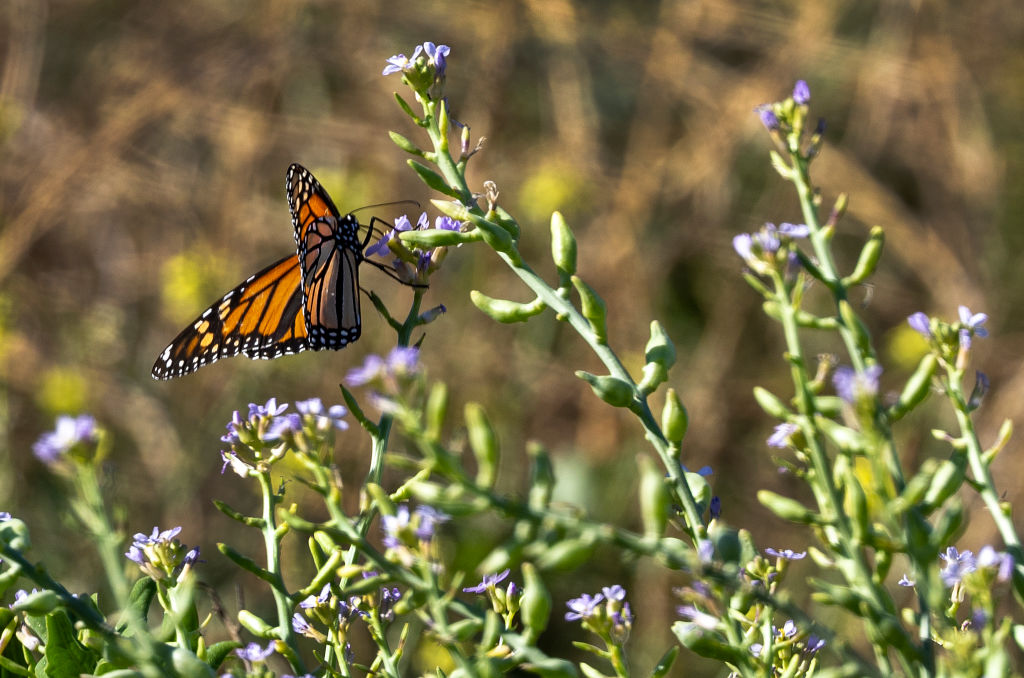
The United States Department of the Interior’s Fish and Wildlife Service on Friday updated its rules for implementing the Endangered Species Act (ESA)—a move that could erode protections for plants and animals that are already at risk, experts say. It revives policies first pursued during President Donald Trump’s first term and comes just one week after another contentious ESA rule change.
The latest rules end automatic protections for newly listed threatened species and revise how economic impacts are weighed when designating critical habitats.
The first change involves what’s known as the “blanket rule,” which for decades has automatically granted “threatened” species—those that are likely to become endangered within the foreseeable future—comprehensive protections, such as prohibiting the killing, trapping, or harassing of the species. They are generally the same protections extended to endangered species, which are at risk of going extinct.
The “blanket rule” (also known as the blanket 4(d) rule) went into effect for wildlife in 1975 and was extended to plants in 1977. This came just a few years after the ESA was signed into law in 1973, when the FWS found itself dealing with a backlog of imperiled species that did not have individualized protection plans. The blanket rule allowed the FWS to quickly extend baseline protections to threatened species while proceeding to develop species-specific regulations, and the ESA has since been credited with preventing the extinction of 99% of listed species.
Now, newly listed threatened species will only receive protections on a case-by-case basis.
Read More: Bald Eagles Are Thriving. Could Trump Change That?
“Today’s decision amounts to an utter abdication of the federal government’s responsibility to protect America’s wildlife,” Sara Amundson, president of nonprofit Humane World Action Fund said Friday. “Rescinding the blanket 4(d) rule will undermine safeguards for threatened species while creating unnecessary hurdles that will slow future protection.”
She said that the implementation of species-specific regulations offers “no comfort,” writing: “That process is far more time-consuming and resource-intensive, making delays in protecting vulnerable wildlife all but inevitable.”
This is not the first time that the Trump Administration has tried to restrict regulations for implementing the ESA. The FWS originally rescinded the blanket rule in 2019, but it was re-established by President Joe Biden in 2024.
At the time, the FWS also adopted a rule changing how economic impacts are evaluated when deciding whether to exclude areas from critical habitat designation—a policy that was reinstated on July 17.
Critical habitat designation is primarily a regulatory mechanism used by the federal government to ensure federal actions do not jeopardize habitat essential to listed species. It requires a formal review of any federal projects, funding, or development that might impact the area.
Supporters say allowing greater consideration of the economic impacts of the designation will reduce unnecessary burdens on landowners and development projects. However, conservation groups counter that it will make it easier to exclude habitats in the name of cost effectiveness.
Secretary of the Interior Scott Burgum said in last week’s announcement that the shift in policy “will lower costs for Americans and lead to more species successfully coming off the Endangered Species List—two things all Americans can celebrate.”
Burgum also said that 97% of threatened species are still on the list today—a source of frustration for Republican lawmakers, who say that longstanding habitat protections hamper economic development in their districts.
But experts told TIME in 2019 that the changes threatened endangered plants and animals and could even “undermine the strength of the ESA.” They were reversed under President Joe Biden in 2024.
After Biden’s reversal, two groups—the Rocky Mountain Elk Foundation, a pro-hunting organization, and the Property and Environment Research Center (PERC), which researches free-market environmentalism—sued the Administration, arguing that the rule unfairly imposed those restrictions on landowners even after a species’ status improves.
These groups celebrated the latest reversal: “For too long, the blanket rule treated threatened species the same as endangered ones, dulling incentives for recovery,” said Jonathan Wood, vice president of law and policy for PERC, in a statement July 18.
The rollback also comes amid a broader effort to reinterpret the ESA.
One week prior, the FWS and the National Oceanic and Atmospheric Administration redefined the meaning of “harm” under the ESA, making it so that damaging or destroying an endangered species’ habitat is no longer, by itself, considered harming that species under the law. Going forward, the word only refers to “an act which actually kills or injures wildlife.”
In response, a coalition of nine environmental groups and two Native American tribes filed lawsuits saying that the move violates the ESA’s statutory language and inhibits its fundamental goals.
The latest revisions are also expected to face legal challenges and, taken together with last week's change to the definition of "harm," mark a broader effort by the administration to reshape implementation of the ESA.
‘A one-way ticket to extinction’
The Center for Biological Diversity, a nonprofit working to protect endangered species, said that these new rules could leave many species with little to no protection.
“These rules are a one-way ticket to extinction for our most imperiled animals and plants, from monarch butterflies to giraffes to alligator snapping turtles,” Noah Greenwald, endangered species co-director at the Center for Biological Diversity, said in a statement July 17. “Trump is bending over backward for corporate polluters by ripping away the blanket that protects so many struggling wildlife species, as well as the air we breathe, the water we drink, and the natural places where we seek peace of mind.”
The organization said that it will challenge the ruling in court.
Clay Samford, an attorney with the environmental law nonprofit Earthjustice, said in a statement that the bureaucracy that is now required to outline specific protections for imperiled species will leave them vulnerable for an indeterminate period.
“Rather than automatically protecting threatened species, like Florida manatees, so they don’t slip closer to extinction, the new rule leaves them unprotected while the agency does potentially years more paperwork to decide what protections they should receive,” Samford said.
The Earthjustice statement also said that the Trump Administration is allowing resource extraction industries to put their thumb on the scale when it comes to which habitat gets protected or destroyed.
It said that the new rules will be particularly damaging in Hawaii, which is home to species like the ‘i’iwi bird that do not exist anywhere else on Earth. The bird “is currently awaiting critical habitat designation where cattle ranchers have asked for areas to be excluded,” Earthjustice said. Other examples provided in the statement are green sea turtles, monarch butterflies, polar bears, Canada lynxes, sage-grouse, and the Texas horn shell.
The Humane World for Animals and the Humane World Action Fund released a joint statement calling the new rules a “profound failure,” explaining that they make way for oil and gas, mining, logging, and other resource extraction industries to pursue new projects on land that the ESA has safeguarded for decades.
They are among the environmental protection groups pointing out that critical habitat loss can push threatened species closer to becoming endangered.
Habitat loss is the “primary threat to the survival of wildlife in the United States,” according to the National Wildlife Federation. The FWS itself said in 2023 that habitat protection has saved species like the bald eagle from the brink of extinction.
In order for a species to be protected under the ESA, there must be evidence of habitat loss, over-exploitation, disease, or other manmade or natural factors threatening the species.
Currently, the ESA protects 1,662 species in the U.S. It also safeguards 638 species abroad through restrictions on trade, import, and export, along with other conservation measures.
JD and Usha Vance welcome baby boy, first child born to sitting VP in 156 years
Vice-president and second lady announce birth of Alec Neel Vance, their fourth child, in social media statement
Vice-President JD Vance and his wife, second lady Usha Vance, on Sunday announced the birth of their fourth child, the first born to a sitting vice-president in more than 150 years.
Born on Sunday, Alec Neel Vance joins older siblings Ewan, nine; Vivek, six; and Mirabel, four.
Continue reading...Pay gap widens as UK bosses get 130 times average worker’s salary
In its final report the High Pay Centre says the median remuneration of a FTSE 100 CEO has risen to a record £5.06m
The bosses of Britain’s largest listed companies received record pay last year, fuelling the widest earnings gap with workers in eight years.
Median pay for FTSE 100 chief executives hit £5.06m in the last financial year, according to data released by the High Pay Centre, an 8.6% increase on £4.66m the previous year and the highest level on record.
Continue reading...How Burger King is preparing for the GLP-1 revolution
A look at the most exciting moments from the 2026 FIFA World Cup
Global Oil Price Crosses $90 a Barrel as U.S.-Iran Conflict Widens
Mbappe first to win Golden Boot twice as Rodri named best player
PHOTOS: Spain wins the World Cup by beating Argentina 1-0 on Ferran Torres' goal in extra time
Exonerees, crime survivors come together for healing | 60 Minutes
Inside the monarch butterfly migration mystery: flying to Mexico from Canada, the U.S.
Crime victims form unlikely bonds with wrongfully convicted men
Monarch butterfly super generation migrates thousands of miles
Capturing the emotional journey of Healing Justice
Anderson Cooper on witnessing the monarch butterfly migration
Here’s the biggest news you missed this weekend
Spain 1-0 Argentina (aet): 2026 World Cup final player ratings
Rodri looks back to his imperious best in Spain’s midfield while Enzo Fernández has day to forget for Argentina
Unai Simón Was alert to clear danger after Cubarsí’s early mistake. Otherwise could have brought his slippers. 7
Continue reading...Patience beats overreliance on Messi: how the final was won and lost
Argentina tried to kill the spectacle and make it a physical battle but Spain refused to take the bait and kept passing
A worrying thought as a tepid first half drew to a close: was the half-time show going to be better than the football? This was a slog. Argentina could not match Spain’s possession approach but they had ways to level the playing field. There was physicality from Lionel Scaloni’s side, whose aim was to kill the spectacle before taking control in the second half, and they were allowed to take it to the limit by the Slovenian referee, Slavko Vincic. Alexis Mac Allister could have been booked for an early foul on Dani Olmo and the leniency, together with a pitch not conducive to playing flowing football, allowed Argentina to disrupt Spain’s passing game, creating the conditions for one of the most tedious World Cup finals.
Continue reading...Donald Trump and Gianni Infantino booed before US president attempts to crash Spain celebrations
US president watches Spain v Argentina match
Donald Trump and Gianni Infantino were booed as they took to the field for the presentation ceremony before the US president attempted to gatecrash Spain’s victory party.
Trump arrived at the stadium on Marine One, with the president’s helicopter first flying over the stadium about 45 minutes before kick-off. He sat in a glassed-in section of luxury seats for the match, along with Infantino. Other dignitaries and former players sat nearby, including Spain’s king, Felipe VI, Canada’s prime minister, Mark Carney, and Mexico’s president, Claudia Sheinbaum.
Continue reading...Evenepoel criticises 'inhuman' night doping tests as Vingegaard crashes out
¿El final de una gran historia? Lionel Messi en el pasto observa con melancolía la caída en la final
Leandro Paredes se lía a golpes con Eric García
‘Blue MAGA’ Has Entered the Chat
Five family members found dead after flash flood in Utah canyon, police say
Victims were Provo’s fire captain, his wife and their three sons, who were hiking in Bicknell amid heavy rains
Five family members who had set out for a day of hiking were killed after a flash flood swept through canyons of southern Utah on Friday, law enforcement officials said.
The victims were a captain in the Provo fire department, his wife and their sons, according to fire officials. A daughter who was not on the trip survived.
Continue reading...Vice President JD Vance and wife Usha welcome their 4th child
Vice President JD Vance and second lady Usha Vance welcome 4th child
Nolan’s ‘The Odyssey’ Brings in $124.5 Million at the Box Office on Opening Weekend
Andrew and Tristan Tate held in 'solitary confinement', lawyer claims
Watch The Open: Final round highlights
Five family members found dead after flash flood in Utah canyon, police say
Victims were Provo’s fire captain, his wife and their three sons, who were hiking in Bicknell amid heavy rains
Five family members who had set out for a day of hiking were killed after a flash flood swept through canyons of southern Utah on Friday, law enforcement officials said.
The victims were a captain in the Provo fire department, his wife and their sons, according to fire officials. A daughter who was not on the trip survived.
Continue reading...Usha Vance gives birth to fourth child
Непобедимая Испания выиграла финал чемпионата мира по футболу у Аргентины и лучшего футболиста современности Лионеля Месси
Ferrán Torres aparece al 106’ y el banquillo no contiene la emoción
Spain defeats Argentina 1-0 to win 2026 World Cup
Ferran Torres gives Spain extra-time lead against Argentina
Трамп грозит Канаде новыми тарифами из-за дыма от канадских лесных пожаров
Ferran Torres anota el gol que vale un Mundial para España
Se calienta la final: Roja para Enzo Fernández y fuerte cruce entre Messi y Cucurella
Watch: Torrential rain hits New York and New Jersey triggering flash floods
Netflix paid $587M for Ben Affleck’s AI filmmaking startup
A cavalcade of international stars headlined the World Cup's first-ever halftime final show
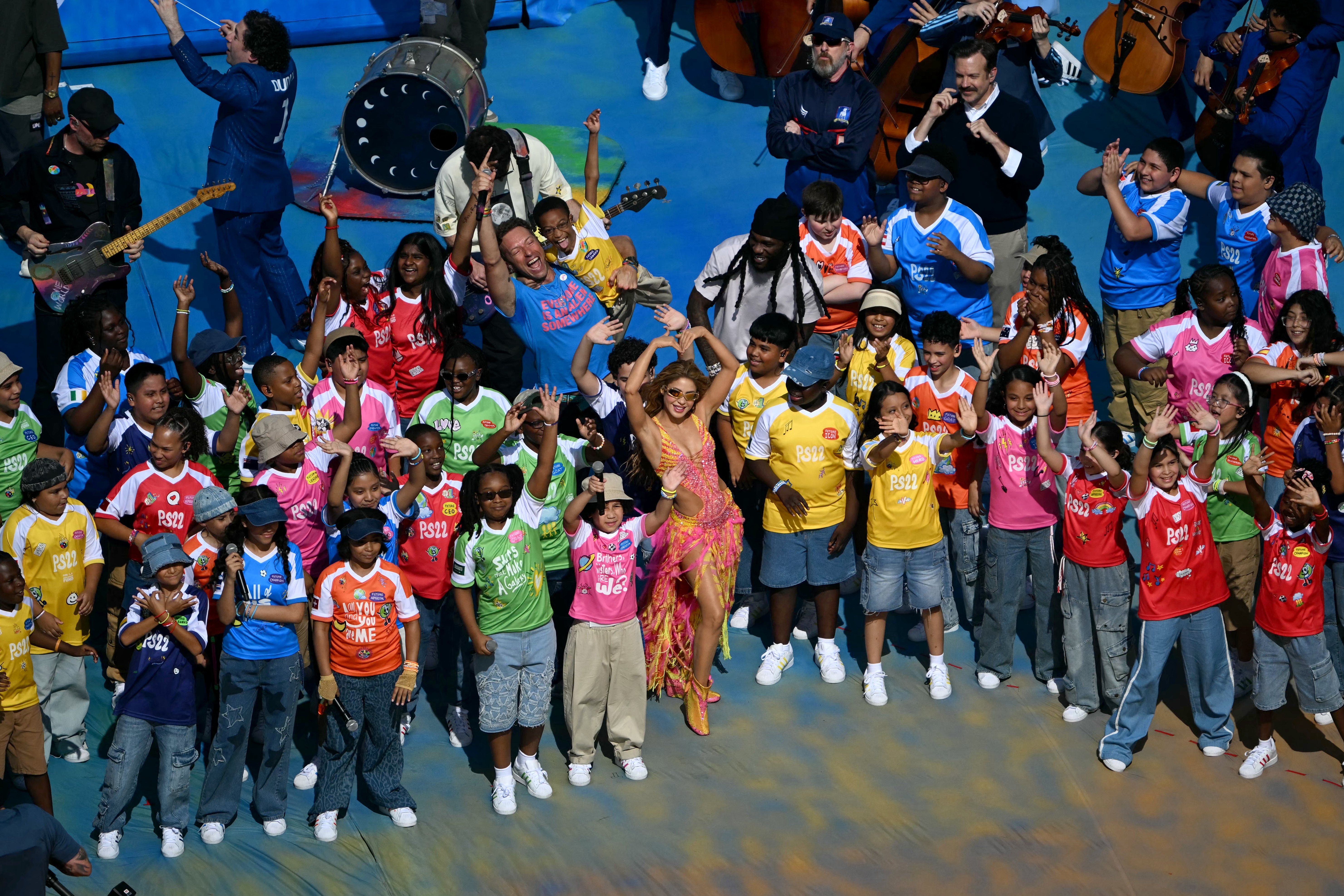
With President Trump in attendance, an all-superstar lineup that included Madonna, BTS, Justin Bieber and Burna Boy felt a little more political than it might have otherwise.
(Image credit: Mauro Pimentel)

Derryn Hinch remembered as ‘journalistic James Bond’ – as it happened
This blog is now closed
Get our breaking news email, free app or daily news podcast
The use of AI in automated decision-making by government departments and agencies will be subject to tough rules under a new national plan, expected to extend to consumer protections, workplace safety and privacy.
As the Albanese government grapples with the rapid growth in the use of artificial intelligence and a boom in datacentre construction, senior ministers have begun work to draw up new rules to ensure safety is built into AI processes inside government, prioritising fairness, accuracy and transparency.
I know who Pauline is, Mum is, and I know that’s not what her intention was in any way. I do think snippets of it was misinterpreted. Under no way, shape, or form did she say she wished the White Australia policy hadn’t have been changed. She does not support it and she does not want it back. So I do believe it’s been taken out of context.
We know that media grabbed their snippets and their grabs, and it’s all about clickbait, and then Labor’s obviously jumped on it, and so are the Liberals, right? That’s how they try to better themselves, by picking out a little slogan when she was talking about the history of immigration and the change that has occurred.
Continue reading...Conmovido: así entonó Scaloni el Himno de Argentina en la Final del Mundial ante España
What to watch for after Jensen Huang’s Japan visit
Stars shine at the World Cup final half-time show
Russell’s Mercedes problems ‘100% on us’, says Toto Wolff after Belgium blow
Russell clipped by Hamilton on lap one after power loss
British driver 50 points behind Antonelli in standings
Toto Wolff, the Mercedes principal, has admitted the team let George Russell down at the Belgian Grand Prix. The British driver failed to score a point after a clash with Lewis Hamilton that Russell attributed to his car’s performance not being up to scratch.
The race was won by Kimi Antonelli, who now leads his teammate Russell by 50 points in the world championship, a serious blow to the latter’s title hopes.
Continue reading...