RSS Feeds
Will Trump's primetime speech help him challenge the midterm elections?
Trump Administration Is Considering Charging Certain Visa Applicants a Bond

The State Department is considering imposing a bond for certain visa applicants, adding to the Trump Administration’s efforts to sharply restrict immigration.
The agency didn’t immediately respond to TIME’s questions about the amount of the possible bond or which visa applicants it would be imposed on. But The Wall Street Journal reported, citing people familiar with the plans, that the discussions have focused on placing a bond amounting to $100,000 on some green-card applicants.
“President Trump has made clear that those who wish to immigrate to the United States must be financially self-sufficient,” State Department spokesperson Tommy Pigott said in a statement to TIME. “The Trump administration is restoring the basic expectation that immigrants to the United States should contribute to our society more than they take from it. Under Secretary Rubio’s leadership, the Department of State is putting that principle into action.”
Pigott said that the agency is considering requiring a bond for “certain visa applicants—those who are otherwise ineligible for a visa because they are likely [to] become a public charge.” He added that the bond would be “a way to demonstrate they have access to the funds needed to support themselves.”
“This commonsense solution serves a dual purpose—preserving public assistance resources for hardworking Americans while giving applicants who have the resources to pay their own way another option to demonstrate their self-sufficiency and qualify for a U.S. visa,” he said.
Since returning to the White House for a second term, President Donald Trump has taken a number of actions to crack down on both legal and illegal immigration. His Administration has intensified efforts to restrict a number of legal pathways to immigration. In an unprecedented move, his Administration has also initiated steps this year to strip more than two dozen naturalized Americans of their citizenship.
A proposed rule from the Department of Homeland Security that was released to the public last month revealed that the agency is seeking to significantly raise the cost of filing a form that immigrants have to submit to apply for citizenship. The proposal sparked concerns among immigration advocates, who argued that it would place naturalization out of reach for immigrants who may not have the financial means to pay the increased fees.
The Trump Administration also unveiled plans this past fall to charge companies $100,000 each year for H-1B visas, which immigration experts feared would hinder employers from hiring skilled workers from other countries. But last month, a federal judge struck down the Administration’s fee, voiding the policy “in its entirety.”
Another, more sweeping effort by Trump to impose restrictions was also rejected in the courts last month. On June 30, the Supreme Court upheld birthright citizenship, dealing a blow to the Trump Administration’s efforts to significantly restrict the 150-year-old constitutional guarantee. That same day, the Department of Justice told its staffers that the agency will “prioritize the investigation and prosecution of birth tourism schemes,” claiming that “the American system is exploited each year by thousands of foreigners who travel to the United States under false pretenses to give birth and secure citizenship for their child.
Who Really Has the 2026 Midterms Cash Edge?
Sara Rodriguez, Lieutenant Governor, Quits Wisconsin Governor’s Race
Firms With Checkered Pasts Tied to Troubled Midtown Construction Project
Is It Safe to Eat Lettuce?
Trump Pursues a Deeper Bond With China’s Leader, Despite Hostile Speech
The Creator Behind Heartstopper Helps Break Down the Emotional Series-Ending Movie
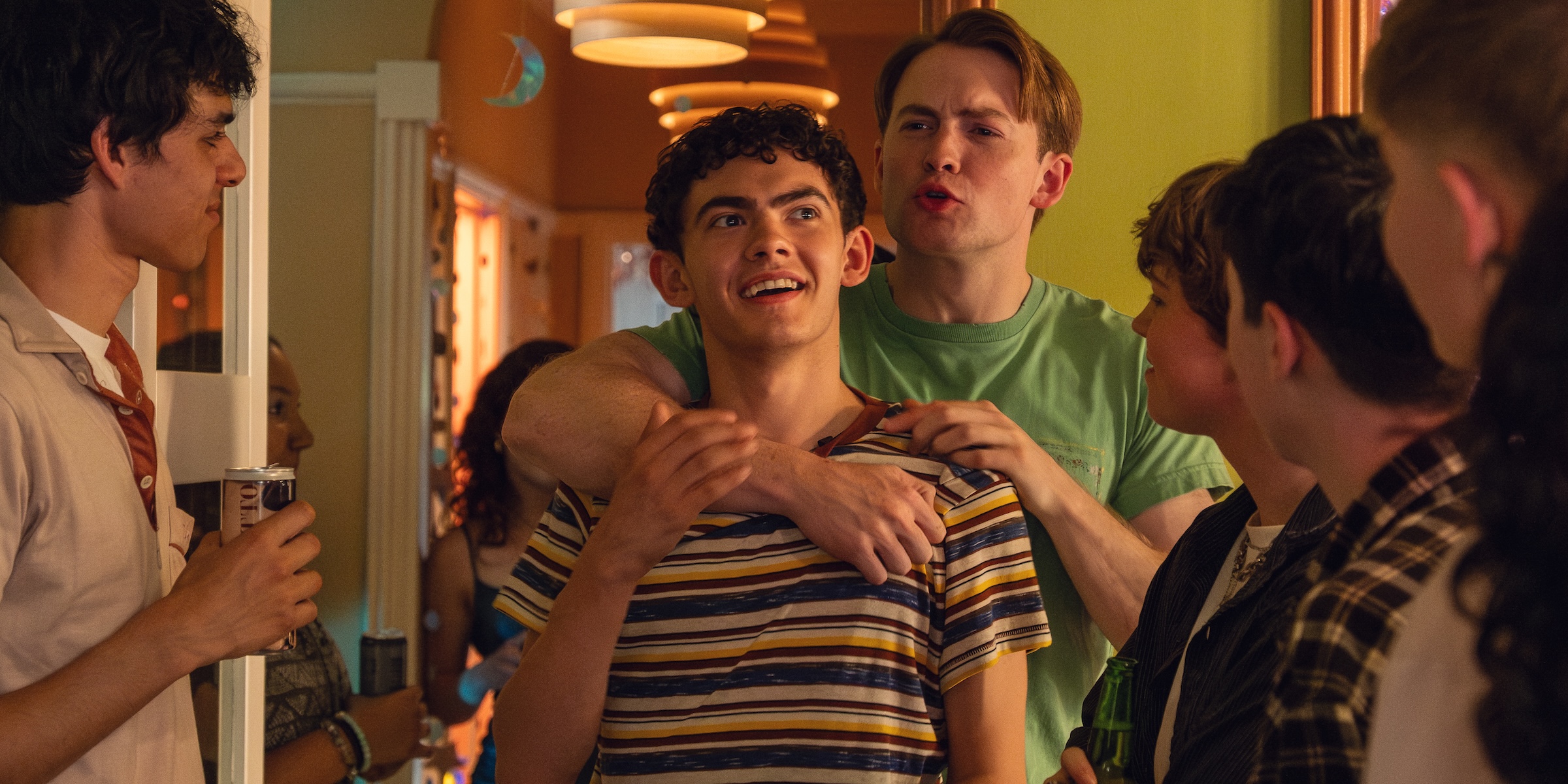
Alice Oseman’s Heartstopper has become a beacon of joy for queer people of every age. First published as a series of comics, then adapted into a Netflix show, the universe is growing even bigger this summer with the new film Heartstopper Forever.
Oseman has returned to the world of Heartstopper in multiple formats and across them all, there remains the same steadfast ethos of love. “No matter what difficult things you might be going through in your life, there’s always joy, hope, friendship, and love to be found. There’s always light at the end of the tunnel,” says Oseman.
Heartstopper Forever effectively functions as the show’s series finale, giving a feature length farewell to Nick (Kit Connor), Charlie (Joe Locke) and their group of friends as they get ready for the next phase of life. Nick and Charlie have been at the center of the show’s love story, going through the heights and pitfalls of young love over three seasons.
This is a more mature version of Hearstopper than audiences will be used to. ”It felt like a natural progression for these characters,” says Oseman. That doesn’t mean it’s lost any of the trademark charm or whimsical nature that made it such a hit. We spoke to Oseman about the ending of Heartstopper Forever, why Nick and Charlie had to go through such turmoil, and if she thinks they’ll really be together—forever.
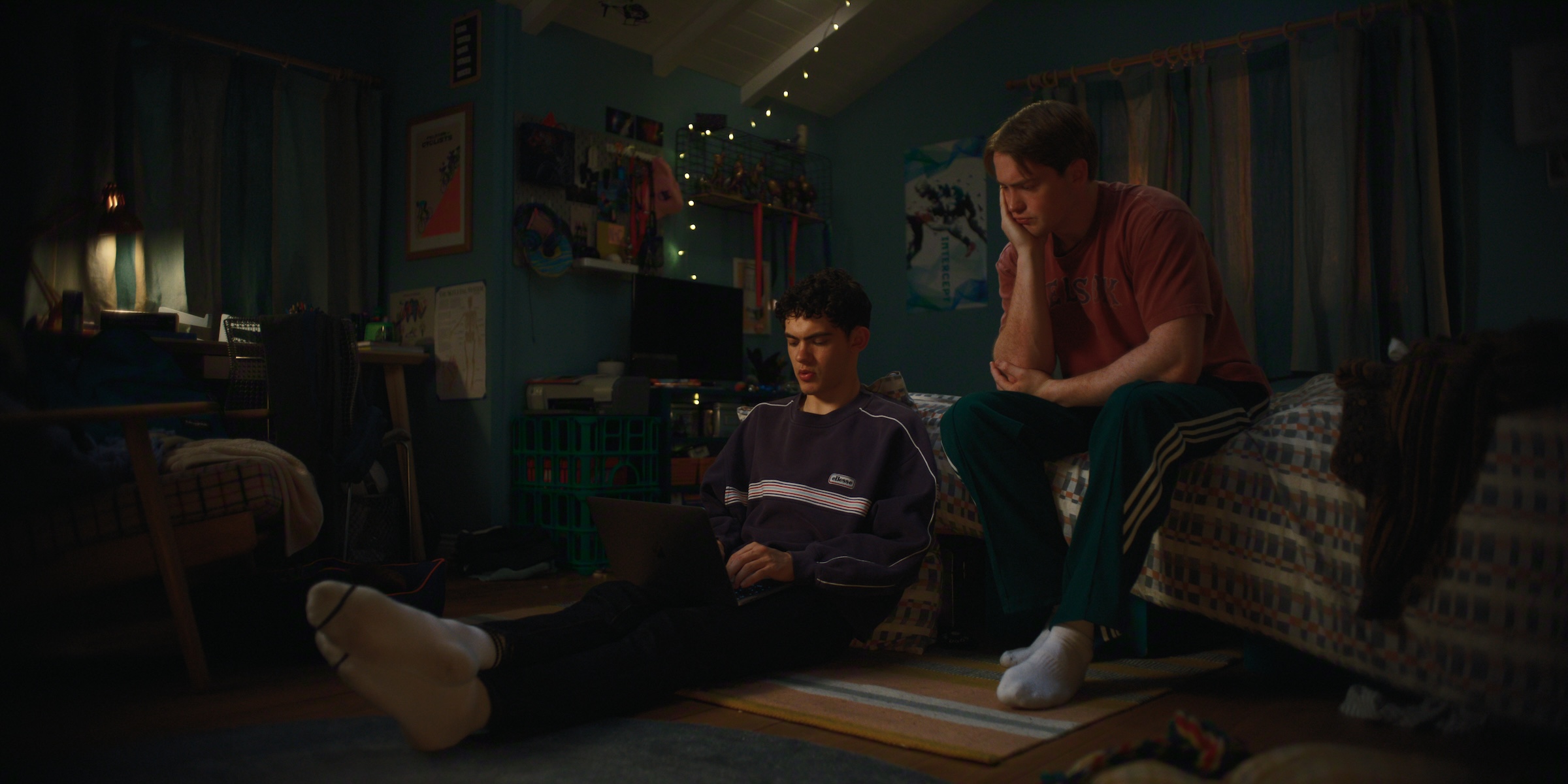
At the onset of Heartstopper Forever, things are going great for Nick and Charlie. But the end of the school year looms over them, and as Nick is a year older, it means he’ll be going to university while Charlie remains at school. And Nick is planning to go to University in Leeds, a 4.5 hour drive from where they live. The stress of the upcoming move slowly fractures their relationship, and they break up during a party, where Nick tells Charlie, “I’m only happy when I’m with you,” to which Charlie responds “I don’t think that’s how it’s supposed to be.” With tears in their eyes, they agree to part ways.
Having Nick and Charlie end their relationship—a relationship genuinely adored by the Heartstopper fandom— was not a decision Oseman made lightly. “Nick and Charlie love each other so much, but sometimes they ignore their own issues to try and help each other,” says Oseman. “There’s a slight feeling of codependence between them, and I think many people will feel that more and more as the story goes on.”
In Heartstopper Forever, Nick spends so much time caring for Charlie and helping him through his eating disorder that he loses sight of who he is as an individual, which leads to self-loathing and overwhelming anxiety.
“For them to really step into their futures together, I felt like they needed to figure that out about their relationship,” says Oseman. “That comes to a head in this breakup, where they convince themselves that the other person will be better off without them—it’s such a Nick and Charlie way to break up.”
Though Heartstopper Forever expresses the pair's heartbreak over their relationship ending, there’s plenty of good news: they do, in fact, get back together. After some difficult time apart, Nick and Charlie reunite at the beach—the very same one where they first said they loved each other at the end of Season 1.
Throughout the film, friends constantly remind Nick and Charlie that they’re soulmates. But as the pair learn, love is a lot more complicated than that. “I don’t believe in the concept of soulmates,” says Oseman. “It’s an interesting contradiction, because Nick and Charlie do feel like soulmates. But I think the conversation Nick has with his mum towards the end is so important.” In that conversation, Nick’s mother (Anna Maxwell Martin) tells him, “Love isn’t some cosmic force. It’s a choice. It’s a choice you make every day.”
“It’s so important because it expresses the idea that they are choosing to love each other. To commit and move forward together, despite their issues and anxieties. They’re not perfect, and they don’t have everything figured out. But they choose to go into life together, and I think there’s something beautiful about that. It’s something they both want, and they’re doing that together,” says Oseman. “The fact that they’re able to work through those issues and get back together, it lets us know by the end of the film that they are now so strong together that they could be okay for the rest of their lives.”

In the film’s epilogue, Heartstopper Forever gives us quick snippets of everyone’s futures. Tara (Corinna Brown) and Darcy (Kizzy Edgell) head off on their interrailing trip, and Imogen (Rhea Norwood) surprises Sahar (Leila Khan) at a gig to see her perform. Isaac (Tobie Donovan) starts writing his first novel, and Tao (William Gao) goes to Berlin to surprise Elle (Yasmin Finney) at art school, reigniting their romance. In Hearstopper Forever, nobody’s story is completely finished, and Oseman has a reason for not providing definitive conclusions.
“Life doesn’t end when you turn 18—there’s a whole rest of your life to live. I didn’t want to jump too far into the future because I think that would leave people frustrated. If we jumped to when they were all 30, people would feel like ‘Oh, we’ve missed 12 years of story.’ I think it’s nicer to leave them at the moment when they’ve become adults, and we can imagine for ourselves what might happen. You feel content to let them go and live their lives,” says Oseman.
In the final scene, Charlie gets on the train to visit Nick in Leeds. Nick excitedly waits for him at the train station, and takes him to meet his new friends. That evening they dance the night away at a gay bar. The next morning, the two cuddle in bed, and Charlie presents Nick with a gift: a scrapbook full of their memories, with plenty of blank pages for a lifetime of memories to come. They head off to breakfast, and the film ends.
“I wanted to end with them together on an ordinary morning,” Oseman says of the final scene. “It’s not a particularly special day. It’s just Nick and Charlie being themselves, and there’s something I think that is so true to the essence of what Heartstopper is, which is just ordinary people living ordinary lives. Yet there’s so much love there, and so much sweetness, that it felt like a natural place to end things.” As Nick and Charlie head off to have breakfast, it’s a moment that feels like an ending, but a brand new beginning for them, too.
There’s just one question that will likely linger for Heartstopper Forever fans: Do Nick and Charlie stay together forever?
“People can imagine whatever they want,” says Oseman. “But in my opinion? Absolutely.”
Opinion | Britain’s Newest New Prime Minister
‘Leo has surpassed Diego’: after two decades Argentina embraces Messi
The little maestro has hitherto lived in the shadow of Maradona who has for so long coloured the soul and defined the passion of football in Argentina
It is time to consign Diego Maradona’s Hand of God to a museum piece. For 40 years that moment and Maradona’s unforgettable “goal of the century” coloured the soul and passion of Argentinian football. Today things are very different, and the main reason is Lionel Messi. By asserting himself over the memory of Maradona, Messi is establishing a new Argentina.
An impressive 2–1 semi-final victory over England showcased a revitalised Argentina who go into Sunday’s final against Spain relying on a simple, powerful weapon: excellent football.
Continue reading...Australia updates travel advice for Laos as charges announced over mass methanol poisoning
Distillery owner could face only three months in jail over alleged poisoning of Australian teenagers
Get our breaking news email, free app or daily news podcast
The Australian government has increased its travel alert level for Laos, advising travellers to “exercise a high degree of caution” due to the risk of methanol poisoning.
It comes as a distillery owner in Laos was charged after a mass methanol poisoning incident killed six foreign nationals, including the Australian backpackers Bianca Jones and Holly Morton-Bowles.
Continue reading...Opinion | Trump and Bernie, Political Smokejumpers
Trump speech ripple effects: From the Politics Desk
Trump’s Election Claims and SAVE Act Push Find Muted Response From G.O.P. Lawmakers
On Fire. Again.
Watch: The Open second round highlights
Chip sector losses drag markets lower
Trump administration races to rebuild tariff wall knocked down by Supreme Court
The Zoom hack that says, ‘Don’t record me’
Why Canada’s Wildfires Are So Hard to Put Out
Оператор телесуфлера обвинен в выигрыше около $100 тыс. на ставках на содержание речей Трампа
Китайский стартап Moonshot выпускает новую ИИ-модель. Он утверждает, что Kimi K3 не уступает американским аналогам
Boy attacked by zoo crocodile has had seven operations and is smiling again, say parents
Clacton by-election attracts 34 candidates
Second tanker in three months hijacked off Yemen by suspected Somali pirates
Trump threatens new Canada tariffs over fires sending 'filthy' air into US cities
Trump backs Sen. Darline Graham in primary to replace her late brother
US launches seventh night of Iran strikes as Hormuz conflict escalates
Central Command says attacks were designed to ‘continue degrading Iranian military capabilities’
The US military said it had launched a seventh consecutive night of strikes on Iran on Friday night as fighting escalated over the strait of Hormuz.
US Central Command, in a post on X, said the strikes, which began at 7pm GMT, were designed to “continue degrading Iranian military capabilities”.
Continue reading...Why are investors selling off AI chip stocks?
Taylor Farms recalls lettuce in 27 states amid cyclosporiasis outbreak: What to know
The Inspiring True Story Behind They Fight
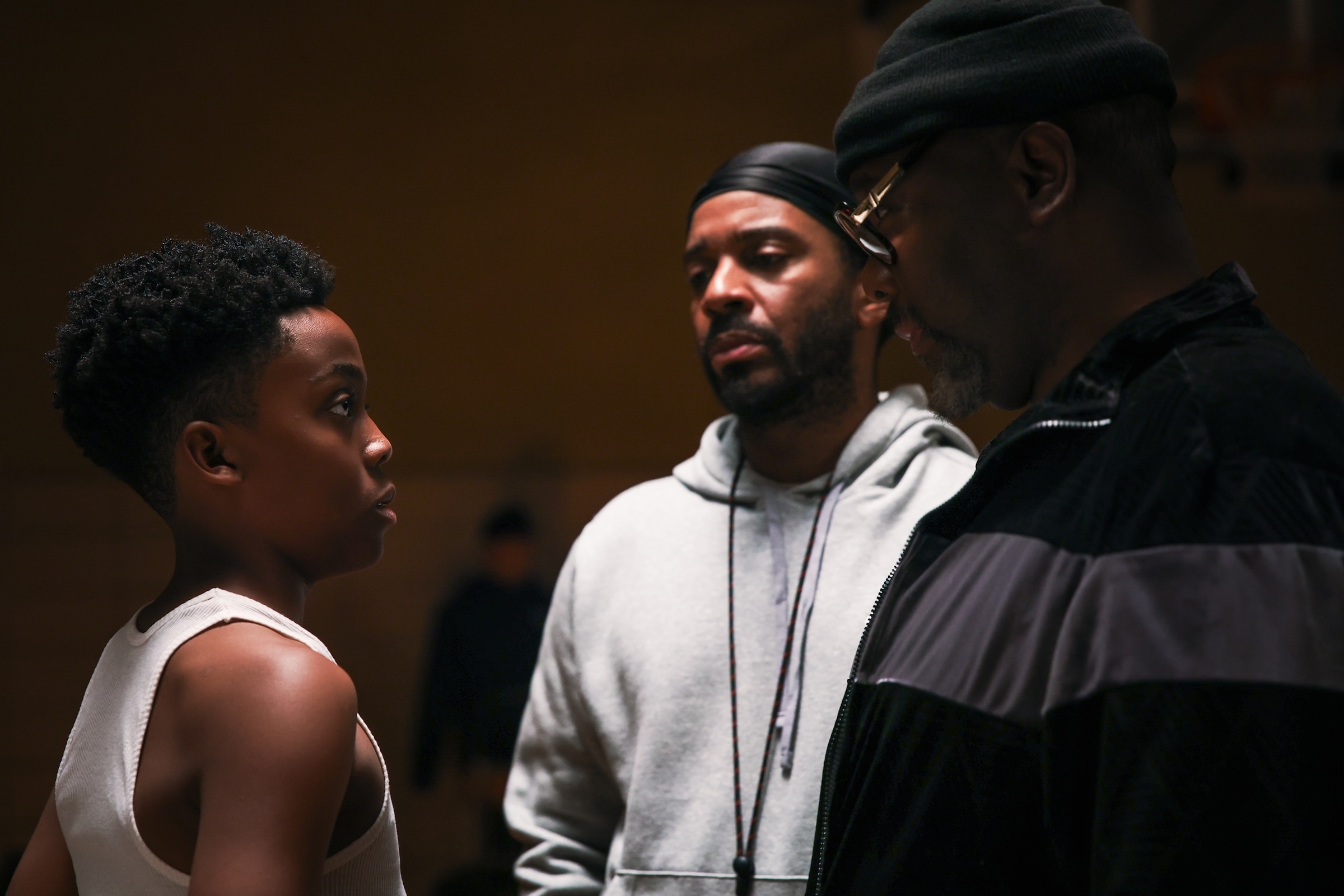
The boxing drama They Fight, out July 17 on Hulu, packs a punch, inspired by the true story of the late Walter Manigan, who touched many lives in Washington, D.C., as a youth boxing coach after serving time in prison.
Manigan saw himself not only as a boxing coach but also a life coach, helping his pupils stay out of trouble.
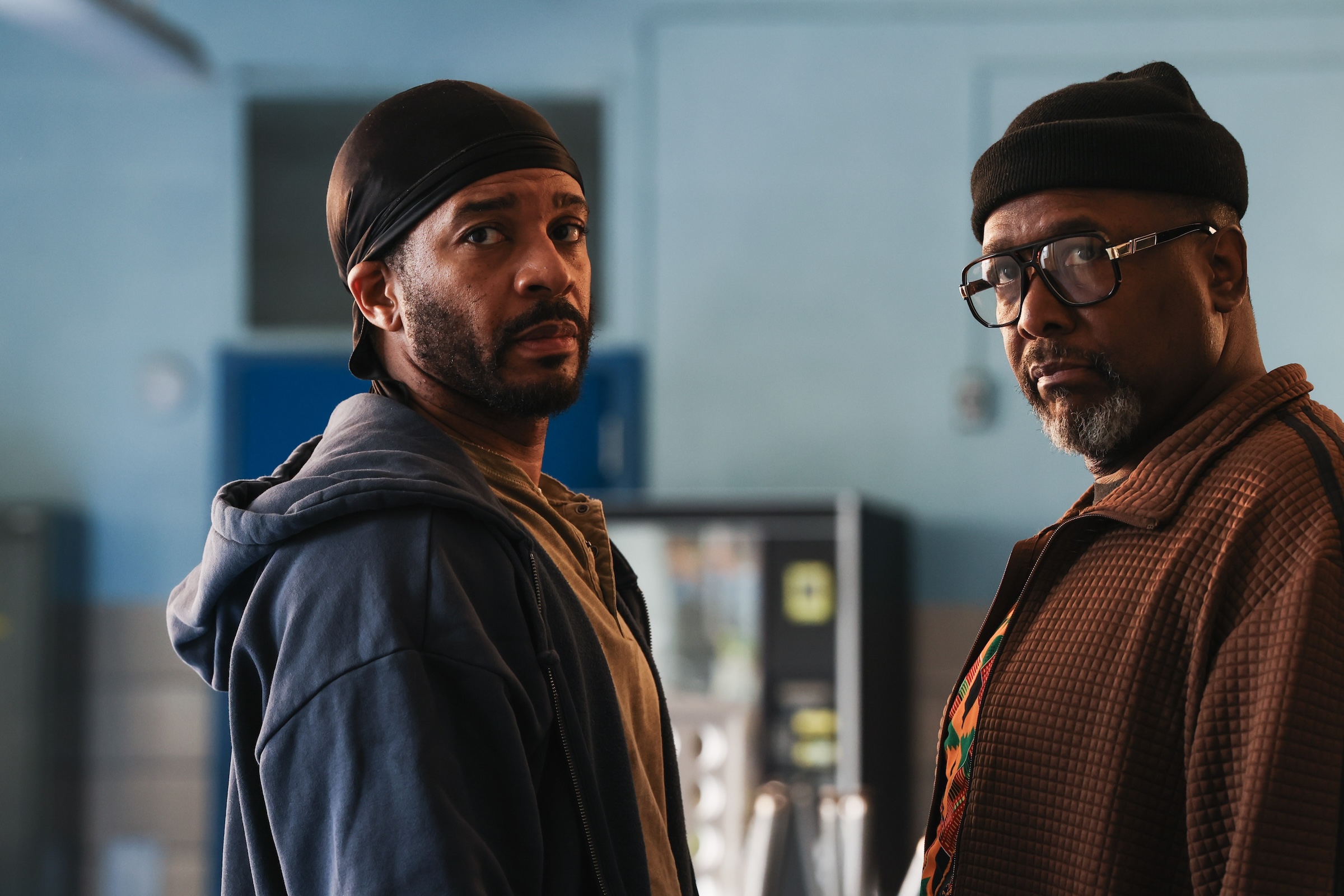
In the film, André Holland stars as Manigan, putting kids through boot camp—like having them do weight-lifting with actual bricks—and dishing out real talk, telling the kids that boxing “gave me my purpose back.”
Director Sheldon Candis and his team visited boxing gyms in the D.C. area like Upton and NoXcuse to make sure the actors depicted the sport realistically. But the movie is also inspired by two men that Manigan coached, Ragahleak Bartee, 24, an officer with the Metropolitan Police Department, and Quincey Williams, 22, a professional boxer. In the film, they are youngsters prepping for a junior national boxing tournament in West Virginia.
The two men shared what they learned from boxing with the real Walter Manigan.
More than a boxing gym
Manigan had a rough upbringing, the son of two drug addicts who was raised by his grandmother, according to a 2016 Washington Post profile. He had been a boxing coach at HeadBangers gym before serving two years in prison for distributing cocaine.
When he got out, he couldn’t face his old students. “My pride wouldn’t let me go back because I knew I let those kids down,” he told the Post. In 2012, he started over at Ferebee-Hope Recreation Center in D.C., teaming up with existing coaches to start a boxing program called Lyfe Style.
Ragahleak Bartee, whom Manigan nicknamed “Peanut,” started going to Lyfe Style to get away from fights and shootings in his neighborhood, per They Fight, a 2018 FOX Nation documentary that inspired the 2026 movie by the same name.
Manigan told the Washington Post, “It ain’t all about boxing. I want to raise them from boys to men.”
Bartee tells TIME he succeeded. “Coach Walt was like a superhero,” he says. “He taught me about fatherhood. He was basically a second dad to me.” Bartee adds Manigan made everyone feel welcome. You “didn't have to be the best boxer” to make the team, and Manigan “always made sure that the kid wasn't left out.”
Williams said he used to cry a lot when he first started boxing—and losing—in matches with other pupils. But he stopped when Walt reassured him, “you’re going to have good days, and you’re going to have bad days.” He says the program taught him a kind of discipline he still follows while training for fights today.
Manigan and the coaches provided boxing gear, meals, haircuts, and travel to tournaments for his Lyfe Style boxing team members, raising the money by selling water bottles on the street, setting up a GoFundMe site, and even paying out of pocket.
“If I do anything to mess up, I kill their dreams. That keeps me on a straight path,” he told the Post.
Life lessons from boxing
Unfortunately, Manigan had to stop coaching when he relapsed and became addicted to opioids. The stress of searching for funding for his boxing team also took a toll. Bartee and Williams never got to have a heart-to-heart with him about his struggle with addiction, and Manigan died in 2022 at the age of 55.
But the 2026 movie They Fight has a happy ending, culminating in Quincey winning a boxing tournament in Salisbury, Maryland, validating Manigan as a coach. (In fact, when Williams spoke with TIME, he was in the middle of a seven-match winning streak.)
Candis said he didn’t want to make a movie about Black trauma. “Unfortunately in America, when it comes to Black stories, there's something about our trauma that always gets presented front and center,” Candis explains. “I feel like there's so much in this movie that celebrates the triumph of young Black boys…Walt Manigan had a sad, tragic ending to his life, but what is triumphant, what should be celebrated, what should be discussed with this movie is his living legacy in Quincey and Peanut.”
Williams added that he hopes those who watch the 2026 movie will focus on Manigan’s boxing program rather than the demons he was battling: “Anybody can go through those difficulties in life. Don't let those moments [take away] from the good things that he's done for me and Peanut.”
For example, Bartee says part of the reason he became a police officer is because Manigan taught him about “looking out for the people that need help.”
Candis hopes They Fight viewers come away from the movie with a better appreciation for the lesson in courage that the sport teaches. As he puts it, “Life will punch you in the face. Well, you learn in a boxing ring how to take a punch, and that then becomes how you go about your life when you encounter adversity and obstacles.”
German politician faces calls to resign over surrogacy child
How Trump Abused the Power to Declassify America’s Secrets
Texas Gov. Greg Abbott says Uvalde "hit very, very hard" by flooding
Zeffman: Burnham promises huge change - but leaves questions about plan to deliver it
Chris Mason: Labour pins hopes on Burnham reboot as he plans policy blitz
Trump Threatens Canada With Tariffs for Wildfire Smoke Over U.S.
Taylor Farms voluntarily pulls iceberg lettuce linked to cyclosporiasis outbreak
Journalist targeted by Iran says U.K.'s crackdown on IRGC is "the happiest day"
Sen. Lindsey Graham's memorial services set for later this month
‘Run, Darline, run!’: Trump endorses Lindsey Graham’s sister for full Senate term
Sister of the South Carolina senator who died last Saturday has not previously held any elected office
Donald Trump on Friday said he had encouraged Darline Graham to run for a full six-year term representing South Carolina in the US Senate, after she was sworn in to office earlier this week following the sudden death of her brother, Lindsey Graham.
In a post on Truth Social, Trump said he spoken to Darline Graham at the White House. “I asked Darline, for the Good of our Nation, to run for the U.S. Senate in the Special Republican Primary,” he wrote.
Continue reading...US launches seventh night of Iran strikes as Hormuz conflict escalates
Central Command says attacks were designed to ‘continue degrading Iranian military capabilities’
The US military said it had launched a seventh consecutive night of strikes on Iran on Friday night as fighting escalated over the strait of Hormuz.
US Central Command, in a post on X, said the strikes, which began at 7pm GMT, were designed to “continue degrading Iranian military capabilities”.
Continue reading...Two-shot penalty 'fires up' Open contender DeChambeau
Breaking Down the Supernatural Ending of The East Palace
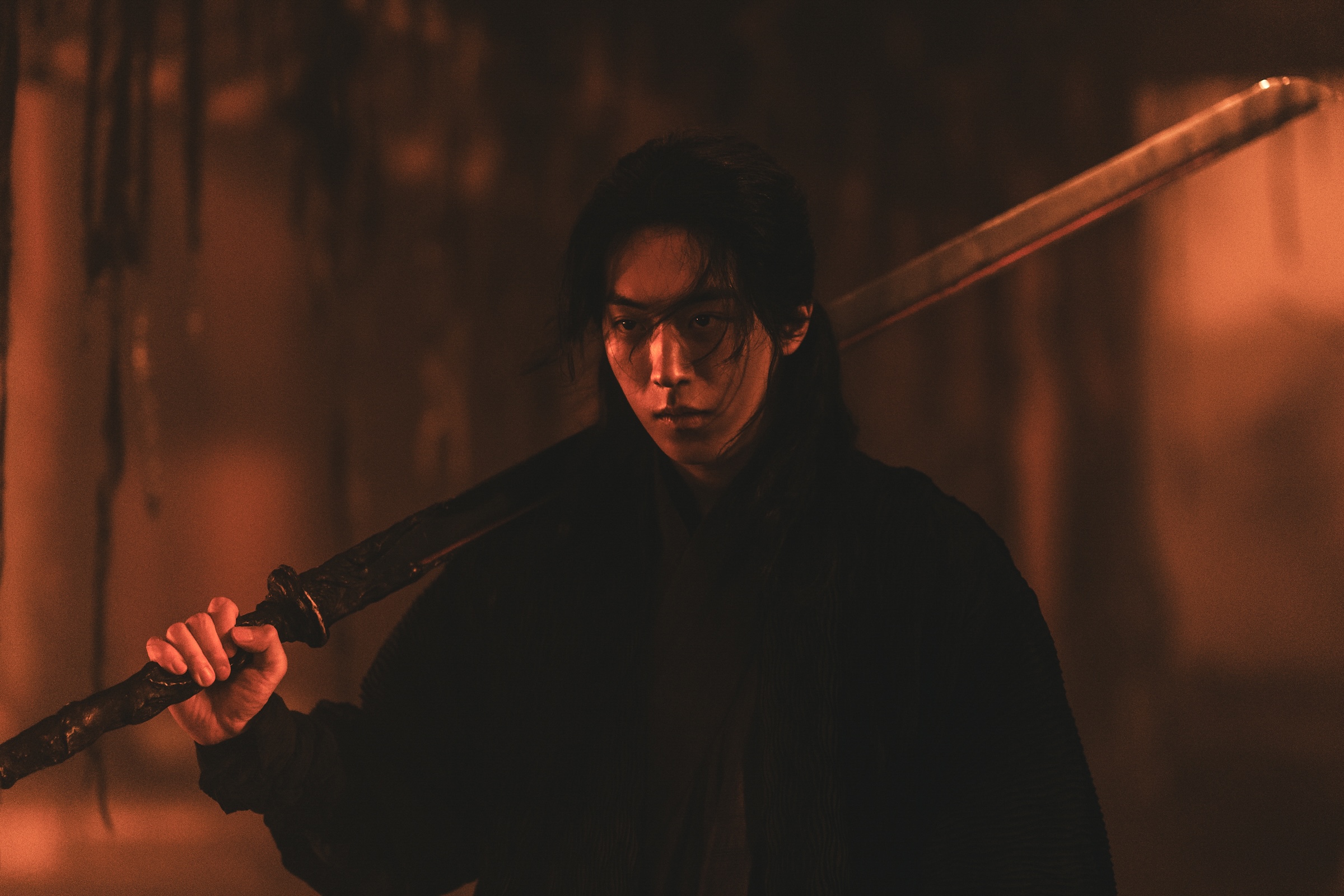
For an eight-episode drama, The East Palace (or 동궁) packs in an impressive amount of plot. The Netflix series is set in a fictional version of Korea’s Joseon dynasty in which the line between the world of mortals and the world of spirits is traversable. In this high-stakes setting, the kingdom’s royal family has been plagued by a 30-year curse that targets the line of succession. When the life of his last living son is threatened, King Ju-sang (Divorce Attorney Shin’s Cho Seung-woo) summons ghost hunter Gu-cheon (Twenty Five Twenty One’s Nam Joo-hyuk, in his first post-enlistment role) to break the curse in this big-budget K-drama that blends palace intrigue with occult mystery.
Gu-cheon is joined in his mission by Saeng-gang (Crash Course in Romance’s Roh Yoon-seo), the daughter of King Ju-sang who was banished from the palace as a young girl for her ability to hear spirits. While Gu-cheon and Saeng-gang are forced to stay in the palace by King Ju-sang’s royal command, Saeng-gang is eager to return to her former home and family in order to get revenge for her mother’s murder years prior. The two make a reluctant team, but soon grow close as they take on evil—both mortal and ghostly—in an attempt to save the kingdom, the royal family, and one another.
The ghosts and spirits of The East Palace, explained
The rich worldbuilding realized in The East Palace is arguably the K-drama’s strongest element. Writers Kwon So-ra and Seo Jae-won, the team behind The Guest and Bulgasal: Immortal Souls, drew from Korean shamanist tradition to craft the world of The East Palace. In Korean folklore, ghosts are known as gwi-shin. In the world of The East Palace, gwi-mae are the ghostly spirits of people who died with lingering remorse that keep them tied to the mortal world. Won-gwi are the spirits of those who died with great resentment, and that are looking for revenge. An ak-gwi, which Gu-cheon fears becoming, is a spirit that has killed people and that has grown more corrupt with the act.
The East Palace also incorporates ggeomeoksali, spirits that drain living things of their “Yang” energy. Gu-cheon, who lacks Yang, is fearful of ggeomeoksali, but accidentally befriends one during his time in the palace. A small, bumbling gremlin in the realm of mortals, the ggeomeoksali grows big and fearsome in the spirit world.
The elements are brought to articulate life by director Choi Jung-kyu, who previously helmed dystopian thriller The Devil Judge. “When we were creating creatures, we wanted to make sure that they come off as something that's intuitive and something that you would realize what it is right at the moment that you see it,” says Choi. “They're based in folklore, so they have their own distinct features, but we want to recreate them in a way that fits our script and our show.”
The Realm of the Gwi, explained
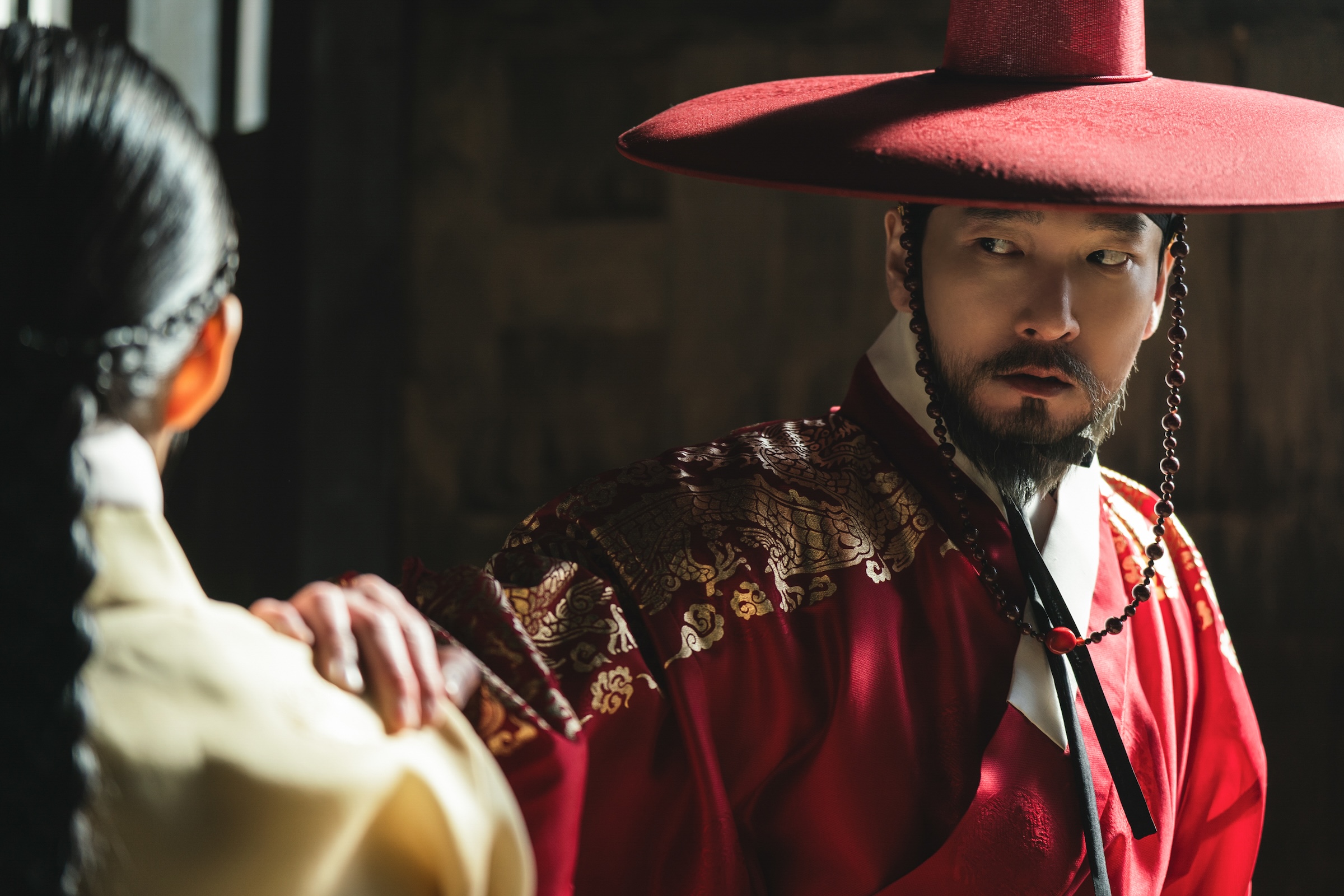
Much of the action in The East Palace occurs in the Realm of the Gwi, an The Upside Down-like mirror world where spirits dwell. Gu-cheon is able to physically enter the Realm of the Gwi to trap, fight, and vanquish the supernatural entities that are wreaking havoc on the mortal world. In an effort to distinguish the world of the gwi from the world of humans, Choi casts the mirror-world in an orange haze. While he says he was initially “quite intimidated” by the task of creating the realm, he saw it as “a fun challenge.”
Many directors rely on CGI to build otherworldly realms, but Choi notes that visual effects only took up about 20 to 30 percent of the final cut when it came to realizing the Realm of the Gwi. “I tried to do as much as I could with production design, so for instance, we would create one set for the real world and another for the Realm of Gwi,” he says. The on-screen result is a visually distinct world that still feels grounded in logic and consequence.
Who is the pond spirit?
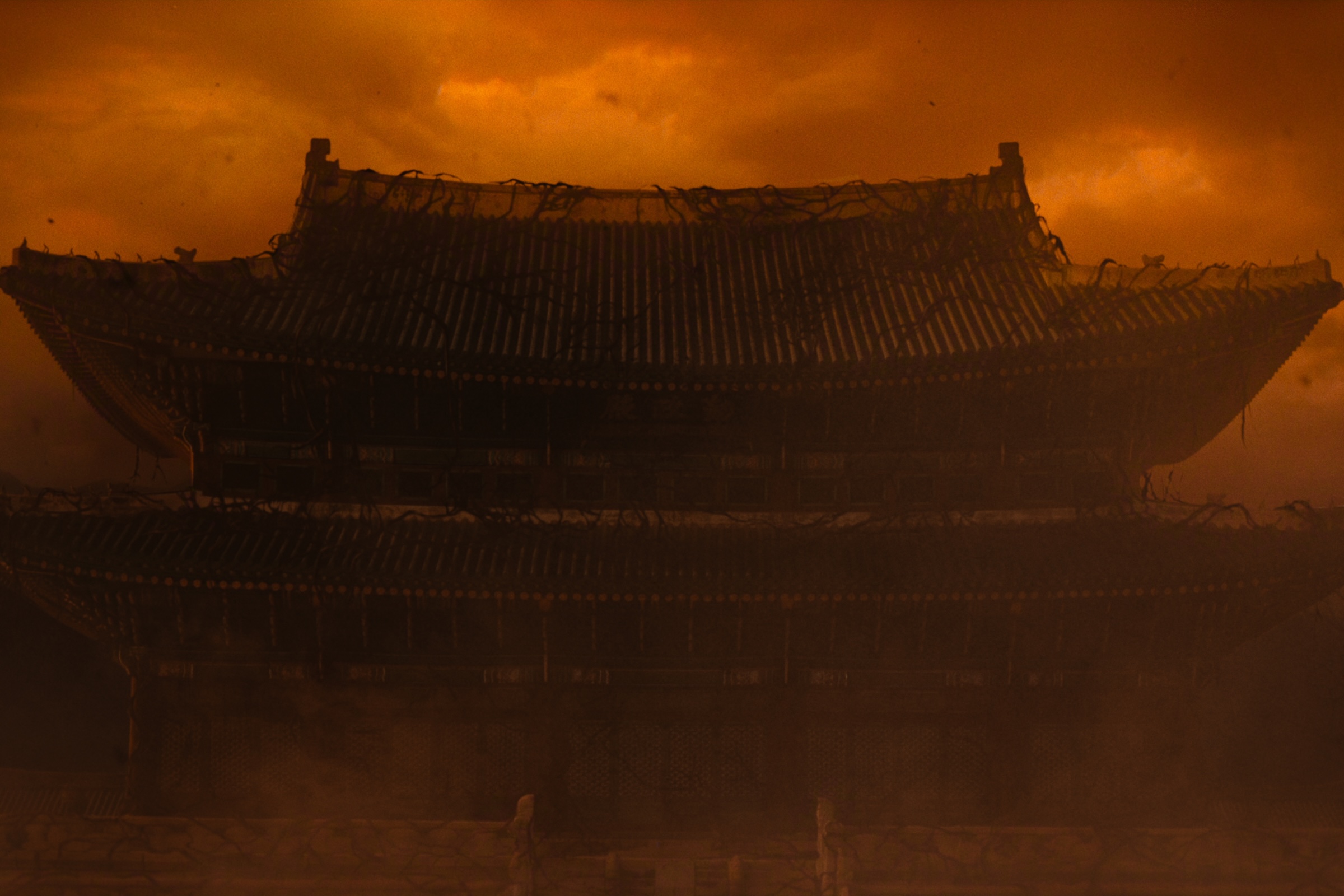
When The East Palace begins, the court assumes that the recent death of a crown prince is a result of the 30-year-old royal curse. When it began, a court lady favored by the then-king was executed for allegedly having an affair with and getting pregnant by a royal guard. The person who started that rumor is the present-day, extremely status-conscious Queen Dowager (Our Unwritten Seoul’s Jang Young-nam), who is furious at the idea her husband would make a lowly maid a concubine.
Before her death, the court lady vowed to seek revenge on the royal family for her own death and the death of her unborn child as a won-gwi. Shortly after, the royal princess began to die, leaving King Ju-sang as the then-king’s only living son and the next to rule.
Who really cursed the royal line?
The story of the royal curse was orchestrated by Lady Choi Suk-bin (Hwang Young-hee), the current king’s mother and Saeng-gang’s beloved grandmother. When Lady Choi witnessed the favored court lady’s execution-day vow, she saw her chance to ensure her son’s place on the throne. She poisoned his older brothers, born to the Queen Dowager, and framed the won-gwi of the favored court lady for the deaths.
Saeng-gang, who considers her grandmother one of the only people she can truly trust in the court, is devastated by the revelation, and by the knowledge that both her mother and father were aware of her grandmother’s actions. “[Her] grandmother had been her only source of support, and when that grandmother turns out to be not just a betrayer but, in a sense, the root cause of everything… I don’t think I could presume to measure what Saeng-gang felt,” Roh told Netflix. “It made me imagine just how far a person can [be corrupted], how far that collapse can go. And [adding to the shock, she finds out that] her mother had been right there beside the grandmother.”
Who killed Saeng-gang’s mother?
Saeng-gang’s mother didn’t just know of Lady Choi’s murders—she helped carry them out. As a court maid, she didn’t have much power to refuse Lady Choi’s demand. Eventually, Saeng-gang’s mother becomes King Ju-sang’s concubine and Saeng-gang is born.
Later, when Saeng-gang and her mother leave the palace to hide Saeng-gang’s spirit-hearing abilities, the mother is poisoned by treats sent from the palace. Though Saeng-gang suspects it is the work of the Queen Dowager, it was actually Saeng-gang’s own grandmother who poisoned Saeng-gang’s mother, ensuring that the concubine could never reveal the plot that put King Ju-sang in power.
Who is killing the princes?
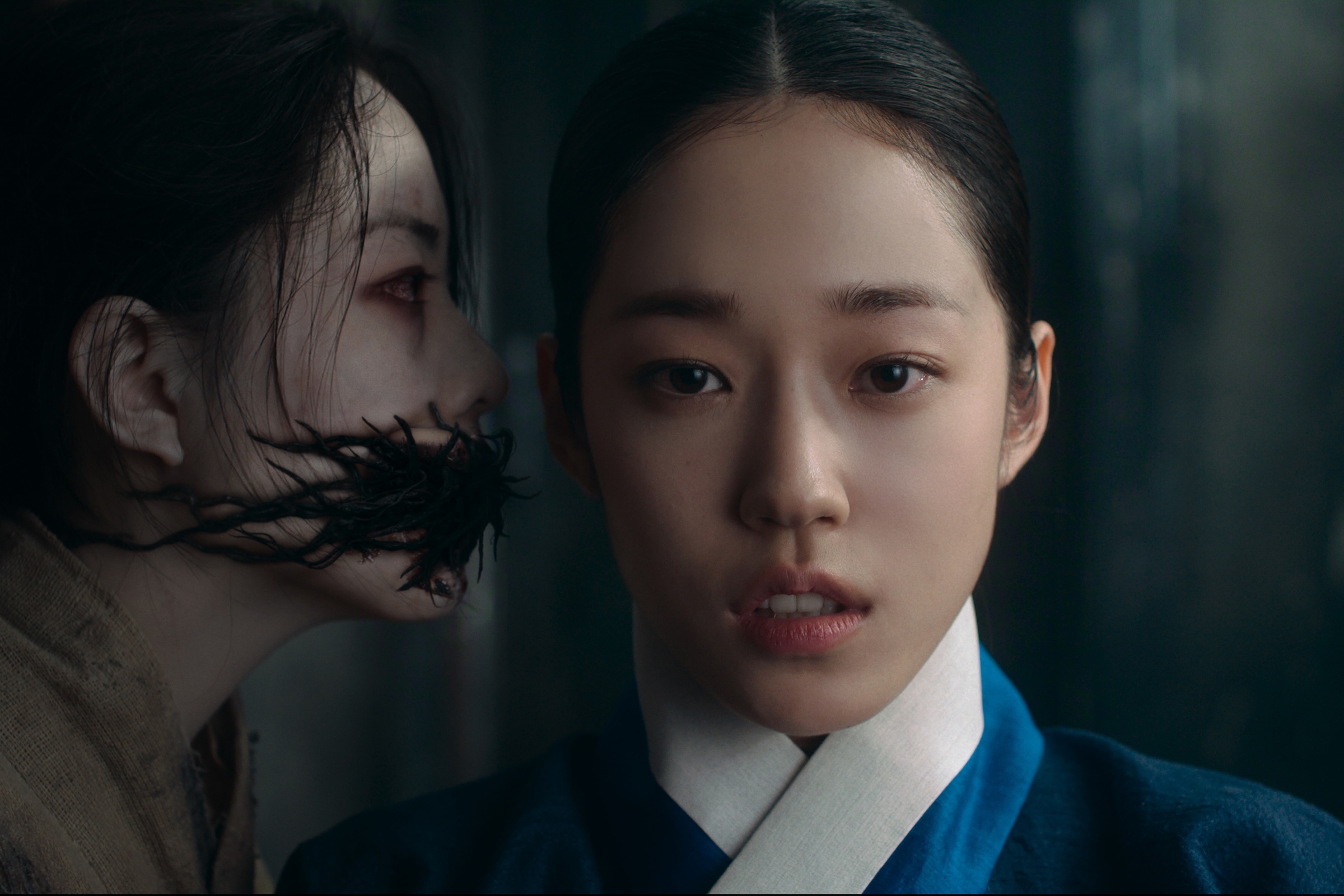
The East Palace begins with a funeral that sets many of the events of the series in motion. The Crown Prince (Kwak Dong-yeon), King Ju-sang’s adult son and the next in line for the throne, has died from yet another mysterious poisoning. This leaves the king with only one living son, Prince Yeongan, who quickly begins to show signs of mortal peril and also passes away mid-way through the series. When Gu-cheon and Saeng-gang slay the pond spirit and the “curse” continues, it becomes clear that someone or something else is behind the recent killings.
The late Crown Prince, whose death opens the series, is the one behind his younger brother’s death—and the deaths of his two older brothers, which predate the start of the series. The Crown Prince—who, like half-sister Saeng-gang and their father, can hear spirits—learns about how his father came to power. He is inspired to try the same thing, killing the brothers ahead of him in the line of succession.
When King Ju-sang learns of his own son’s actions, he kills him rather than let him inherit the throne. The Crown Prince becomes an ak-gwi, and sets about killing the rest of the royal line. Ironically, the actions of King Ju-sang and his mother had led to an actual royal curse. “Out of one person’s desire to put her own son on the throne, she set off that chain of incidents … and killed everyone,” Roh told Netflix. “So really, human greed was the origin of [this curse].”
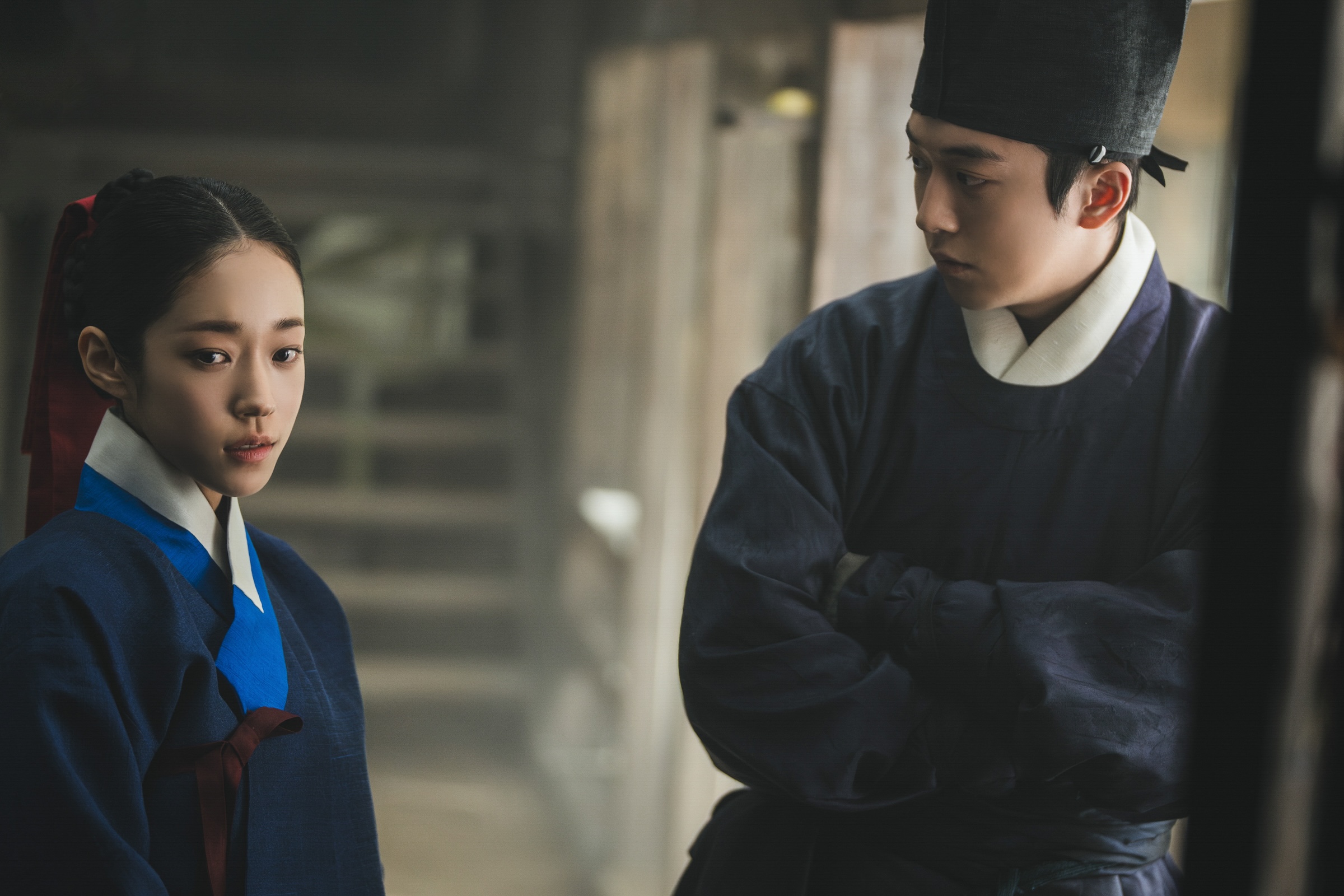
Gu-cheon takes down the Crown Prince
Heading into the series finale, a plague has infected the palace and the kingdom, powered by the fury of the slain Crown Prince and the won-gwi of a village King Ju-sang had slaughtered in an attempt to contain the plague. Gu-cheon must travel to the Realm of the Gwi in order to vanquish the ak-gwi that the Crown Prince has become once and for all. As Gu-cheon and Saeng-gang prepare for Gu-cheon’s trip to the mirror world, Saeng-gang hears a spirit proclaiming that Gu-cheon will die that night.
Desperate to keep Gu-cheon safe, Saeng-gang drugs him and goes into the Realm of the Gwi herself to face her half-brother. She almost succeeds in defeating him, but the Crown Prince gets the upper hand and Saeng-gang’s life hangs in the balance. Meanwhile, Gu-cheon has woken up from his drugged slumber and heads into the Realm of the Gwi. Fearing for Saeng-gang’s life, he makes a deal with the Primordial Gwi-mae: he will chain himself to the Realm of the Gwi in exchange for a weapon that can kill an ak-gwi.
“I thought the Primordial Gwi-mae was like the center of all the vicious things that happened,” Choi says. Gu-cheon meets the massive, faceless spirit-figure on the rocky shores of an eerie island. For Choi, the god-like creature is the source of the palace’s turmoil. “I thought deep down, under all the layers of all the gwi, maybe there's the Primordial Gwi-mae, which is like the root of all desires and darkness that humans possess. Because palaces are usually all about desires, darkness, and fights between people, I thought maybe because the Primordial Gwi-mae exists on the under layer of that place, and that's why we have the palace.”
The subsequent fight between Gu-cheon and the Crown Prince is the epic climax of the series, and took about seven days to film. “To show that there's a different kind of atmosphere to that clash, but since this is the very last action scene, I wanted to go the traditional way and make sure that it's a very direct and very intuitive type of action scene,” says Choi. The wuxia-style sword clash makes use of the gravity-defying logic of the Realm of the Gwi, with the Crown Prince and Gu-cheon flying through the air to meet again and again in the deconstructed rubble of the mirror courtyard.
Meanwhile, back in the mortal realm, King Ju-sang takes accountability for the slaughtering of the villagers in his own palace courtyard, speaking to the spirits he wronged. The gesture quashes the anger of the won-gwi that the Crown Prince has been using to increase his power, and allows Gu-cheon to get the upper hand. He drives his sword through the Crown Prince, and vanquishes his soul. The act makes Gu-cheon an ak-gwi, but he has made his peace with the choice.
Gu-cheon manages to bring Saeng-gang back to the mortal world, but collapses into a coma soon after. He is unconscious for days, but Saeng-gang doesn’t give up on him. Upon waking, King Ju-sang grants Gu-cheon freedom from the palace. Gu-cheon and Saeng-gang leave together, with their ggeomeoksali friend by their side. Though Saeng-gang cannot see it, Gu-cheon is still chained to the Realm of the Gwi following his deal with the Primorial Gwi-mae. But, for now, he can roam the mortal world.
“[Since] Saeng-gang isn’t chained, maybe only [Gu-cheon] will get dragged back one day?” Nam posed in an interview with Netflix. “But the three of us are a set,” Roh added, “so [if we do, we’d] all get dragged along together.” For now, however, they could probably all use a break from adventuring.
Choi, who wanted to “leave a little bit of hope at the very end” of the series, would be open to revisiting this world, should the opportunity exist. “I still think nothing much has changed at the palace,” he says. “We've eliminated the risks, but, you know, the king's still there.”