RSS Feeds
Ex-Epoch Times CFO pleads guilty in $67 million money laundering scheme
Mahmood’s cutting of protections for UK-France ‘one in, one out’ asylum deal ruled unlawful
Asylum seekers win ruling against home secretary’s reduction of safeguards for potential victims of trafficking
The home secretary’s decision to reduce protections for potential trafficking victims being considered for removal under the “one in, one out” asylum deal was unlawful, a high court judge has ruled.
The legal challenge was brought by five small-boat asylum seekers selected for being returned to France – four from Eritrea and one from Sudan. It related to a change in guidance on the one in, one out scheme, which meant that those denied trafficking protections no longer had the right to ask for it to be reconsidered.
Continue reading...A New Experiential Gallery Just Might Change Your Mind About AI Art
The 15 Best Pool Accessories to Upgrade Your Summer (2026)
'People don't realise how at risk they are': A day with an ambulance service in a heatwave
Как ИИ изменил разработку в Content AI: от эксперимента к новой реальности

Года полтора назад мы бы удивились, если бы услышали, что к лету 2026 разработчики начнут регулярно использовать ИИ-инструменты, тестировщики — автоматизировать с их помощью часть своей работы, а продакт-менеджеры — приносить на обсуждение первые (работающие!) прототипы, созданные с помощью ИИ. Но примерно так все и получилось.
Это третья статья из цикла про внедрение ИИ в процессы разработки Content AI. В первых двух мы рассказали, как собрали ИИ-ревьюер кода за три дня и как научили ИИ писать код по нашим правилам. А теперь расскажем, что изменилось в работе всей команды разработки за полгода активного использования ИИ-инструментов. В этой статье мы не рассказываем о конкретных моделях или внутренней инфраструктуре. Нас интересует другое — как меняются роли людей и процессы разработки.
Читать далееМобильные игры по лицензии бренда — как это работает

Привет, Хабр! Меня зовут Алексей Козьяков, я руководитель диджитал-отдела СТС Медиа. В этой статье расскажу про лицензирование мобильных игр и про то, чем оно вообще полезно, как всё работает в мире мобильных игр по лицензии популярного бренда — от идеи до попадания в топ магазинов приложений. Разберём, как устроен бизнес, какие есть модели заработка и многое другое. Бонусом — чеклист для разработчиков игр, которые хотят сотрудничать с владельцем интеллектуальной собственности и сделать игру по лицензии.
Для наглядности — на живом примере, обсудим в этом плане наш проект «Три кота».
Что такое лицензирование мобильной игры
Лицензия по общим правилам — это право использовать чужой бренд, персонажей, общий визуальный стиль, вселенную или IP (именно эту аббревиатуру я буду использовать далее) в целом. Причём речь может идти не о полноценном создании игры, а просто о включении персонажей в какое-то внутриигровое событие другой популярной игры. Например, выходит вот скоро новый GTA — и там может оказаться миссия, в которой надо что-то сделать с нашими котами.
А ещё лицензирование — это не просто использование чужого раскрученного бренда с целью получить кучу поискового трафика и быстро заработать. Это ещё и история, в которой вы делаете игру в стилистике этого бренда, даже в его философии, плюс сюжет игры должен соответствовать идее мультфильма. На самом деле, это очень сложная и кропотливая работа, итогом которой становится крутой продукт, дополняющий контент, так полюбившийся детям. Именно этим, кстати, вызван довольно высокий retention игр по мультикам — ребёнок как будто играет в свой любимый мультфильм, взаимодействует с персонажами, управляет ими.
Читать далееMoscow Still Has Art and Culture. Just Don’t Say ‘Ukraine.’
Как Windows 11 будет работать на ПК из 2000 года

Повышение стоимости компонентов приводит к тому, что все больше пользователей задумывается о том, можно ли купить более слабое железо и не потерять в производительности. Иногда интерес заходит так далеко, что в ход идут даже раритеты с антресоли, которые давно пора было сдать в музей. Самый интересный пример такого ретро-апгрейда — Windows 11, которую запустили на ПК с DDR1, которая вышла в 2000 году.
Читать далееWhy neighbor feuds bring out the absolute worst in us

I consider myself to be a considerate, level-headed, and rational person in public — I ensure my grocery cart doesn’t block fellow shoppers and keep my eyes on the road when a souped-up F250 driver flips me off for going the speed limit.
But when I arrive back at my apartment complex to find a strange car parked in my reserved, shaded space that I pay a hefty monthly fee for — which happens often — any semblance of emotional maturity goes out the window. In the rare instances I catch the culprit, I resort to my reactive, hormonally turbulent pre-teen self, spewing profanities at them (which they’ll sometimes hurl back). I have also expeditiously called a tow company, knowing full well it’ll cost the owner hundreds of dollars to retrieve their vehicle.
Deep down, I know that my blinding rage isn’t really about my ability to park at all (I could simply leave my car in an unreserved spot and move on with my life). There’s something a lot deeper and more psychological brewing when it comes to neighbor feuds. “Where we live is where we form our identity, the story we tell ourselves about who we are,” Bob Bordone, author of the book Conflict Resilience: Negotiating Disagreement Without Giving Up or Giving In and former director for the Harvard Negotiation and Mediation Clinical Program, tells Vox. “A lot of times, neighbor conflicts are about more than whatever it is we may be disagreeing on.”
Here’s exactly why neighbor feuds tend to bring out the worst in us — and what you can do if you feel like you’re going to completely explode on the person across the street.
Surface-level tiffs have deeper roots, and are often about our sense of identity and morality
Americans are, at a baseline, fairly suspicious of others, and things have gotten worse over time: The number of adults in the US who believe “most people can be trusted” dipped from 46% in 1972 to 34% in 2018, according to numbers from the General Social Survey from Pew Research Center. Pew also notes that people who do trust others are more likely to engage in neighborly tasks that facilitate relationships, like bringing in the mail or watering plants.
The pandemic also shifted the way we view strangers, with some data suggesting it caused us to be less trusting of others. And the presence of Ring cameras and other doorbell cams, which 62 percent of respondents in a 2025 US News & World Report survey said they owned, probably aren’t helping. As Allie Volpe recently reported for Vox, though the surveillance tools are designed to help people feel safer in their homes, they might make you more paranoid and fearful. “If you don’t have actual relationships with your neighbors, you may become suspicious of them, too. Suddenly, everyone is a potential suspect,” she explained.
But that mounting distrust really starts with the political and societal polarization that has become a defining characteristic of interpersonal relationships in the US in the past decade — and that has the potential to take neighbor disputes into a realm far beyond fears about property values. “Maybe someone doesn’t like the fact that their neighbor puts up a Trump sign or [shows visible] support for Palestine,” Robert Sampson, a professor of sociology at Harvard University, tells Vox. “These more identity-based and social norm-based disputes are real, and that may be related to this generalized polarization in American life, but also a decline in trust in general.” Some research suggests that, when people perceive their communities to be more polarized, they feel others can’t “be trusted to do the right thing.” That belief is going to affect whether and how you interact with, say, the person who is leaving their trash in the hallway.
Your home is also your place of respite, Saba Harouni Lurie, a therapist and founder of Take Root Therapy in Los Angeles, tells Vox — it’s where you “seek safety and calm.” So when your next-door neighbor throws a Tuesday night shindig that creeps into Wednesday morning, it might seem like a personal attack.
“It feels violating,” she explains. “I also believe that we’re animals and that we resource-guard. That can be really threatening.” And when said neighbor is blasting a music genre you hate, and proudly flying a flag representing a political cause you don’t agree with, and you can barely afford your rent or mortgage (as is the case with so many Americans), the chance for blood-curdling fury skyrockets.
Cass Dallas, a psychotherapist and founder of Cass Dallas Psychotherapy & Training, tells Vox that the common stressors of life in 2026 can make these interactions a lot more tense and complicated. “I think we are all working very hard to stay afloat and take care of ourselves in challenging times, which makes us more tired and have less energy for managing relationships,” they explain. “We don’t have a lot of control, if any, over who our neighbors are, or necessarily a lot in common with them on the surface.”
Neighbor relationships aren’t a priority
I don’t know a damn single one of my neighbors. Marc J. Dunkelman, senior fellow at the Searchlight Institute, fellow at the Watson School for International and Public Affairs at Brown University and author of Why Nothing Works, tells Vox that I’m (unfortunately) in good company. He says people don’t necessarily want those relationships to go wrong, but we’re not invested enough in them going right, either. “Maybe your neighbor would be more on your mind when you were like, ‘I would like to vacuum late at night,’ and you wouldn’t do it if you knew the people who lived below you,” he explains. “And if you knew and appreciated the person who lived above you, maybe you would be more cognizant that they work 70 hours a week and the only time they can vacuum is late at night.”
He adds that it’s become common to associate“good” neighborly behavior with minding your own business. “The definition of the word neighborly has evolved. Decades ago, it meant warmth. It meant bringing over a plate of cookies when someone moves in next door and introducing yourself,” Dunkelman says. “Today, to be neighborly means when you overhear something through the walls, you don’t mention it to the person when you see them…It’s like a sense of alienation to be neighborly by not imposing yourself in someone’s business.”
Smartphones are messing with our empathy
When I scroll through TikTok, it doesn’t take long to find content that validates my anger toward parking spot thieves — and I can recognize that my own inclination to call a tow company might have spawned from the belief that a lot of other angry renters do the same. Spats of any kind (neighbor ones included) tend to go gangbusters on algorithmic platforms, feeding into our craving to “Karenize” (a term I just made up, for the record) others. Humans crave seeing trainwrecks, taking sides, and watching the (so-called) villain lose, research suggests.
As Bordone points out, social feeds are a perfect, algorithm-driven curation of your personal preferences. But once you leave the house, you lose control. He says that, “with social media, we can cancel away or otherwise block people we don’t like or agree with.” Obviously, you can’t just block your neighbor mid-dispute like you would do to someone online. That realization alone could make you feel trapped (and make beef with them all the more high-stakes).
“If you come home from a day where you were being badgered by your boss and you missed a deadline and you slept poorly the night before, and maybe you’re hungry, and then [your neighbor is] vacuuming, you’re likely to have a far greater reaction,” Lurie explains.
As I recently reported for Vox, getting to know your neighbors — even just being aware of who they are — can boost your health, and theirs, considerably. These relationships have power and meaning, so it’d behoove you both to handle a tense situation tenderly. “I know this may sound really naive, but it’s actually evidence-based to pause and to breathe,” Bordone stresses, explaining that it can give your mind a chance to catch up with your body’s fight-or-flight response so you can “do something purposeful instead of reactive.”
Lurie warns against slipping a little note under their door — words can easily be misinterpreted, and it’s hard to convey tone. “When we’re face-to-face with someone, we tend to be more thoughtful, more aware of the way that they’re responding and maybe better able to actually speak to them with some care and kindness,” Lurie says. You might say something like, “Hi there! I live downstairs and I just wanted to come by and introduce myself! I also wanted to mention that, you probably don’t realize it, but when you vacuum, I can hear it right above my bed. I work an early schedule, so it can make it difficult to sleep if you do it late at night. I was wondering if there was a time that might work best for both of us, for you to do your chores? I know you work odd hours, too!”
It’s worth noting, however, that the best way to avoid these situations is to proactively get to know who lives next to you before there is a problem — trying to change a pissed-off neighbor’s mind could be a losing battle, says Lurie.
While having empathy for strangers in your community might feel easier said than done, consider my personal parking space warfare. A while back, my 73-year-old mom came to stay with me. The next morning, when helping her with her luggage to her car, I realized she had unwittingly parked in a reserved spot, belonging to a neighbor I recognized.
Thankfully, they had enough empathy for my mom (and me) not to call a tow truck.
Прозрачный TOR-шлюз, который вы заслужили
Инфраструктурная дисциплина для тех, кто устал настраивать прокси на каждом устройстве
Вы когда-нибудь задумывались, почему в 2026 году, чтобы зайти на заблокированный сайт, нужно:
Купить VPS
Настроить VPN
Включить VPN на каждом устройстве
Выключать VPN для российских сервисов
Повторить для всех членов семьи
Это не архитектура. Это бардак.
Читать далееКак научить LLM-агента спрашивать Яндекс Метрику: разбираем протокол MCP и OAuth-авторизацию без секрета

Веб-аналитика живёт за дашбордами и HTTP-API: чтобы узнать, откуда пришёл трафик за неделю, человек лезет в интерфейс Метрики, а программа — собирает запрос к Reporting API и держит в голове namespace полей, лимиты и форматы ответа. LLM-агент (Claude, модель в Cursor, любой другой) по умолчанию не умеет ни того, ни другого.
Мостом между агентом и внешней системой служит MCP — Model Context Protocol. Разбираю, как устроен MCP-сервер для Яндекс.Метрики: как уложить отчёты в небольшой набор инструментов, как авторизоваться в Yandex ID без клиентского секрета (это оказалось самым неочевидным) и на какие грабли Reporting API я наступил по дороге.
Как это устроеноDeadly Factory Fire Highlights Dangers of China’s Manufacturing Might
Tour de France 2026: Tim Merlier powers to stage seven victory after Bordeaux sprint – live
Updates from the flat 175.1km stage from Hagetmau
Stage-by-stage guide | Stage six report | Mail Luke
There are six stages categorised as “flat” on the official route guide. Stage 21 in Paris may not quite count for the pure sprinters because of the three ascents of the Côte de la Butte Montmartre towards the end … long story short, the sprinters’ teams cannot afford to mess this up today. If a breakaway was allowed to succeed, the atmosphere would be frosty at dinner tonight for those teams.
Here we go then. The riders are out on the road and have another 3.5km or so until the flag drops. We should see a very decent scrap to form the breakaway.
Continue reading...England advised to avoid alcohol around matches after off-field incidents
UK Treasury must change disciplinary process after worker’s suicide, mother says
Chloe Moffat, 26, killed herself day after meeting about anonymous complaint in which she was not allowed to bring a colleague
The mother of a young woman who took her own life after facing disciplinary proceedings at the Treasury has called on the government department to change its practices.
Chloe Moffat, 26, had worked at the Treasury as a personal assistant for almost three years. She “loved her job” and had an “exemplary employment record”, the coroner at her inquest heard this week.
Continue reading...Alarm over launch of facial recognition in UK shops that instantly alerts police
Civil liberties groups say Facewatch system in stores such as Sainsbury’s and B&M is ‘dangerous escalation’
Facial recognition technology in shops will soon alert police in real time to the presence of serious offenders, with civil liberties groups warning of a “dangerous escalation” towards surveillance and criminalisation in the retail sector.
Facewatch, a facial recognition system used by more than 100 businesses including Sainsbury’s, B&M and Spar to monitor thieves, said it was launching a UK-first feature to “alert police instantly when the most serious offenders trigger a live facial recognition match”.
Continue reading...Andy Burnham (Almost) Wins
How American Socialism Changed, and Stormed the Democratic Party
How Trump Is Trying to Tip the Scales for the Midterms, and Why Grocery Stores Are Scrambling
How cows are helping one of Britain's rarest butterflies
Homecoming parade channels art and power of Rome for Fendi
Maria Grazia Chiuri returns to city of birth with haute couture inspired by kimono shapes and draping the body
“This is a cultural problem, and a political problem,” said Maria Grazia Chiuri before her first haute couture catwalk show for Fendi.
The problem, as the designer sees it, is Italy’s unwillingness to acknowledge fashion’s role in culture by giving it space in museums. To challenge this, Chiuri has bookended her Rome catwalk event with two fashion exhibitions in the city.
Continue reading...Conor McGregor is back, but the sensation who changed the UFC is long gone
Five years after his last fight, the Irishman returns to the octagon. His comeback says as much about the UFC’s appetite for its fallen star as it does about McGregor himself
These days Conor McGregor resembles an ace fighter the way a movie set depicts real life. Passing similarities are obvious but anything more than a quick, squinty glance reveals they are not the same.
For the 37-year-old Irishman, the line between genius athlete and performance artist was already blurred by the time he found himself destroyed in front of Dustin Poirier five years ago, yelping foul-mouthed barbs in the painful aftermath of his fourth stoppage loss in seven fights.
Continue reading...Count Binface alone can‘t clean up British politics. MPs now have that chance, and they must seize it | Stella Creasy
Amid the allegations about dark money and funding, I have a solution: limit all single donations in a year – from any individual – to £100,000
It is sobering that Count Binface’s potential victory in the Clacton byelection seems be one of the few ways we can restore any confidence in the integrity of British political decision-making. Faced with questions about the millions he has raked in before and since being elected, Nigel Farage chose to face a byelection rather than face the standards procedures in parliament. Yet we cannot continue to rely on a man with a bin on his head to stop the toxic rot in our politics feeding off the public’s concern that donations drive our decision-making. With the next election on the horizon, the eye-watering sums involved compel us to tackle the capacity of the largest wallets to be the loudest voices, or risk them overwhelming our democracy altogether.
The allegation that money buys you a mouthpiece is not new, or without precedent. Controversies over donors across the political spectrum – whether Bernie Ecclestone, Mohamed Amersi, Paul Marshall or Lubov Chernukhin – have dogged Westminster for decades. Campaigns such as Clean up Westminster have long pushed for stronger safeguards. Yet it is also true the scale of funds now pouring into our politics is fundamentally different. Research by Transparency International shows the share of private political donations coming from individuals and companies giving £1m or more has surged from just 1% in 2015 to 35% in 2024.
Continue reading...Why was the pundit class so quick to defend Graham Platner? | Moira Donegan
To some of Platner’s most influential backers his swaggering, reckless and casually brutish masculinity was understood not as a liability, but as a virtue
Graham Platner was accused of rape on Monday, and it quickly became clear that he will never be a United States senator. After days of delay, he finally suspended his campaign in a long and grievance-filled video on Wednesday night. The prospect of his victory was doubtful even before Monday, when a woman he once dated, Jenny Racicot, went on the record to Politico alleging that in 2021, a very drunk Platner let himself into her house, when she had told him not to come over. Racicot says she realized he was there when she heard strange noises; then, she says he raped her, forcing intercourse without a condom while she repeatedly told him no.
Politico reported that it reviewed emails between Racicot and her therapist about the alleged encounter. The outlet also interviewed a boyfriend Racicot later confided in about the alleged incident, and reviewed messages she shared with another woman warning her away from Platner, long before the start of his political career. Platner denies wrongdoing, saying: “Any accusation of non-consensual behavior is categorically untrue.” But he put out a video saying that he would “reflect on the best path forward” for his campaign. Since Platner may have known about the inevitability of this accusation becoming public, one wonders if the best time for such reflection might have been several months ago, when Maine voters still had the chance to select a more worthy and more viable candidate.
Continue reading...‘What’s more American than baseball?’: World Cup brings fans, chants and verve to the national pastime
The crossover in the American sports calendar has made for a compelling collision of cultures, from Scots in Boston to a new English folk hero in Atlanta
First they sang for Harry Kane. Then they sang for Michael Harris II.
The Atlanta Braves center-fielder is not someone many Major League Baseball fans would consider a household name. A local kid made good, he has established himself as an above-average, everyday outfielder and at age 25 is enjoying a career-best season, but his face doesn’t dominate billboards and ads in the way of Shohei Ohtani or Aaron Judge.
Continue reading...It’s not me, it’s them: Platner goes down snarling with graceless exit video
The populist Democrat nominee for Senate in Maine bowed to the inevitable but turned his farewell into a pity party
“Always give your best, never get discouraged, never be petty. Always remember, others may hate you, but those who hate you don’t win unless you hate them, and then you destroy yourself.”
These were the parting words of Richard Nixon after he was forced to resign the presidency over the Watergate imbroglio in 1974. For Graham Platner on Wednesday, the stakes were somewhat smaller. But when it came to suspending his Senate campaign in Maine, the Democrat had plenty of hate to go around.
Continue reading...EU accuses Meta of failing to tackle mental health risks of ‘addictive design’
Regulators say Facebook and Instagram features such as autoplay and infinite scroll contribute to ‘compulsive use’
EU regulators have accused Meta, the company behind Facebook and Instagram, of failing to tackle the risks of its “addictive design” on the physical and mental health of users.
In an official charge sheet against Meta released on Friday, the European Commission said features such as video autoplay and infinite scroll, which provides an endless stream of content, “shift the brain into autopilot mode, contributing to unhealthy habits and compulsive use”.
Continue reading...ТОП-24 нейросетей для создания изображений и фото: бесплатные и платные генераторы картинок в 2026 году

В 2026 году нейросеть генерирует фото по описанию за пару секунд — и этого хватает почти для многих рабочих задач. Мы провели тест через популярные и и не очень генераторы изображений. Всё, что устарело или не актуально сейчас — отсеяли. В обзоре осталось только то, что реально работает и популярно.
Ниже представлен обзор графических ИИ: вы узнаете, какая именно нейросеть генерирует реалистичные фото коммерческого уровня, а какой инструмент ориентирован исключительно на создание иллюстраций или артов. Мы разберем, где доступна бесплатная нейрофотосессия с сохранением уникальных черт лица, а где лучше не делать стилизованные портреты.
Читать далееПять новых решений для 1С: дубли, загрузка данных, интеграции и ИИ

В июньскую подборку Маркетплейса Инфостарта вошли решения для задач, которые регулярно возникают при сопровождении 1С: поиск дублей, массовая замена данных, загрузка Excel и CSV, интеграция с внешней площадкой и автоматизация производственных расчетов.
Ниже - краткий обзор пяти инструментов и сценариев, в которых они могут пригодиться...
Читать далееHow the Iran War Worsens the Climate Crisis
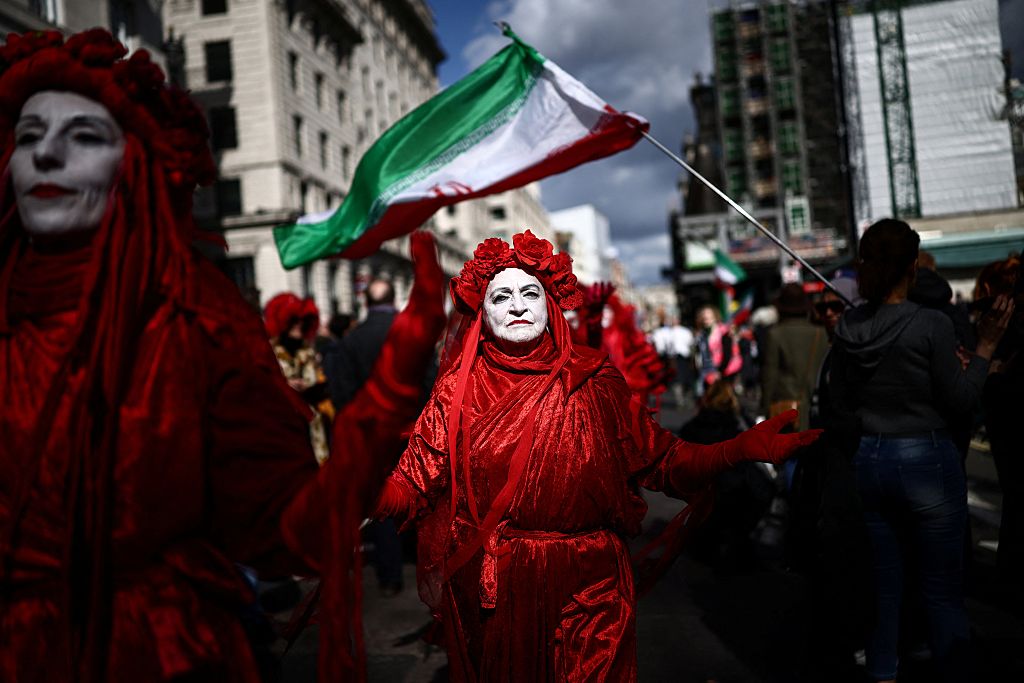
On Wednesday, President Donald Trump told reporters at the NATO summit in Ankara that the initial agreement to end the war between the United States and Iran—which had largely halted the hostilities—was “over.” Washington and Tehran have traded military strikes over the past two days.
Fears of a reignited conflict are rising, even as the true cost of war is only beginning to be tallied. Alongside the thousands of deaths, the destruction of infrastructure, and the global economic costs, the war is exacerbating existing climate vulnerabilities and exposing the people of the region to an increasingly dangerous and nearly uninhabitable reality.
A combination of conflict and climate change has most acutely affected Iran and the broader Middle East and North Africa. Water is rationed, temperatures are breaking records, and droughts have been increasingly severe. Temperatures in the region are expected to rise by twice the global average during the 21st century. Syria, Libya, and Yemen have already endured civil wars and protracted humanitarian crises. Climate change and conflict share a complex, multidimensional relationship, each capable of exacerbating the other.
Iran war and climate crisis
The war with Iran has reinforced this threat-multiplying dynamic, displacing millions throughout Iran and Lebanon. On Mar. 7, Iran accused the U.S. of attacking a desalination plant on Qeshm Island in the southern province of Hormozgan, near the Strait of Hormuz. Iranian Foreign Minister Abbas Araghchi claimed the attack had disrupted the water supply for 30 villages.
The very next day, Bahrain accused Iran of firing a drone that damaged a desalination plant—a facility absolutely critical to the tiny Gulf state for converting seawater into drinking water. Around the same time, the United Arab Emirates reported an attack on the Fujairah F1 power and water plant. Iran, meanwhile, claimed that two water reservoirs were damaged and thousands of people lost access to drinking water following American strikes on the southern Iranian towns of Jask and Sirik in early June.
Desalination meets more than two-thirds of total water demand in some countries in the Middle East and North Africa, a region under extreme climate change-induced water stress. And such attacks are not merely tactics of war, but the brutal intersection of the logic of war and the logic of climate vulnerability.
Scholarly research demonstrates that water scarcity induced by climate change and conflict exacerbates security vulnerabilities across the Middle East and North Africa, a dynamic that has fueled increased conflict, fragility, and violence in the past. Water resources in the region were already critically strained before the war; Gulf states, Iran, and Iraq had experienced some of the worst climate-induced droughts on record.
Beyond targeted attacks on desalination plants, strikes against civilian and industrial infrastructure since war started—including strikes on oil facilities and chemical plants—have polluted the region’s already fragile waterways. As World Health Organization Director-General Tedros Adhanom Ghebreyesus has warned, attacks on petroleum facilities in Iran at the outset of the war, including those targeting the Shahran oil depot and the Shahr-e Rey refinery in Tehran, risked “contaminating food, water, and air,” with potentially severe health consequences for children and the elderly.
The conflict is also deepening these vulnerabilities by diverting governments’ attention, capacity, and funding away from the climate resilience and adaptation investments their populations urgently need. The war has caused at least $58 billion in damage to energy infrastructure across the Gulf, and slashed tourism revenues by around $600 million a day since hostilities began. The result is regional governments left with fewer resources to adapt to the worsening climate crisis, including efforts to combat water scarcity.
All this is unfolding during the “great aid recession,” with eight of the ten largest humanitarian donors having cut funding since 2022. The result is populations ever more vulnerable to tensions over water, energy, and food access, tensions that risk stoking displacement, particularly among the more vulnerable groups: refugees, farmers, and women.
Wars and greenhouse gases
The greenhouse gas emissions generated by the war add yet another dimension to an already grave situation. The conflict’s military activity is compounding the medium and long-term climate pressures already bearing down on the region. Estimates suggest that in its first two weeks alone, the war produced five million tons of CO2 emissions, more than the combined annual emissions of 84 countries.
The sources are varied: the destruction of homes and buildings, the burning of fuel reserves, the fuel consumed in combat operations, the embodied carbon of military equipment, and the production and use of missiles and drones. And eventual post-war reconstruction efforts will further add to the emissions.
Even after the war ends, experts expect military spending to rise, driven by an increasingly volatile geopolitical landscape. Higher military spending means higher military emissions. The White House’s $1.5 trillion Pentagon budget request, submitted weeks after the war began, would generate an estimated 267 megatons of carbon pollution. All of this imposes a double burden on the climate crisis: more emissions and less investment available for the transition to renewables or the adaptation of societies to effects of climate change they already face.
A durable end to the war remains an urgent priority, but the risks do not end there. Climate change will continue to exacerbate conflict long after the guns fall silent, with profound implications for human security, national stability, and international peace.
The conflict deepens these implications on three fronts: the targeting of desalination plants and the disruption of clean water access are pushing an already water-scarce region closer to the edge; governments are redirecting resources away from necessary investments in adaptation and resilience; and the conflict’s CO2 emissions are amplifying the very climate pressures driving that scarcity.
The combined pressures of war and climate are already reshaping the movement of people across the region. Thousands of migrant workers from South Asia returned home following the outbreak of war, affecting the role of remittances in their local economies. Still, the majority of workers in the Gulf countries have chosen to stay given the absence of better economic opportunities in their homelands.
The region was already home to 24.3 million forcibly displaced people before the war began. According to the United Nations refugee agency, an additional 3.2 million people have since been internally displaced in Iran and more than one million in Lebanon. The conflict is yet another stark example of how the logic of war is increasingly colliding with the logic of climate vulnerability—a collision that persists despite the continued denial of climate reality by some of the world’s most powerful leaders.
Understanding this dynamic can help us better grasp why desalination plants in Iran and Bahrain or cultivated land in Lebanon are becoming ever more common targets of military strategy. In a region where climate change has already strained access to critical resources for millions, every day that the conflict remains unresolved is another day the people of the region must confront threats to their very survival.
Political Candidates Have An Opening on Clean Energy
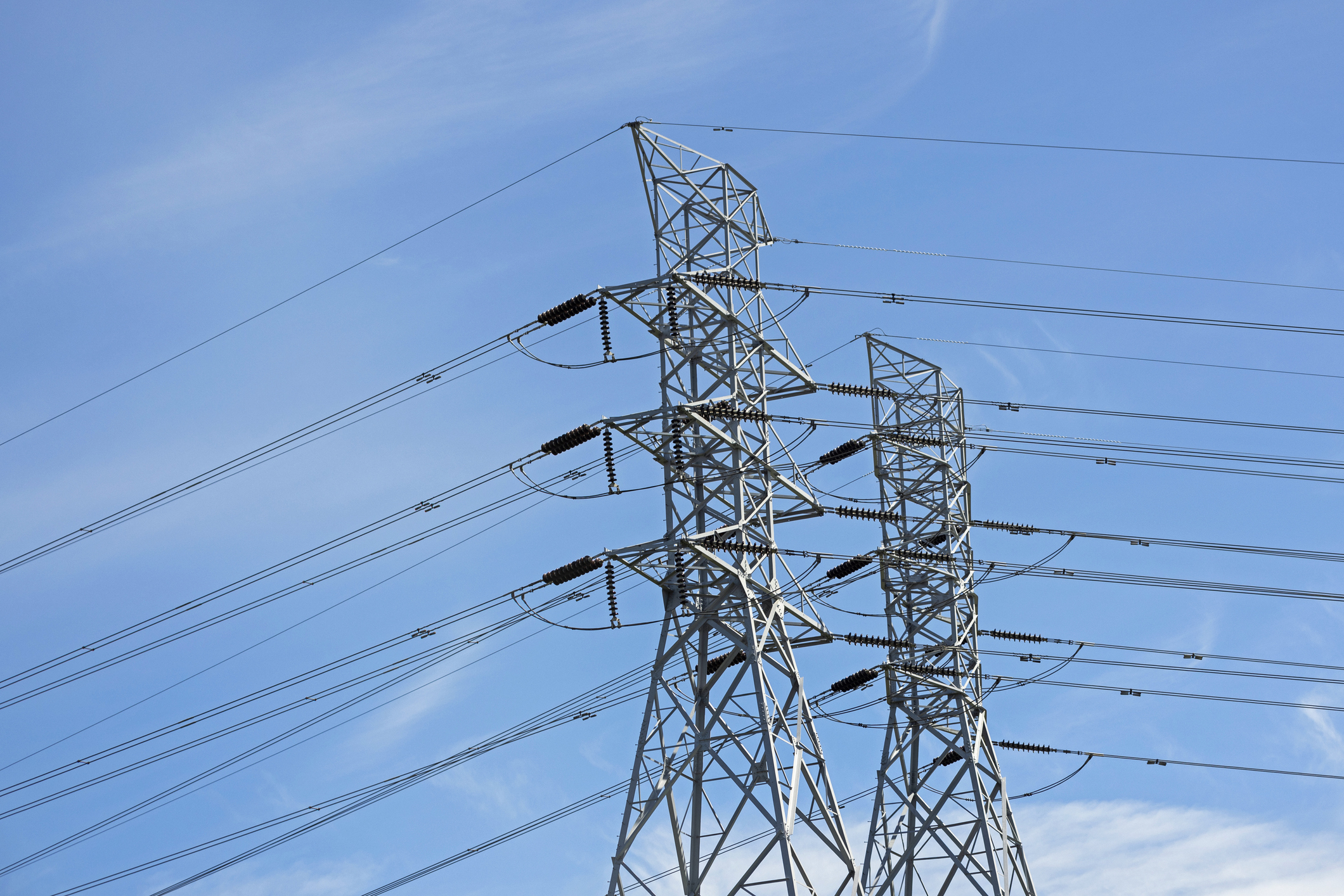
It’s 2026, gas prices are still too high, and oil executives are warning the White House that costps could get worse before they get better. The Trump Administration is taking note.
And if the Democrats want to win in November they will need to stop talking like policy wonks and start talking like consumers.
Environmentalists love to talk about climate targets, emissions pathways, and the latest technologies, but voters are thinking about something simpler: the utility bill on the kitchen counter, the price at the pump, and whether the lights are going to stay on in a summer heat wave.
President Donald Trump and his allies have been hindering our country’s energy resources for the last year and a half. They are paying off companies to stop them from building new energy supplies. Last month, the Interior Department paid TotalEnergies $1 billion to walk away from two offshore wind leases off the coast of New York and North Carolina, projects that would have powered nearly one million homes. Seven states recently sued the Trump Administration over this decision.
While the Administration pays companies to cancel new power generation, it forces ratepayers to subsidize older, costlier coal plants that should have been retired years ago. The Department of Energy has ordered six aging plants to stay online past their planned retirement. One plant in Michigan racked up over $180 million in costs, over $600,000 every single day the plant is forced to remain open, passed on to customers across 11 states, and an independent analysis found the full program could cost ratepayers nationwide between $3 billion and $6 billion each year. Three of the five forced-open coal plants are not even producing electricity. Voters are paying for aging, dirty and unreliable coal plants that often aren’t even running or working.
What has the Trump Administration done for voters? Household electricity bills in Pennsylvania, the country's second-largest natural gas producer, have climbed 31% since 2020, faster than the national average. Nearly one in four Pennsylvanians say they struggled to pay an energy bill in 2024. One woman in West Virginia took out a loan this winter to cover an electric bill bigger than her paycheck. U.S. power consumption hit record highs this year and is forecast to keep climbing as data center demand accelerates.
Voters are taking notice. Our polling in battleground districts found that 70% oppose the actions Trump and his allies have taken on energy, 69% oppose canceling wind and solar projects, and 69% oppose new rules to make renewable energy harder to build. By a two-to-one margin, voters prefer new clean energy to new fossil fuel sources to meet rising demand. Even a third of Republicans agree.
For Democrats, the winning message is not complicated. Americans want more energy of all kinds, delivered fast, at lower cost, on a reliable grid that can handle a hotter climate, a more electrified economy, and rising demand from technologies like AI.
The candidate who says, “I'm for building more power and bringing your costs down,” is on much stronger ground than the candidate who sounds like they are refereeing an ideological fight between students in a Harvard seminar.
There are three things every Democratic candidate should be saying out loud between now and November.
First, call it out: MAGA Republicans are responsible for raising your electric bill. The federal government is paying companies not to build new supply, forcing aging coal plants to keep running, and gutting the tax credits that bring new energy generation online faster and cheaper.
Second, talk about getting results quickly. The new gas plants MAGA Republicans want will take the better part of a decade to permit, finance, and bring online. With AI usage soaring, that’s not fast enough. A utility-scale solar and storage project can be permitted, built, and delivering power in three years. Candidates can lower voters’ bills by committing to cutting permitting timelines, fixing transmission queues, and getting new generation connected to the grid.
Five years after Winter Storm Uri exposed the catastrophic failure of the Texas grid, Texas has added more renewable capacity than any state in the country. ERCOT now operates one of the world's largest battery storage fleets. Texas electricity rates are the lower than the national average and roughly 30% below California’s.
Third, ensure companies pay their fair share. The buildout that data centers and large industrial users are driving should not show up on a retiree’s utility bill. Mikie Sherrill ran a version of this in New Jersey. Abigail Spanberger ran a version of this in Virginia. Both won. Neither sounded like a climate candidate. Democrats are trying to fuel innovation and ensure the companies who benefit most foot the bill.
Our opponents will keep saying what Energy Secretary Chris Wright has been saying for a year: that fossil fuels are the path to “energy dominance.” When we tested that frame against voters, it fell flat. The phrase voters used in our research, unprompted, was that the MAGA energy playbook sounded “ripped out of 1986.”
Democrats have a once-in-a-generation opening to advance a clean energy agenda. Taking advantage depends entirely on whether they can stop sounding like the party of taking energy away from voters and start sounding like a party determined to build more of it.
And it’s not just Democrats. Our research shows that Republican candidates who embrace clean energy might have the most to gain, if they can credibly distance themselves from Trump’s actions.
The data indicate we can win this fight. We just have to be willing to wage it.
Bayeux tapestry crosses Channel in dead of night for historic UK exhibition
Cloak-and-dagger operation delivers 70-metre medieval artwork to British Museum, as gathered diplomats applaud
Like the man whose conquest of England almost a millennium ago it recounts, the Bayeux tapestry crossed the Channel in the dead of night, in as much secrecy as possible, landing on the country’s south coast early the following day.
The artefact’s arrival on Friday marked the first time it has returned to England in nearly 1,000 years, and British Museum staff will begin to prepare it for exhibition during its year-long loan.
Continue reading...EU accuses Meta of failing to tackle mental health risks of ‘addictive design’
Regulators say Facebook and Instagram features such as autoplay and infinite scroll contribute to ‘compulsive use’
EU regulators have accused Meta, the company behind Facebook and Instagram, of failing to tackle the risks of its “addictive design” on the physical and mental health of users.
In an official charge sheet against Meta released on Friday, the European Commission said features such as video autoplay and infinite scroll, which provides an endless stream of content, “shift the brain into autopilot mode, contributing to unhealthy habits and compulsive use”.
Continue reading...Devastation, agony and hope: What we saw in Venezuela after the earthquakes
Prince Harry plays pickleball at Invictus Games event, but no Meghan
Переломный момент «кругосветки»

Всем привет!
Меня зовут Дмитрий Яшаяев, я работаю системным аналитиком, а ещё путешествую по миру на мотоцикле.
Многие писали и интересовались, куда я пропал и почему не пишу. Вы, возможно, ждёте продолжения рассказа о первом этапе моей «кругосветки», о пути из Москвы к Персидскому заливу в Иране. Я обязательно к нему вернусь. Но сегодня хочу отойти от хронологии и поделиться историей, которая произошла со мной в прошлом 2025 году во время пятого этапа путешествия, история, которая стала серьёзным испытанием и во многом изменила мои планы.
Пятый этап проходил по Горному Алтаю и Монголии. Он начался в Новосибирске и включал горный Алтай, переправу через Телецкое озеро, Чуйский тракт, затем Монголию, с её бескрайними степями, удалёнными разнообразными природными локациями и, конечно, дорогами, а точнее направлениями, где ты остаёшься один на один с этим огромным пространством.
Читать далееICE arrested a nun on her way to church. Does MAGA care?

On June 28, Sister Leticia “Letty” Ugboaja, a Catholic nun from Nigeria, stepped out of her home to take the short, one-block stroll to her church in McAllen, Texas. It should have been uneventful: dressed in her white habit and bearing a rosary, Sister Letty was walking to Sunday morning mass at Our Lady of Sorrows.
She didn’t make it — US Immigration and Customs Enforcement agents stopped, arrested, and handcuffed the 56-year-old. They took her to a detention facility an hour away, reportedly confiscated her rosary, and declined to bring her the medication she takes. She called her diocese for help — and as news spread, both Republican and Democratic members of Congress appealed directly to Homeland Security Secretary Markwayne Mullin for details. Hours later, she was released — without explanation.
Plenty of questions surrounding this incident remain. According to her diocese, Sister Letty had worked as a registered nurse in the area for about a decade and entered the country legally.
But the incident is not a one-off — and instead is representative of a concerning trend in America over the last year. Though ICE and President Donald Trump’s immigration enforcement activities have receded from national headlines, Sister Letty’s detention shows how two forces are clashing in the second Trump term: the drive for hardline immigration enforcement and the constitutional imperative of preserving religious liberty and free exercise in America.
The tightening of federal immigration enforcement around religious spaces and believers
The last year of Trump’s mass deportation program has produced many cases like Sister Letty’s — even if they haven’t made national news. Federal immigration agents have detained and harassed Catholic, Protestant, and Muslim chaplains and priests, while sparking fear across denominations — particularly as religious leaders and communities organized and led responses to immigration crackdowns across the country.
Both the Department of Homeland Security and Immigration and Customs Enforcement did not immediately respond to requests for comment on Sister Letty’s case, or other religious liberty concerns. They have also not responded to requests for comment to other local and national outlets in the case of Sister Letty.
In November, the Episcopal bishop of Texas reported that a Kenyan priest working for the Texas Department of Criminal Justice had been detained by ICE while leaving his workplace and transferred to a detention facility. His diocesan leaders said he was working in the US legally, and had the proper documentation to be in the US. In July 2025, a Muslim hospital chaplain in Ohio was arrested and detained during an immigration check-in. An Egyptian immigrant, he was held in detention for weeks before finally being released. And earlier this year, Catholic Cardinal Blase Cupich of Chicago reported that priests in his archdiocese have been stopped by federal agents and ordered to prove their citizenship. That’s all on top of clergy who were shot at with pepper balls or sprayed with tear gas at anti-ICE protests in Illinois and California.
Yet this clash has shown up not just through harassment of clergy and those dedicated to religious life, but also in restrictions on how those in detention receive pastoral care, how those trying to provide that care are allowed to operate, and whether places of worship can be free of a federal presence.
For years, federal immigration enforcement was limited by “sensitive location” rules designed to protect places like hospitals, schools, and churches from unnecessary intimidation. Those guidelines were first formalized during the Obama administration, kept in place by the first Trump administration, and reaffirmed during the Biden presidency. Nor were these restrictions entirely new: Some form of protection for houses of worship has existed for more than 30 years, according to the legal organization Democracy Forward.
But DHS rescinded the “sensitive location” rules at the start of the second Trump presidency — to “empower” CBP and ICE to go after “criminals” who “will no longer be able to hide in America’s schools and churches to avoid arrest,” according to a DHS statement at the time — triggering legal responses from immigrant rights and religious freedom groups.
“For decades, the federal government recognized a simple truth: targeting people at houses of worship violates religious freedom and harms communities,” Bradley Girard, the senior counsel at Democracy Forward, said earlier this year when announcing friend-of-the-court briefs in federal cases brought by a coalition of Quaker, Sikh, and Baptist groups. “These briefs make clear that the Trump-Vance administration’s policy is not only unlawful — it is dangerous. It chills religious exercise and undermines public safety by driving people into the shadows.”
Many of those suits ended up succeeding — at least in getting judges to protect various Baptist, Lutheran, Christian, and Sikh places of worship that could prove they were being affected by immigration raids. But broader federal protections for places of worship have not yet been formalized.
Instead, churches, religious organizations, and legal aid organizations have waged piecemeal legal fights to secure religious liberty protections, like in Minnesota and Illinois — particularly to exercise pastoral care, like providing counseling, sacraments, and religious rituals. In Minneapolis, for example, Groundwork Legal, a local nonprofit, public interest law firm, sued ICE over a ban on clergy access to the Bishop Henry Whipple Federal Building.
“Under federal law — both the Constitution and statute — it’s clear that the government can only limit the ability of somebody to practice their religious faith, including the ability to provide [or receive] pastoral care, in the least restrictive means possible given the circumstances,” Irina Vaynerman, the co-founder and lead attorney of Groundwork Legal, told me. “And here, a categorical bar from even entering the building, to offering that care to anyone who wants to receive, it was obviously not the least restrictive means.”
Groundwork filed that suit in February on behalf of multi-denominational faith organizations and faith leaders under both the federal Religious Freedom Restoration Act and the First Amendment’s free exercise protections. They won a preliminary injunction in March, with a judge ordering the federal government to allow faith leaders to offer pastoral care to those held by ICE at the building.
Catholic clergy and religious leaders launched a similar suit last fall in Illinois after ICE and CBP officials denied clergy access to the Broadview federal center to minister to detained people — including offering Communion to them. They won a partial victory this year, when a judge ordered federal agents to allow clergy access for Ash Wednesday services — and in May, ICE and religious leaders reached an agreement to allow daily visits once again while litigation plays out.
Vaynerman reiterated to me that the Illinois case is still playing out — these agreements and changes are temporary reprieves, in part because no national protections or guarantees have been formalized beyond piecemeal fights over religious liberty and free exercise in specific cities and around specific federal buildings or places of worship.
“Certainly this is something that we know folks are experiencing across the country…and we know that this is happening all over the country because there is not a standard protocol or policies related to this incredibly important constitutional and statutory right,” she said. “It is so important that the government recognizes [the importance of pastoral care] and then offers that level of access that is constitutionally required to support people going through one of the darkest times in their lives.”
Мне было лень учиться, и я навайбкодил себе платформу для обучения

Всё началось с прокрастинации. Готовился к собеседованиям: SQL, git, брокеры сообщений, Django, алгоритмы. Открывал статьи, читал полтора абзаца и через десять минут обнаруживал себя где угодно, только не за материалом. К третьему заходу стало ясно: в формате «читать и запоминать» это в меня не лезет.
Дальше сработала классика прокрастинации: не хочется решать задачу, строй инструмент для неё. Не хочется зубрить SQL, значит нужен тренажёр для SQL. Короткая теория, задачи прямо в браузере, повторение по расписанию. Вместо подготовки к собеседованиям я строил платформу для подготовки к собеседованиям.
Спойлер: план провалился, учиться всё равно пришлось. Но по дороге вышло кое-что интереснее самого тренажёра, про это и статья.
Смотреть, что вышло