RSS Feeds
Opinion | America’s Military Presence Reshapes Hormuz
Man who allegedly sent white substance to lawmakers put his address on envelopes: DOJ
No clear winner yet after polls close in Israeli elections: Exit polls
Former Bee & Co. employee recalls high-pressure sales tactics
Правый клик с памятью: почему я храню счётчик в id пункта меню Chrome
Мои хобби-проекты - небольшие расширения для Хрома и сайты-микросервисы. Одно из расширений, PDF to PNG, внезапно забралось на первое место в поиске Chrome Web Store по запросу “pdf to png” (ну, почти всегда), и им пользуются аж под 500 человек - это потрясающе!
Раз PDF в картинки получилось, немедленно загорелось сделать и наоборот - картинки -> PDF, только ещё круче: чтоб работало через правый клик по картинке на любой странице, чтоб была лёгкая(!) возможность настроек - и чтоб всё прям локально в браузере и картинки при этом никуда не загружались!
Читать далееПишем свой масс-сканер и OSINT-комбайн на Python: от скрипта «в лоб» до асинхронности и SQLite
В процессе изучения сетевой безопасности и автоматизации OSINT на базе Linux передо мной встала задача — создать быстрый и отказоустойчивый инструмент для первоначального сбора данных и фиксации сетевых инцидентов. В данной статье я поделюсь каждым этапом разработки первых версий моего инструмента Web-Recon. Мы пройдем путь от простейшего скрипта, спотыкающегося о первые блокировки и ошибки 403, до создания асинхронного пула потоков на ThreadPoolExecutor и проектирования базы данных на SQLite3 с решением проблемы параллельной записи (database is locked).
Читать далееЭй, девелопер, дизайн твоего кода никуда не годится
Вы когда-нибудь читали такое сообщение от кодинг-агента? Мне не приходилось, а жаль.
Каждый раз, когда я довожу код, сгенерированный AI по моему ТЗ, я прогоняю его через ревью несколькими агентами с разными ролями и точками зрения — что-то вроде взгляда нескольких людей с разным опытом. И почти всегда получаю пачку разнокалиберных замечаний, от мелких до критических. Казалось бы, что сложного: открой новую сессию, скорми ей замечания, дай исправить, прогони ревью снова.
У этой замечательной стратегии, однако, есть одно слабое место: а мы уверены, что такой процесс сходится?
Читать далееFlorida mom left kids home alone while on trip to Vegas, deputies say
FBI raids California home tied to former Congressman Eric Swalwell - US media
Как я писал свой TCP на чистом Си: надежный протокол доставки данных поверх UDP

История о том, как реализовать надежный протокол поверх ненадежного UDP: скользящее окно, SACK, чексумма и почему при потерях сеть внезапно заработала быстрее
Зачем вообще писать свой RDT-протокол? Каждый джун знает, что TCP у нас «надежный, но медленный», а UDP — «быстрый, но ненадежный». Но это очень поверхностные знания, которые не раскрывают всего масштаба происходящего под капотом. И как раз недавно я задался вопросом: а почему бы не попытаться повторить TCP? Амбициозная цель: приблизить своё детище к работе TCP, поработить мир и захватить умы человечества, объединив всех в единый организм… Кхм, ну что-то типа того.
Получилось ли у меня? Захватить мир — пока нет, а вот добиться надежной доставки данных через ненадежную сеть с потерями, порчей данных, дублированием, задержками и так далее — более чем. Так что хочу рассказать свою историю о том, как я писал это чудо, с чего начинал, с какими проблемами столкнулся и как пришел к рабочему варианту протокола: с поддержкой скользящего окна, SACK, таймаутов, флагов и прочих прелестей, которые я подглядел в архитектуре TCP. Протокол прошел краш-тест с 30% потерь в сети и смог передать данные байт-в-байт, правда, с нюансами, о которых расскажу дальше :)
Читать далееJordan carries out deadly strike in Syria in retaliation for church attack
FBI raids California home tied to former Congressman Eric Swalwell - US media
DOJ asks Washington to set aside ballots from 400 alleged noncitizens
Anti GhostGPT. Как ловить невидимых помощников на техническом собеседовании. VPN + DNS‑журнал вместо прокторинга

Типичное собеседование в 2026 году: кандидат расшарил экран, бодро рассуждает о сагах и шардировании, проходит live‑кодинг сессии без единой паузы. А если еще и хороший актер, то можно не сразу заподозрить его в читинге и использовании разного рода помощников. А там и до волчизма недалеко.
Читать далееDefeated Brazilian presidential candidate 'ordered to hand over passports'
Кто и зачем отключал Starlink Украине?
Woman’s world ‘tilted on axis’ on learning husband invited men to sexually assault her, court told
Four men on trial charged with sexually assaulting Joanne Young while she was sedated, restrained and blindfolded
A woman’s world was “tilted on its axis” when she discovered that for years her former husband had been drugging her and inviting men into their family home to sexually assault her while she was restrained and blindfolded, a court has been told.
Philip Young, 50, advertised his then wife, Joanne Young, on dating and swinging websites, presenting it as a “kink” for both of them, Winchester crown court heard.
Continue reading...WATCH: Jimmy Chin and Jim Morrison talk new Everest documentary
High airfares are weighing on Thanksgiving travel plans this year
How Billionaires Are Fighting the Prop 40 California Wealth Tax
Simpler, cheaper hybrid V8s proposed for next F1 rules
Первый проект Process Mining: как выбрать процесс для оптимизации, собрать команду и не застрять на этапе пилота

Первый проект процессной аналитики обычно начинается с выгрузки журнала событий из учетной системы. По нему команда строит цифровой двойник процесса и находит петли и возвраты. Труднее сделать процессную аналитику постоянным рабочим инструментом компании, чтобы работа не закончилась презентацией по итогам пилота. Судя по глобальному опросу Deloitte, это удается не всем: за четыре года доля компаний, которые применяют Process Mining на уровне всей организации, почти не изменилась.
Эта статья — для тех, кто впервые запускает процессную аналитику: будущих руководителей центров компетенций, операционных директоров и процессных аналитиков. Разберем шесть шагов от постановки исследовательских вопросов и выбора процесса до оценки результатов пилота и перехода к постоянному мониторингу. Покажем, как собрать команду, определить KPI и принять решение о масштабировании. Возможности инструментов рассмотрим на примере VK Business Analytics — платформы VK Tech для анализа и оптимизации процессов.
Читать далееИпотека или аренда в Петербурге: я посчитал на Python и вот что вышло
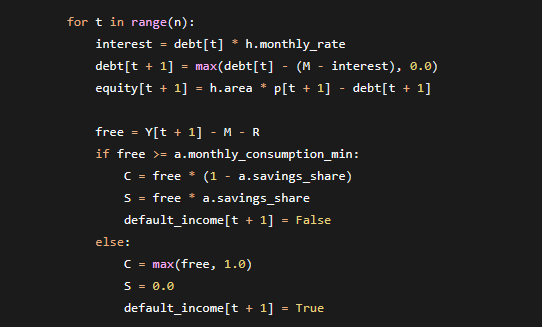
Привет, Хабр! Я построил простую экономико‑математическую модель жилищного бюджета домохозяйства, подставил в неё данные по Санкт‑Петербургу на 2026 год и прогнал несколько сценариев. Код выложил на GitHub, а здесь — результаты, графики и все входные данные, чтобы можно было воспроизвести.
GitHub: https://github.com/CheesePunk/Housing-Budget-Model
Trump-Appointed CDC Deputy Director Jennifer Shuford Resigns After 4 Months
Oriel College urged to cancel student group’s event with Jason Arday accuser
Student supporters of Reform UK at Oxford college have organised evening with Nathan Cofnas discussing DEI
The University of Oxford’s Oriel College has been urged to cancel an event featuring Jason Arday’s accuser Nathan Cofnas that has been organised by student supporters of Reform UK.
Arday, 41, was found dead in August after resigning from his University of Cambridge professorship. He had faced intense media scrutiny after Cofnas made unproven accusations of plagiarism against him and said there were “serious questions” about his biographical claims.
Continue reading...Как я закрыл от ИИ-агента часть кода и проверил это кодом, а не промптом
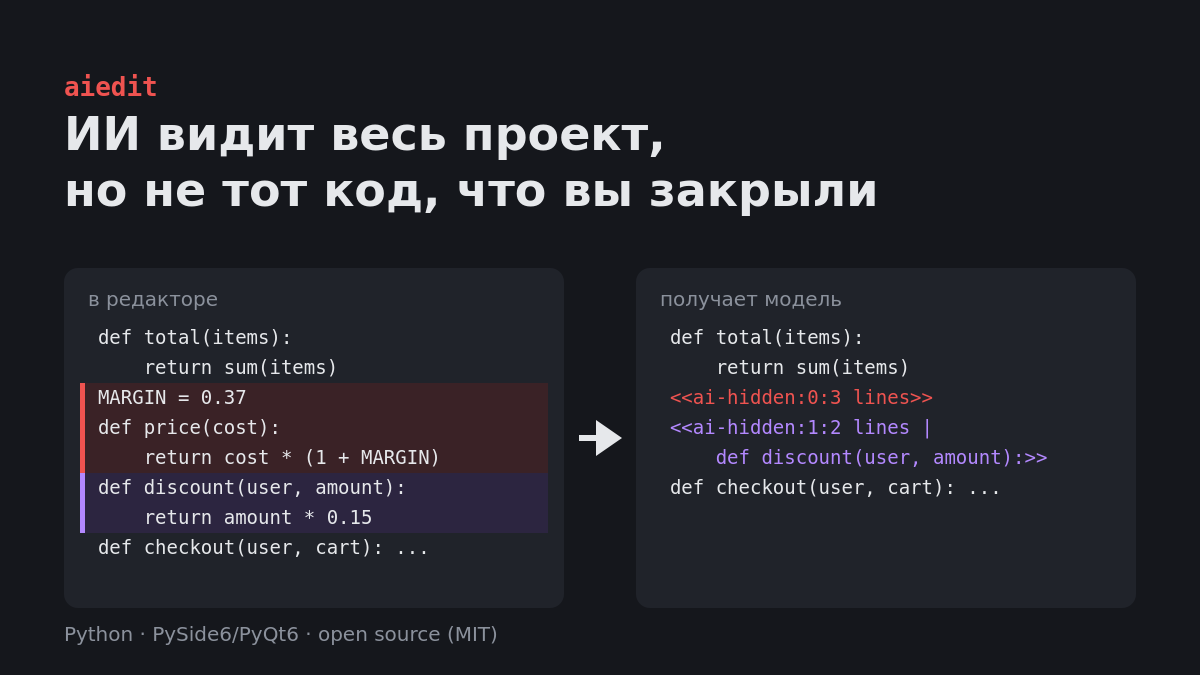
aiedit — настольный редактор кода на Python (PySide6 и PyQt6), в котором ИИ-модели работают со всем проектом, но не видят закрытые части. Закрыть можно не только файл, но и отдельные строки. Проверку делает код редактора, а не просьба в промпте: закрытое просто не попадает в запрос к модели. Код открыт под лицензией MIT. Честно сразу: по качеству кода он пока уступает Claude Code на той же модели, ниже разбираю почему.
Читать далееAt least 62 killed and thousands displaced in gunmen attack in Nigeria
How Kane defied doubters to become world's best
Middle East Dispatch newsletter: Election day in Israel
Israeli police arrest man with knife near left-wing leader
Миллион в config.toml, 828 тысяч в Codex и 890 тысяч на входе: что на самом деле значит окно контекста
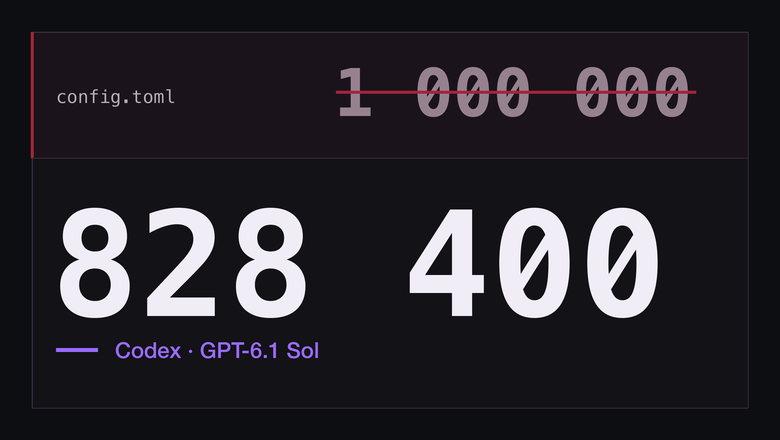
В ~/.codex/config.toml у меня стоит model_context_window = 1000000. Codex на GPT-6.1 Sol в каждой задаче сообщает окно 828 400.
Я разобрал, откуда берётся это число, поднял его до 900 000 своим каталогом моделей и прогнал синтетический вход на 890 547 токенов с контрольными метками.
Контрольный запуск показал больше основного: тот же вход на 888 330 токенов прошёл и без моей правки, при окне 828 400.
Замеры сделаны 27.10.2026 на Codex CLI 0.163.0, вход через подписку ChatGPT. Часть данных - из сентябрьских проб на GPT-6 Astra, это помечено.
Читать далееUK Home Office May Face Investigation Over Use of OpenAI Tech
Под капотом iZotope: что общего у Nectar, Neutron, Ozone и RX

У iZotope есть плагины для вокала, сведения, мастеринга и реставрации записи. Снаружи они выглядят как отдельные продукты. Внутри обнаруживаются общие вычислительные узлы, интерфейсные механизмы и способы передачи параметров.
Я разобрал, как устроено это семейство: что связывает компрессоры Nectar и Neutron, зачем iZotope собственный интерфейсный движок Glass и где в обработке участвуют ML-модели. Отдельно проверил задержку компрессора Nectar: при 48 кГц сигнал сдвигается на 47 сэмплов даже при Mix 0%.
В статье покажу схемы, примеры C++ и результаты измерений. Заодно сравню эти решения с открытыми проектами и разберу, сколько работы скрывается за привычными ручками Attack, Release и Mix.
Читать далееUnnamed celebrity accused of 'inappropriate sexual activities', court hears
Ex-FBI officials due back in court in Hunter Biden laptop case
Dollar General sued by FTC, 20 states for what's being described as deceptive pricing
How the War in Iran Could Escalate
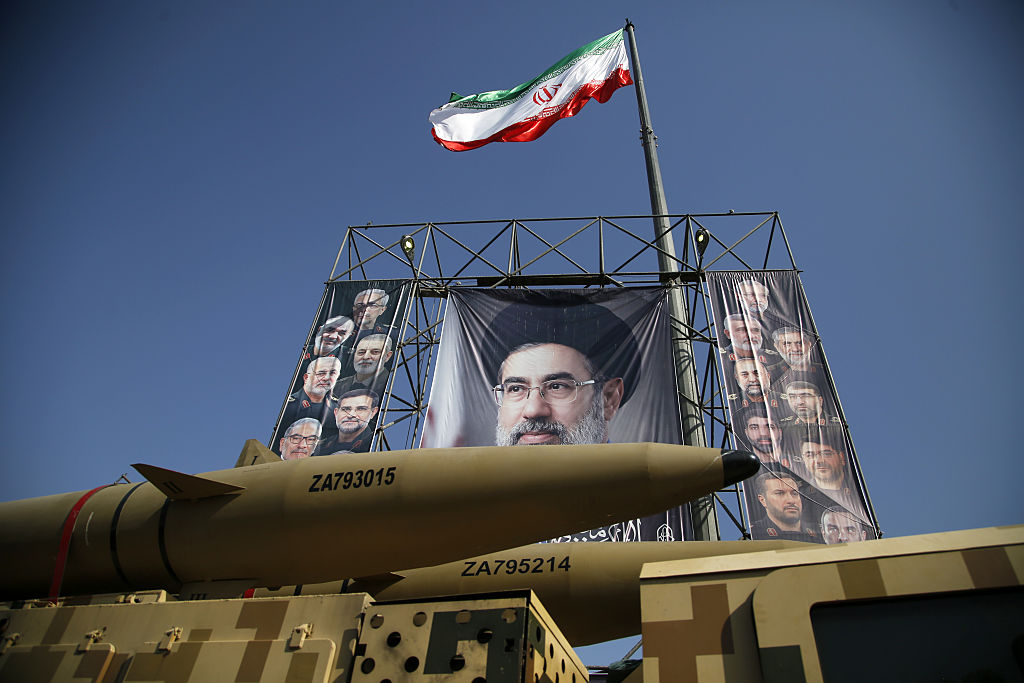
President Donald Trump’s conflict with Iran has become a political liability for his administration. Since the last U.S. strikes on Iran fell on Sept. 8, Trump has publicly ruled out attacking Iran before the November midterm elections—and promised to end the conflict after them.
Then, rumblings grew that U.S. and Israeli military planners had reportedly drawn up new strike options against Iran, including the possible use of the largest non-nuclear weapon in the American arsenal: the GBU-43/B, also dubbed “the Mother of All Bombs”.
The targets purportedly would be Iran’s nuclear facilities and energy infrastructure, though there are doubts about whether the bomb could penetrate Iran’s most deeply buried sites. According to these reports, Trump apparently is seeking a strike he could present as a military victory and then end the war without appearing to back down.
But such an approach risks triggering a far wider war than Washington intends. Tehran remains unlikely to let Washington end the conflict quickly and, fearing a potential attack from the U.S., could itself strike first. Either scenario could lead to a new round of fighting far more destructive than the last.
Before the mother of all bombs
Reports of military plans involving “the mother of all bombs” came against the backdrop of two other worrying developments. First, Iran has been escalating its naval attacks, likely in response to increased flows through the Strait of Hormuz. Notably, two UAE-owned cargo ships, the GFS Pride and the Cape Dao, were struck in the Strait as part of this sharp uptick.
Secondly, diplomatic efforts appear to have hit a wall. In late September, Trump rejected the proposal Tehran had put forward on the sidelines of the U.N. General Assembly: an end to fighting on all fronts, including Lebanon; the lifting of the U.S. naval blockade and oil sanctions; the release of some of Iran’s frozen assets; and the reopening of Hormuz within seven days. Instead, Washington insists that Iran must take steps regarding its nuclear program as part of the package, something Iranian leaders say they will only do at a later stage.
The timing of any U.S.-Israeli attack remains uncertain. While Trump has said he will not resume attacks before the midterms, Israel held its election on Oct. 27, a week earlier, and Prime Minister Benjamin Netanyahu had reportedly sought renewed fighting before both elections.
American and Israeli objectives may differ, of course. Trump appears to want something he can portray as a spectacular military victory without having to undergo another prolonged war, while Netanyahu’s rhetoric about “finishing the job” suggests more ambitious goals, potentially including toppling the Islamic Republic. Tehran seems to be preparing for either scenario with its own response: a prolonged, region-wide war designed to impose devastating economic costs.
Denying Trump a short war
The dominant perspective in Tehran is that the next war must be fought in a way that makes it so costly that a future U.S. president would not contemplate another. Hossein Mohebbi, a spokesperson for the Islamic Revolutionary Guard Corps (IRGC), said in late September that Iran “will not stop until we have driven the United States out of the region, punished the aggressor, and established permanent deterrence so that no one will dare attack Iran.”
That logic, should it prevail, rules out a symbolic, tit-for-tat exchange. In Tehran’s view, a limited American strike on Pickaxe Mountain, the fortified nuclear site near Natanz that Trump has repeatedly evoked, followed by a limited Iranian response, would send Washington precisely the wrong message: that it can attack Iran’s nuclear facilities, register domestic political gain, and pay a limited, acceptable cost. Iranian officials have therefore warned that even a symbolic, non-lethal strike would trigger a broad response, denying Trump the quick exit he may have asked of his war planners.
Under this scenario, Iran would target regional energy and economic infrastructure. “In a region where we cannot sell oil, no one will sell oil,” Ghalibaf has warned. The UAE is particularly exposed: Mohsen Rezaei, secretary of the Supreme National Security Council, has accused it of oil “smuggling” in cahoots with U.S. Central Command (CENTCOM). Rezaei also identified new potential targets: undersea cables, data centers, and AI infrastructure in the region, which he claims are worth “more than $2 trillion.” Ghalibaf subsequently extended the threat to regional governments and investors, threatening that anyone providing “funding, equity, land, or energy” to AI companies that “facilitate military aggression” against Iran “will face coercive action.”
If raising the cost of war is the first instrument in Iran’s calculus, duration is the second. Ali Balali, an adviser to the IRGC’s Aerospace Force commander, suggested Iran would conserve its arsenal in preparation for a prolonged confrontation, rather than expend it early. Two days later, Iranian Army spokesperson Mohammad Akraminia argued that the enemy’s weak point is a prolonged war.
Timing is a third dimension in Iranian thinking. Iranian military officials have increasingly mentioned the possibility of striking first, preemptively. Akraminia stated that if Iran were to conclude that an attack by the U.S. and/or Israel is imminent, “we will certainly engage in preemptive warfare.” Mehdi Mohammadi, strategic affairs adviser to Parliament Speaker Mohammad Bagher Ghalibaf, went further, arguing that a successful strategy requires not only striking first but also delivering a decisive blow capable of “changing the balance.” There is thus at least the possibility that Iran might move early, and then fight long.
That could occur due to miscalculation resulting from ambiguous American and Israeli signals: leaked strike plans, carrier and amphibious deployments, and aircraft approaching but not entering Iranian airspace. Military experts in Iran see this pattern as an effort to normalize military activity and regain the element of surprise. Tehran could thus mistake military signaling for an imminent attack and strike preemptively, even though it may not want another round of war.
The fourth element concerns the range of those Tehran would hold responsible in the event of an attack. On Oct. 5 Ali Abdollahi, chief of staff of Iran’s armed forces, declared that if the United States acted against Iran “directly or indirectly through Israel,” Iranian forces would retaliate against the United States. The warning carries more weight in the wake of Trump’s decision to openly back Netanyahu ahead of Israel’s election. Indeed, some in Tehran interpreted this as a signal that Washington would allow Israel to strike Iran after the midterms. As a result, Tehran has made clear that even were Israel to carry out the attack on its own, U.S. forces and assets in the region would face retaliation.
Widening the map
This interpretation suggests that the scope of Iran’s response to a U.S. strike likely would be far wider. Its conduct in Hormuz since late September offers a preview of how it could broaden the conflict. When the UAE, backed by CENTCOM, kept oil moving through a southern corridor along the Omani coast, the IRGC shifted its attacks from small shuttle tankers to supertankers and stated that vessels using the “illegal corridor” would be “pursued and interdicted across the region.” Strikes followed off the UAE coast and near Qatar. An escalation in the region could drive Iran to go after vital energy and other infrastructure across the Gulf.
Iran’s regional partners also could widen the conflict, although Tehran does not fully control their actions. In Yemen, the Houthis have already opened a second maritime front in the Red Sea, threatening shipping and increasing pressure on Saudi Arabia. In Iraq, Kataib Sayyid al-Shuhada, an Iran-backed militia, has threatened to fight if Iran faced an existential threat. The conflict could also extend to Europe through indirect operations.
There may already have been attempts in this vein: British Prime Minister Andy Burnham said a suspected September plot near RAF Fairford, a base used by U.S. bombers, was “almost certainly” directed by the IRGC. Tehran denies involvement, but the incident raises the prospect of covert operations against American military assets beyond the Middle East.
Tehran is also preparing for the possibility of a ground operation inside Iran. According to Iranian Army Ground Forces commander Ali Jahanshahi, more than 50 units are deployed along the borders, from the northwest to the Makran coast, and abandoned airfields have been identified as potential enemy landing sites. Iranian security forces have also conducted preemptive operations against Baluch armed groups in the southeast and launched drone and artillery strikes in Kurdish border areas amid concerns that they could open an internal front during an external attack.
A war meant to be the last
Both the U.S. and Iran run the risk of serious misjudgment. The U.S. may believe it can be master of the scope and duration of a war, only to find that Iran holds the key. This power means Iran need not let the conflict end quickly or painlessly.
For its part, Tehran—which survived the fierce exchanges that began in late February, continued through April, and have since become more regionalized—may be convinced that a wider conflict this time again would establish lasting deterrence. But conditions that made this strategy relatively effective in the past have changed, partly because of Iran’s own actions. The more Tehran expands its targets, the more it risks turning neighbors that sought to stay out of the conflict into supporters of its defeat. Saudi Arabia and the UAE have reportedly agreed to coordinate their military support on behalf of anti-Houthi forces in Yemen, while Egyptian President Abdel Fattah el-Sisi has offered to help defend Saudi Arabia against Houthi attacks. For the Gulf monarchies, the stakes are becoming existential: either Iran’s leverage is broken, or their access to world markets will remain dependent on Iranian restraint.
In this way, a war intended to deter future American attacks could instead strengthen a regional consensus that Iran must be dealt a serious blow rather than accommodated or bargained with.
Ultimately, diplomacy remains the only way to prevent the gap between American and Iranian perceptions and risk calculus from triggering another, potentially even more costly round of confrontation. Without it, Washington could launch a limited strike expecting a quick exit, or Tehran could strike first fearing an imminent attack. Either scenario could trigger a prolonged regional war that the U.S. wishes to avoid and a growing alliance against the Islamic Republic for which Iran would pay a price.
DOJ Charges Former FBI Director James Comey for Third Time
Elon Musk says he has ‘cyber psychosis’. Do you too? | Arwa Mahdawi
Whether using chatbots for childcare or taking up smoking, a new affliction is sweeping through the tech world. Here are the signs
In the least surprising news you’ll hear all week, Elon Musk has said he’s not entirely right in the head. “I’ve got a little bit of cyber psychosis,” the world’s richest and most irritating man explained during an event this month. “Maybe a lot actually.” Musk added that, over “various points this year”, he’s had “AI or SI psychosis probably half a dozen times”. SI, in case you missed the super-important memo, stands for “superintelligence” and it’s what Donald Trump wants everyone to call AI now, for reasons too stupid to explain.
While the phrase SI is still being used 0nly by weaselly tech bros desperate for Trump’s approval, you’ll probably have heard the term “AI psychosis” bandied around a lot. On the most serious level, it refers to delusional thinking induced or exacerbated by sycophantic chatbots. People who have ploughed their life savings into a ridiculous business idea, for example, because computer code told them they were the next Jeff Bezos. But the phrase has also been used more jokingly to describe overexuberance around artificial intelligence, and that seems to be how Musk was using it. The comments about his self-diagnosed bouts of cyber psychosis came as the tech mogul waxed lyrical about how great AI music videos have become, and how he believes artificial intelligence now “understands beauty and harmony”.
Continue reading...Как стать бизнес‑аналитиком в IT‑компании и сколько можно зарабатывать

Бизнес-аналитик — один из немногих специалистов в IT-компании, которому одновременно звонят разработчик, продакт-менеджер, директор по продажам и заказчик. И все четверо хотят разного. Задача бизнес-аналитика — понять, что им нужно, как привести это к общему знаменателю и зафиксировать, чтобы команда могла работать.
Читать далееWATCH: Flooding hits both coasts as full moon triggers powerful king tides
Meta AI director Rohit Patel leaves to take on Microsoft Office and Google Workspace
Inside John Thune's quiet effort to keep GOP's Senate majority
Neil Young sues for the second time over Trump’s use of ‘Rockin’ in the Free World’
Ford Fathom will be the cheapest American EV capable of powering a house
Israel's election outcomes not likely to change Iran or Gaza wars, former ambassador says
New details revealed in "People's Court" cold case murder arrest
Elizabeth Holmes mania: how the buzziest film of the year has resurrected a gut-twisting TV drama
The Theranos fraudster is the subject of Nathan Fielder’s mind-bending You Can See Everything documentary. It is now driving audiences to watch Disney/Hulu’s 2022 series, The Dropout – and they’re seeing it in a whole new light
There are surprise smash hits, and then there’s You Can See Everything, Nathan Fielder’s documentary-cum-psychodrama about the disgraced US entrepreneur Elizabeth Holmes. It arrived in US cinemas with much buzz: this was, after all, an A24 production, helmed by one of TV’s leading performance-art pranksters. But You Can See Everything has surpassed all expectations to become an undeniable hit, and is now the highest-grossing US documentary in 15 years just two weeks after its release.
Co-directed by Lance Oppenheim, it is a surreal and masterly epic; at a press screening in London, the audience appeared to be alternately spellbound by its comedic elements and repulsed by the sheer grossness of some of its characters. That grossness, it should be mentioned, doesn’t pertain only to Holmes, who was sentenced to more than 11 years in prison (this has since been reduced several times) for defrauding investors, after the collapse of her sham blood-testing startup Theranos). It has also – perhaps unsurprisingly – led audiences towards other media inspired by Holmes’s downfall. Journalist John Carreyrou’s book, Bad Blood, has returned to the bestseller lists; the ABC News podcast The Dropout, hosted by Rebecca Jarvis reported a 900% surge in listeners; while the Disney/Hulu TV series of the same name enjoyed a 700% bump in viewers, and is now ranked #47 on IMDb’s “Most popular TV shows” list, despite having been released in 2022.
Continue reading...Bolsonaro's party accepts Brazil election defeat, but he refuses to concede
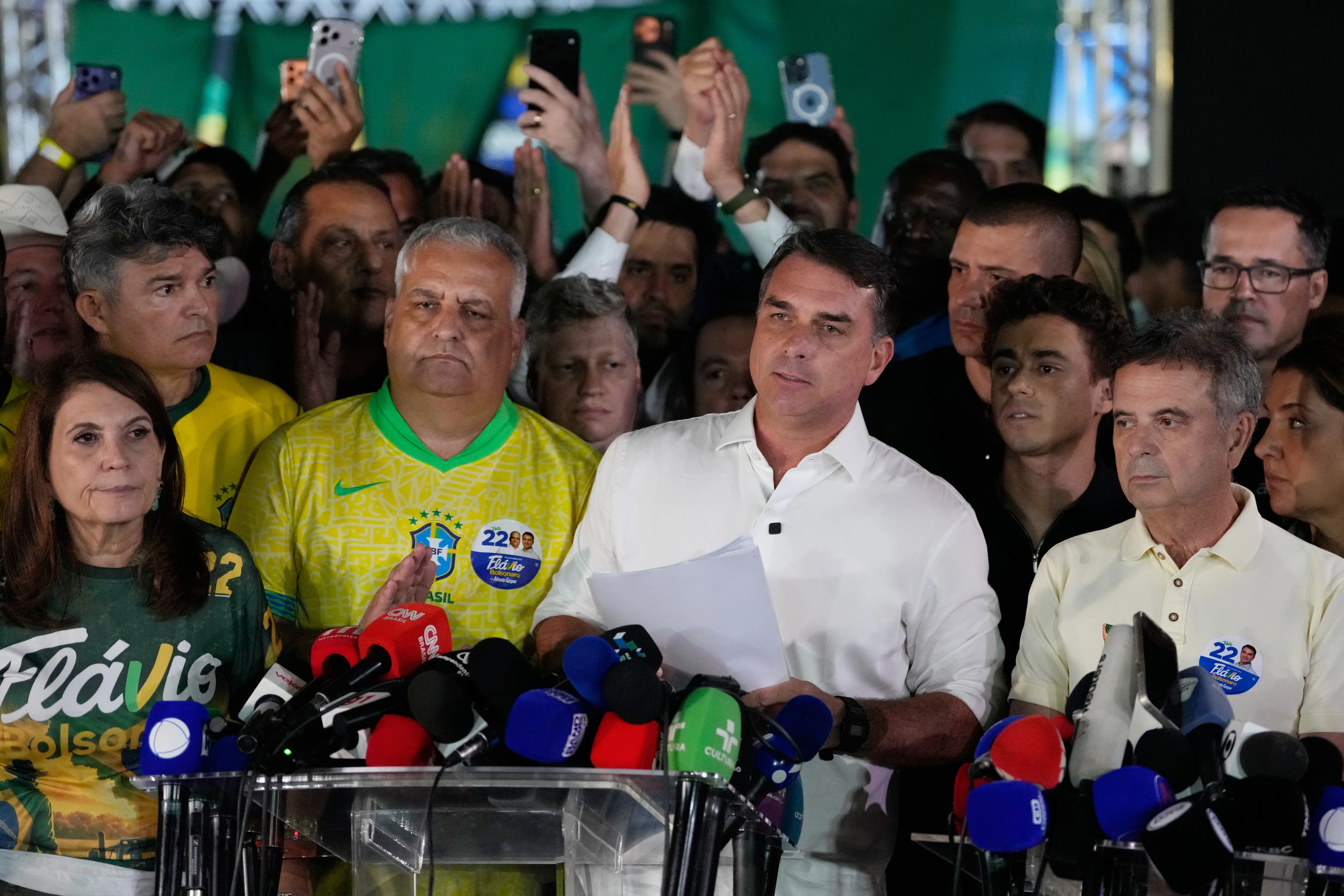
Brazil's opposition party accepts President Luiz Inácio Lula da Silva's election victory, but Flávio Bolsonaro won't concede, while President Trump calls the vote "rigged" without offering evidence.
(Image credit: Eraldo Peres)

Shabana Mahmood urged to grant visa to former Weather Underground activist
Home Office refused entry to Judith Clark, 77, invited by RSC to speak about restorative justice after her time in prison
Human rights activists and celebrities including the lawyer Helena Kennedy, the actor Harriet Walter and the theatre director Phyllida Lloyd have urged the Home Office to overturn its decision to refuse a visa to a former member of the radical US group the Weather Underground, saying her decades of rehabilitation should count in her favour.
Judith Clark, 77, was the inspiration for Walter’s portrayal of prisoners in the Donmar Warehouse all-female Shakespeare trilogy, including Brutus in Julius Caesar and Prospero in The Tempest.
Continue reading...