
This month brings riveting novels about dogs, Hollywood stars, small towns and characters with bigger woes than just the sweltering summer heat and humidity.

This month brings riveting novels about dogs, Hollywood stars, small towns and characters with bigger woes than just the sweltering summer heat and humidity.

В первой части мы разобрались как Dart отличает число от объекта. Эти знания нам пригодятся, чтобы разобраться в дальнейших хитростях сборщика.
Перед нами стоит самый главный вопрос: А как сборщик все-таки за собой убирает?
Молодое и старое поколение.
Что происходит в обычном build() у Flutter-виджета? За один кадр создается куча временных объектов: EdgeInsets, Padding, промежуточные TextStyle, какие-то списки, замыкания. Живут они до следующего ребилда(Не учитывая const).
Также у нас есть и другая категория объектов, которые живут долго: синглтоны, кэши, репозитории, состояние приложения. Они создаются один раз и живут все время работы.
Отсюда вывод, если молодые объекты пересоздаются пачками, а старые в основном живут, то убирать их одинаково не выгодно. Именно поэтому Dart делит кучу на 2 поколения...

Привет! Меня зовут Илья Курасов, я пишу про визы и ВНЖ. Один из частых запросов, с которым ко мне обращаются, - как легально жить в Европе, продолжая работать удалённо. Статью мы готовили вместе с моим коллегой Константином Абрамовым, основателем агентства Talantum, которое помогает получать визы в разных странах.
Работать удаленно на зарубежную компанию и одновременно легально жить в Европе до недавнего времени было невозможно. Перед людьми вставал выбор: либо открывать бизнес на месте, либо искать местного работодателя. Испанская Digital Nomad Visa позволяет закрыть эту проблему. С ней можно спокойно получить резидентство в Испании и сохранить как работу, так и привычный доход. Ниже рассказываю, как она устроена и почему она лучший вариант, если нужен быстрый ВНЖ в Европе.
Читать далее
There are two kinds of people in this world: those who find it acceptable to be a little tardy and those who consider it an affront to all that is decent. As someone who frequently runs late, I’m often relieved when someone else is, too. And I don’t mind if a friend is a bit behind; the worst-case scenario is I have a few minutes of peace in which to stare at my phone. But the perpetually punctual see this as disrespect, as showing up late is a sign you don’t value others’ time, that you believe what you’re doing is more important.
The reality is often much more banal. Chronically late people may overestimate how long something will take them (like getting ready or commuting), are perhaps multitasking, or lose track of time.
Of course, few people would be satisfied with waiting at a restaurant for an hour while their date swears they’re only ten minutes away. Is there a socially acceptable sweet spot for tardiness that satisfies both the need for punctuality while giving grace to the time-challenged? To answer that question, I enlisted the help of three people with unique viewpoints: an etiquette expert, a researcher who has studied lateness, and an extremely punctual guy who has strong feelings on the matter.
Answers have been lightly edited and condensed for clarity.
“Five minutes late to a Zoom call or a scheduled phone call for work is, in my mind, really late. Five minutes late to meet your friend at a restaurant is not very late and very forgivable. Five minutes late to their house, super forgivable. Half an hour late to dinner and they won’t seat you and now you’ve lost your table, that starts to be a bit annoying. Late to a surprise party is unforgivable. I’ve seen hosts get really upset about that one because you can likely ruin a very well-planned surprise. There’s a 15-to-30-minute arrival period for most gatherings. You push past that and you’re showing up really late. If you are going to be late, let somebody know, whether it’s a phone call or a text message.
If you were only getting together for an hour and you’re starting to push the half-hour mark, you might want to check in with someone about whether you’ve really messed up and it’s not worth it for them to stay and meet with you for 20 minutes by the time you arrive.
There are definitely friends who take advantage of other people’s time and that would be something to talk with someone about if it’s chronic and to the point where it starts ruining the experience. You could say, ‘I know that you’re often 20 to 30 minutes late when we get together for something. It would mean a lot if you could try to be on time at seven for this one.’ We can’t control how other people react. They might feel offended. They might start rattling off reasons why they’re always late and you can say, ‘I know and I understand it really does happen, but it’s been consistent enough and this one’s important. I would really love to have you get there at the start time.’ I think that can make a difference.”
—Lizzie Post, co-author of Emily Post’s Etiquette: The Centennial Edition
“Being late differs across the world. We have wide windows of time or very narrow ones depending on the culture. In our research, we were comparing Dutch, South African, and Pakistani norms. We knew that there would be differences, but we had no idea how much. Pakistanis really have a different idea about lateness. They’re much more flexible about it. The window’s much wider. For the Dutch and South Africans, the window is about 15 minutes. After that, people will start thinking they’re not coming anymore or start calling. But for Pakistanis, that moment arrives much later.
For people who grew up in cultures that are more aligned with the Protestant work ethic, we would say there’s a deal between two people about the time frame. If you don’t conform to that, then you violate that norm and then you are late. For Pakistanis, it is a time frame that aligns with the clock, but it depends on who is there, not so much as a deal between two people. The Dutch are very egalitarian. Everyone, it doesn’t matter what status you have, is allowed about 15 minutes. But we saw that for Pakistanis, if you’re meeting a very important person, then they can arrive much later.
There’s also a bit of the emotional side or the feeling that you are personally responsible and you’re rude if you don’t stick to those norms. I discussed this in class with my students because a lot of them show up late. I was saying, ‘I think it’s very rude when there’s somebody presenting and they get interrupted by doors opening.’ A lot of them said, ‘I don’t think it’s rude.’ They had different norms about that situation. Some of them agreed with me, but not everyone.
In practice, I think that it depends on how important the appointment is. In our class, we emphasized that we as teachers find being on time important. The norm violation becomes more important when it is explicit. And I have a sense that now the students are more apologetic.
In developing intercultural skills, ‘bridging’ is often trained. One of the things in bridging is to make expectations explicit. It involves explaining how violating the norms surrounding them are experienced, and then trying to find solutions that are acceptable for both sides. Often, this leads to people agreeing that it means give and take, but it can also mean changing procedures or rules.”
—Wendelien van Eerde, associate professor at Amsterdam Business School at the University of Amsterdam
“For a home-hosted dinner party, no more than 30 minutes late before it’s inconsiderate.
For dinner reservations at a restaurant, five minutes before is inconsiderate as normally your party can’t be seated until everyone is there and making everyone wait for you isn’t cool.
For house party gatherings, show up whenever unless specifically asked by the host to be there at a specific time.
For work-related situations, like being on set ready to shoot at your scheduled call time, be there five minutes before your call time. The crew got there on time to prepare for you. Show them the same respect. Your time is not more valuable than theirs.”
—Bobby Berk, interior designer and host of HGTV’s Junk or Jackpot?
Try as we might to get everything done, leave the house in a timely manner, and hope for no traffic, life often has other plans. Lateness happens. But as long as you make a good faith effort to be on time, openly communicate when you’re running behind, and don’t make a habit of it, consider a 10-to-15 minute window an appropriate buffer. Any later and you might start to lose goodwill.

Вы выпускаете обновления и исправляете баги, но пользователи все равно говорят: «Продукт сырой». Что именно не так и что чинить в первую очередь? Мы разложили ощущение «сырости операционной системы» на четыре измеримых компонента: надежность, функциональность, производительность и удобство — и собрали из них индекс зрелости от 10 до 50 баллов.
Привет, Хабр! Меня зовут Маргарита Урбанович, эту статью я подготовила вместе с коллегой Марией Копачевской. Мы работаем в отделе изучения пользовательского опыта в YADRO и исследуем, как люди пользуются мобильной и десктопной операционными системами, планшетами, ноутбуками, ПК и другими продуктами под брендом KVADRA. В этом материале расскажем, как появилась методика измерения зрелости ОС, из чего она состоит, как мы ее проверяли и для каких задач используем. А еще поделимся файлом с автоматическим расчетом показателей, чтобы вы могли переиспользовать методику в своих исследованиях.
Забрать методику себе
Это продолжение статьи Материалы по хакингу на русском.
Вкратце — я собираю автоматические переводы материалов по хакингу и выкладываю их на сайте библиотеки. В этой подборке — книги для тех, кто хочет понимать программы, железо и протоколы не по документации, а изнутри: от устройства компьютера и ассемблера до Windows Kernel, ARM, Java-байткода, автомобильных шин, VoIP и аппаратного реверса.
Читать далее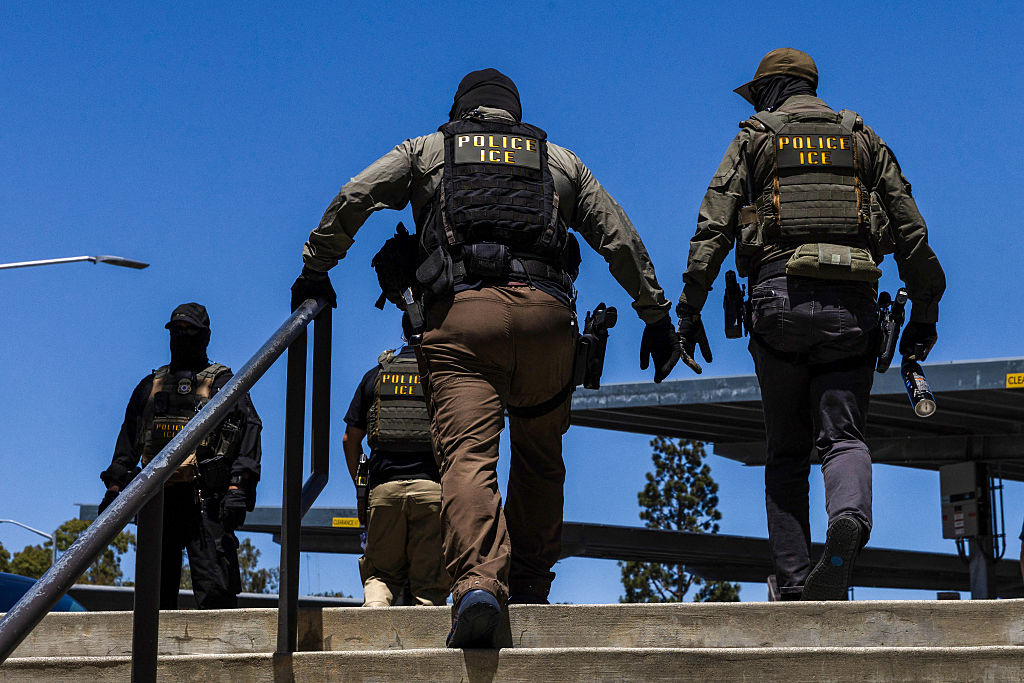
The announcement didn’t make much news initially. CoreCivic, one of the largest private prison operators in the country, announced early last month that the U.S. government was buying two of its facilities for $1.5 billion. Both sites are set to be used the same way they have for years—as detention centers for Immigration and Customs Enforcement (ICE).
The deal was the latest twist in the Trump Administration’s fumbling efforts to dramatically expand the number of migrants it can hold at once. Over the last year and a half, the Department of Homeland Security, which oversees ICE, has veered from planning to reopen more than a dozen shuttered prisons, to housing thousands of migrants in sprawling tent facilities, to retrofitting nearly a dozen commercial warehouses into new detention centers. Despite billions of dollars spent, each strategy has largely fallen by the wayside, stymied by legal and political headwinds.
The latest plan, according to ICE sources and officials with private prison companies, is for ICE to take over private detention facilities while building new ones alongside them. Officials with CoreCivic and the GEO Group, the two biggest owners of private ICE detention facilities, have both discussed selling more sites to the U.S. government. (On Wednesday, Aug. 5, CoreCivic announced that ICE had purchased two more facilities: the Prairie Correctional Facility in Minnesota, and the Midwest Regional Reception Center in Kansas, for a total of $734 million.)
ICE is paying CoreCivic $739.2 million for the Otay Mesa Detention Center in San Diego and $732.6 million for the California City Detention Facility in Kern County. Both facilities have been in operation for more than a decade and together hold a daily average of more than 1,200 immigrants, according to the latest ICE data. CoreCivic will continue managing these facilities.
The company also acknowledged in its statement that it has been negotiating with ICE regarding "additional" sales of its detention facilities. GEO Group, said during its earnings call in May that ICE had been in touch with the company about purchasing some of its 19 detention facilities.
Immigration advocates say the Trump Administration is buying private detention centers to clamp down on oversight of what goes on inside them. “Once the facility is entirely owned by the federal government, that limits the ability of state and local inspectors to try to gain some insight as to what is happening in there, or seek changes to conditions that may be potentially violative of people's rights," Aaron Reichlin-Melnick, senior fellow at the American Immigration Council, tells TIME.
As immigration enforcement operations have surged nationwide since Trump’s second inauguration, several states have passed laws empowering local officials to inspect privately-owned detention facilities. So far, efforts by private firms to shrug off these laws aren’t working. Soon after California passed a health inspection law in 2024 targeting privately-owned prisons, GEO Group challenged the law in court, but the case was eventually dismissed by a federal judge. GEO Group is battling similar cases in Colorado, New Jersey and Washington state.
“As some blue states are considering more active involvement in oversight of facilities, I think the logical solution to much of that is federal ownership of the facilities,” George Zoley, CEO of GEO Group, said during the company's earnings call in May. Zoley made clear his thinking on the advantage of federal ownership was all about reducing “unprecedented” lawsuits and oversight. He claimed that transferring the private facilities to the federal government would provide "stronger protections" under the Supremacy Clause in the Constitution.
In a statement to TIME, a DHS spokesperson attributed the acquisition of the two facilities to “sanctuary politicians” who push legislations that make privately-owned prisons “financially infeasible.”
“Now, with federal ownership of these detention centers, which are crucial to ICE’s detention network on the West Coast, ICE retains the detention capacity needed to arrest, detain, and remove illegal aliens,” the statement added.
Since the beginning of the second Trump administration, ICE has set a goal of doubling its detention capacity to more than 100,000 beds by the end of 2025, according to an internal document reported by the Washington Post. That goal has yet to be achieved seven months into 2026. White House border czar Tom Homan conceded earlier this month that ICE currently has "about 70,000 beds" and that he is pushing for more.
The agency's original plan was to build makeshift "soft-sided" detention facilities—tents, essentially—on military bases. That plan was quietly halted after the largest soft-sided facility at the Fort Bliss military base in Texas reported three deaths of detained immigrants and dozens of federal detention-standard deficiencies, according to an internal ICE review. Last summer, Secretary of Defense Pete Hegseth wrote in a letter to Rep. Herb Conaway, a New Jersey Democrat, that similar tent facilities were being considered at other military bases, including Camp Atterbury in Indiana and Joint Base McGuire-Dix-Lakehurst in New Jersey. So far, no such tent facilities have been built.
ICE then decided in January to execute Plan B: purchasing 11 commercial warehouses for $1 billion and converting them into detention facilities. The agency was quickly hit with eight lawsuits from local and state governments over the environmental impact of those projects on nearby communities. The New York Times reported that, following these lawsuits, ICE is planning to sell or give away seven of the 11 warehouses. It is unclear whether the agency will continue to move forward on its plan for the remaining four.
A former senior ICE official familiar with the agency’s efforts to expand detention capacity and granted anonymity to speak freely said that some of the warehouses ICE purchased had structural issues that may have prevented them from meeting federal detention standards. “Just because it was a quick way to politicize what the government wanted to do, it doesn't mean it was a well thought-out plan,” the former official added.
Now, there are signs ICE is laying the groundwork to execute Plan C: renting or purchasing existing facilities, while building new ones alongside them. The latest draft government contract revealed that ICE is planning to build additional detention units in as many as 14 locations across the United States, including the Virgin Islands and Guantanamo Bay. The potential locations include a mix of facilities already in use and ones that ICE shut down more than a decade ago; it is unclear whether the agency plans to build additional facilities at all 14 sites.
Reichlin-Melnick says ICE’s latest plan shows it’s leaning toward permanent brick-and-mortar structures, having abandoned the idea of expanding capacity through tents. Yet he is skeptical this latest effort will succeed, given the logistical costs of transporting detainees to facilities scattered so far apart. "Even with the money ICE has right now, it would cause them to burn through their funds very quickly. So I'm skeptical that all 14 of these facilities will be built out to the extent suggested," he added.
ICE's latest move to purchase detention centers from private contractors comes against the backdrop of a renewed push in deportation operations nationwide. According to ICE data, the agency arrested more than 39,000 people in June, the most arrests in a single month in the agency’s history. The rapid increase in arrests also drove up the total number of people in ICE custody to 65,765 — one of the highest levels this year. The influx of detainees is straining resources in ICE facilities nationwide, which have long reported overcrowding and a lack of adequate medical resources and legal representation.
Despite public pressure, ICE continues to instruct its private contractors to disregard state laws in its latest procurement documents. According to a draft contract published on July 10, ICE states that local or state laws and regulations "shall not apply" to private contractors while they are housing detainees, language that had appeared before, in a contract ICE signed with GEO Group for the Washington state facility in March, while that lawsuit was still ongoing. WIRED was first to report the language in the draft contract.
Claire Trickler-McNulty, a former senior ICE official, said one of the key reasons so many problems persist at ICE detention centers is the reduction of oversight from internal watchdog offices. The Office of the Immigration Detention Ombudsman, created by Congress in 2020 to investigate facilities that fall short of detention standards, and the Office for Civil Rights and Civil Liberties, which protects the civil rights of detained immigrants, were both dismantled under Kristi Noem's leadership.
"Not only are there reduced people in the facilities looking for problems, there is also a lack of interest in making sure that the facilities are performing to the standards," Trickler-McNulty said.
The only remaining ICE office that conducts routine inspections, the Office of Detention Oversight, has been conducting fewer inspections than under previous administrations. A CBS News analysis found that 15 of the 45 detention facilities holding 500 or more people hadn't been inspected in over 12 months — a gap that experts say weakens internal mechanisms for holding contractors accountable.
A DHS spokesperson said immigrants who are in ICE custody receive “comprehensive medical care” as well as legal assistance and religious accommodations. The spokesperson also said ICE detention facilities “undergo regular inspections” as required by the national detention standards.
“Being in detention is a choice,” the spokesperson said. “The United States is offering illegal aliens $2,600 and a free flight to self-deport now. We encourage every person here illegally to take advantage of this offer.”
Trickler-McNulty added that the civil deportation process doesn't have to be as aggressive and violent toward individuals as it is right now, especially given that the majority of detained immigrants have no criminal record.
"I see way more 'Abolish ICE' [signs] now than I saw before," she said. "People are mad, and this is all just a choice of how to enforce immigration law. It really doesn't have to be this way."

A coalition of 25 U.S. states is suing the Trump Administration, arguing the President’s latest round of sweeping tariffs on over 80 countries exceed his legal authority.
Filed Monday in the U.S. Court of International Trade, the lawsuit denounces the tariff action imposed under Section 301 of the Trade Act of 1974 as “arbitrary, capricious, and contrary to law.”
The Office of the U.S. Trade Representative (USTR) announced the new levies on July 23, targeting 60 trading partners, including the European Union. The Trump Administration cited these economies' alleged failure to impose and “effectively” enforce a ban on the import of goods “produced with forced labor.”
But the Democratic-led states strongly refute this reasoning, insisting in the lawsuit that “the Administration cannot use forced labor as a pretext to continue its illegal tariff scheme. The tariffs the USTR imposed are so broad that they defy the USTR’s own stated aims and make a mockery of the statute used to justify them.”
California Attorney General Rob Bonta, who co-led the coalition, claimed Trump is “so intent on raising the cost of living for Americans that he is willing to break law after law after law to do so.”
“Tariffs are taxes, and the American people cannot and should not shoulder the extra costs that come from the President’s failed and illegal economic policy—no matter how much the President wants them to,” he added, in a statement announcing he is suing the Trump Administration over its tariffs for a third time.
Joining California in the lawsuit are Arizona, New York, Colorado, Connecticut, Delaware, Kentucky, Hawaii, Illinois, Massachusetts, Michigan, Maryland, Maine, Minnesota, Nevada, New Jersey, North Carolina, New Mexico, Oregon, Pennsylvania, Rhode Island, Vermont, Virginia Washington, and Wisconsin.
All of the states have Democratic attorneys general or governors.
Per the lawsuit, the 25 states are arguing that the USTR mishandled its investigations into alleged forced labor malpractices.
“Over the past four months, USTR sought public comments and testimony regarding its Section 301 investigation. However, the comments and testimony the USTR compiled do not support implementing tariffs as a method to combat forced labor; rather, the comments and testimony show that the USTR acted arbitrarily and capriciously,” the lawsuit alleges.
In a statement shared with TIME, White House spokesperson Kush Desai said “the United States is using its lawful authority to obtain the elimination of unreasonable acts, policies, and practices that burden U.S. commerce.” Section 301 tariffs have “proven to be a legally durable tool since the President’s first term, and they remain so now,” he added.
This lawsuit is just the latest roadblock Trump has been met with in his efforts to install global tariffs.
When the Supreme Court ruled in February that the President lacked the authority to impose his "Liberation Day” tariffs under the International Emergency Economic Powers Act (IEEPA), a 1977 statute intended for national emergencies, Trump labeled the decision “deeply disappointing” and said he was “ashamed of certain members of the court.”
The Administration responded by imposing a 10% temporary import duty under a different legal authority, Section 122 of the Trade Act of 1974.
A coalition of states sued the Trump Administration in March, arguing that the President's use of Section 122 exceeded the limited authority granted under the statute.
In May, the U.S. trade court ruled that the specific Section 122 tariffs challenged in that case were unlawful, but the levies stayed in place while the Administration appealed.
Those temporary levies were due to expire at midnight on July 24. The Administration announced this new round of tariffs the day before.
When asked at the time if he was confident his latest levies would withstand legal scrutiny, Trump insisted the “very standard tariffs” had previously been approved in “thousands of cases.”

When cisplatin came on the market in 1978, it revolutionized cancer care. Carboplatin, a related chemotherapy drug with fewer side effects, soon followed in 1986. Together, these two drugs have saved countless lives and are prescribed for up to 20% of cancer patients to treat ovarian, bladder, breast, lung, and other types of cancer. “They're the backbone for treatments for a lot of different types of cancer,” says Dr. Jacob Reibel, a medical oncologist at Dartmouth Cancer Center.
And yet, in recent years, when some hospital pharmacists have gone to source these chemo drugs for patients, they’ve had difficulty. They’ve had to call around, looking for some other facility that might have extra doses. Doctors, for their part, have had to have tough conversations with patients. If there’s no carboplatin or cisplatin to be had, patients might be given another, less-optimal chemotherapy. Or doctors might try spacing the doses out more than they usually would, trying to stretch the supply. Some fear that these shortages, which have been ongoing since 2023, might make cancer more deadly. In June, the U.S. Pharmacopeia, a nonprofit scientific group, released their latest report on drug shortages, which revealed that the average duration of shortages for drugs of all kinds has more than doubled since 2019.
Why is this happening? The reasons, it turns out, are essentially economic, and have to do with hospitals paying as little as possible for these lifesaving drugs—so little, in the end, that few companies can afford to make them.
This problem has been building for a while, says Matthew Christian, director of supply chain insights at U.S. Pharmacopeia. “Back in 2019, the average drug shortage only lasted about two years. But now when we look at the drugs that remain on the list, the average duration’s over five years,” he says. “In fact, 95% of drug shortages at the end of 2025 were holdovers from 2024. So current shortages—they're not new. It's old shortages that have not been resolved and show systemic issues in the supply chain.”
In the case of carboplatin and cisplatin—and several other chemo drugs experiencing shortages—these medicines take a certain investment and expertise to make. They need a specialized sterile facility. But they are now off-patent, or generic, which means that any drug manufacturer is allowed to make them and charge whatever price the market demands.
The market price is the problem. Hospitals in the U.S., or group-purchasing organizations working on their behalf, hunt for the least expensive sources of drugs. A manufacturer that offers the lowest price can win a contract to make a chemo drug. But the purchaser is under no obligation to guarantee that they will buy a given volume, which would ensure that the manufacturer will have enough money to continue making the drug, says Stefan Scholtes, a professor of health management at University of Cambridge in the U.K.
There are plenty of drugs that can be made in the same facilities as chemo drugs. When companies’ capital runs low, “they can repurpose the line for another drug that has a higher margin,” Scholtes says. “Why would they carry on delivering [the chemo]?”
What’s more, the hunt for a minimal cost leads to factories overseas, to relatively few companies willing to take on the task, and to sourcing key ingredients and finished products from just a few places. This leads “to a very fragile supply chain, and when a little thing happens, the whole thing falls over,” says Scholtes. Some global shortages of chemotherapy drugs have been caused by a single plant going offline or failing a quality control check. Currently, the war in Iran has upended supply chains such that some of the few manufacturers of cisplatin and carboplatin are having trouble getting ingredients.
A lot of ingredients for all kinds of drugs come from China and India, says Christian, who has spearheaded the development of a supply-chain monitoring tool for the U.S. Pharmacopeia. He has found that 41% of drugs’ key starting materials are made solely in China, meaning that the health of people around the world relies on Chinese companies continuing to make and provide those ingredients.
At the moment, hospitals “are heavily incentivized to find any drug that is the cheapest upfront cost,” says Christian. “But there's no real mechanism for hospitals to pay more to ensure greater resilience.” As the shortages prove, these drugs aren’t products where market dynamics lead to a consistent, reliable manufacturing system. “They should be cheap and high-quality,” says Scholtes. “They are essential.”
Generic drugs in general should be like water coming from the tap, he says. It’s a model that inspired a group of U.S. health systems to start a non-profit, U.S.-based drug manufacturer in 2018, which Scholtes, who co-authored a paper about it, calls a “health care utility.” The company, called Civica, is based in Petersburg, Va. and capable of manufacturing a small handful of generic drugs in a U.S. facility and ensuring consistent supply at a sustainable cost. But currently, Civica only produces certain medications—not including chemotherapy drugs. Few companies have similar models and missions, but one, called Phlow Pharmaceuticals, was founded in 2020 to produce active ingredients for drugs in the U.S. in order to mitigate reliance on overseas sources.
Experts say that much more movement in this direction—–from contracts that hold buyers to purchasing a given volume, to factories closer to where drugs are needed, to more diversity and redundancy in supply chains—is needed before patients and doctors can feel secure that cancer care won’t be complicated by shortages. Reibel co-authored a paper looking at whether the 2023 shortage had changed cancer mortality rates, and while they found that doctors seem to have achieved similar short-term survival using alternative treatment plans, he points out that they need to look at the long term to get the full picture of the effects of these shortages.
“In oncology, any shortage in a single medication, a delay in treatment, or substitution could impact cure rates or even survival. So it’s immensely important that we have access to all the therapies at our disposal,” Reibel says. “Unless changes are made in the way that we create and procure these drugs, we will keep having shortages over and over again.”

Всем привет! Идея написать статью на тему быстрого восстановления после жёстких стрессов витала в моей голове давно. Моя ситуация типичная: уже более 10 лет работаю в маркетинге, и, пожалуй, не стоит объяснять, что порой эта работа похожа на беспощадный сёрфинг по адреналиново‑дофаминово‑кортизольным волнам: то есть лиды, то нет, то дают бюджет, то режут, то взлетает проект, то снова на рынке какая‑то бомба замедленного действия.
И это только профессиональные стрессы, а есть ещё семейные, финансовые и более глобальные (согласитесь, в последние несколько лет стало прям вообще «весело» и по нарастающей). А ещё я стала замечать, что многие мои знакомые айтишники, маркетологи и дизайнеры, которые отлично выглядели и тянули адские нагрузки, в последние пару лет прям «посыпались»: кто‑то сидит на антидепрессантах, кто‑то выгорел и бросил работу на полгода, кто‑то набрал несколько килограммов и ударился в познание себя. Ну что вам рассказывать, уверена, что и у вас в окружении много таких примеров. Это отрезвило меня и сподвигло внимательнее относиться к себе, чтобы вовремя подмечать тревожные звоночки.
Читать далееThe Guardian’s picture editors select photographs from around the world
Continue reading...The vocal vaccine sceptic and wife of Trump’s deputy chief of staff turned to the former US science adviser when she was worried about Covid. Now, she’s claiming it was a cunning plan
You should keep your friends close, your enemies closer, and Stephen and Katie Miller as far away from your general vicinity as humanly possible. Many people will not need to be told this. Stephen Miller, the White House deputy chief of staff, is famous for masterminding the first Trump administration’s family separation policy and Muslim ban. His wife, Katie, is similarly enthusiastic about mass deportation and has reportedly said she didn’t feel compassion for families separated at the border. Stephen met Katie when they were both working in government, but she has since left politics to start a podcast. Now she asks guests such as JD Vance important questions such as: is a hotdog a sandwich?
While I may not need to inform you that the Millers are bad news, it seems Dr Anthony Fauci is only just getting the memo. The former top US government science adviser, who helped guide the country’s Covid-19 response, was forced to appear at a US Senate committee hearing last week. Senator Rand Paul of Kentucky framed the hearing as an investigation into the origins of the pandemic. Really, however, it was an opportunity for Republicans to harass Fauci, who is widely loathed among the Maga base. He has become such a target of vitriol that Biden preemptively pardoned Fauci before leaving office in case he was prosecuted by the Trump administration.
Continue reading...
Вокруг кричат, что ИИ заменит разработчиков и даст x10. А наш реальный темп - десятки деплоев в день - держится не на геройстве и не на магии, а на скучной дисциплине: маленькие задачи, зелёные тесты, автодеплой за минуту. Хочу рассказать, почему лучшее в нашей разработке - то, что она скучная.
Типичный день в нашем CI выглядит так: десятки зелёных галочек подряд, тесты проходят за 20-30 секунд, деплой в прод занимает одну-две минуты, изменения катят несколько человек за день. И это лишь один репозиторий из десятков активных.
Здесь нет ничего героического. Никто не сидел ночью, не тушил пожар, не спасал релиз в последний момент. Просто будничный поток маленьких изменений, каждое из которых проверено и выкачено. И именно это - то, чем мы в команде гордимся.
Читать далееCountry convenes emergency meeting of ministers from Arab and Islamic world, fearing such a move could ‘trigger a religious conflict’
Jordan is convening an emergency meeting of foreign ministers from the Arab and Islamic world over what it says is an “imminent” threat of an Israeli takeover of the most important Muslim site in Jerusalem, with the potential to “trigger a religious conflict”.
The meeting on Wednesday – and the Jordanian warning – follow an escalating pattern of government-backed incursions by Jewish religious extremists on the compound around al-Aqsa mosque and Dome of the Rock, in violation of a status quo treaty overseen by Jordan’s Hashemite monarchy, by which only Muslims can pray at the site.
Continue reading...
Привет! Мы уже знакомы — меня зовут Александр Баулин. На этот раз я решил разобраться, почему Nvidia до сих пор владеет большей частью рынка чипов для обучения и инференса AI‑моделей.
Наше время принято называть эпохой веб‑сервисов, когда главную прибыль получают разработчики соцсетей, интернет‑магазинов и корпоративных веб‑сервисов. Тогда почему самая дорогая компании мира — Nvidia, живущая на продажах железа? В этой статье я разбирался, за счет чего Nvidia остается «главным продавцом лопат» для AI и кто может потеснить ее на рынке.
Читать далееCountry convenes emergency meeting of ministers from Arab and Islamic world, fearing such a move could ‘trigger a religious conflict’
Jordan is convening an emergency meeting of foreign ministers from the Arab and Islamic world over what it says is an “imminent” threat of an Israeli takeover of the most important Muslim site in Jerusalem, with the potential to “trigger a religious conflict”.
The meeting on Wednesday – and the Jordanian warning – follow an escalating pattern of government-backed incursions by Jewish religious extremists on the compound around al-Aqsa mosque and Dome of the Rock, in violation of a status quo treaty overseen by Jordan’s Hashemite monarchy, by which only Muslims can pray at the site.
Continue reading...
Подключиться к созвону сегодня так же просто, как отправить сообщение в корпоративном мессенджере. Один клик — и конференция готова. Но что творится под капотом платформы коммуникаций, когда вы нажимаете кнопку “Создать встречу”?
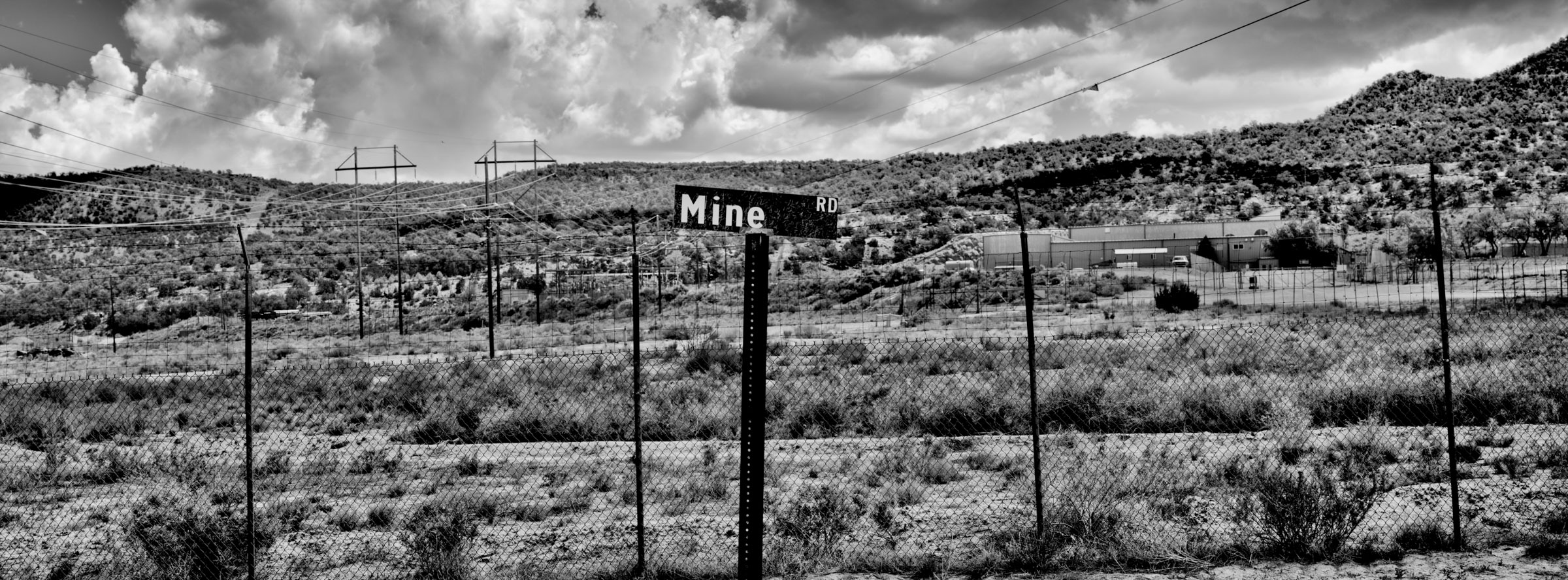
Читать далееMore expansive than the island of Manhattan, Thacker Pass in northern Nevada is the biggest U.S. lithium-mining project developed in decades. And it’s been one of the country’s most visible flash points in the race to build new critical-mineral mines. While at first spurred by the clean-energy transition, the demand for critical minerals is now driven by their role as essential ingredients for AI data centers.
But local communities aren’t so sure. In northern Nevada, the Fort McDermitt Paiute and Shoshone Tribe has protested Thacker Pass, saying it would destroy sacred Indigenous sites; the tribe negotiated a community-benefits agreement in 2022, but some members have continued to dispute the deal. Meanwhile climate advocates have tried to thread the needle between its potential to produce lithium, a key component of some rechargeable-battery technology needed to manufacture electric vehicles, and mining’s risks to the local environment. Today, Thacker Pass is grinding ahead alongside dozens of other projects in the U.S. facing similar concerns.
Much of the world’s critical-mineral supply chain currently runs through China, leaving the U.S. vulnerable to geopolitical wrangling. The success of the ongoing American mining renaissance will shape whether the U.S. and other allies can insulate themselves from such challenges—not to mention power the transition to renewable energy. “It is the most important emerging energy-security question,” says Fatih Birol, the executive director of the International Energy Agency.
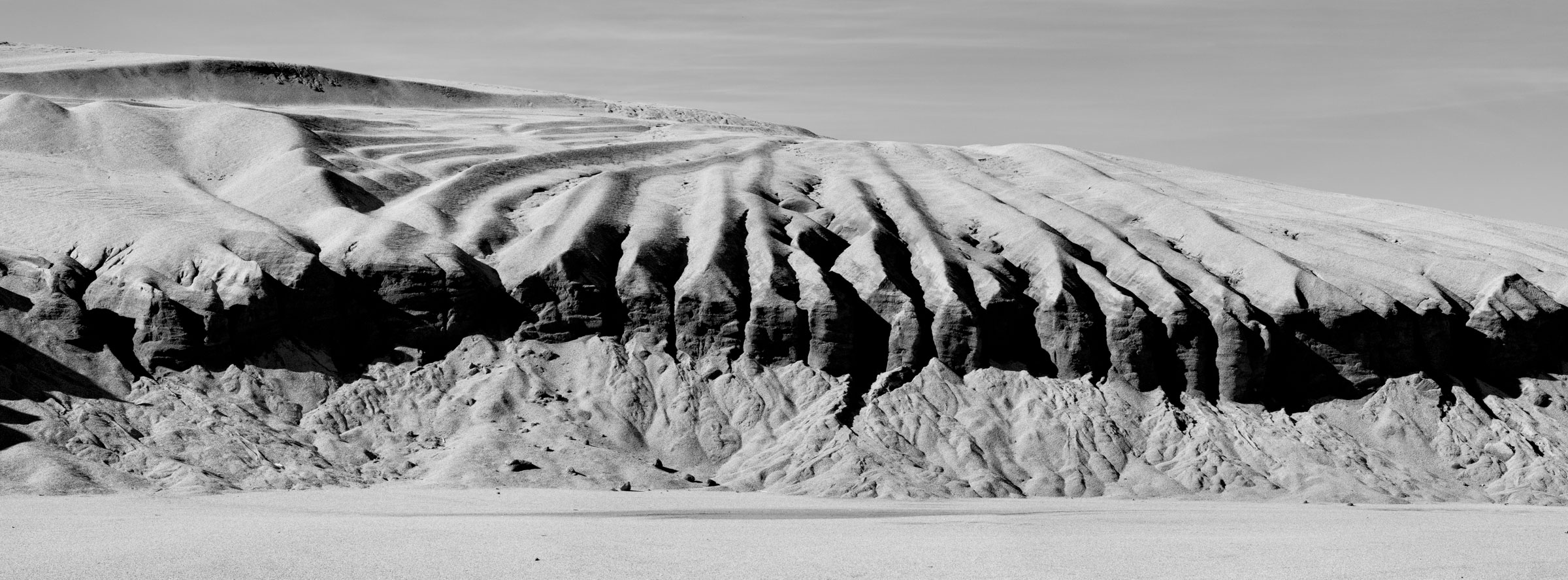




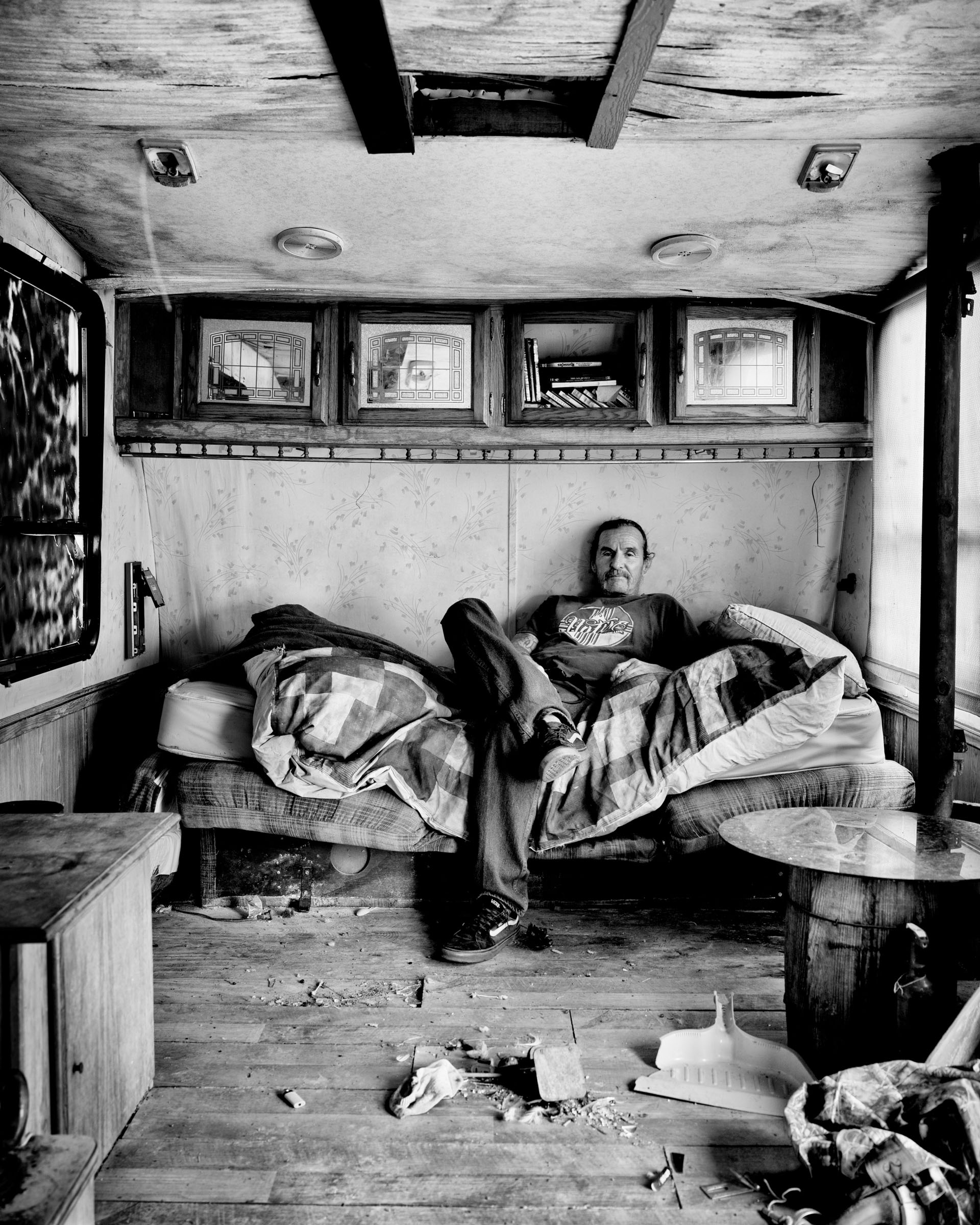
Across political parties and ideological camps, policymakers agree the U.S. must bring some mining and processing capacity home. But many environmentalists and local communities remain concerned about how it’s happening, with 40 mining projects listed as part of a federal fast-track program and projects moving quickly. Today’s rapid development, captured in these up-close images of the new mining boom, will set new precedents for what companies must do—or could get away with—when they want to build megamines. There are no easy answers.
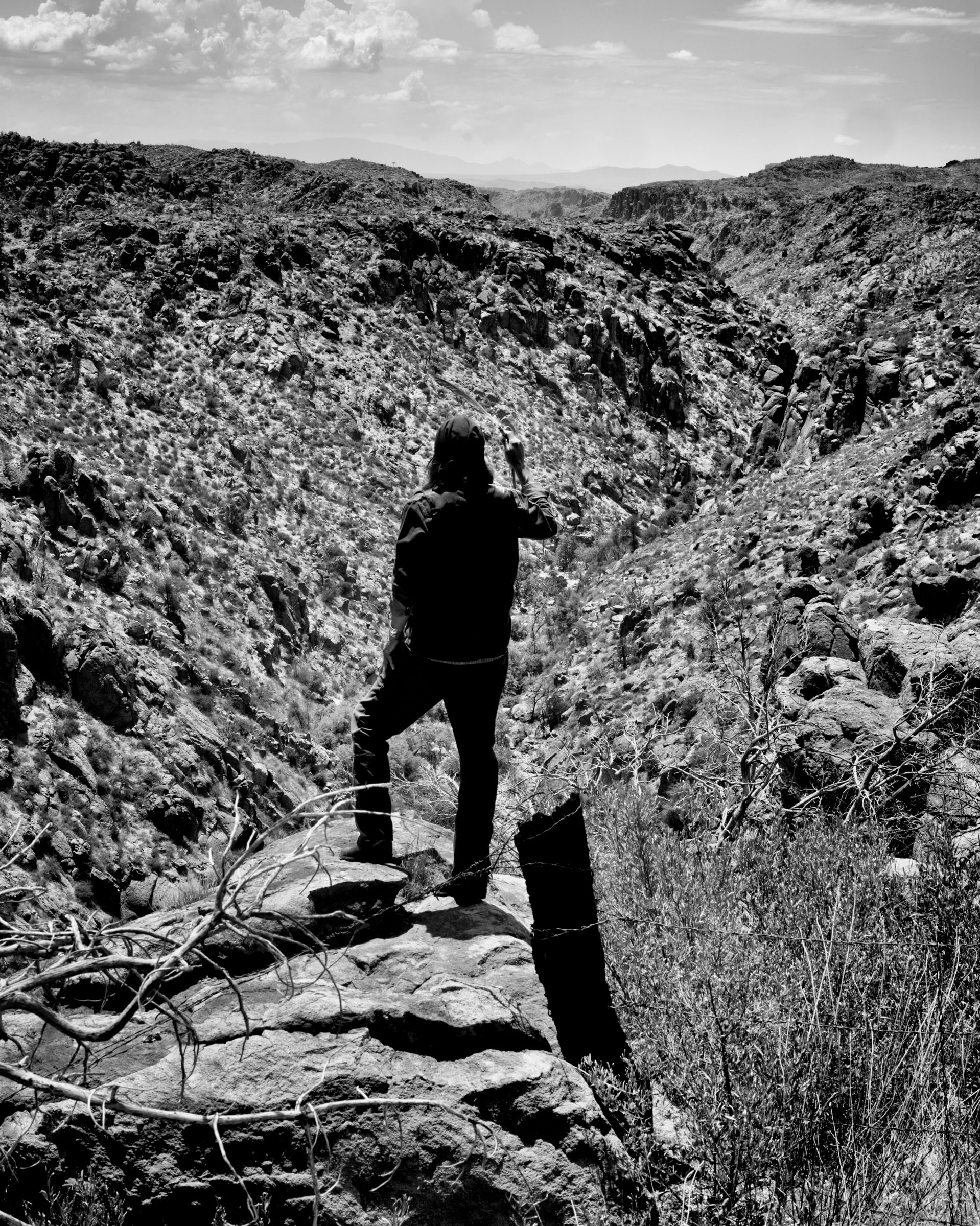
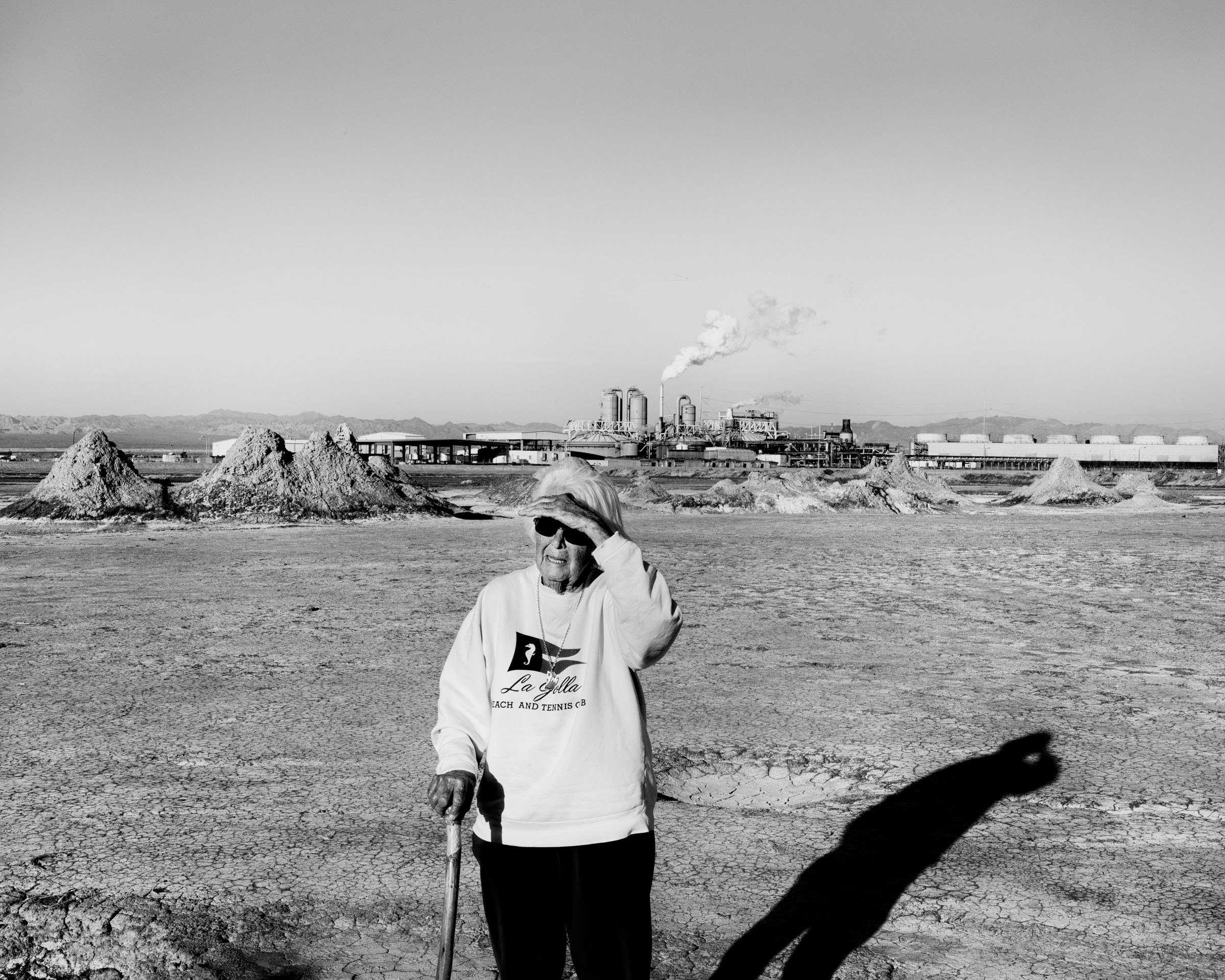
Carmen Lucas is a 90-year-old from the Kwaaymii tribe in California and has been fighting mining developments for over two decades. Her list of grievances is long. Development creates local pollution that harms children’s health and can damage the cultural heritage of Indigenous sites. More than anything, she criticizes developers for treating the land as if it’s empty. “Washington is looking at the Imperial Valley and saying that’s just a desert, that’s just wasteland,” she says. Today, she is championing opposition to a project to tap into a lithium reserve beneath the southern end of California’s Salton Sea, where reserves are worth more than $500 billion. “It has been mandated by the United States government and the state of California to annihilate the California Indians since the Gold Rush,” she says. “And I’m still watching it today.”
Lucas and the Kwaaymii tribe are far from alone. Globally, more than half of the minerals needed for the energy transition are on or near the land of Indigenous or other land-connected peoples, according to research published in the journal Nature Sustainability. Historically, these communities have been displaced, or suffered from polluted air and water as a result—even long after the mines close. At the former site of the Tar Creek mine in Oklahoma, which stopped operating in the 1970s, for example, generations have suffered from the mining remnants that have seeped into the soil and ground-water, leading to neurological damage and stunting development in local children.
In the U.S., community buy-in is often the biggest factor determining whether a project will receive the necessary permits. “You have to embrace social license to operate and say it’s not just a real thing, it’s as important, if not more, than the permit,” says Pat Risner, the president of mining company South32’s zinc and manganese Hermosa Project in Arizona. (Getting and maintaining social license to operate remains difficult for any mining company, given the array of community concerns.)
The context at the federal level has also changed. While the Biden Administration touted the need to boost domestic critical-mineral production, action came relatively slowly. But when Beijing countered President Trump’s massive tariffs by threatening U.S. supplies of critical minerals, his Administration found incentive to accelerate permitting and put up federal dollars to buy into companies. Given the stakes, critical-minerals advocates want to avoid the issue becoming partisan, politics being yet another needle for minders to thread. To many of the people on the front lines, though, none of this matters too much. They just want to ensure that this mining revival doesn’t harm their communities.
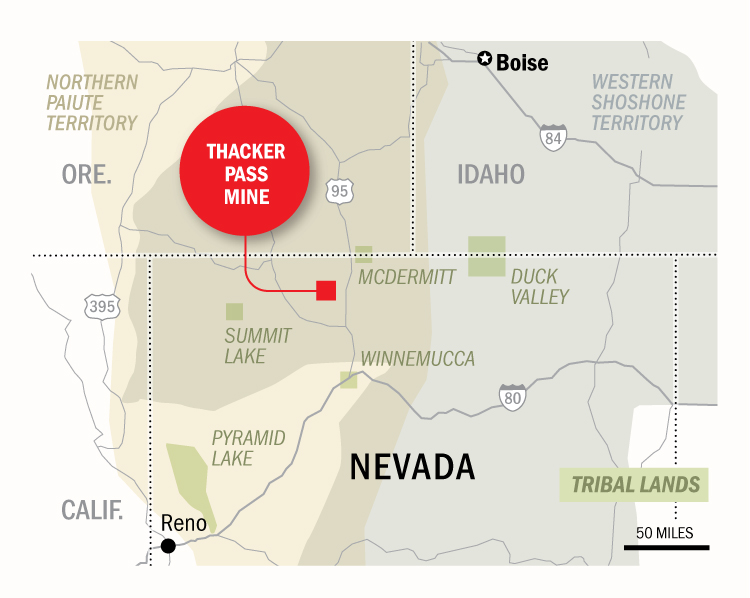
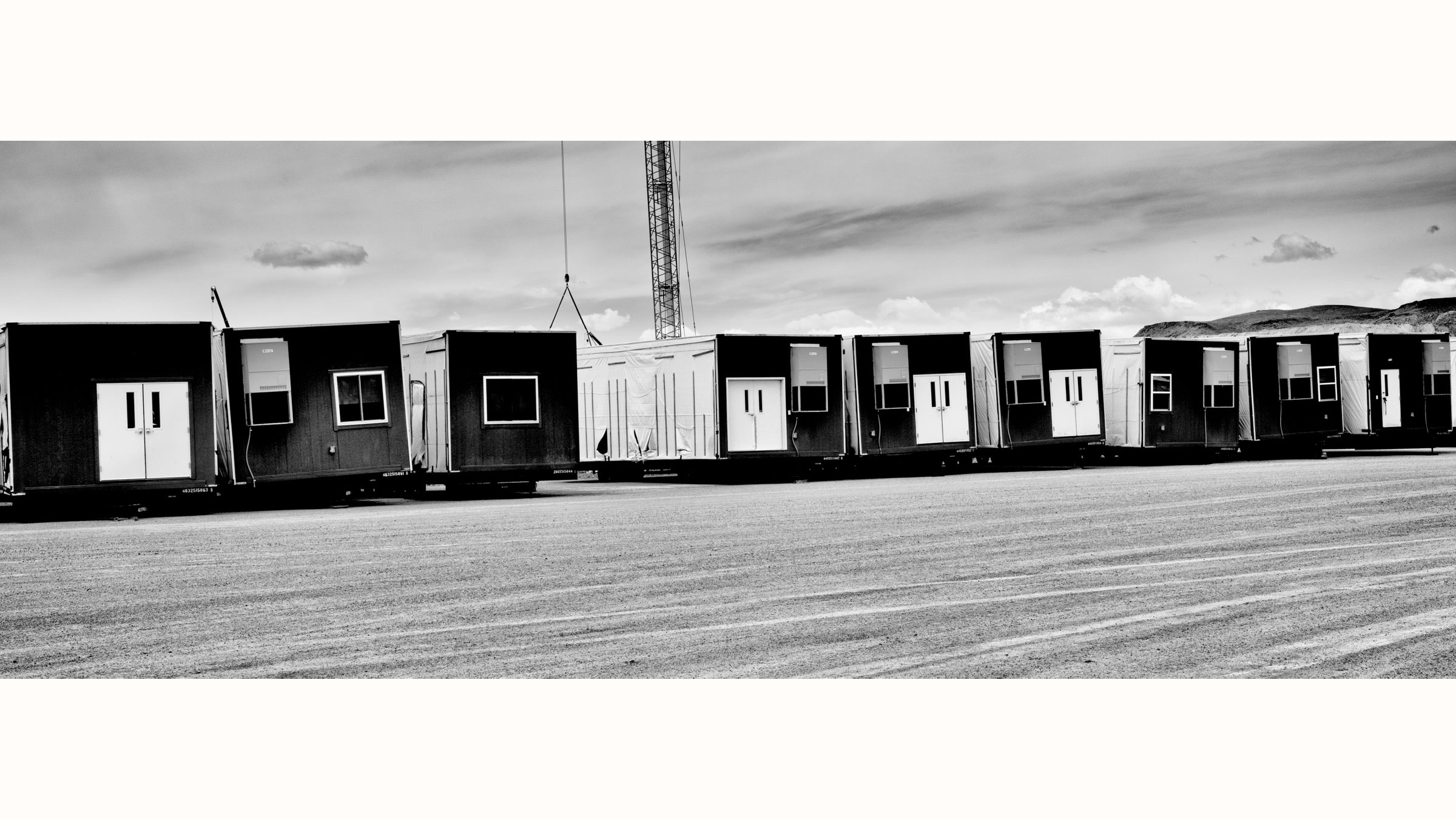
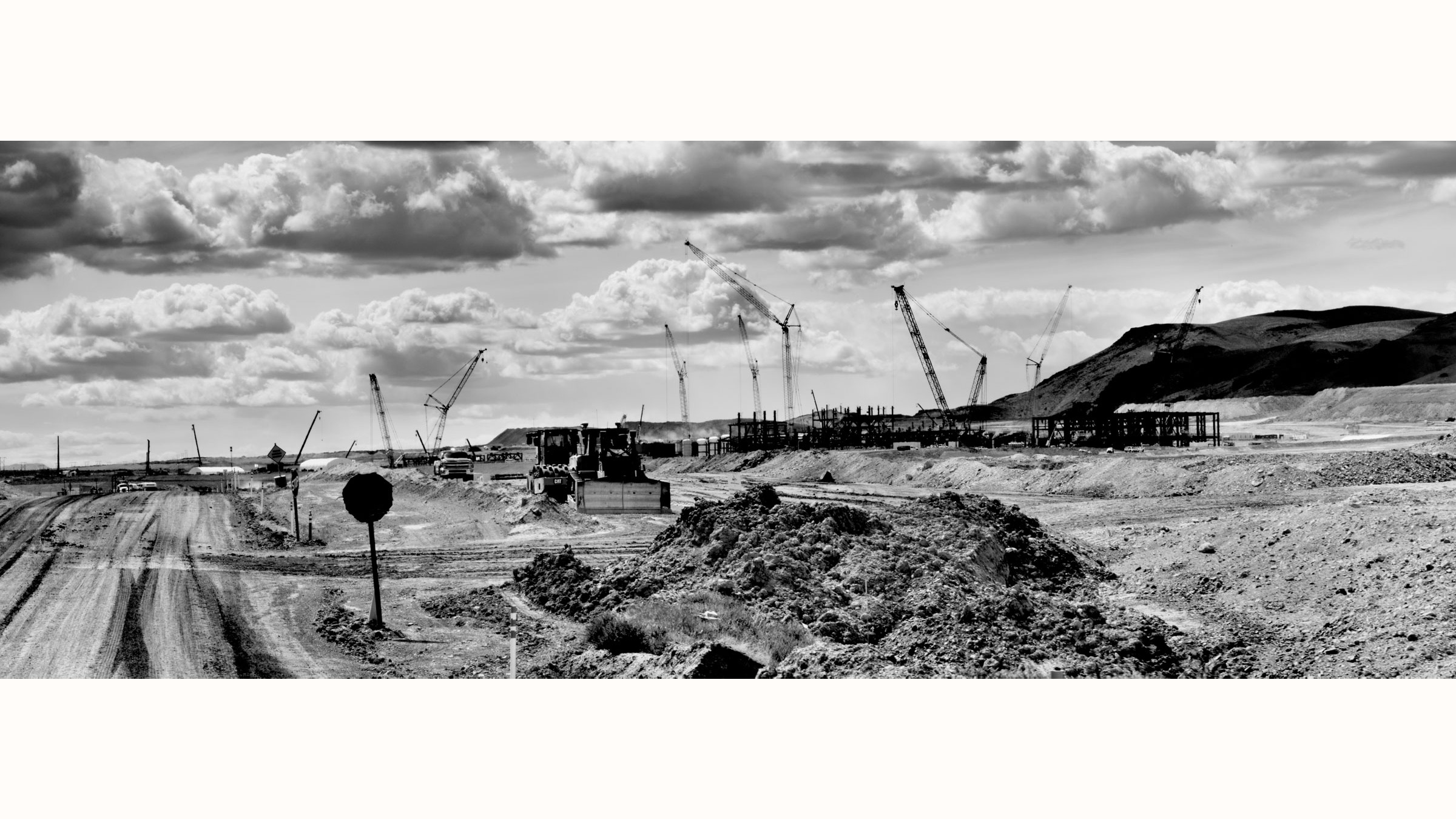
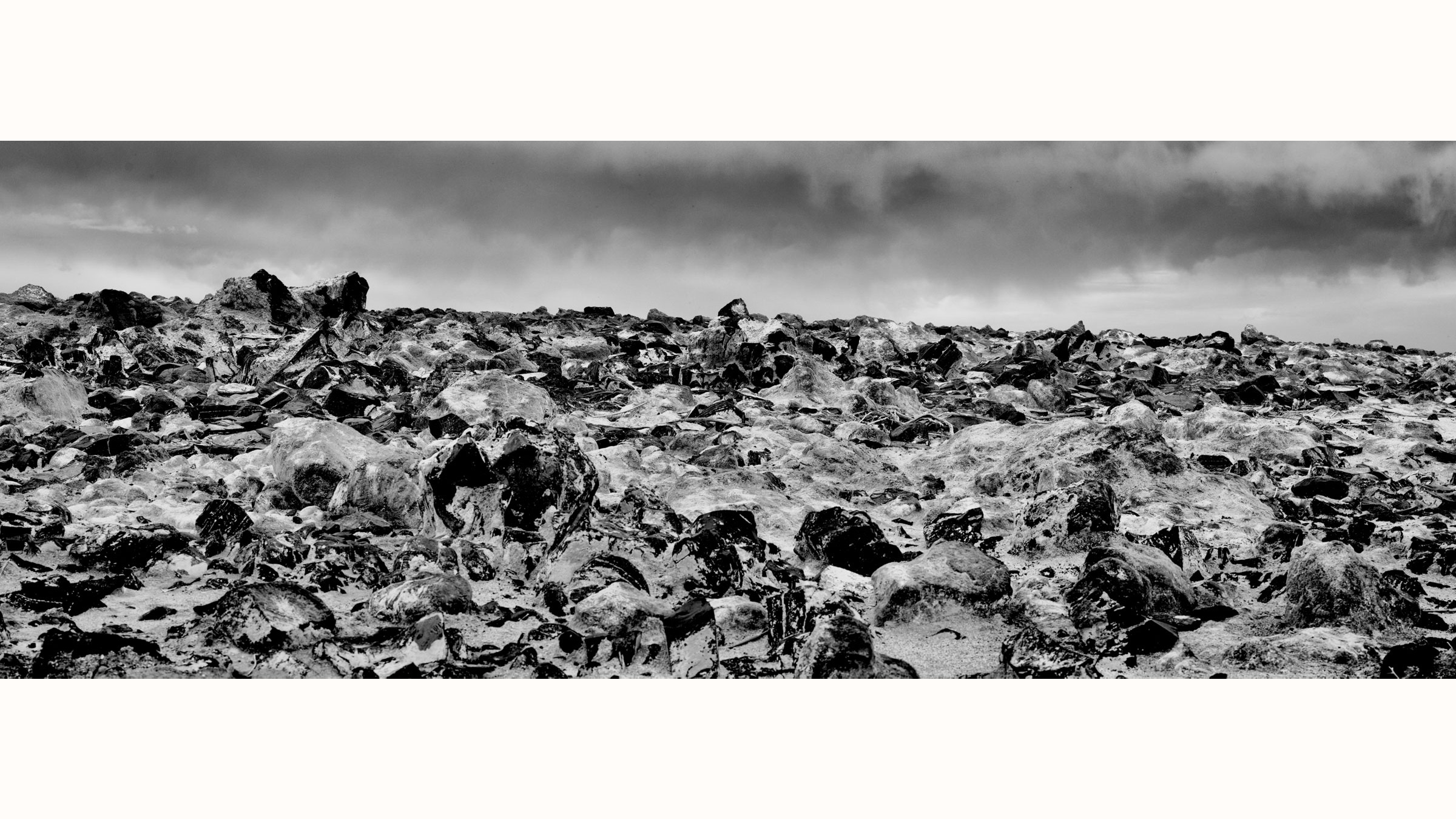
An 18,000-acre project site with billions of dollars of lithium underground, Thacker Pass is the flagship U.S. lithium project. With bipartisan federal support, it broke ground in 2023 after clearing a range of permitting hurdles. And yet a bitter taste remains for some community members who say that Thacker Pass will damage historic sites sacred to the Paiute, Shoshone, and Washoe tribes. Others have spoken out in support thanks to the promise of economic development beyond the 1,000 people who work on the site. The project, a priority for the Trump Administration, has also received attention for its unique financing structure. The Department of Energy took a 5% equity stake in both the project and the company developing it.

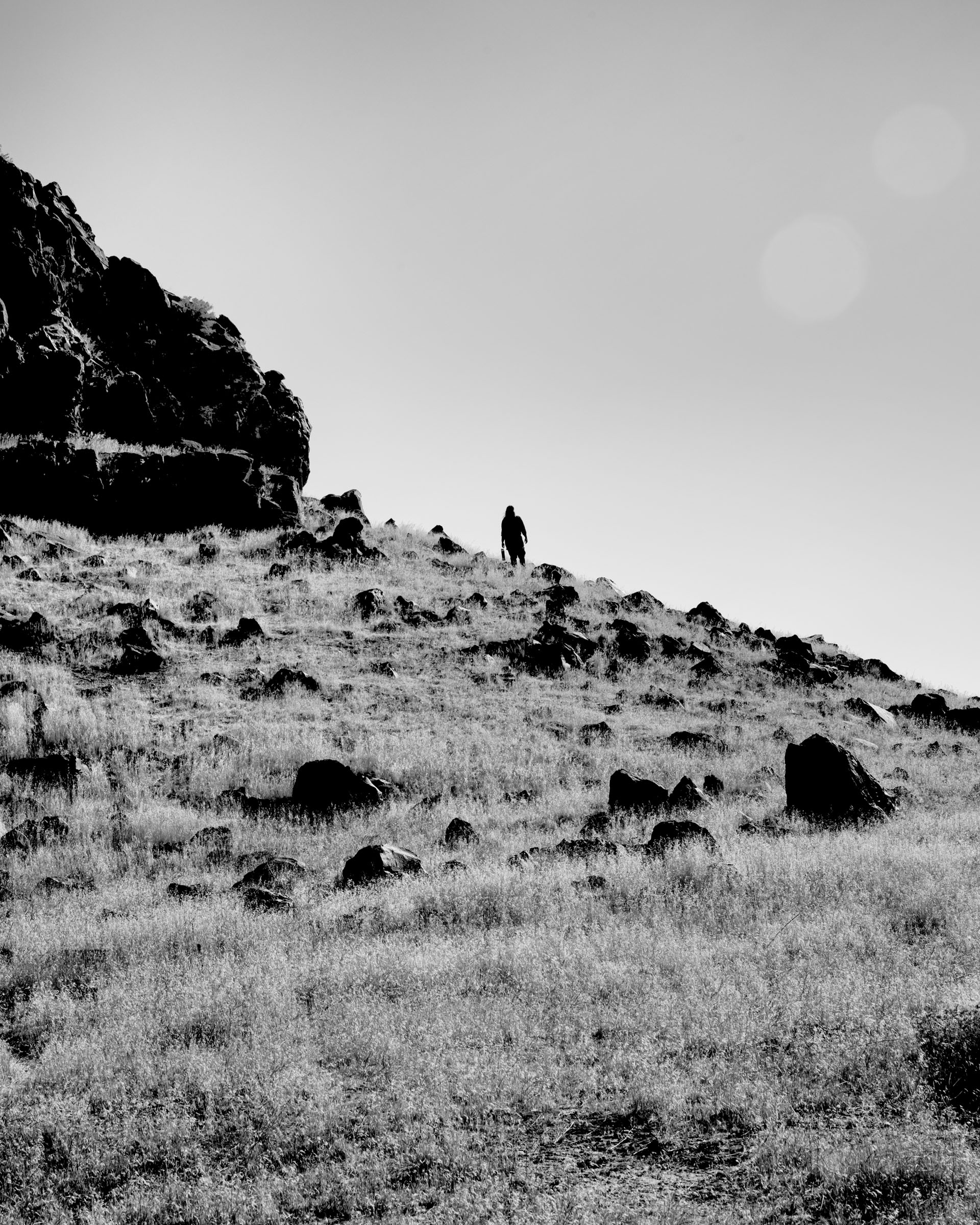

Indigenous peoples, generational ranchers, rural communities—we shouldn’t be sacrificed in the name of the greater good. A lot of people think they are doing great by buying an electric car, but they don’t realize who that is impacting.
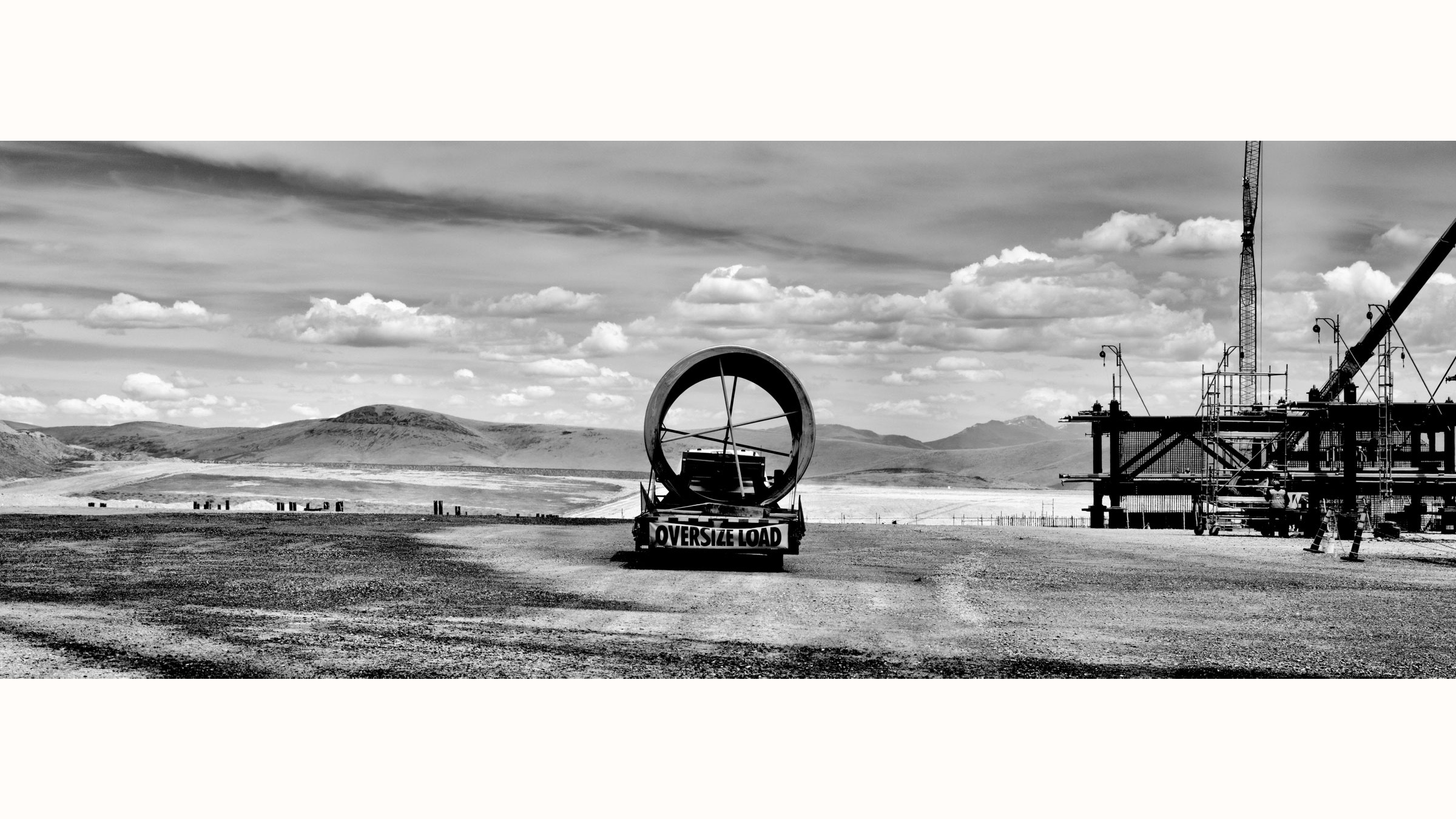


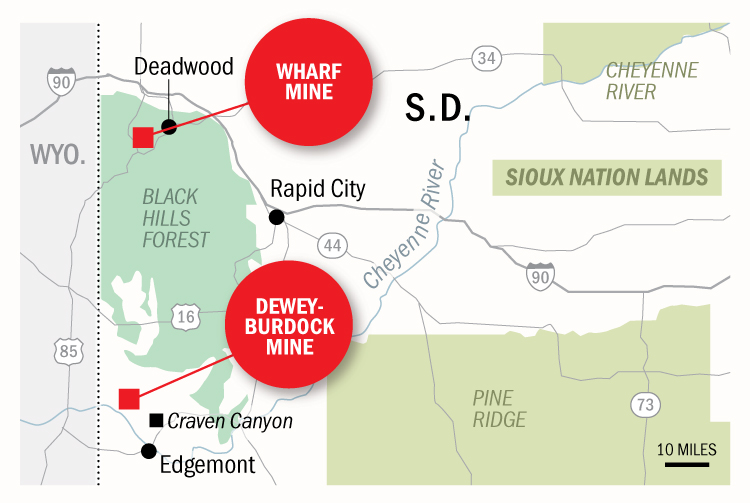
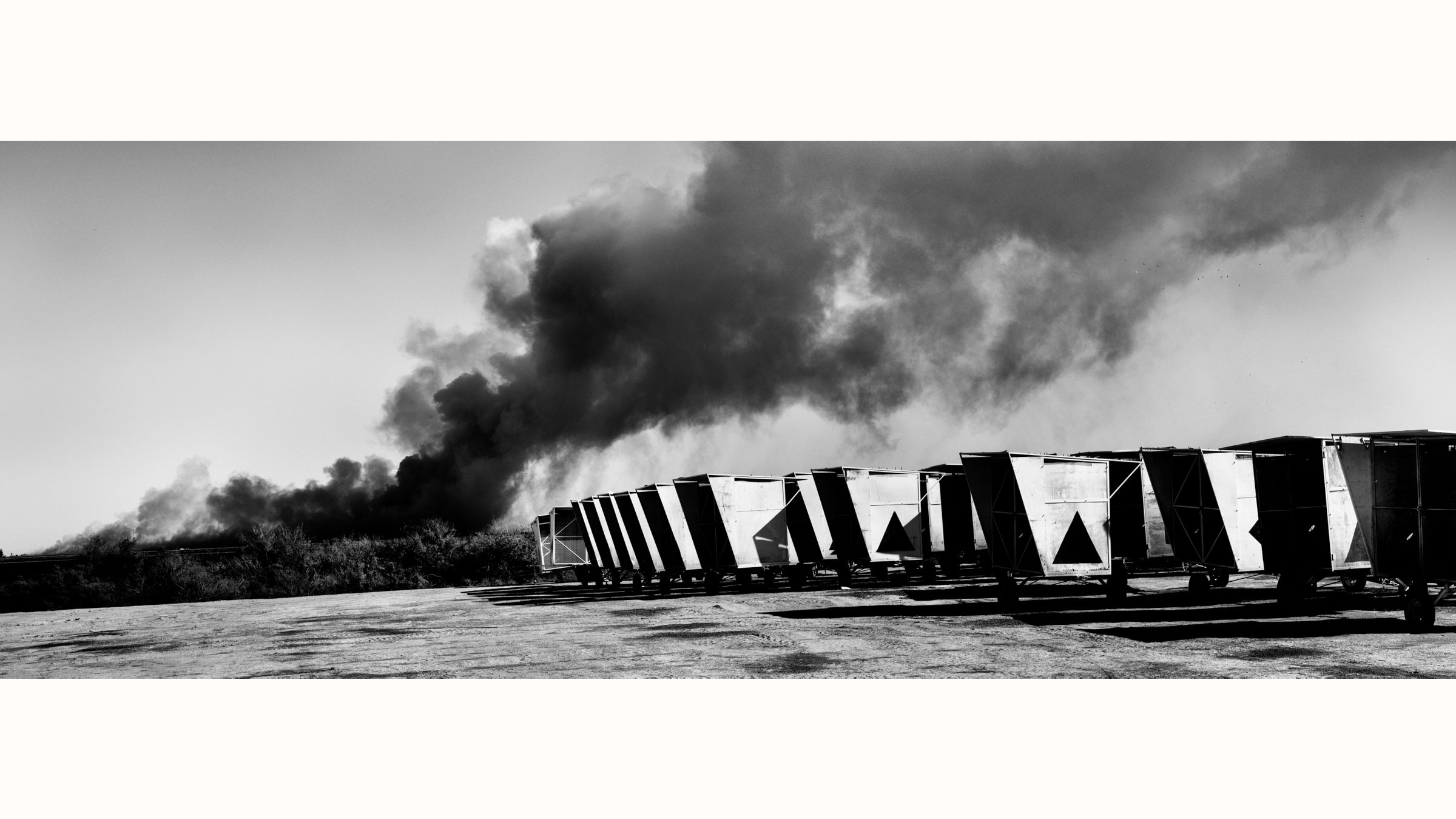
Demand for gold has skyrocketed thanks to geopolitical tensions and supply-chain disruptions. The mines in the Black Hills area of South Dakota, which date back to the 19th century, are now seeing a modern-day gold rush. Even as gold production has dwindled, revenues have soared thanks to higher prices driven by gold’s role as a safe-haven asset as well as its role in advanced electronics and aerospace. Mining companies want to produce more.
But the mining revival extends beyond gold. The Dewey Burdock Uranium Project, also in Black Hills, is being fast-tracked by the federal government to serve the growing demand for nuclear power. Tribes are fighting back mine by mine, citing everything from threats to sacred land to water contamination. Indeed, the nearby history carries warnings. Past uranium mining contaminated local water systems.
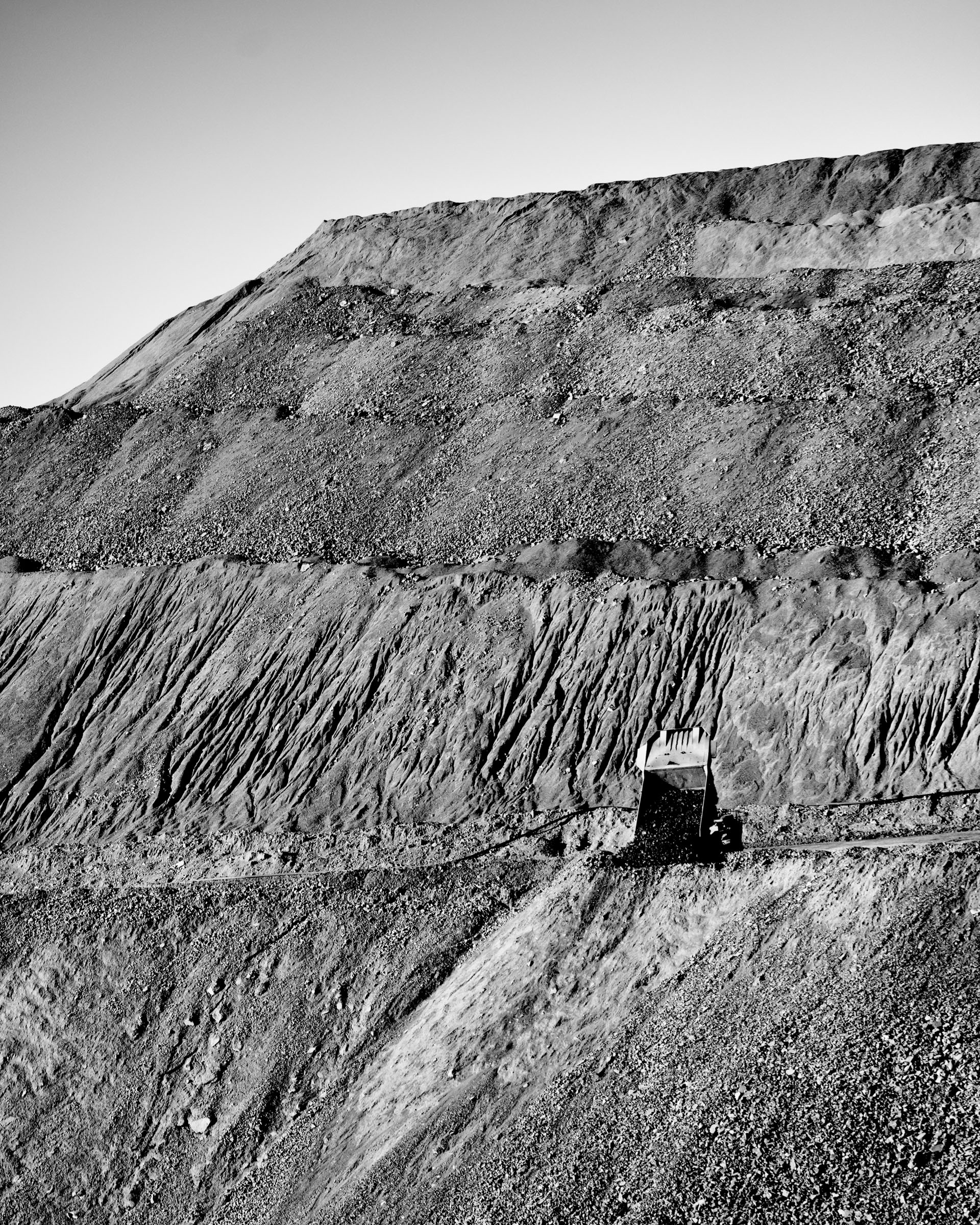
One thing that is unique in the American West is our mining is still governed by the 1872 mining law, which was designed specifically to encourage westward expansion and the staking of mine claims on Indigenous lands, and it includes no environmental provisions. There's no requirement to get the consent from tribes whose lands mining affects.
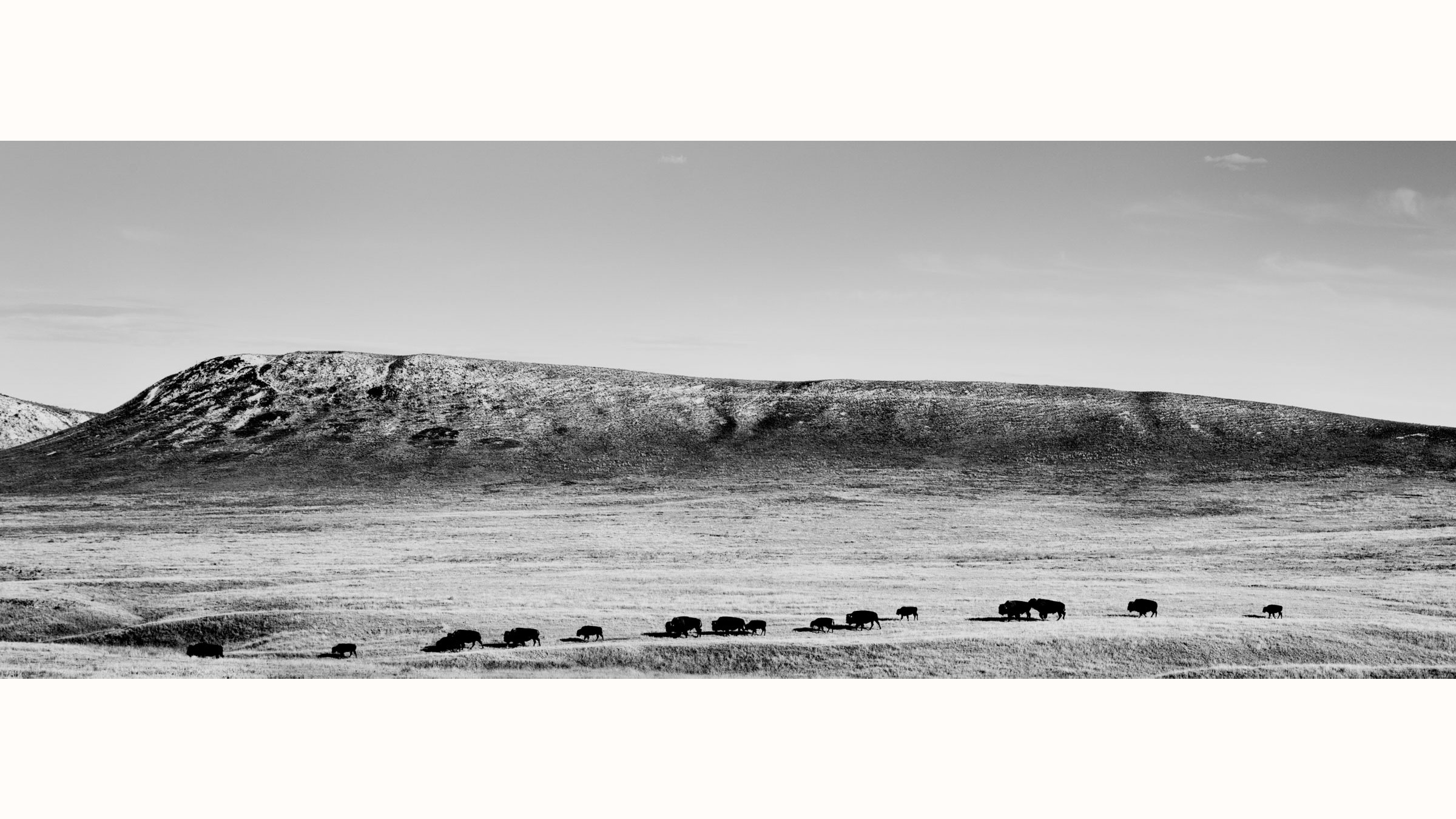
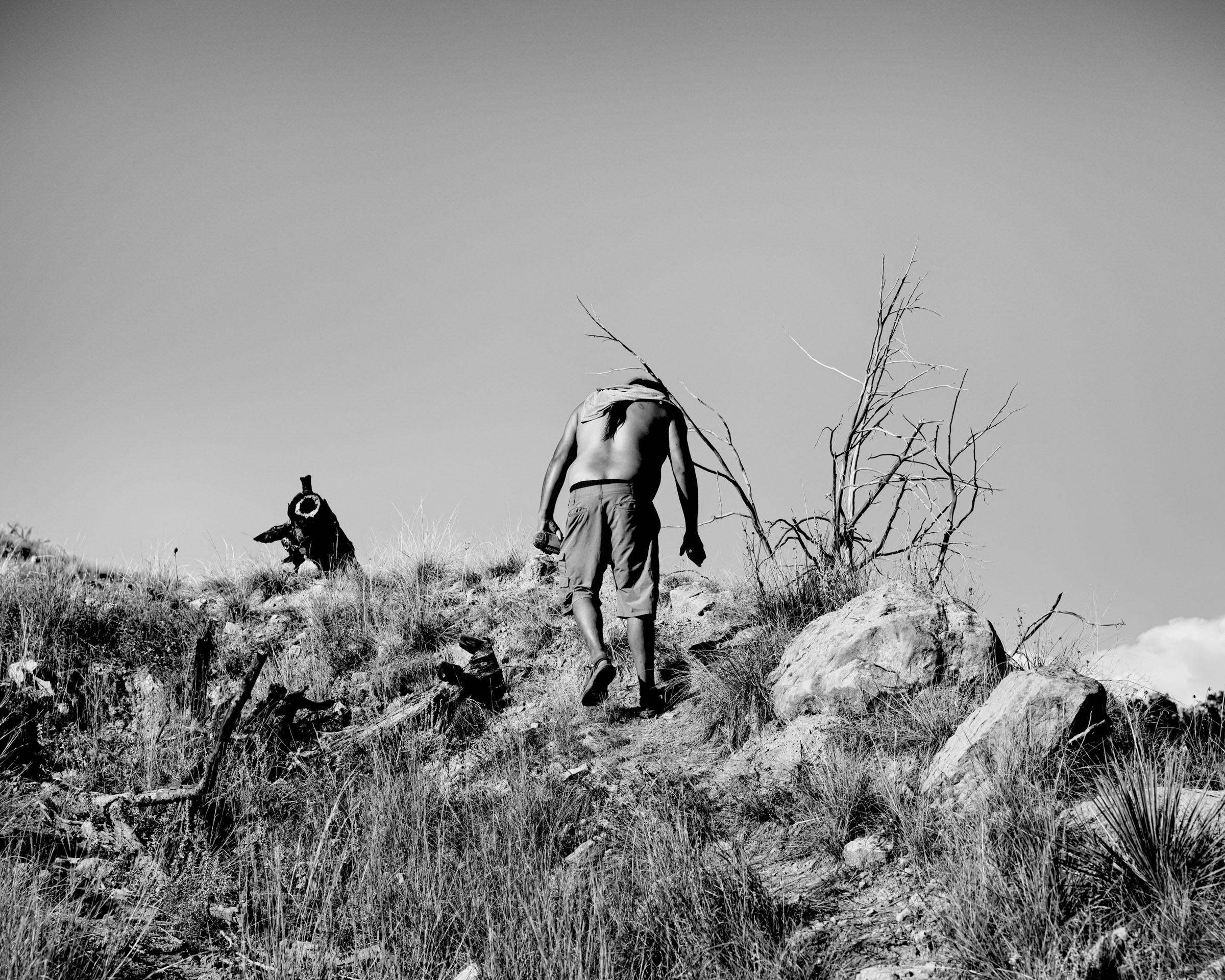


The Black Hills, Bear Butte, Mato Tipila, all these sacred spots here in South Dakota, those are our Bibles. That's where we go to pray.
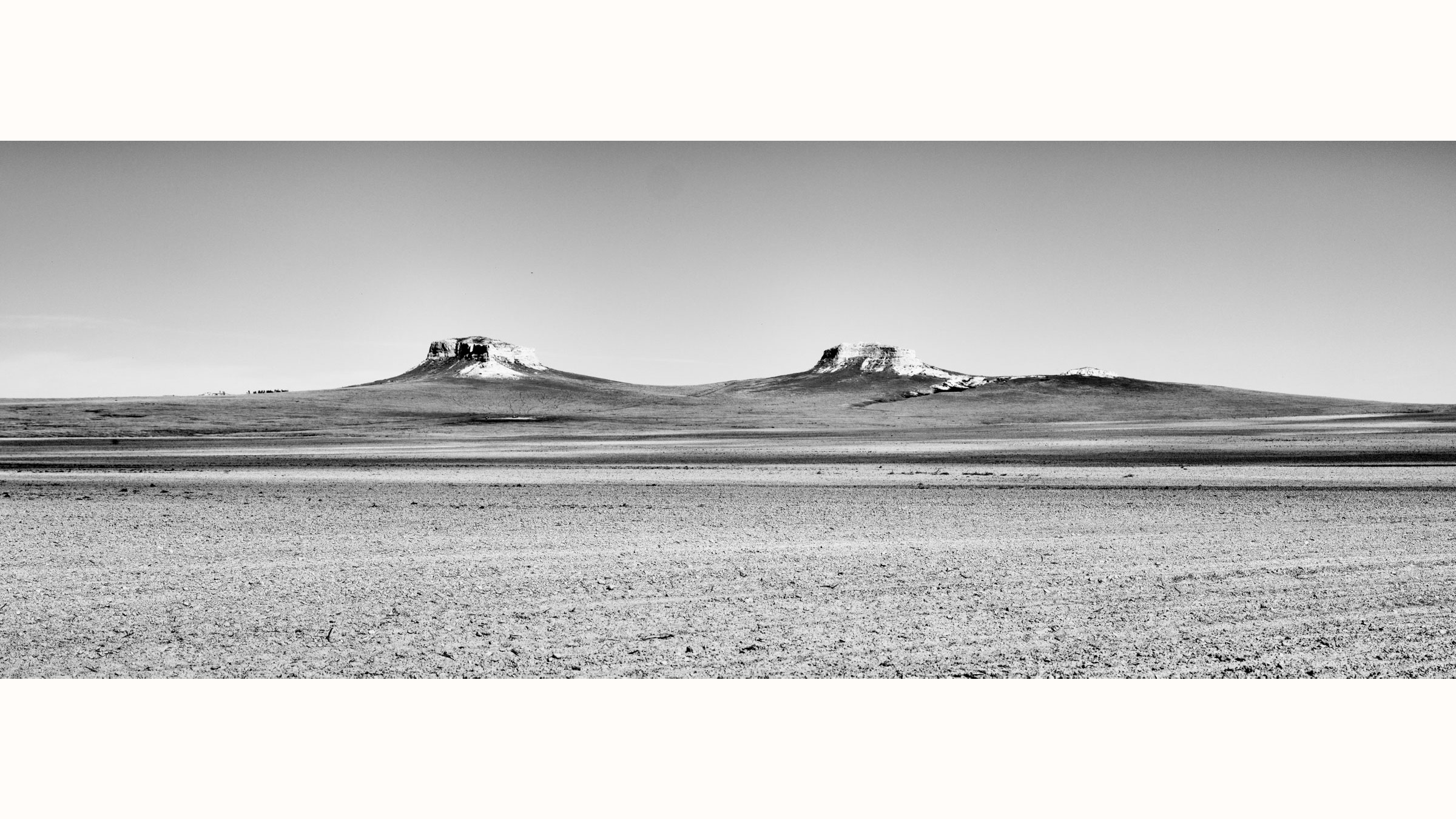
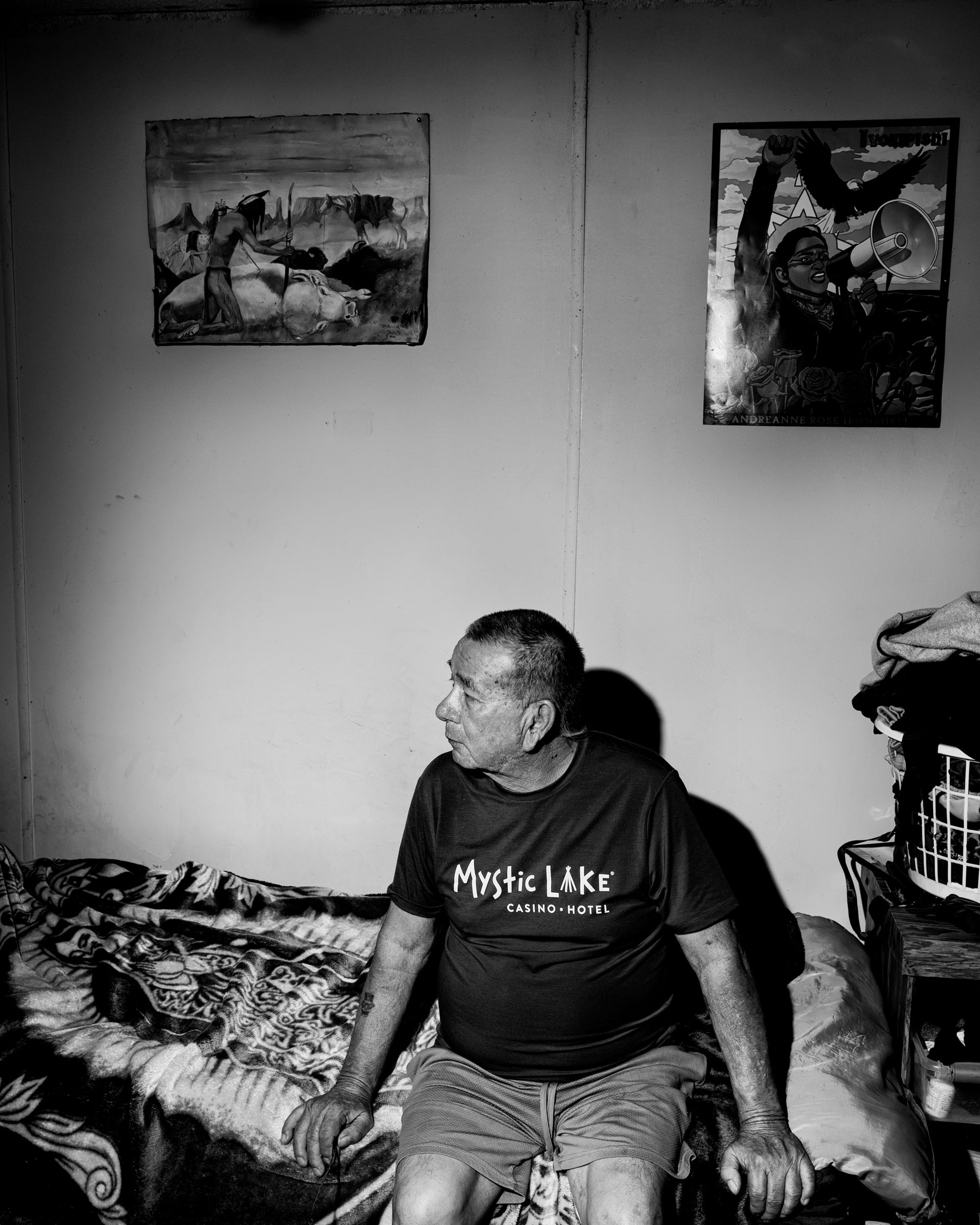
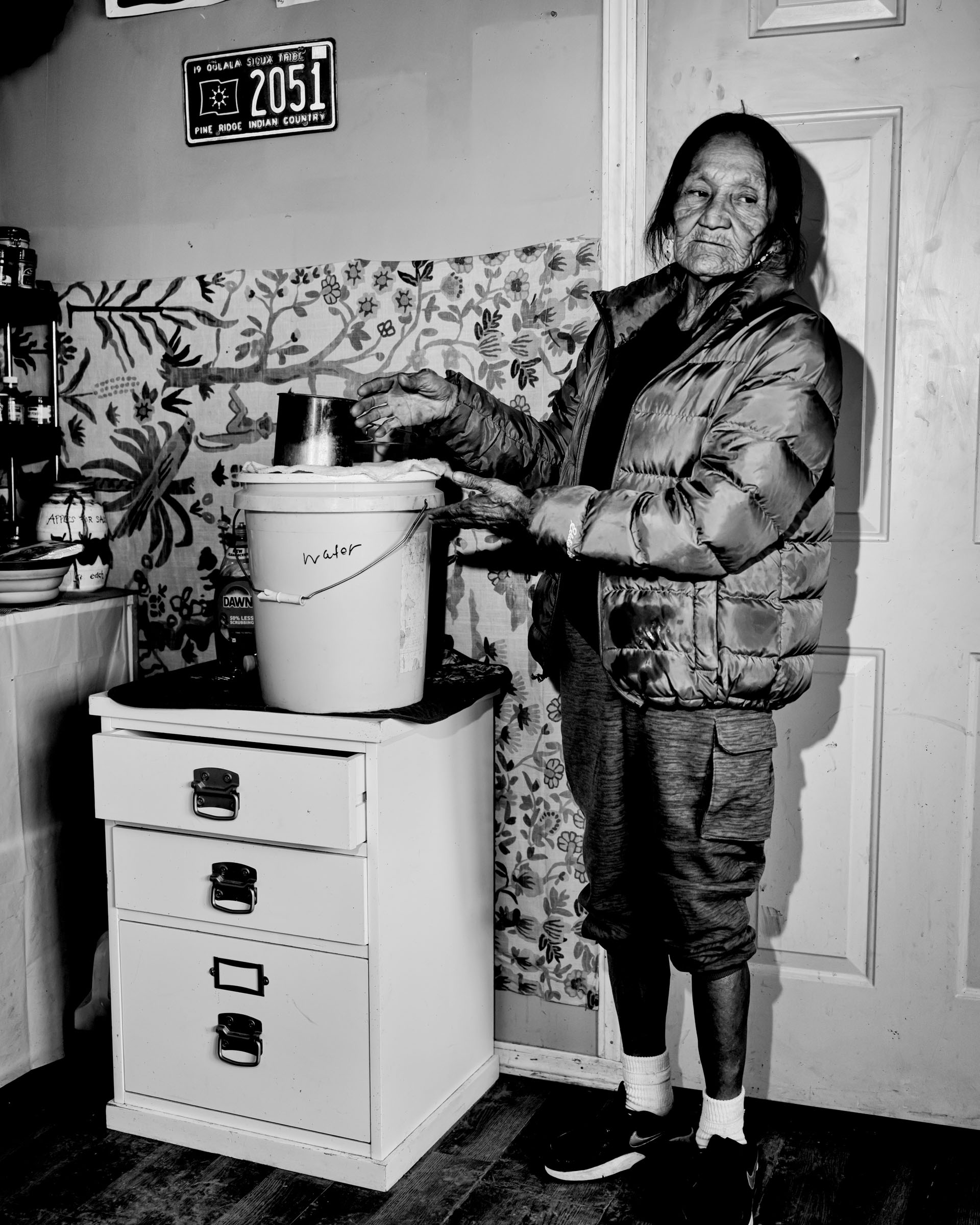

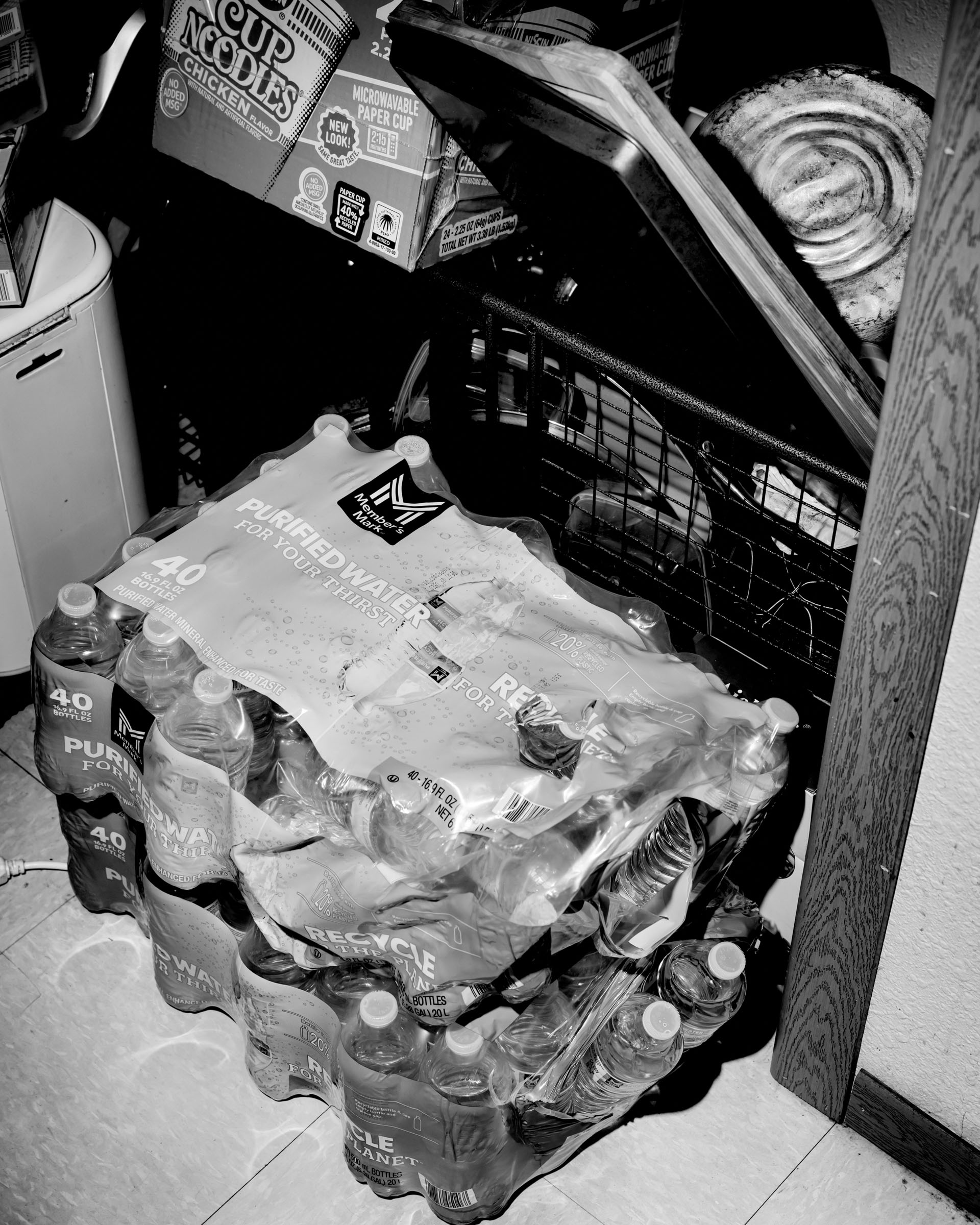
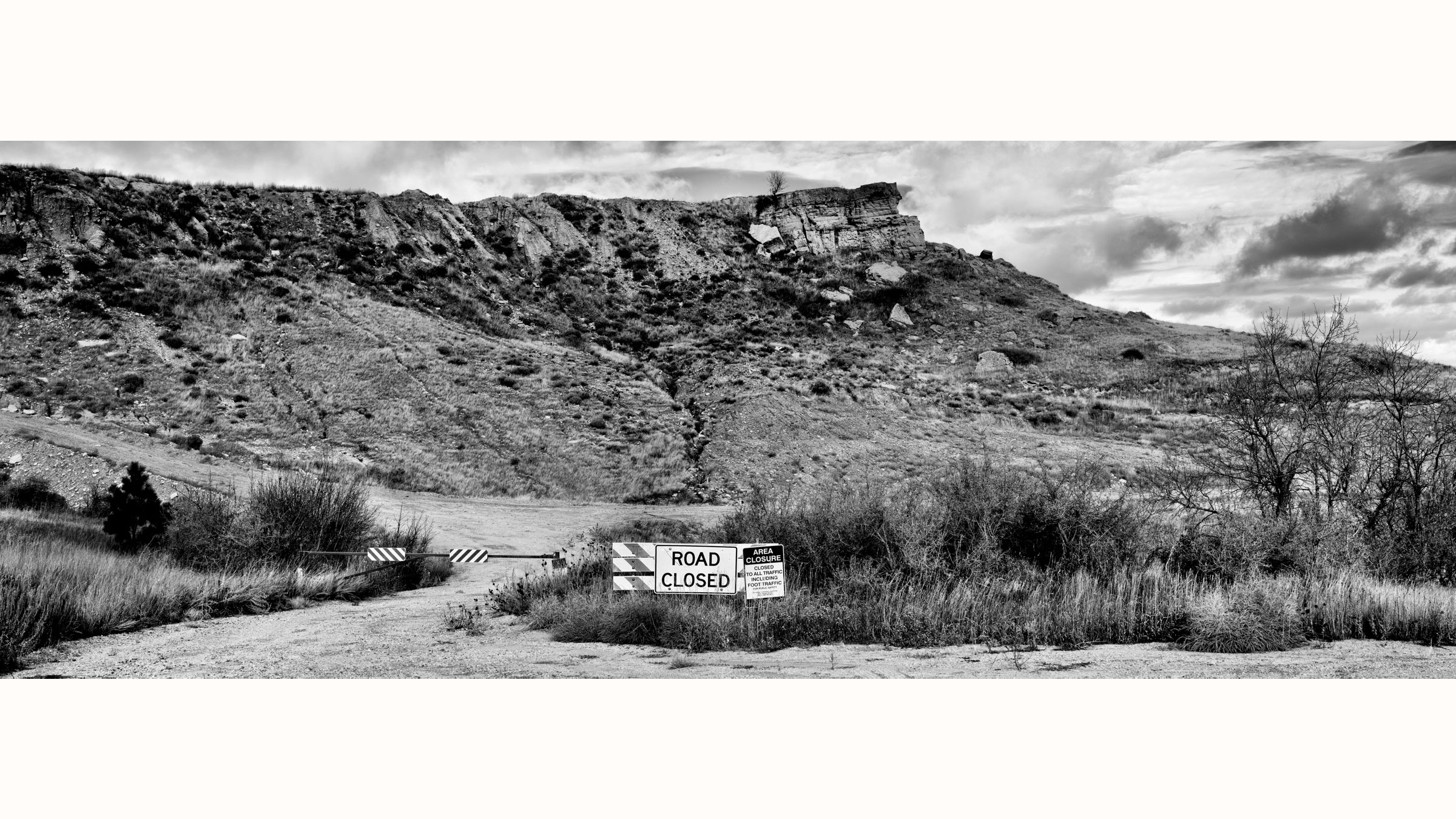
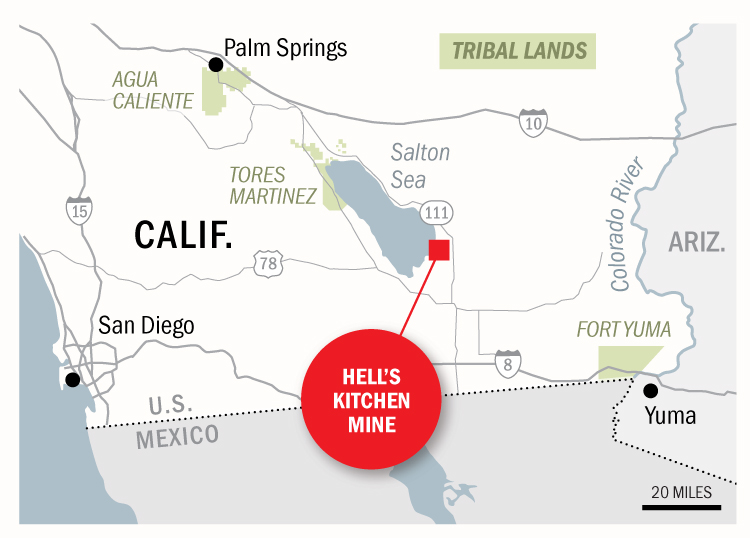
The Hell’s Kitchen megaproject on the shore of California’s Salton Sea is a $1.8 billion bet on a massive, first-of-its-kind geothermal power and lithium-extraction facility. Developers aim to start up the facility’s new geothermal power production first, with lithium mining to follow. While the county and Controlled Thermal Resources, the mine’s owner, last year defeated a lawsuit that attempted to halt operations there, community opposition remains strong and opponents are appealing. The project sits in a low-income, heavily Latino, environmentally over-burdened valley with some of the worst air quality in the country. Tensions are also rife over the mine’s water consumption and the terms of its community-benefit agreement. Meanwhile, as demand for lithium for EV batteries has softened, the company has emphasized that both its geothermal energy and minerals can serve the AI-driven data-center boom.



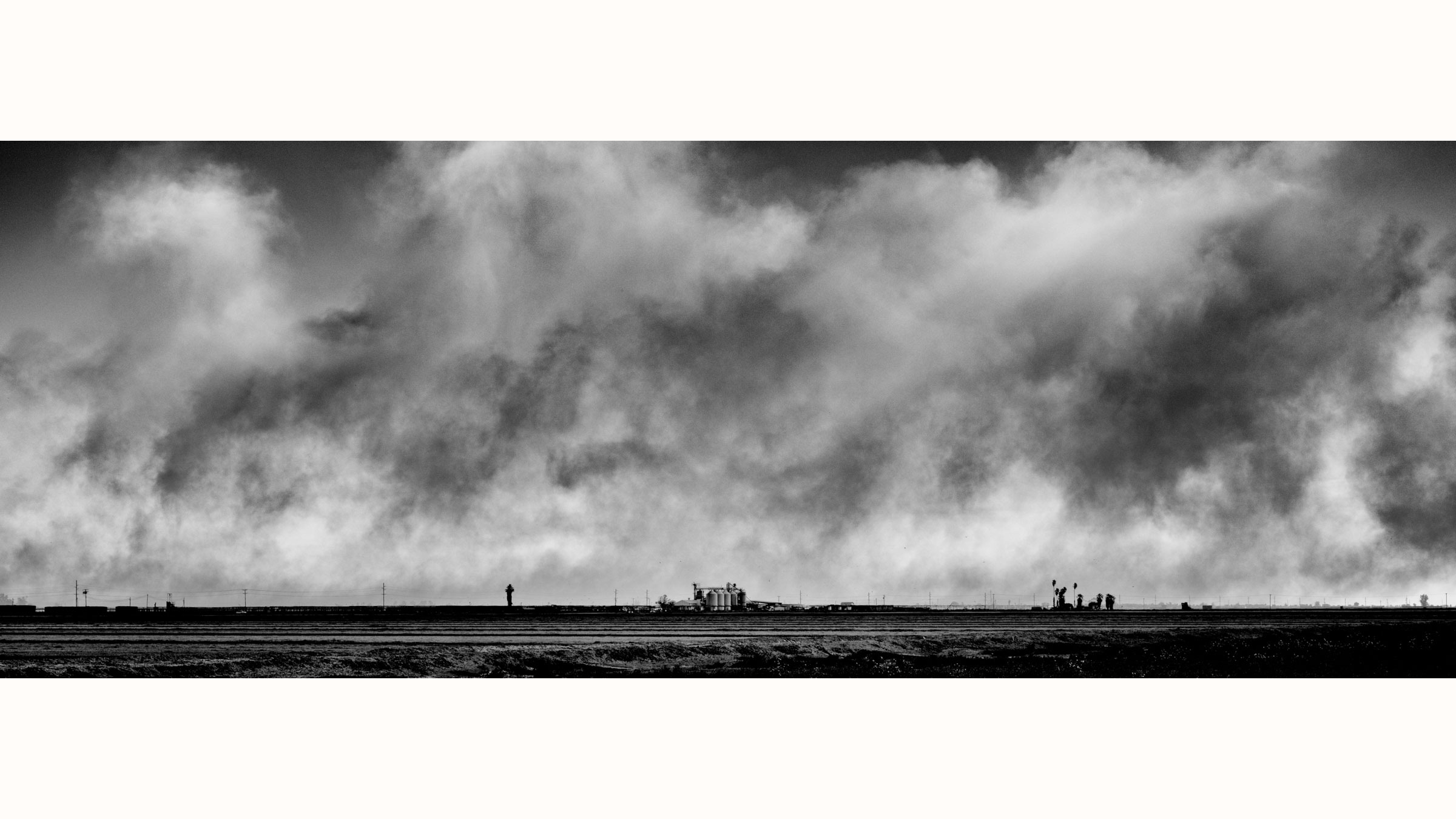
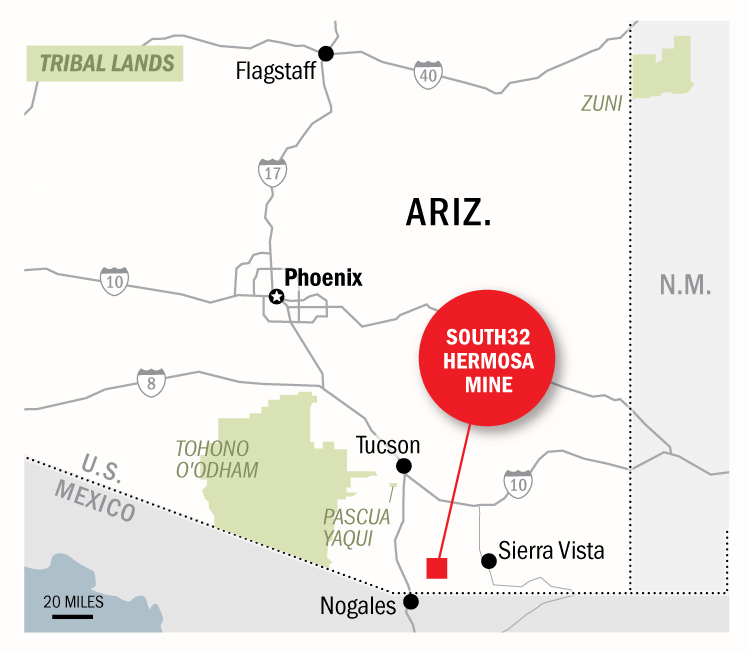
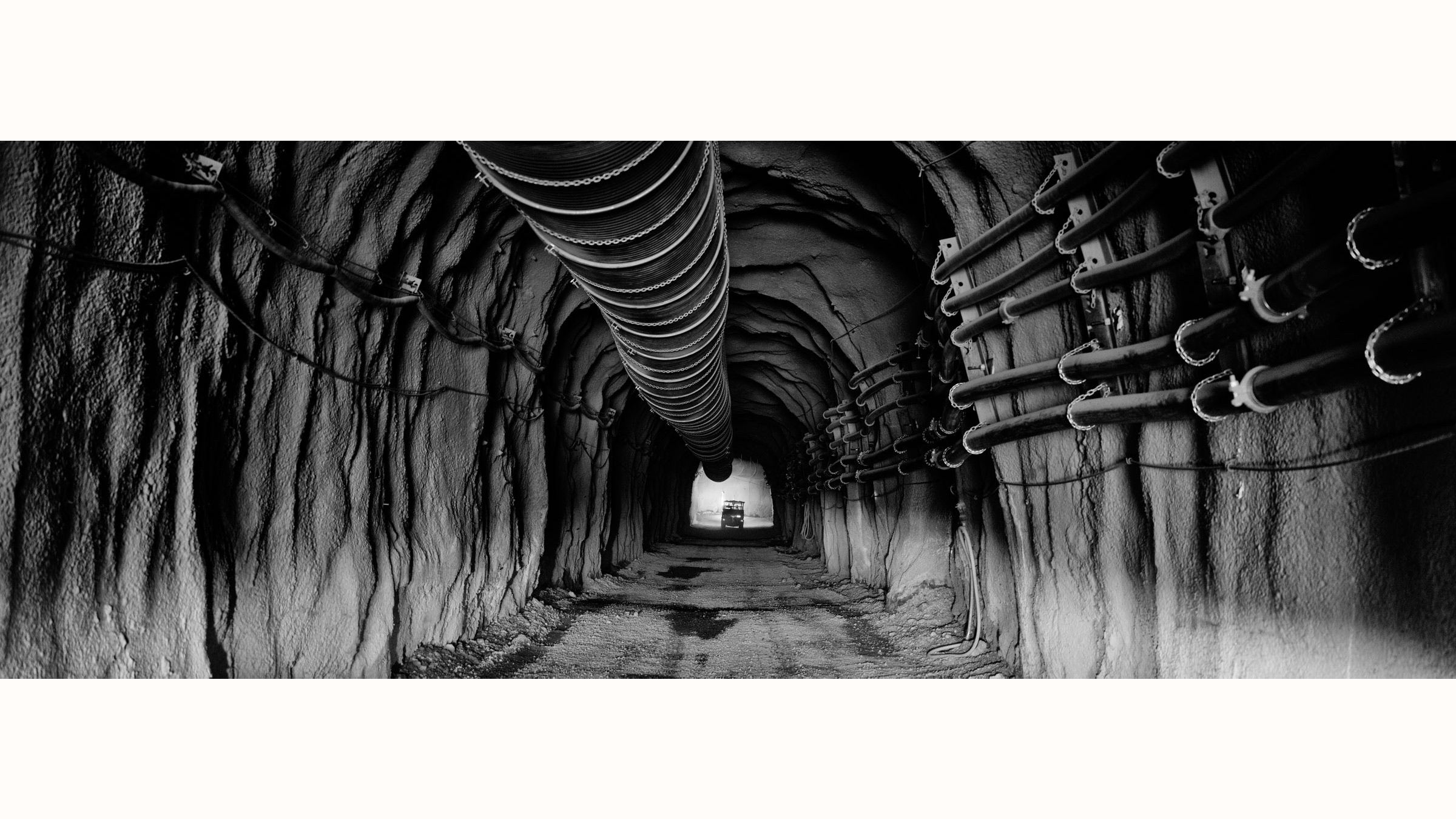
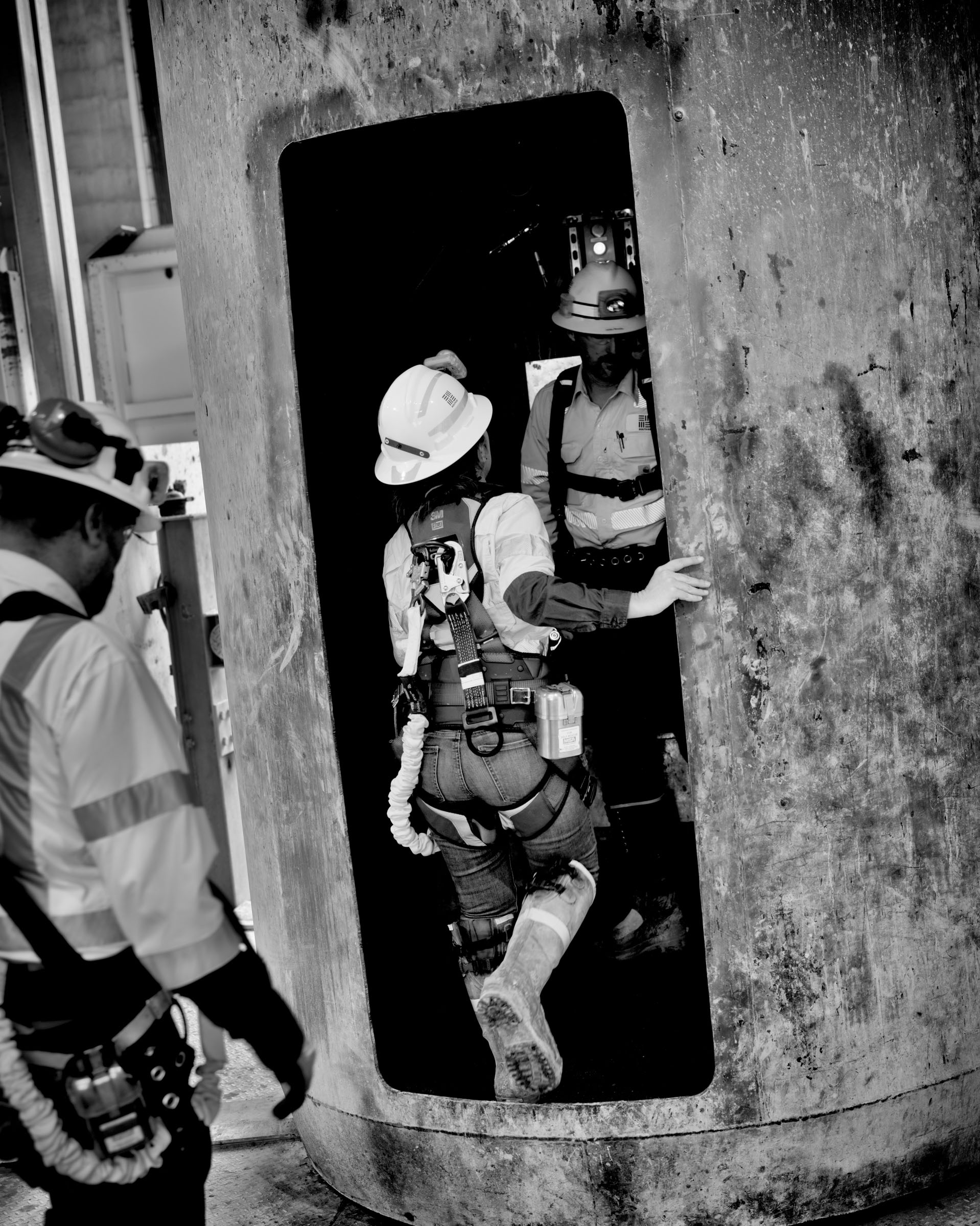
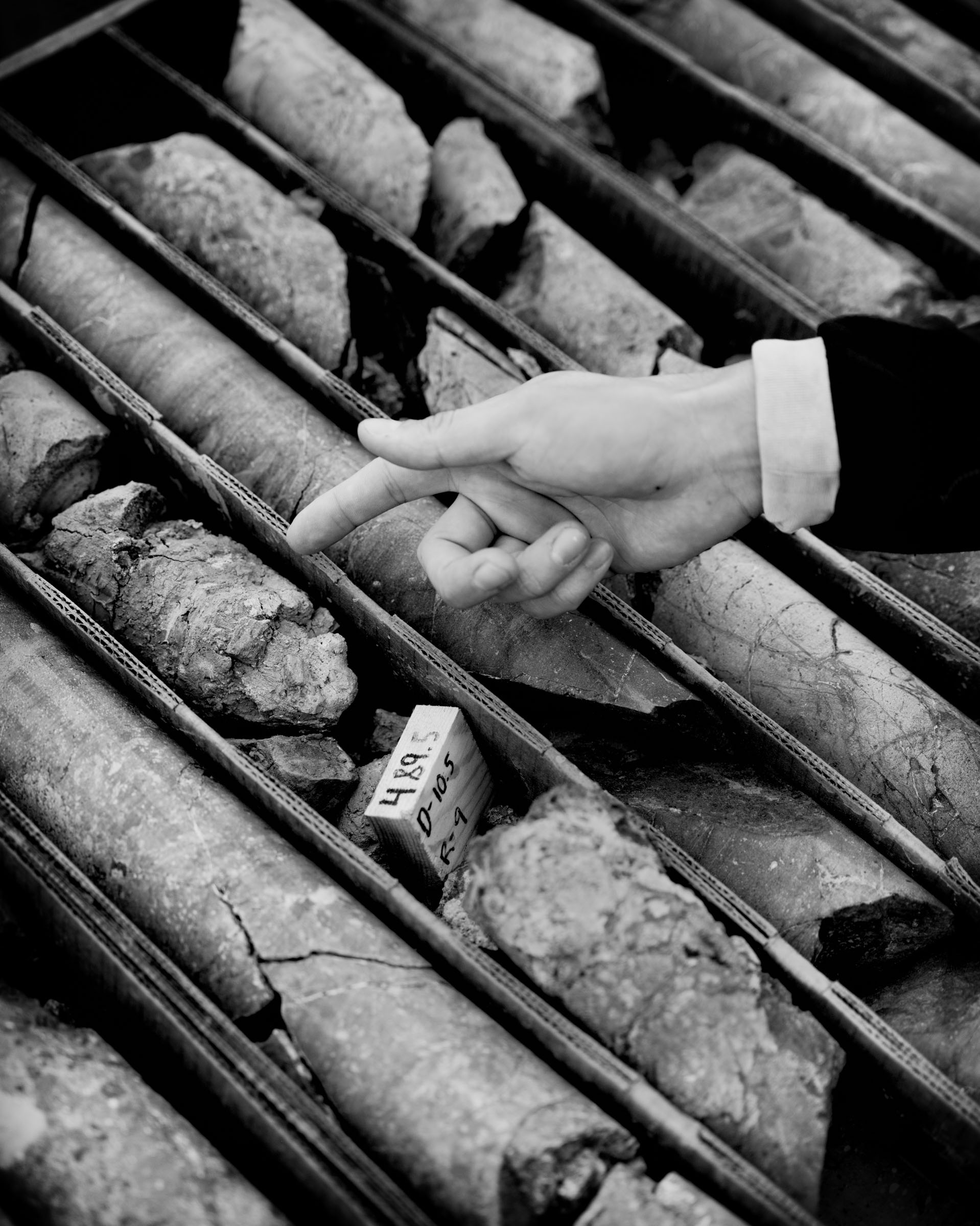
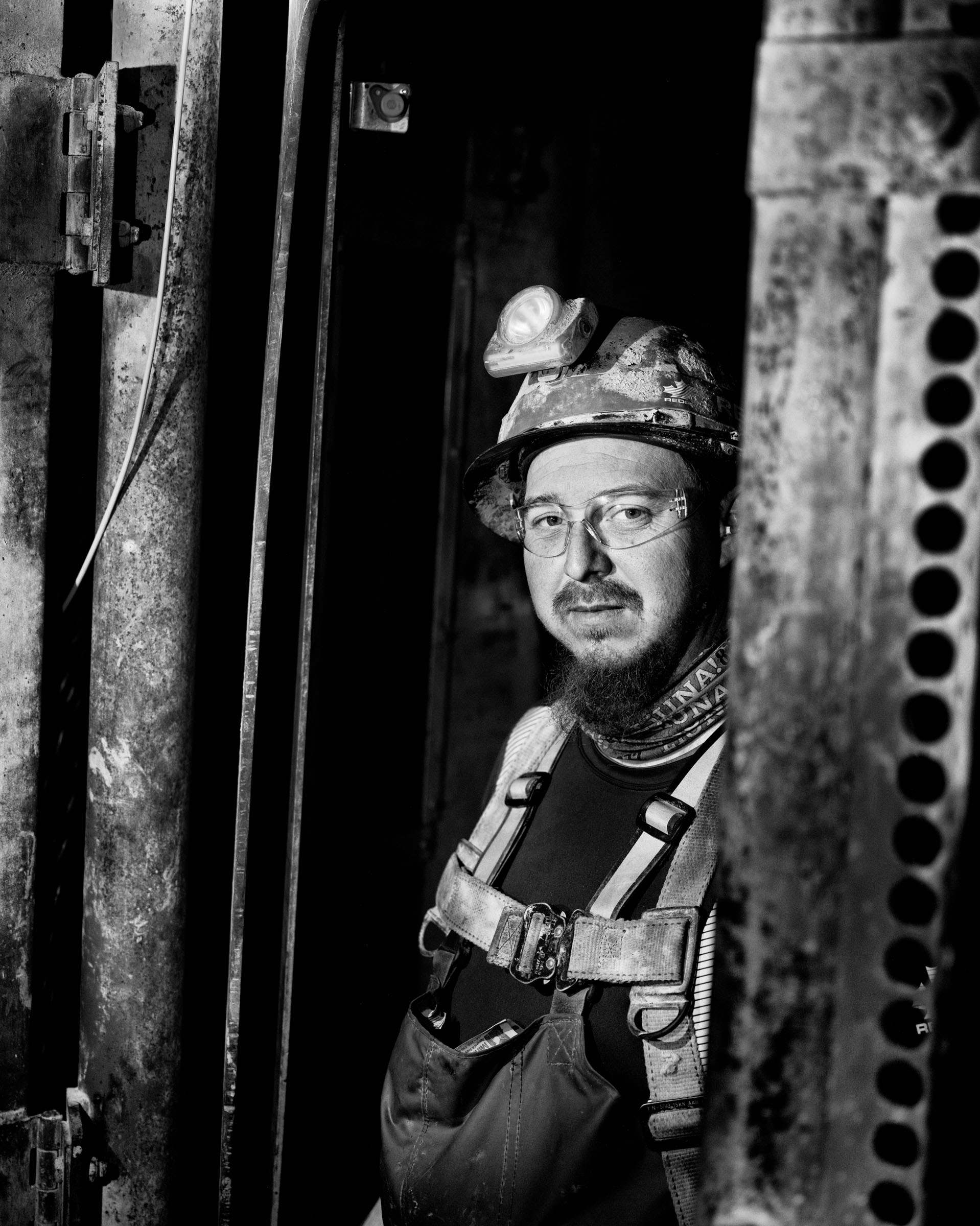
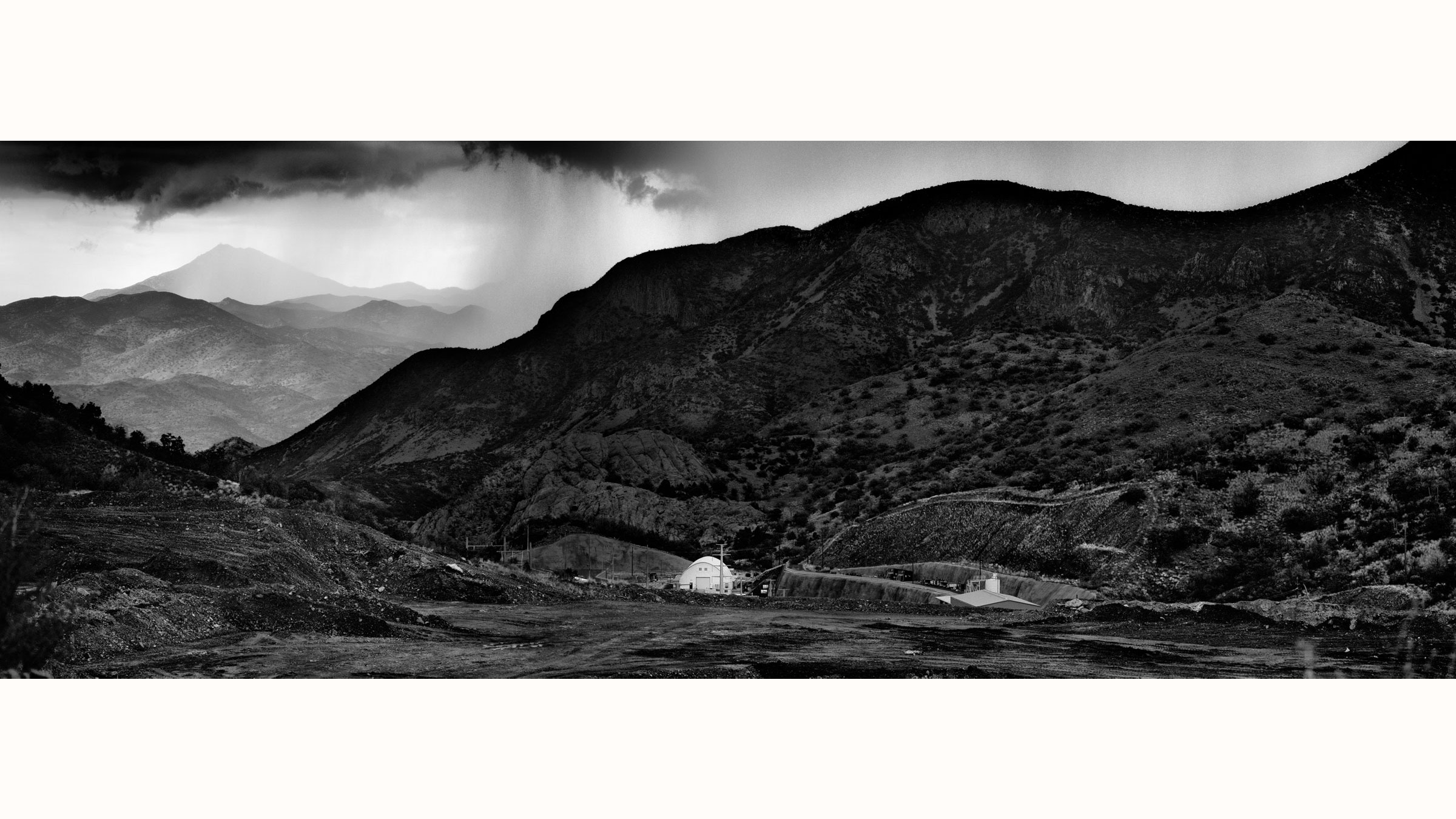
South32 Hermosa is emerging as the next big case study for the future of U.S. mining. The $2 billion zinc and manganese project was the first mining project to receive expedited federal permitting under a streamlined process earlier this year. Unlike most mining mega-projects, which require huge open pits, the Hermosa project is underground, minimizing the visible footprint. “We will mine for up to 70 years at this site, and only disturb 750 acres in total,” says Pat Risner, the project’s president.
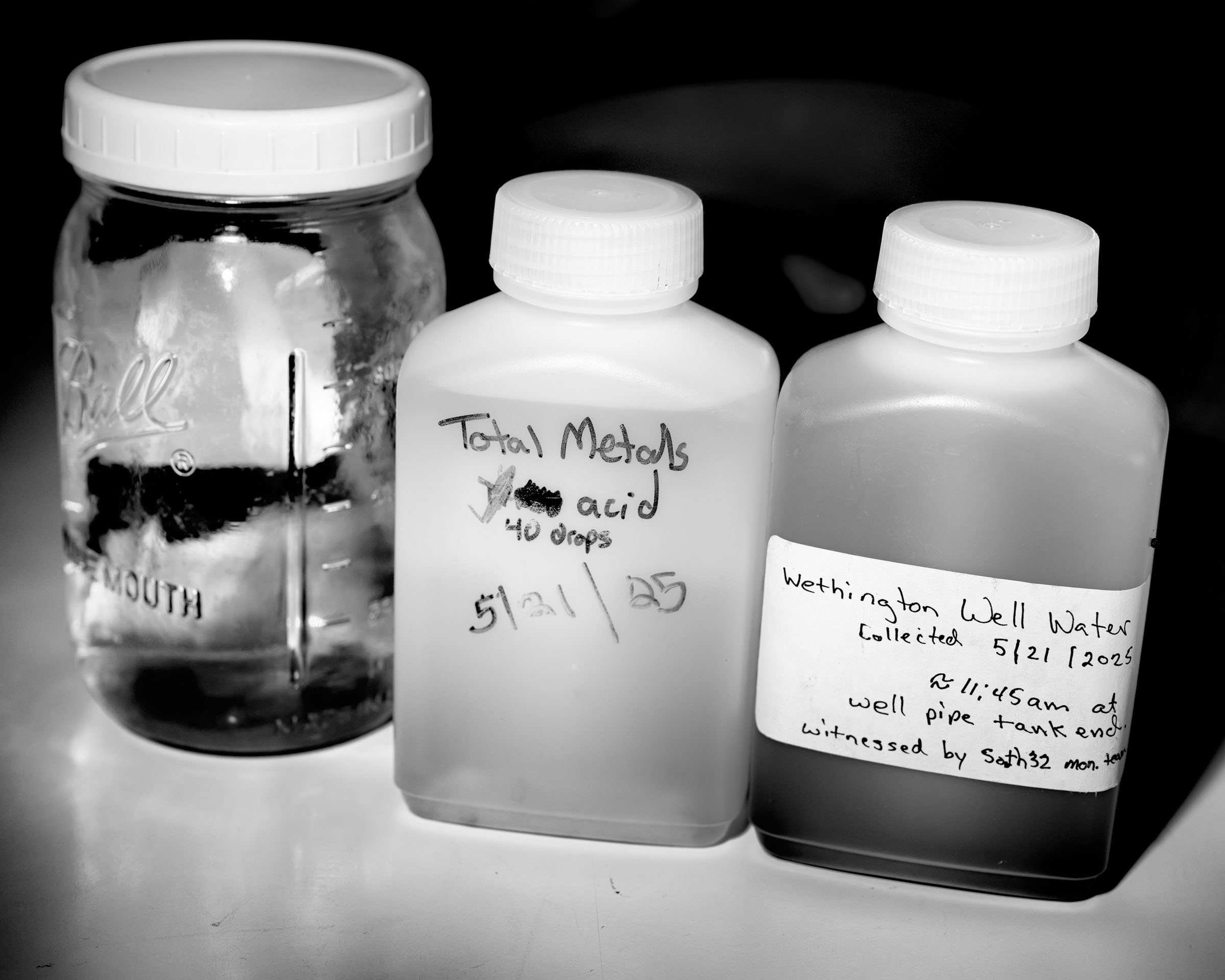
Still, many community tensions remain unresolved. The project sits in a biodiversity hot spot, home to jaguars and Mexican spotted owls, and locals are concerned that mining operations may pollute the groundwater they rely on for household use. Negotiations over a community-benefits agreement remain ongoing.

It would be a real shame if future generations couldn't see the beauty of this place, and without water, that will be the reality.
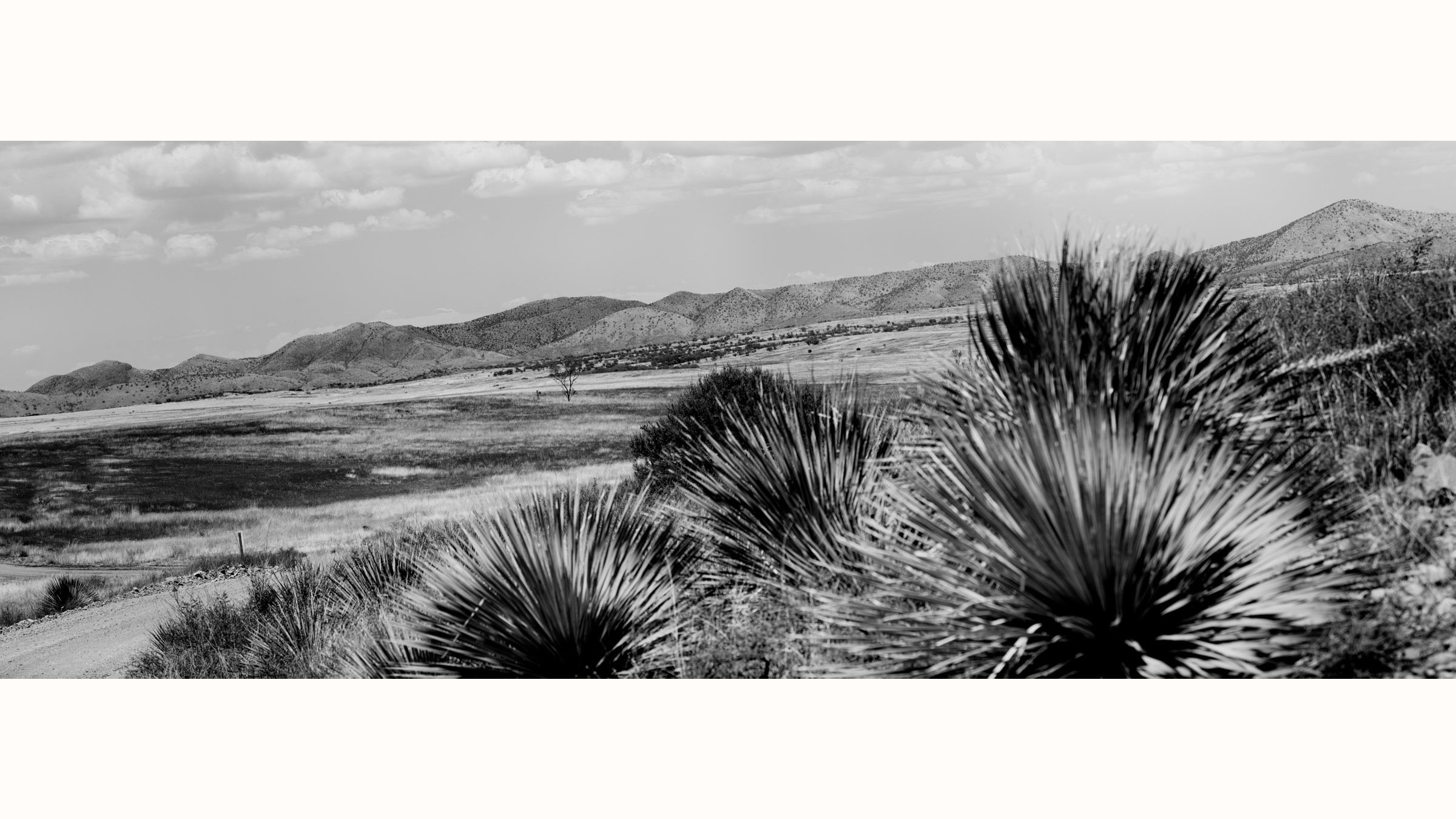


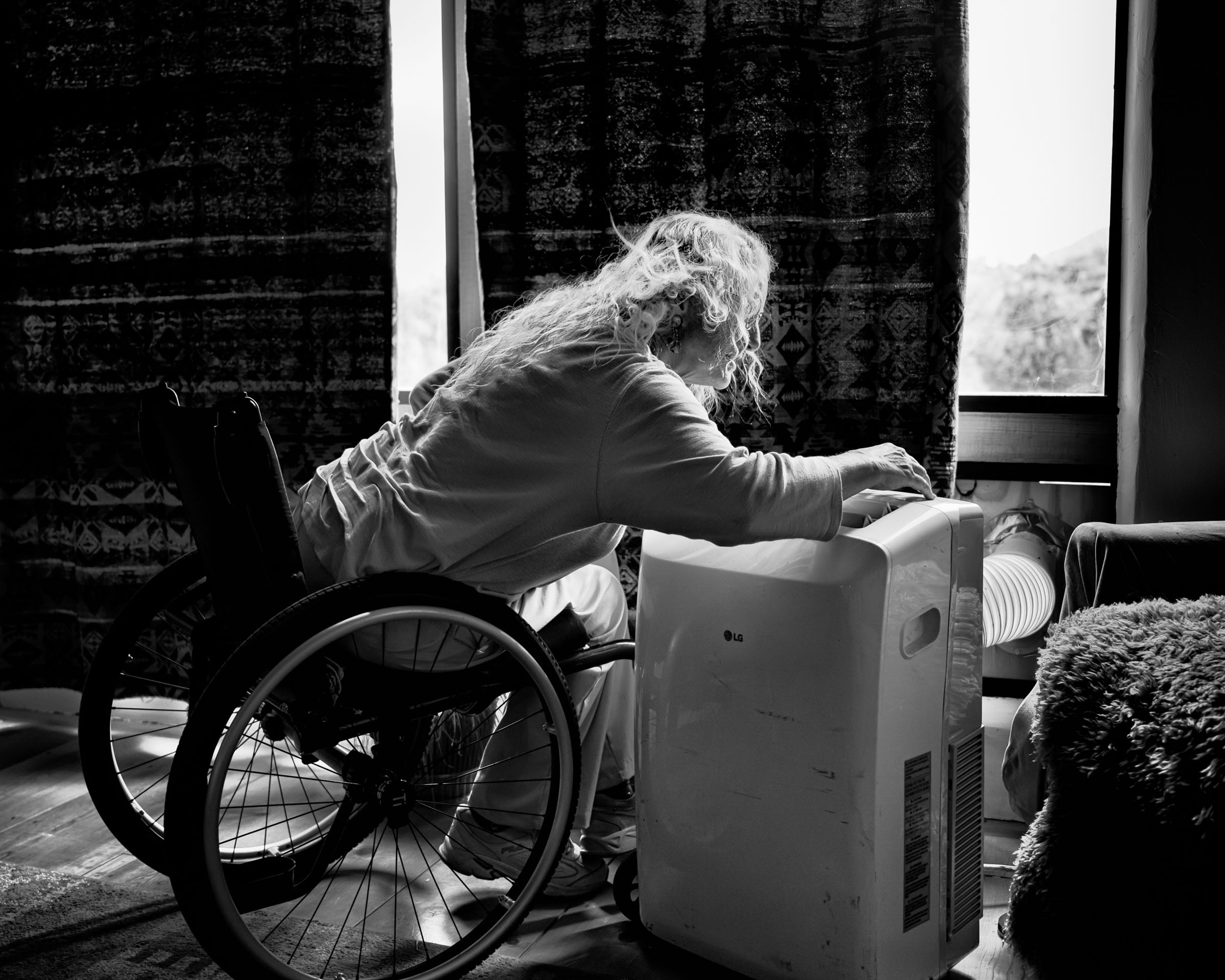
This whole mountain range and out into the valley, everywhere there's public lands, federal lands...there are mining claim stakes. So, if things got really ugly, there could be a drill rig right across the road from me.

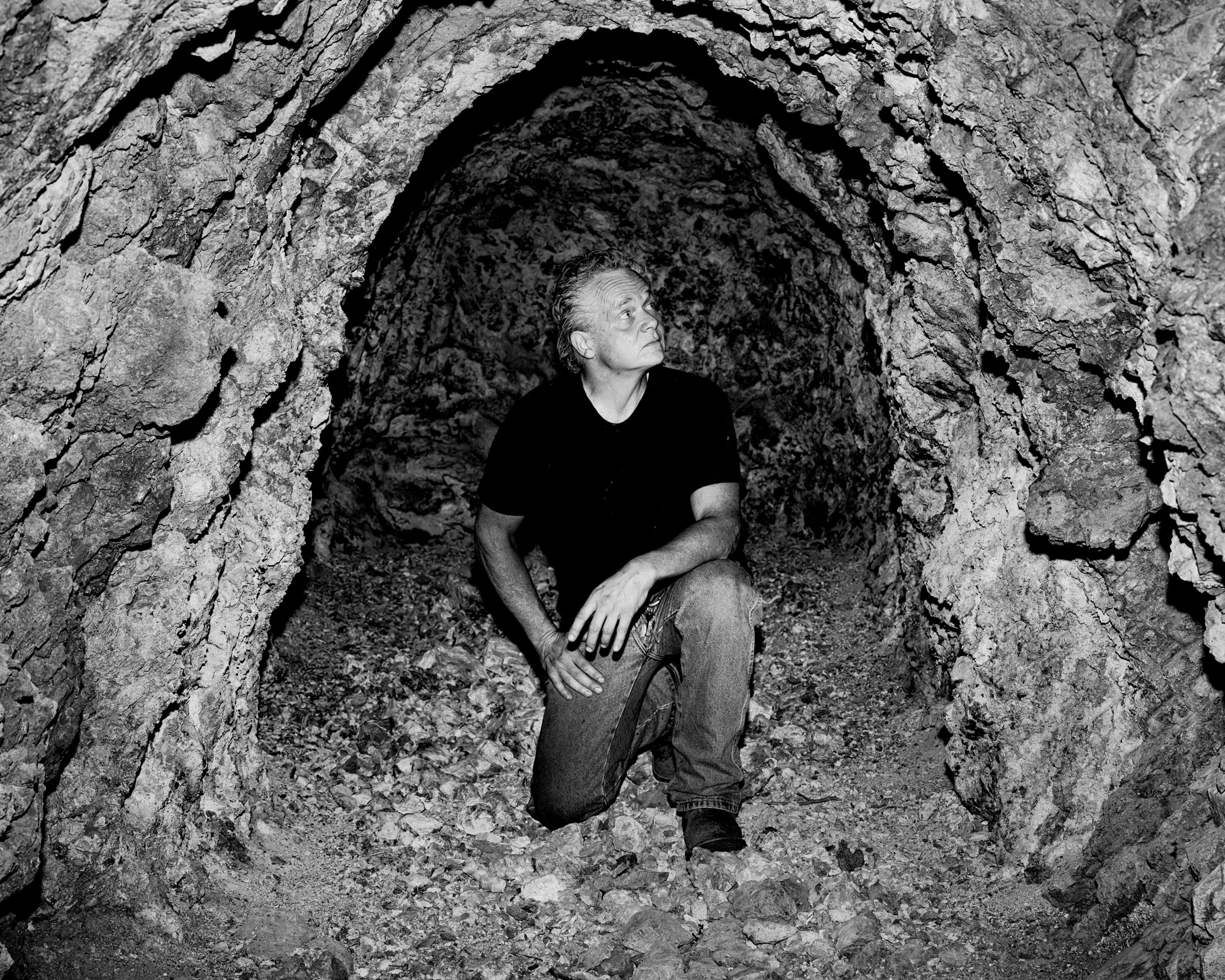
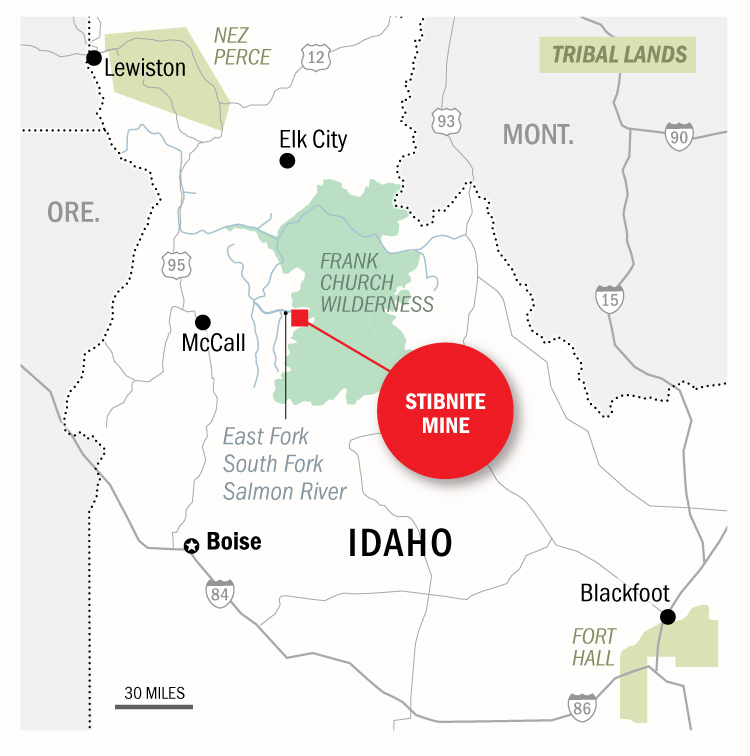
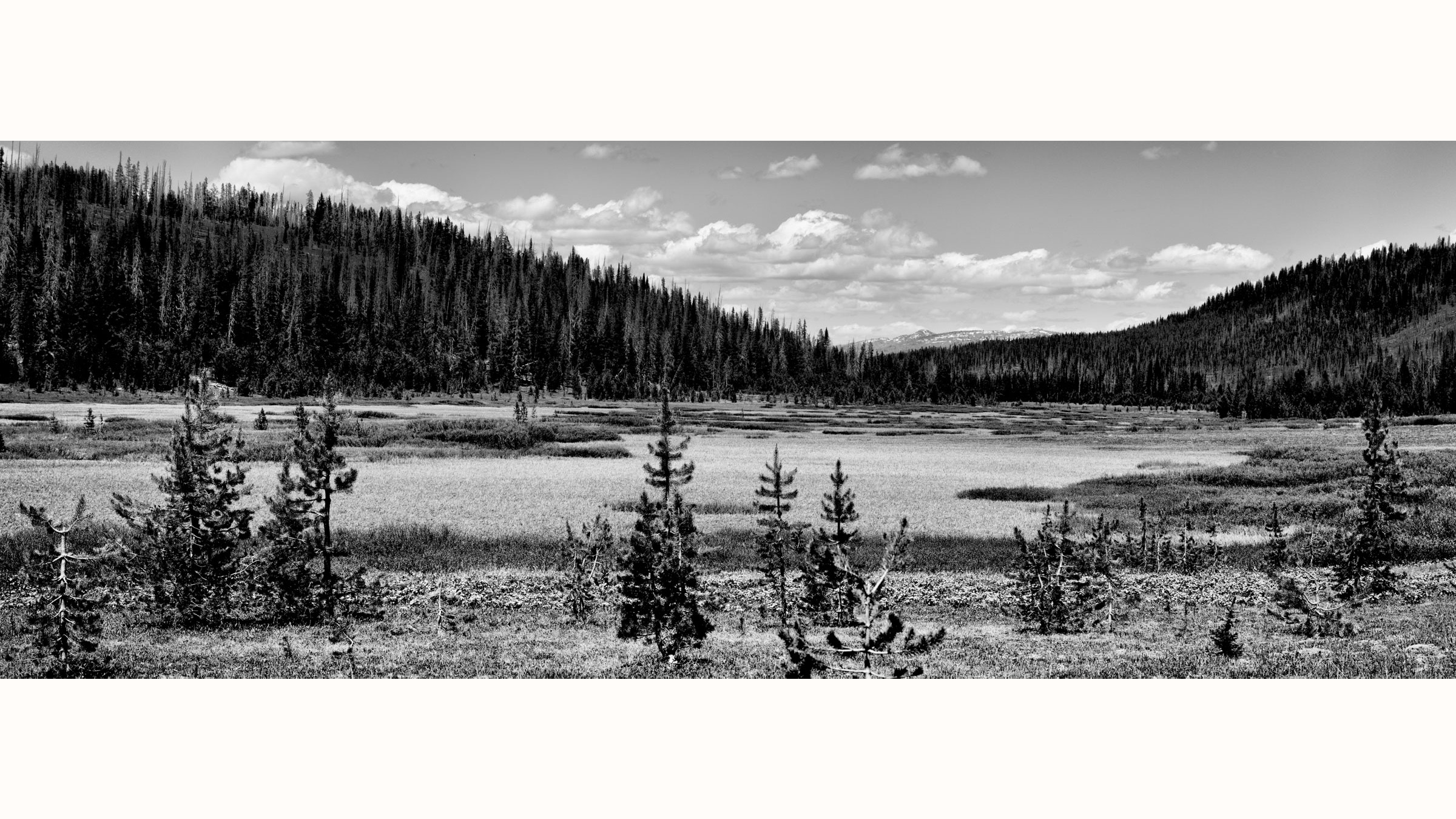
In central Idaho, developers are bringing an abandoned World War II–era mining district back to life to produce gold and antimony, a mineral used to harden other metals and as a fire retardant. U.S. government officials say the mine is the only one in the U.S. capable of producing enough antimony to meet growing defense needs, for everything from ammunition to infrared sensors. Critics point to company documents showing the site contains only enough to supply the U.S. for two years. Indeed, the vast majority of the project’s revenue will come from gold. After a nine-year process, it received its final permit in May 2025 and broke ground in October. But lawsuits remain ongoing. The Nez Perce Tribe opposes the project in its entirety, saying the permitting decision violates treaty rights and environmental law. And new mining threatens to upend millions spent by the tribe on restoring the local salmon population harmed by mining decades ago. Conservation groups are suing too, because of potential harm to local wildlife. Developers contend that their work will actually remediate the area, since the site was left abandoned in poor condition.

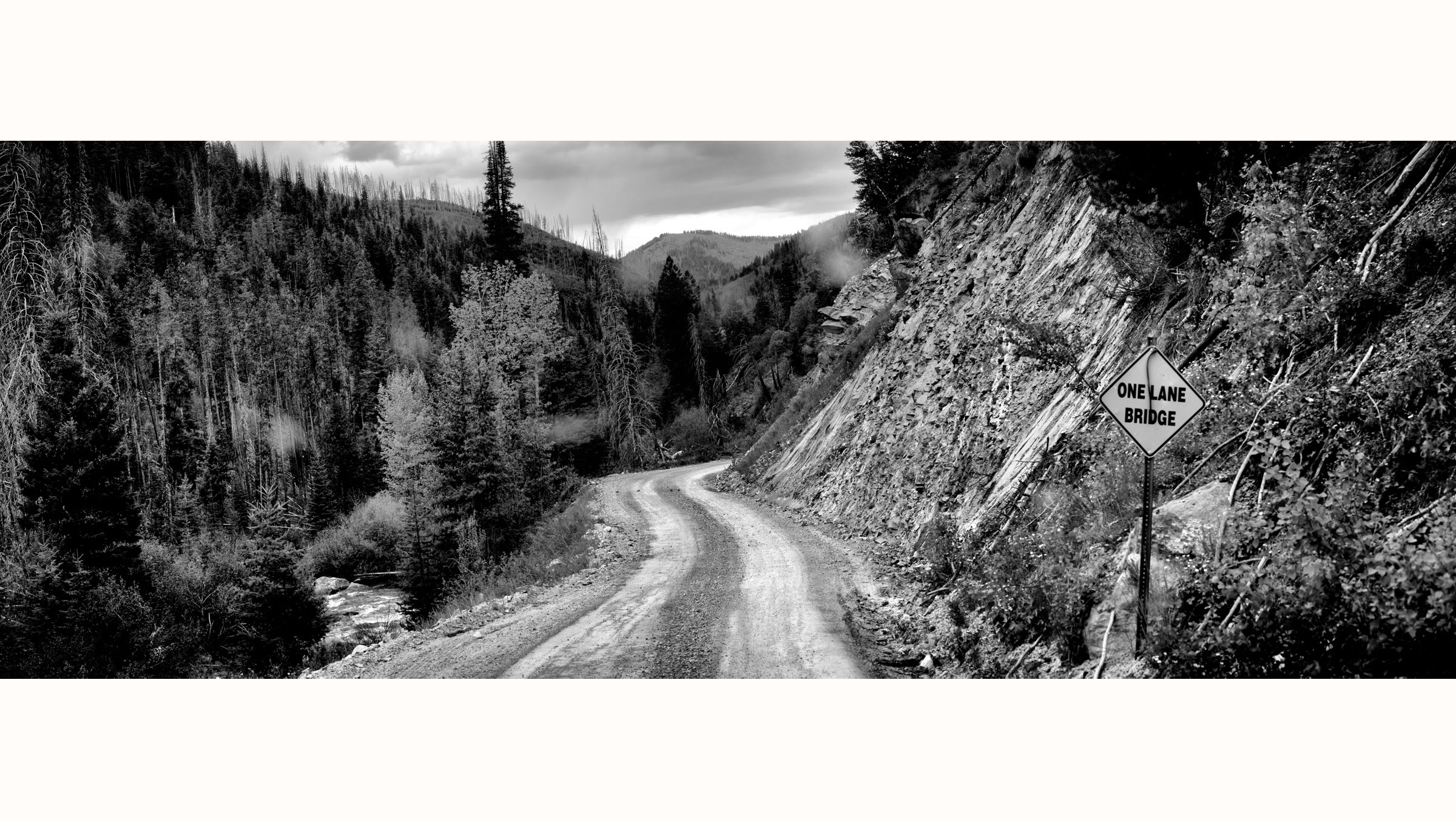
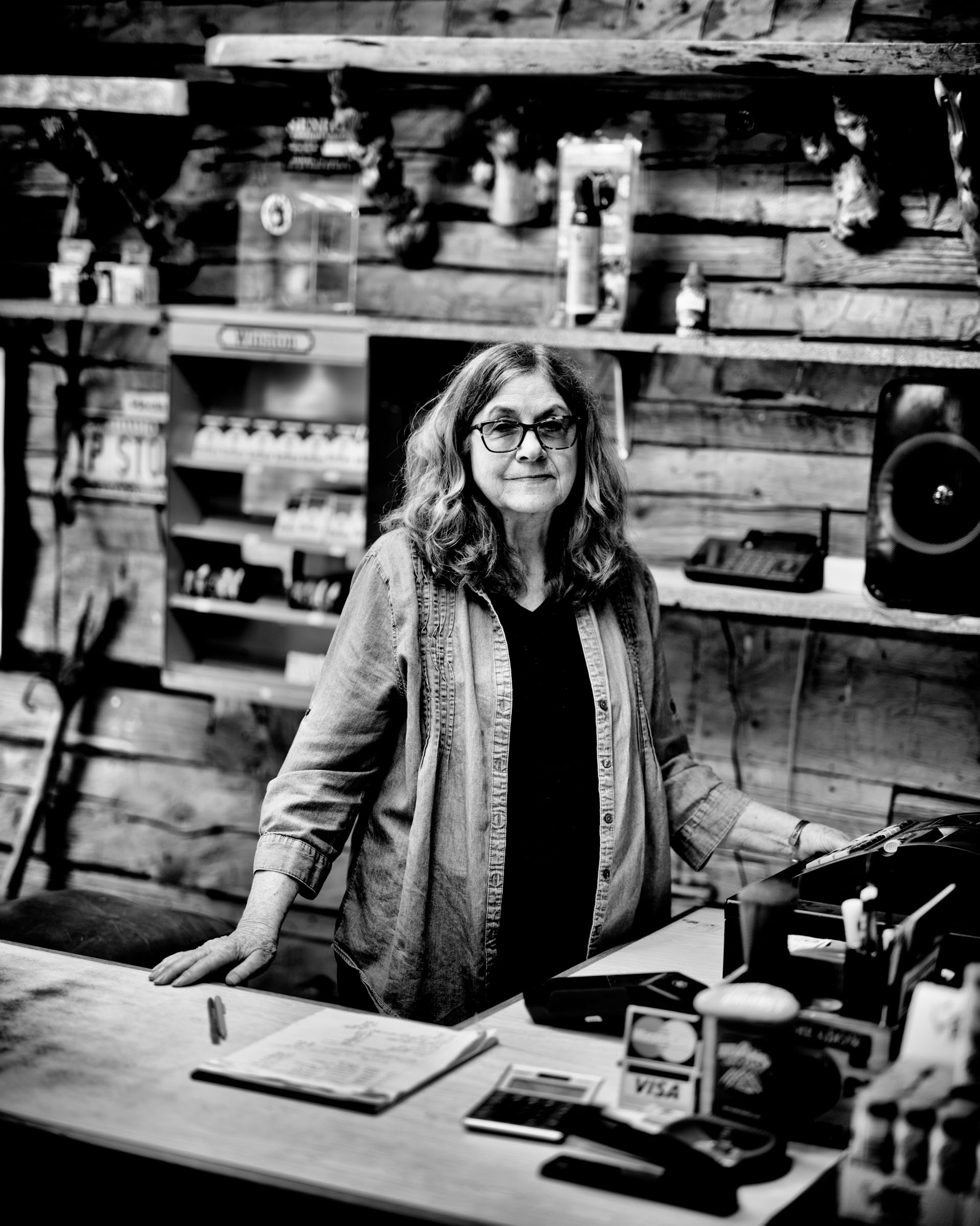




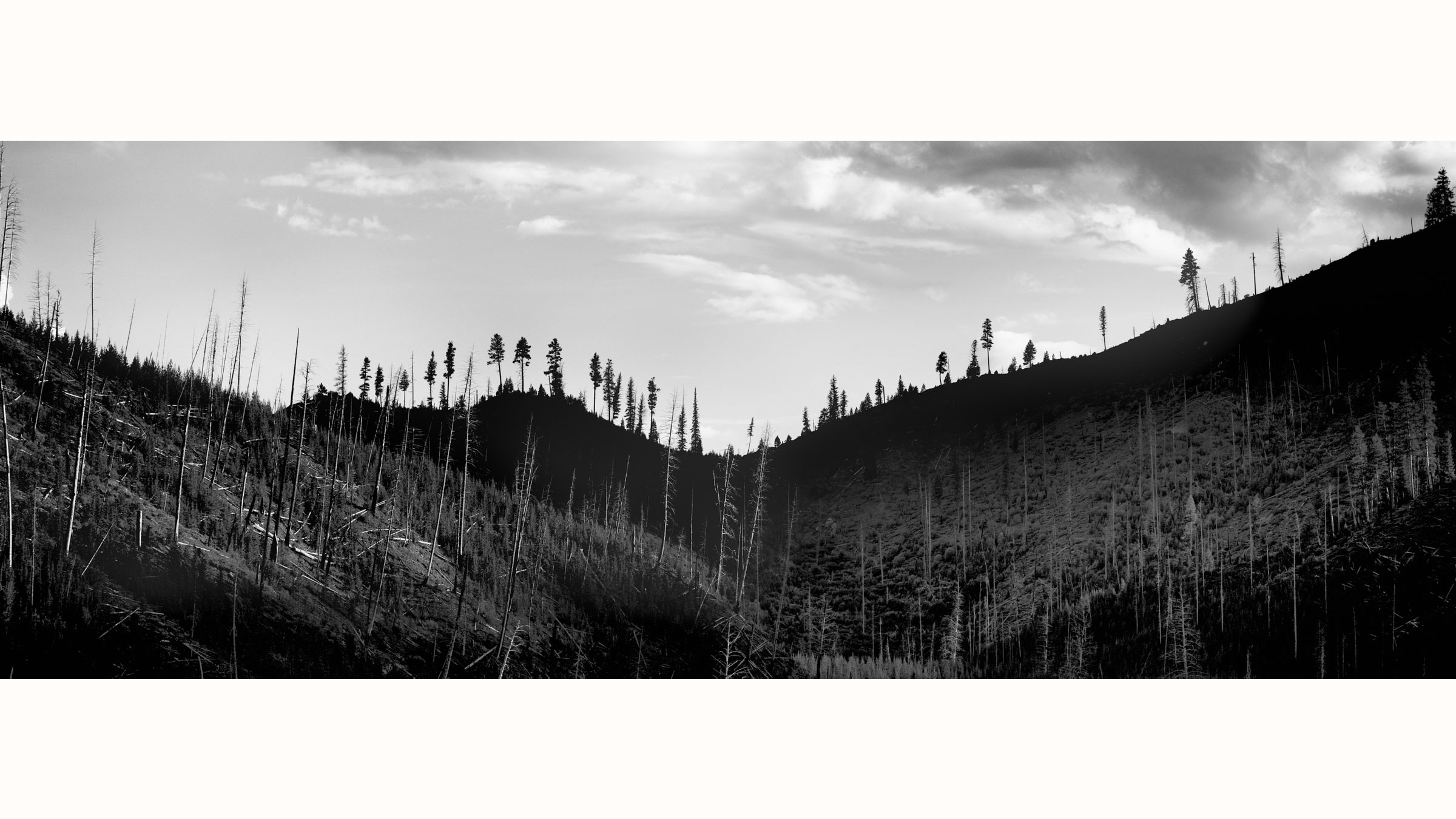
— With reporting by Kaya Lee Berne
The writing in this story is supported by a partnership with Outrider Foundation and Journalism Funding Partners. TIME is solely responsible for the content.
Correction, Aug. 7
The original version of this story mischaracterized the relationship between Thacker Pass and the Fort McDermitt Paiute and Shoshone Tribe. Current protests against the project are on behalf of individual tribal members, not the tribal government, though the tribe has previously protested. This story has also been updated to reflect the current status of Becky and John Ball's agreement with South32.
Я начинаю серию статей об использовании стерео камеры с ROS 2. В первой статье я расскажу о том как настроить камеру PS5 HD для использования в ROS 2. Конкретно мы установим все необходимые зависимости и запустим пакет который позволит публиковать кадры с камеры в топик ROS и выполним калибровку камеры. Кому интересно прошу под кат.
Читать далее
Эта статья предназначена для технических специалистов, работающих с Oracle: администраторов баз данных, инженеров производительности, разработчиков инструментов мониторинга и исследователей внутренних механизмов СУБД. Это готовый пример низкоуровневого исследования, который можно адаптировать под собственные задачи. Мы покажем, как связать привычные SQL‑данные из v$sesstat с их реальным расположением в памяти процесса, и на конкретном примере проиллюстрируем методику, применимую и к другим внутренним структурам Oracle. Это первая статья из серии, она посвящена Oracle 11g, довольно древней версии Oracle, далее мы увидим как изменялся подход корпорации Oracle к хранению внутренних структур статистики.

Представим на секунду, что есть проблема, которую над срочно пофиксить, в рабочем чате никто не отвечает, инженер, на котором висит этот проект недоступен. Ну и чтобы сделать все быстро и эффективно сотрудник берет репозиторий, закидывает в ChatGPT вместе со всеми чувствительными данными, оставив все.env файлы. И вот через минуту у него уже готовое результат, а у OpenAI уже есть все продовые креды данного проекта. Но ни у кого не было цели слить данные, был инженер со срочной задачей для которой он нашел самое быстрое решение. И в этот момент главное не совершить ошибку: нужно не запрещать, а предлагать альтернативу. Люди все равно будут пользоваться агентами, просто возможно после запрета, они будут делать это незаметно.
В этой статье предлагаю разобраться почему сегодня это явление приобретает такой массовый характер, почему просто запретить — не выход, чем аренда GPU у облочного провайдера отличается от on‑prem и как развернуть инференс внутри команды, чтобы инженеры не порывались слить данные.
Читать далее
В марте я советовал Whisper Large v3 для голосовой диктовки и ошибался дважды: в методе (выбирал модель «на ощупь») и в самой модели.
Пересобрал всё по-научному: 23 ASR-модели в 60+ конфигурациях, больше 100 000 прогонов на русско-английском IT-корпусе, 120+ часов инференса на одной RTX 5070 Ti. Мерил не только WER, но и сохранение английских терминов латиницей и пунктуацию.
Внутри — полный лидерборд, разбор каждого сюрприза, вклад тюнинга и промптов, cloud-против-open по деньгам и инструкция, как поставить победителя за 10 минут.
Читать далее