The opposition party, led by former prime minister, says officers took ‘entire communications system and databases’
Meanwhile, the Kremlin said it had “no hope” for better ties with the UK, a day after Britain’s new prime minister Andy Burnham took office, with Moscow criticising his support for Ukraine, AFP reported.
“No.. we have no such hopes,” said Kremlin spokesman Dmitry Peskov, asked by AFP if relations could improve. “One of his [Burnham’s] first actions was to issue statements expressing support for Ukraine and, consequently, his intention to do everything possible to continue the war,” the spokesman added.
По данным Лаборатории Касперского, школьники проводят летом в онлайне в среднем около 4 часов в день, а подростки — до 5. Это не плохо и не хорошо. Всё зависит от того, чем занят ребёнок — он три часа листает рилсы, учит язык программирования или подтягивает английский.
В статье разберём, как устроить лето так, чтобы и отдых был настоящим, и к сентябрю было что показать.
Starlink, подвинься. Новая группировка ярких спутников-рефлекторов вскоре может составить конкуренцию звёздам на ночном небе.
Федеральная комиссия по связи США (FCC) недавно одобрила первый демонстрационный запуск спутника «Эарендил-1» [Eärendil-1] компании Reflect Orbital. Спутник, оснащённый зеркалом размером 18 на 18 метров в развернутом состоянии, проверит способность отражать солнечный свет на Землю по запросу. Компания планирует, что к 2035 году более 50 000 отражателей будут опоясывать Землю на низкой околоземной орбите, в то время как многие представители астрономического сообщества выразили обеспокоенность по поводу последствий этого проекта.
Рассмотрим нестандартный вариант установки Kubernetes, а именно установка кластера без control-plane ноды как таковой в стандартном ее восприятии. Установим кластер Kubernetes где слой control-plane будет просто хостом без CRI, только базове systemd сервисы. "Спрячем" control-plane от лишних глаз.
Self-hosted git ставят ради приватности кода. А оказалось, что “приватное” в Gitea открывается одним HTTP-заголовком: без пароля утекают секреты из приватных репозиториев и открывается админка. Поднял уязвимую версию на стенде, воспроизвёл атаку целиком, показал как ловить в логах и чинить. И почему это не единичный баг, а паттерн 2026 года.
Microdramas made specifically for phones have become a huge sensation in China and are finding fans in the United States. As China’s short series go global, artificial intelligence is transforming not just how their stories are told but how entertainment itself is made. NBC’s Janis Mackey Frayer reports for TODAY.
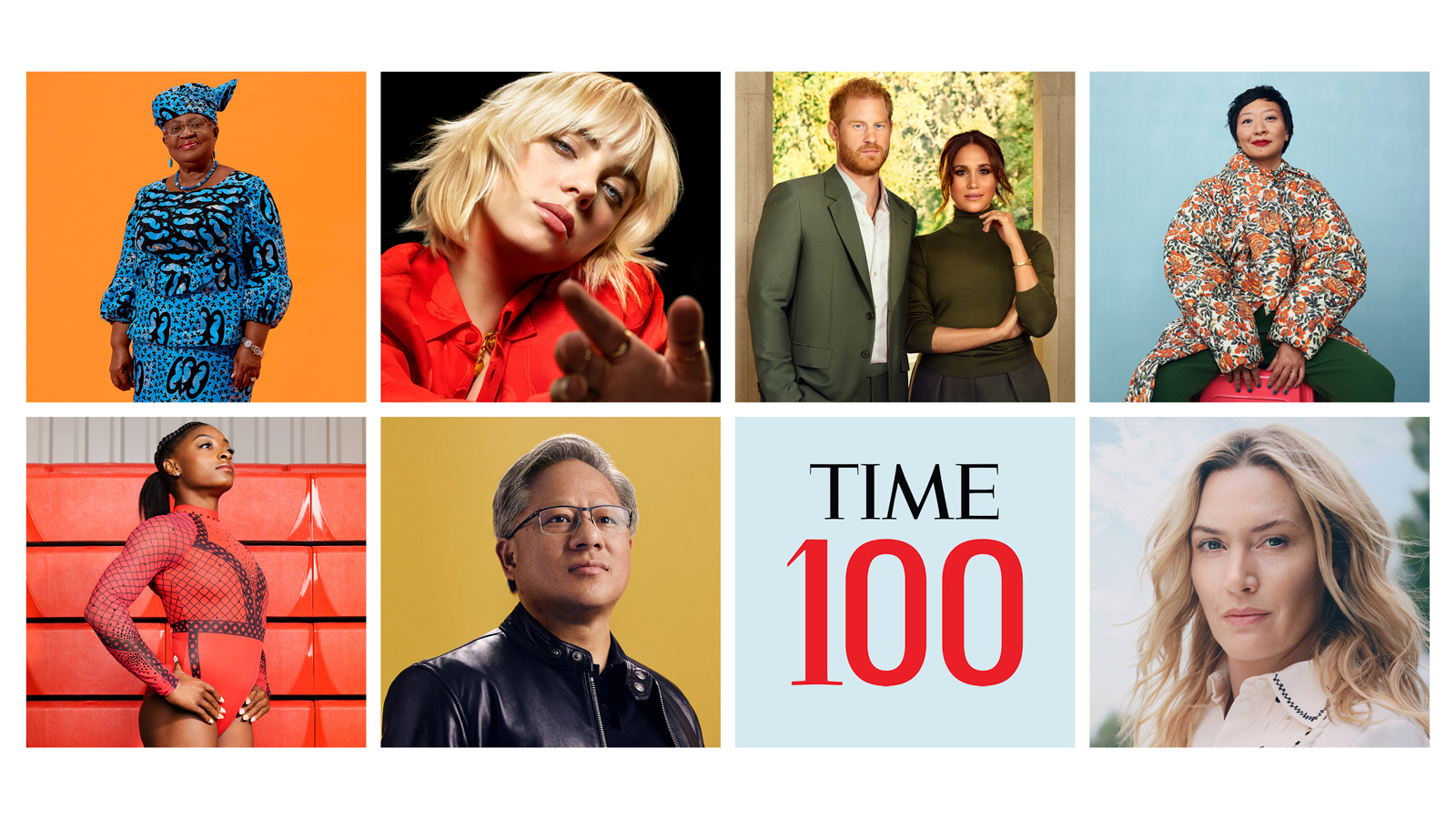
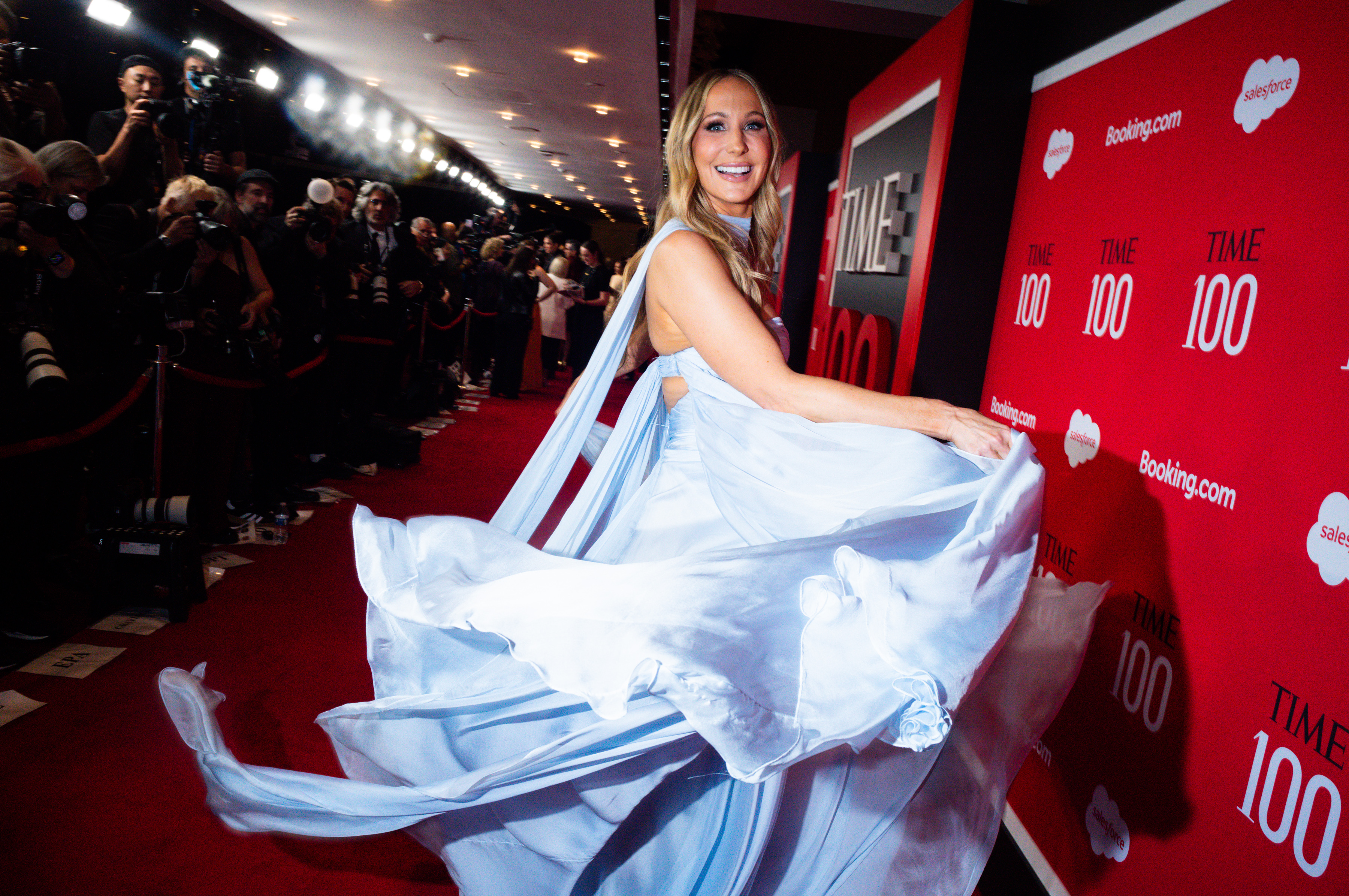
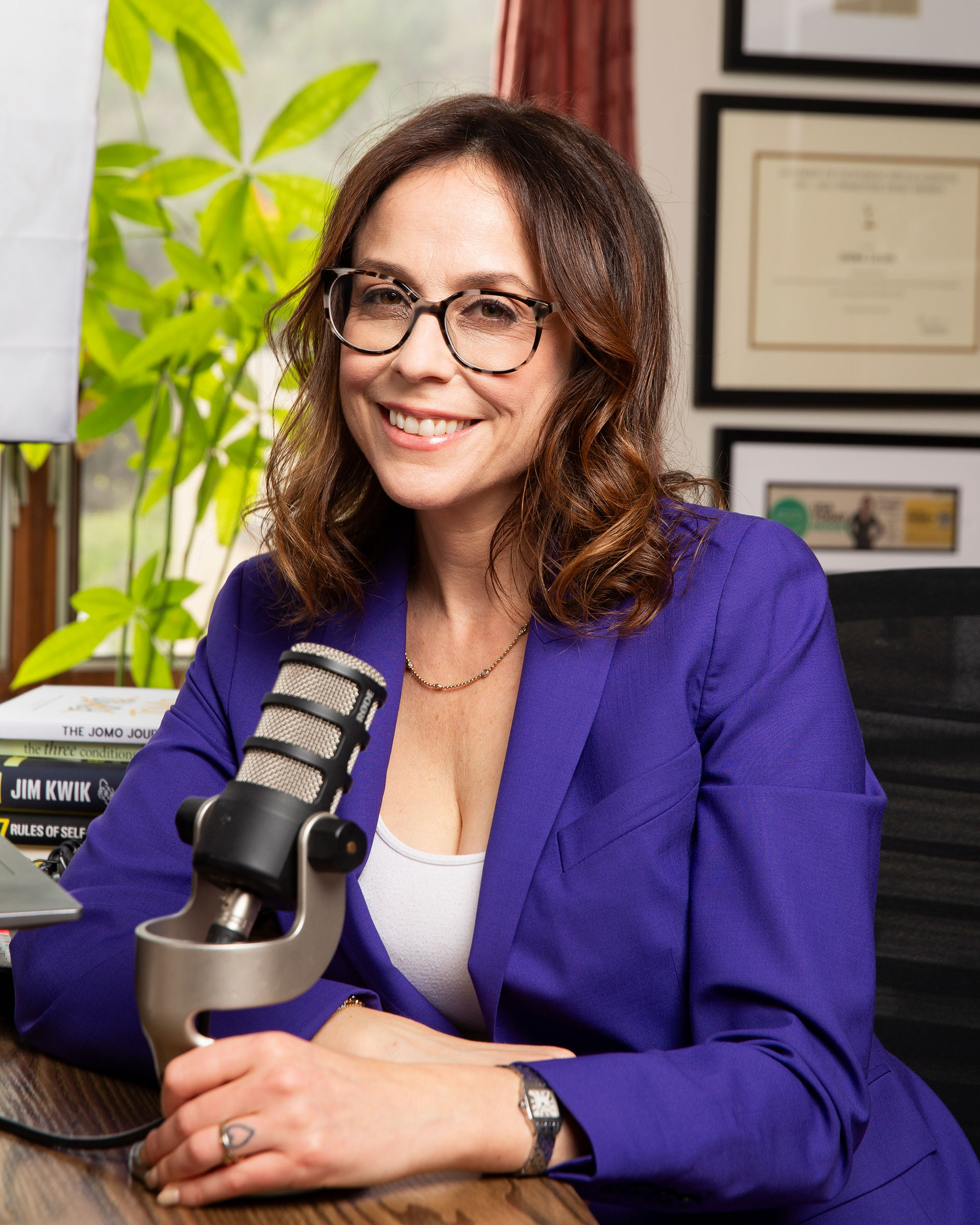
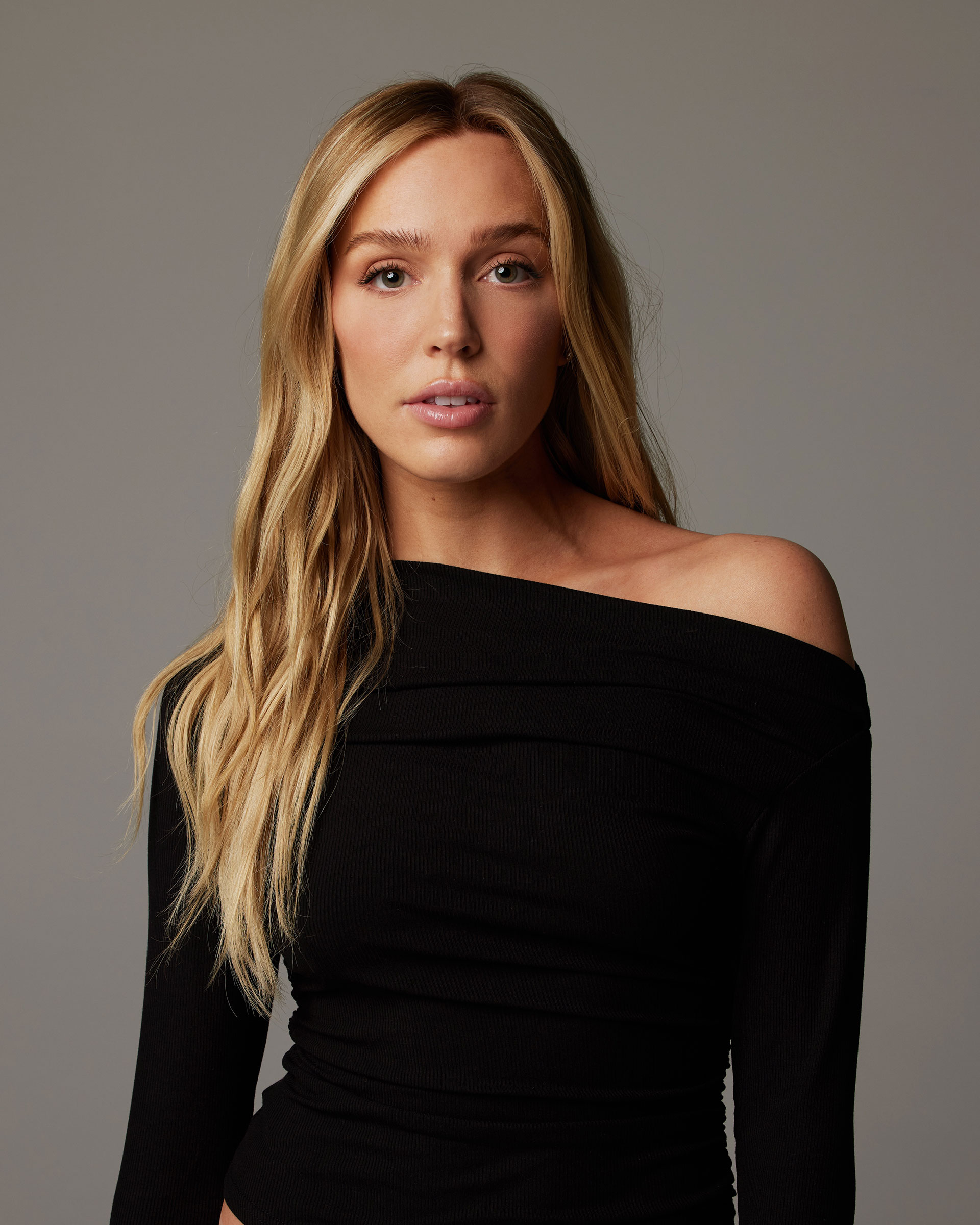
The 2021 TIME100 list of the world's most influential people featured pioneers like Billie Eilish, titans like Simone Biles and icons like Britney Spears. The TIME100 broadcast special highlighted these figures—and more—Monday, Sept. 21, 2021 on ABC. —TIME
The 2021 TIME100 list of the world’s most influential people featured pioneers like Billie Eilish, titans like Simone Biles and icons like Britney Spears. The TIME100 broadcast special highlighted these figures—and more—Monday night on ABC.
The primetime TV event featured performances from Eilish and country music star Kane Brown. It also shined a spotlight on Spears’ battle to regain control of her life, and the incredible advances humanity has made in space—thanks in part to SpaceX founder Elon Musk and NASA scientist MiMi Aung.
Here are some of the biggest moments from Monday’s TIME100 special on ABC.
Kate Winslet took on the myth of the ‘perfect’ female celebrity
Kate Winslet, who had just bagged an Emmy Award for her role in Mare of Easttown on Sunday, talked about working to redefine the portrayal of women on screen.
“As an entertainment industry we all have a responsibility to make sure that we are being absolutely authentically true to who we are,” she told TIME. “That we’re not being skinny and conforming. That we’re not changing our faces, that we’re not altering our bodies and achieving some strange idea of perfection that doesn’t exist.”
Winslet’s message to Hollywood: “Be yourself. It’s the easiest thing to remember how to do.”
Simone Biles put her humanity first
Biles was already the greatest gymnast of her time, and was expected to add to her four gold medals at the Tokyo Summer Olympics. Instead, she did something bigger; her stunning decision to withdraw from the women’s all-around gymnastics final vaulted mental health into the international conversation.
“For years, I’ve only ever been congratulated for winning. Now it’s like—for being human, for being vulnerable,” Biles told TIME.
The 24-year-old returned to Olympic competition to win a bronze medal on the balance beam. But more than the medals, Biles rejoices in the knowledge that stepping aside was a victory on its own.
“Just putting yourself first, as a human, rather than an athlete, was very powerful. Because most people forget the human aspect of ourselves,” Biles said. “This bronze feels like a gold to me.”
She added: “I feel like I got back up. I had that courage, I fought. And I didn’t care about the outcome.”
Allyson Felix and Tracee Ellis Ross recognized their power
Tracee Ellis Ross and Allyson Felix made the TIME100 list for breaking barriers, and then using their power to change the world.
Felix won her 11th Olympic medal in Tokyo, making her the most decorated female track and field athlete of all time. And she did it at age 35 after giving birth in 2018.
“I really wanted to be a representation,” Felix told Ross. “We’re told, ‘You’re done at this age.’ Like, it’s over for you. And to be able to say, ‘My story’s not done, I have more to give.’”
For Ross, it was being the first Black woman to be nominated for an Emmy for lead actress in a primetime comedy series in three decades for her role on Black-ish.
Both came to realize that their prominence allowed them to make things better. “The longer I’m in the industry, I have the courage to use my voice in ways that I didn’t know how to in the beginning,” Ross said. “That I’m inside the rooms in a way that I can say, ‘Huh. I don’t know. I know that’s the way you guys have been doing this forever, but I don’t know if we should just keep doing it that way… I think there’s a lot of people we’re leaving out.’”
Felix used her power to launch her own shoe brand, Saysh—after realizing she was one of the only major track stars not to have an endorsement deal with a major shoe company. “I got to compete in the Olympics in my own brand,” Felix said. “And it was just the ultimate moment of being fulfilled. Here, I was told that my story was done and then I was able to win a gold and bronze medal in these shoes that, you know, my brand created.”
Nikole Hannah-Jones and Bowen Yang challenged us
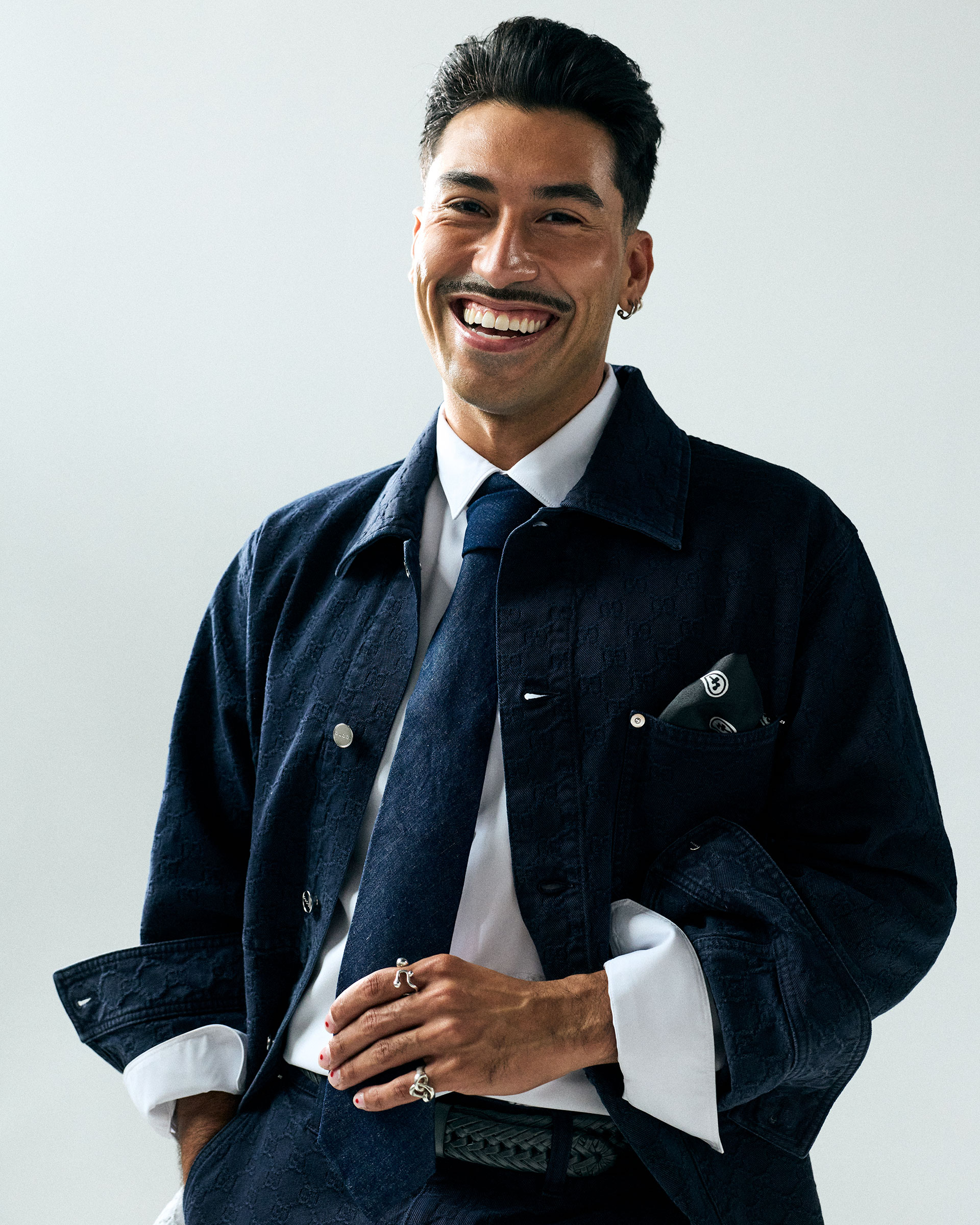
Chinese-American comedian Bowen Yang and Pulitzer Prize-winning journalist Nikole Hannah-Jones had a powerful conversation about race—and bourbon.
Yang, a featured player on Saturday Night Live, paved the way for a new brand of Asian representation and reclaiming spaces previously rife with stereotypes. “There are these deeply entrenched ideas about what an Asian person should do in front of the camera,” Yang said. “Everything I try to like in life is tainted by this weird mental model of what an Asian person does in film and in television. I feel like I spent a lot of my career playing into those things. Then realizing that, ‘I don’t have to do that.’”
Hannah-Jones, whose work challenges the way Americans think about race and history in the U.S., talked about how important it is not just to break barriers—but to open doors for others, too. “I’ve had really two mantras as an adult, and one of them is that you should be ashamed to be the only one like you in any room that you’re in,” Hannah-Jones said.
The other mantra, she said, is to “be the person I needed when I was trying to make it myself.”
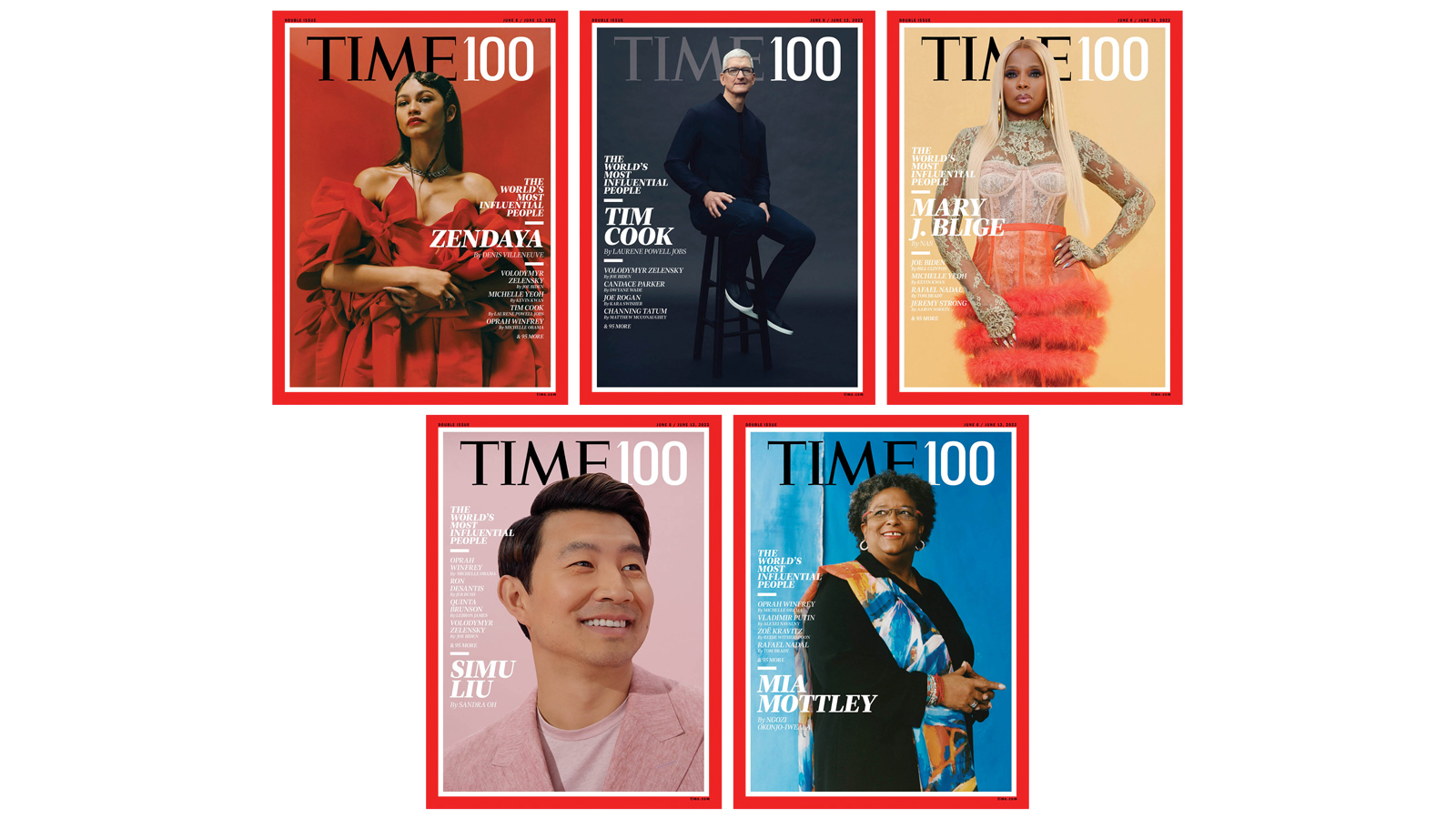
When our team gets together to choose the TIME100, we have one barometer: influence. Who shaped the year? Who stood up? Who stood out? Influence, of course, may be for good or for ill—a dichotomy never more visible than in this year’s TIME100, which includes both Vladimir Putin and Volodymyr Zelensky. They are the poles of this list, and of this moment. The Russian dictator behind a brutal war, and his foe, the Ukrainian President, whose leadership has made him a rare heroic figure in our divisive time.
Indeed, while so many crises of recent years—from COVID-19 to climate change—have seemed like calls to collective action, it was in many ways Putin who finally, unwittingly, pulled it off. “The nations of the free world,” writes President Joe Biden in a tribute to Zelensky in this issue, “are more united, more determined, and more purposeful than at any point in recent memory.”
The war has also been a motivating force for many others who are on this year’s list: figures like Valeriy Zaluzhnyy, Commander in Chief of the Armed Forces of Ukraine; journalist Sevgil Musaieva, whose courageous team at Ukrayinska Pravda has made it a leading independent news organization in Ukraine; and European Commission President Ursula von der Leyen, who has done much to shape the response to the conflict.
Our hope is that the TIME100 list is not simply a recognition of influence but a study in how influence can be wielded. This year saw advocates for equality and human rights responding to unprecedented pressures. People like Nadine Smith, whose work in Florida elevated the voices of families and kids hurt by the state’s “Don’t Say Gay” law; Syrian lawyers Mazen Darwish and Anwar Al Bunni, who made critical contributions to the first conviction of a Syrian official for crimes against humanity; Megan Rapinoe, Becky Sauerbrunn, and Alex Morgan, who led the fight for equal pay in U.S. soccer—and won. “It was the biggest win of their lives,” writes tennis legend and equal-rights advocate Billie Jean King. “And something tells me they are not done yet.”
Advocates for the planet challenged us too. Reports released in the past year by the Intergovernmental Panel on Climate Change—made possible by scientists such as Valérie Masson-Delmotte and Panmao Zhai, both on the list—gave the sternest warning yet that to avert catastrophe, we must change. And in a speech heard round the world, Mia Mottley, Prime Minister of Barbados and a voice for countries on the front lines of climate change, made clear the intersection between environmental action and equity. As World Trade Organization director-general Ngozi Okonjo-Iweala writes, Mottley reminds us “to treat our planet, and therefore one another, with love, dignity, and care.”
This year’s TIME100 team was led by executive editor Dan Macsai, and included editors Jennifer Duggan, Merrill Fabry, Lucy Feldman, Cate Matthews, and Nadia Suleman, with design by Rich Morgan and photo editing by Dilys Ng, all of whom worked around the globe to bring the list to life. Deputy editor Sam Jacobs and staff across the newsroom provided reporting and insight throughout.
In addition to geopolitical notables, the list highlights an incredible group of entertainers and artists, whose role has taken on new importance as, after two years of pandemic, we emerge into a new phase. We’re all thinking more about how we spend our days and whom we spend them with. That may mean comparing Wordle results with faraway friends—you’ll find the game’s creator Josh Wardle on this list, with an incredible five-letter-words-only tribute from musician and filmmaker Questlove—or spending hours watching Zendaya onscreen (director Denis Villeneuve calls her “a cultural icon in the making”) or, of course, listening to Adele, who burst back onto the music scene this year. In his tribute to her, TV host James Corden describes the unique sense of solace her work offers. “It’s as if she is holding out her hand and saying, ‘I know how you feel. I’ve been there,’” he writes.
If crisis is going to unite us, we must find within ourselves that same empathy. The spectrum of leaders on this list, wielding influence in so many ways, is a reminder that we all have the option to use our powers for good.
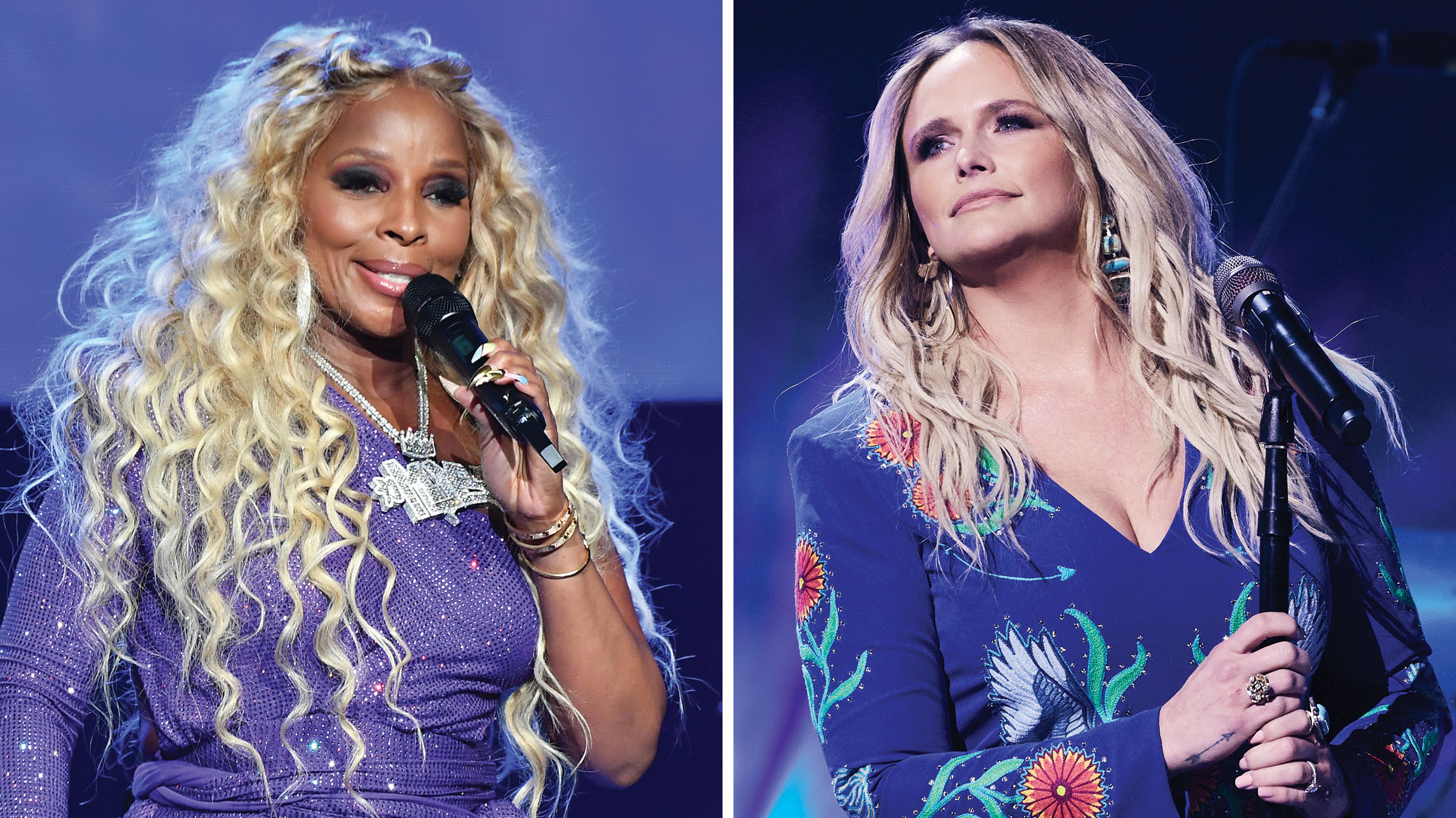
After making a name for herself with a number of chart-topping hits like “Real Love” and “Family Affair,” Blige has continued to evolve. In 2017, she was nominated for an Oscar for her role in the movie Mudbound. She currently appears in the Starz series Power Book II: Ghost. In 2022, after performing at the Super Bowl LVI Halftime Show, she announced that her inaugural Strength of a Woman Festival and Summit would be held in Atlanta. “She carved out a lane for herself, and now she can feed the people more than just music,” wrote the rapper Nas in his TIME100 tribute to Blige. “I feel like she’s just getting started.”
Lambert, who won the Entertainer of the Year at the Academy of Country Music Awards earlier this year, had the highest-debuting country album of 2022 so far with her latest album, Palomino. “Of course, in this industry, you’ve got to have good music,” wrote singer-songwriter Elle King in her TIME100 tribute. “And Miranda is a true country queen.”
What began as a list of the world’s most influential people is now an expansive community of global change-makers.
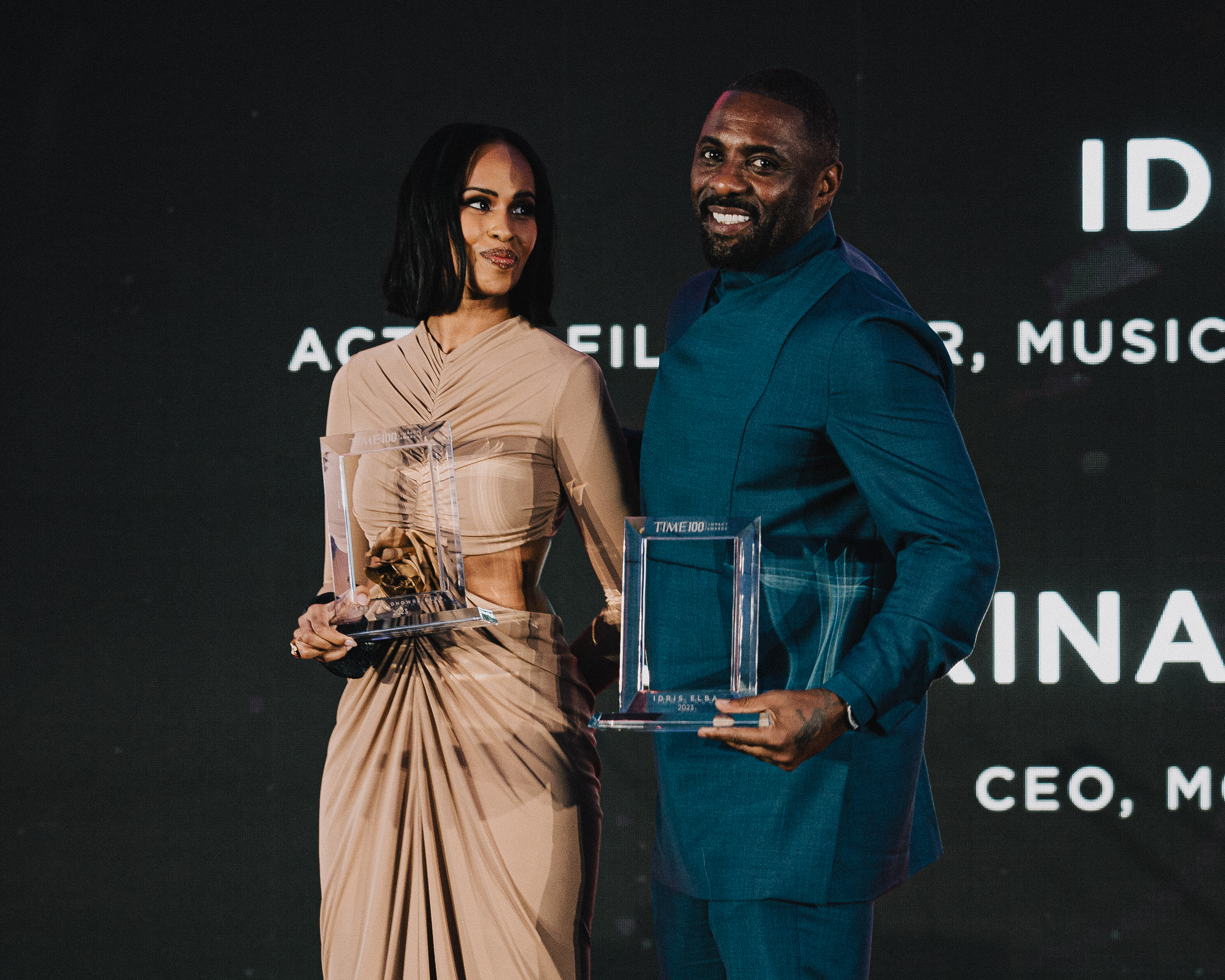
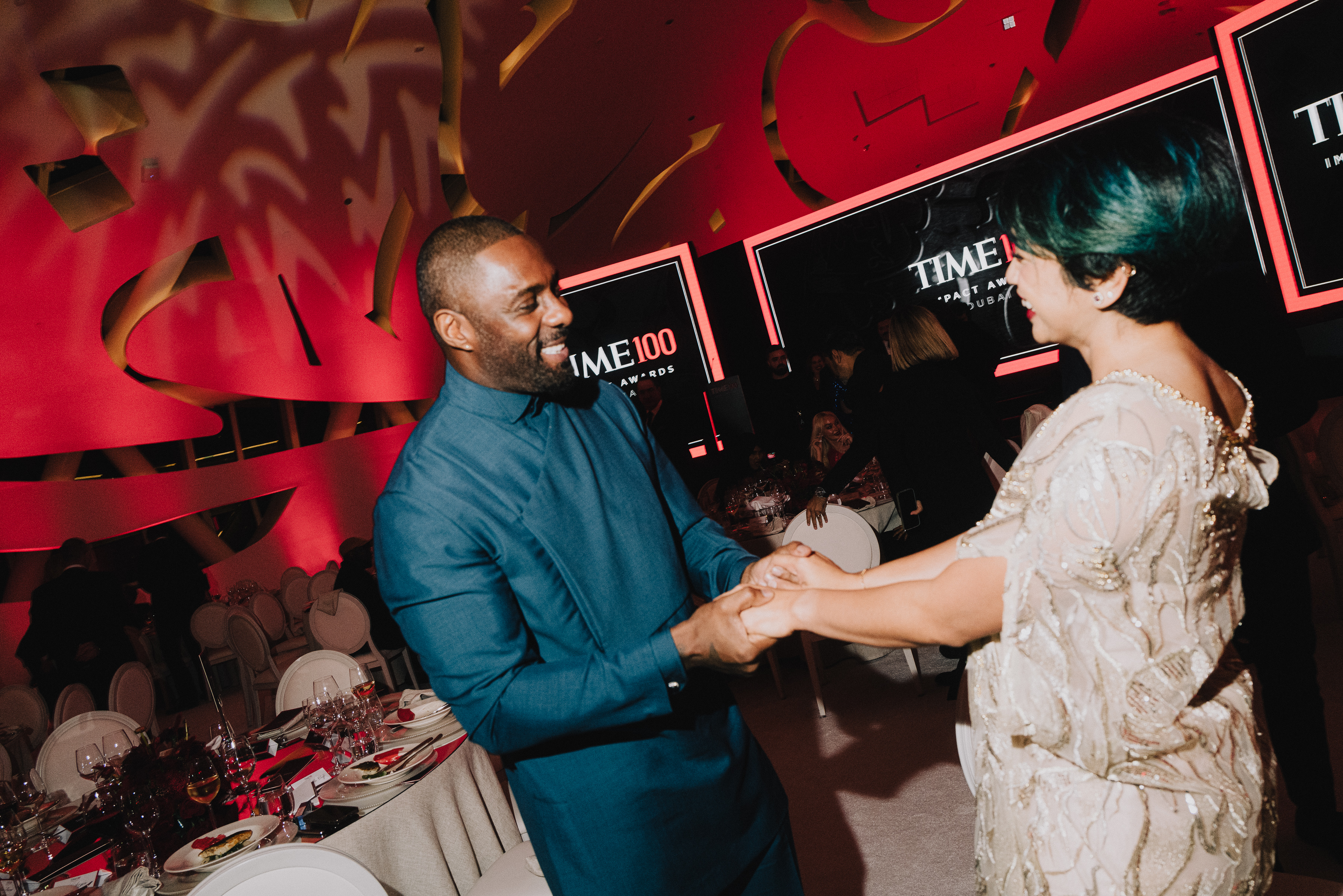
Across every industry, TIME100 leaders—scientists and CEOs, artists and activists, pop stars and politicians—are moving our world forward. Just as TIME’s annual list recognizes achievement in one year, we also know influence endures. The TIME100 Impact Awards—which debuted in spring 2022 in Dubai—recognize leaders who, through sustained effort, have done extraordinary work to shape the future of their industries and the world at large.
Bollywood actor Shah Rukh Khan won the 2023 TIME100 poll, in which readers voted for the individuals they felt most deserved a spot on TIME’s annual list of the most influential people.
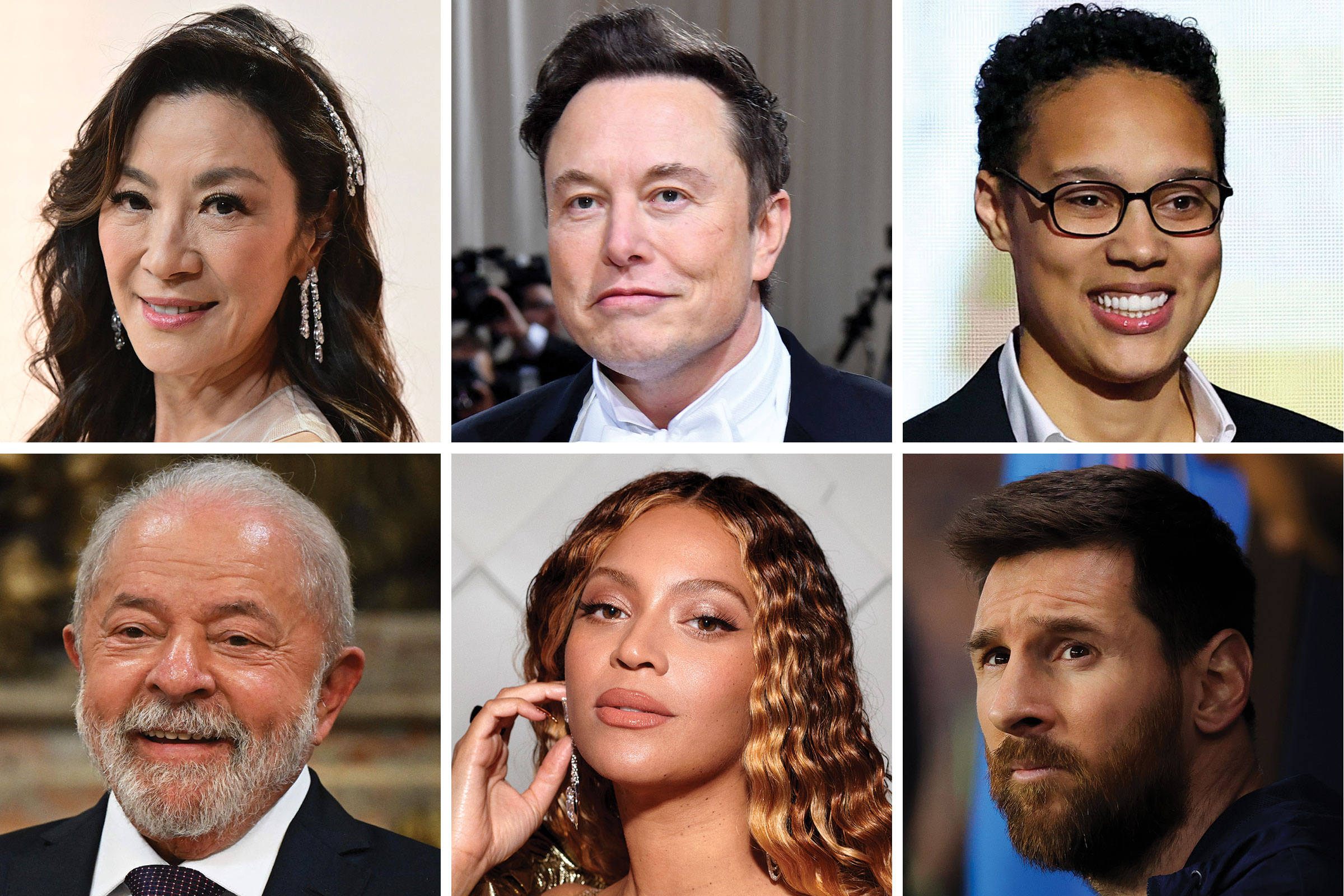
Stars and noteworthy figures also featured on the poll included actor Michelle Yeoh, athlete Serena Williams, Meta CEO Mark Zuckerberg and Brazilian President Luiz Inácio Lula da Silva. But it was Khan that ultimately took the win, earning 4% of the vote after more than 1.2 million votes were cast.
Khan, arguably India’s most famous actor and an international icon in his own right, is also a producer and co-owner of the Knight Riders Group women’s cricket team. The actor made his mark as Bollywood’s favorite romantic hero, starring in blockbusters like Dilwale Dulhania le Jayenge and Kuch Kuch Hota Hai. His decades-long career has seen him star in more than 100 films and his most recent film is Pathaan. Released in January, it’s one of the top grossing films of the year so far, collecting nearly $130 million worldwide.
Second place went to the Iranian women protesting for greater freedoms from the country’s Islamic regime, garnering 3% of the vote. Protesters took to the streets of cities around Iran after 22-year-old Mahsa Amini was killed at the hands of the country’s “morality police” last September for allegedly wearing her headscarf too loosely. They were named TIME’s 2022 Heroes of the Year and also won last year’s Person of the Year reader poll.
They were followed by health care workers, who came in third with 2% of the vote. They have been at the forefront of the global pandemic since 2020—in the U.S. alone some 18 million people worked selflessly throughout the pandemic helping others. The pressures of caring for patients in difficult conditions have taken a toll, in a survey conducted from June to Sept. 2020, health care workers overwhelmingly reported feeling stress, anxiety, burnout and exhaustion.
Third and fourth place went to Prince Harry and Meghan, the Duke and Duchess of Sussex, each of whom earned about 1.9% of the vote. The Duke of Sussex made headlines in January after the release of his memoir Spare, which recounts monumental moments ranging from Princess Diana’s death in 1997 to Queen Elizabeth’s death in September. He is also known for founding the Invictus Games, an international sporting competition for wounded, injured and sick service people.
Meghan Markle, a former actress turned humanitarian, now hosts her podcast Archetypes, where her mission is to “investigate, dissect, and subvert the labels that try to hold women back.” She previously narrated the Disney documentary Elephants and has been an advocate for anti-racism and women’s rights. The couple have also launched nonprofit Archewell Foundation, as well as Archewell Productions, which has a creative partnership with Netflix.
Fifth place went to soccer star Lionel Messi, with 1.8% of the vote. The Argentinian player won his first World Cup title in 2022, adding to his numerous accolades including seven Ballon d’Or awards, a prestigious award presented by France Football magazine.
TIME’s editors will reveal their choices for the 2023 TIME100 list on April 13.
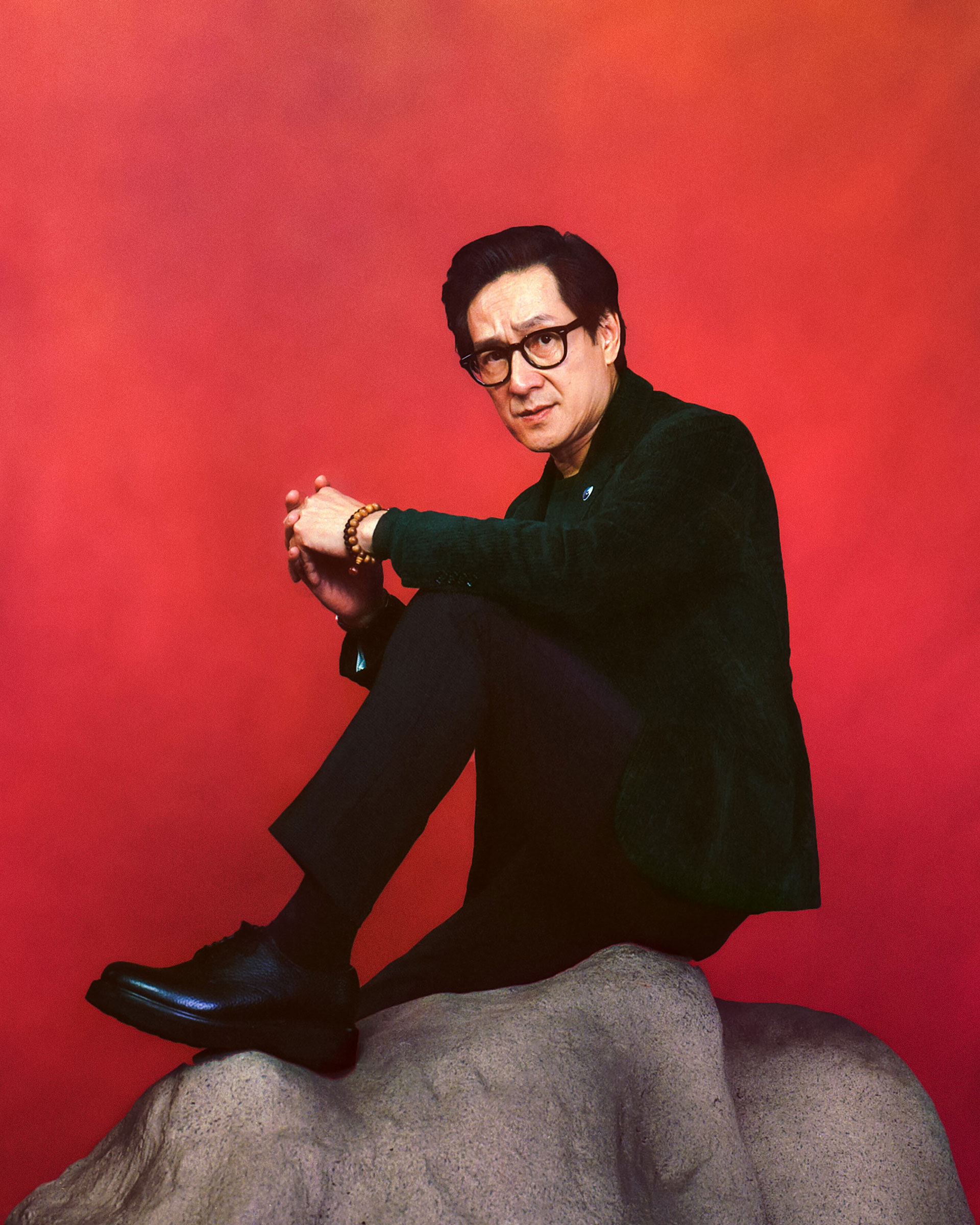
Ke Huy Quan in Los Angeles on Feb. 25, 2023. Quan is up for best supporting actor for his role as Waymond Wang, the loving husband of a stressed-out laundromat owner in "Everything Everywhere All at Once." (Justin J Wee/The New York Times) —Justin J Wee—The New York Times/Redux
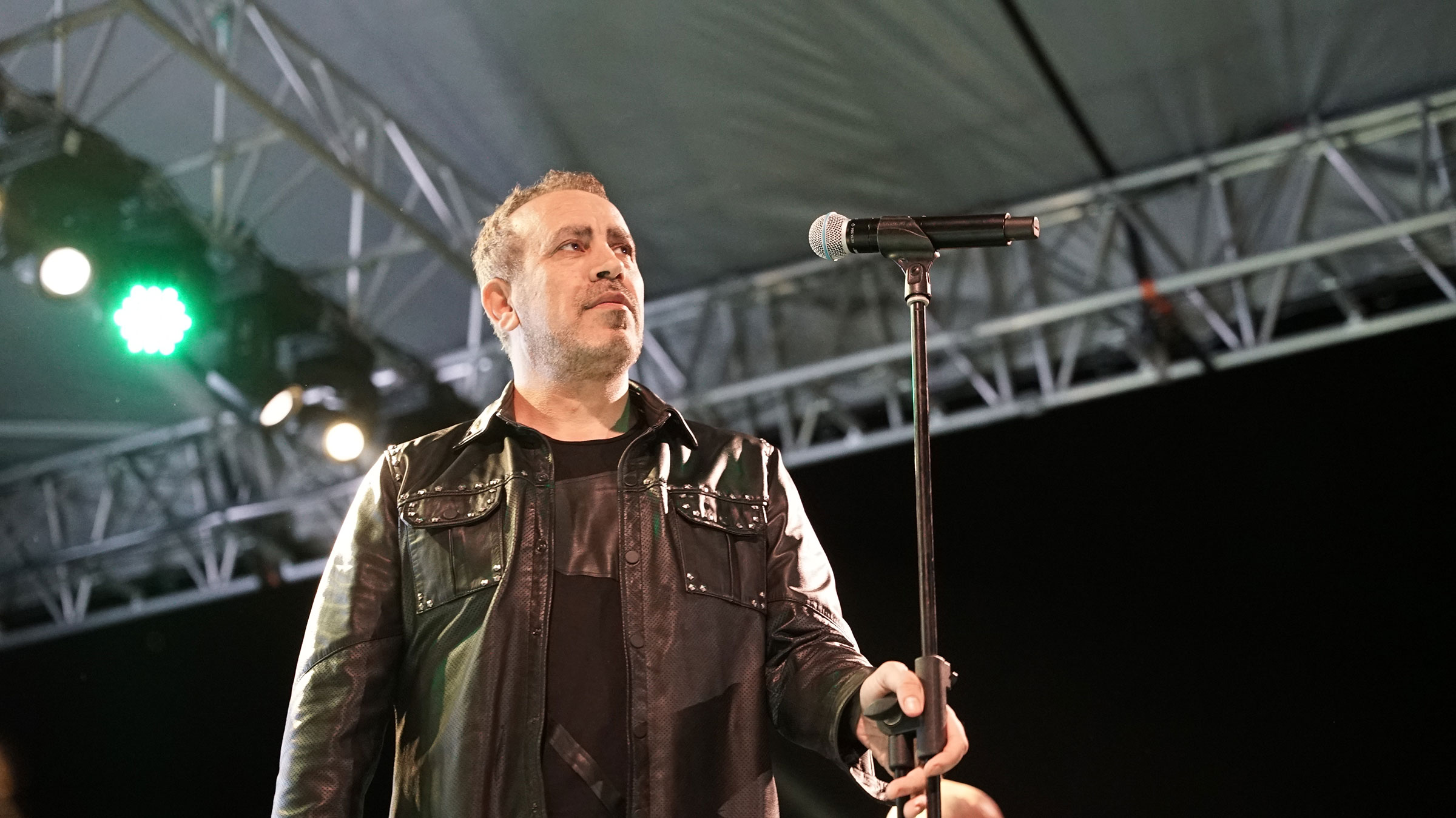
ISTANBUL, TURKEY - SEPTEMBER 11: Haluk Levent performs at Eyup Sultan Culture and Art Center on September 11, 2021 in Istanbul, Turkey. (Photo by Nihal Demirci/Getty Images) —Nihal Demirci—Getty Images
Where do you find influence in 2024? You can start with the offices of the Anti-Corruption Foundation in Vilnius, Lithuania, where TIME met with Yulia Navalnaya earlier this spring. There, the activist is working with 60 supporters—whose anti-Kremlin activities include tracking down the villas, yachts, and bank accounts of the Russian political elites—inside three fully operational production studios and a high-tech control room. Navalnaya spoke with TIME’s Simon Shuster less than two months after the death of her husband Alexei Navalny, who many called Vladimir Putin’s fiercest critic, in a Russian prison camp. In 2022, Shuster profiled Navalny for the cover of TIME, calling him “the man Putin fears.” Now, it is Navalnaya’s turn. She says she and her husband did not discuss what she would do in the case of his death. But following the news on Feb. 16, she felt she had only one choice: to step up in his role as the head of the anti-Putin protest movement. She says she wants to give Navalny’s followers a belief in Russia’s future, as well as a sense of hope: “Most of all I wanted to give them some relief, to comfort them.”
She joins the TIME100, our annual list of the most influential people in the world. The cover subjects in addition to Navalnaya: actor Taraji P. Henson, who is fighting for equality in Hollywood; National Football League star Patrick Mahomes, who has led his Kansas City Chiefs to four Super Bowl appearances in his young career; and entertainer Dua Lipa, who Patti Smith describes as redefining “the pop-genre cosmos.” Later in April, we’ll gather together with the newest members of the TIME100 community for a day of conversation at the TIME100 Summit and for our annual TIME100 Gala. For the fifth year in a row, the gala will be broadcast in the U.S. on ABC, on May 12, and stream on Hulu.
We spend months discussing who belongs on the TIME100, the people who we believe most changed the stories that define the past year. This year’s TIME100 team was led by Dan Macsai and Cate Matthews and included Merrill Fabry, Lucy Feldman, Ayesha Javed, Sanya Mansoor, and Erin McMullen, with design by Katie Kalupson and photo editing by Dilys Ng and Kim Bubello, all of whom worked for months to bring the list to life.
Now in our 101st year, TIME continues to evolve. Today, we convene our TIME100 community across the globe, with events spanning 12 cities and four continents. We’ve also launched new lists, such as TIME100 AI and TIME100 Climate, to recognize even more extraordinary leaders. In May, we will announce and gather the TIME100 Health community for the very first time. TIME100 is an unparalleled way for us to tell essential stories about the people and ideas that shape and improve the world.
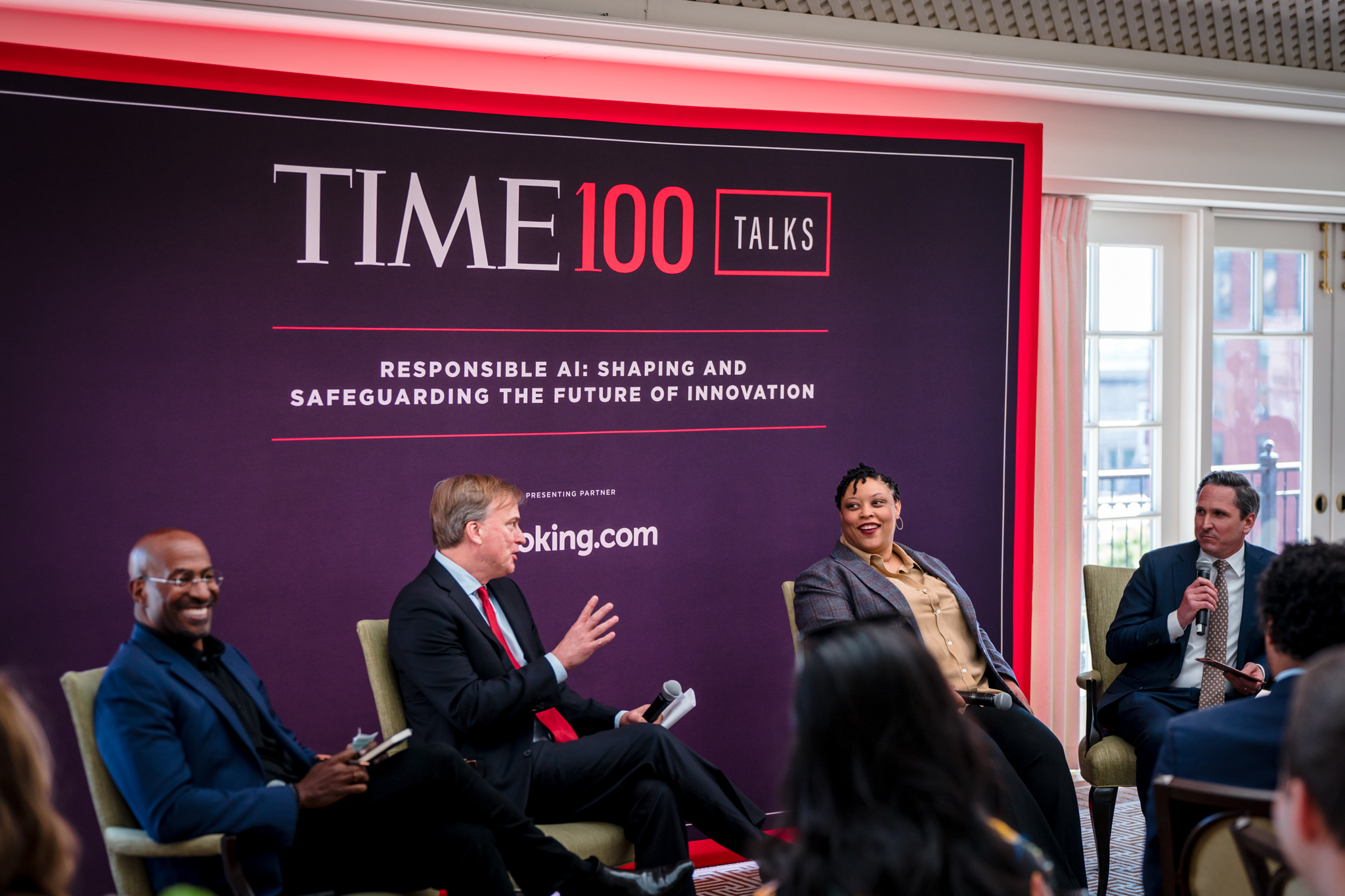
Panelists at the TIME 100 Talks: Responsible AI: Shaping and Safeguarding the Future of Innovation discussion on April 26, 2024. —Brittany Diliberto for TIME
Artificial intelligence has been a tricky subject in Washington.
Most lawmakers agree that it poses significant dangers if left unregulated, yet there remains a lack of consensus on how to tackle these concerns. But speaking at a TIME100 Talks conversation on Friday ahead of the White House Correspondents Dinner, a panel of experts with backgrounds in government, national security, and social justice expressed optimism that the U.S. government will finally “get it right” so that society can reap the benefits of AI while safeguarding against potential dangers.
“We can't afford to get this wrong—again,” Shalanda Young, the director of the Office of Management and Budget in the Biden Administration, told TIME Senior White House Correspondent Brian Bennett. “The government was already behind the tech boom. Can you imagine if the government is a user of AI and we get that wrong?”
The panelists agreed that government action is needed to ensure the U.S. remains at the forefront of safe AI innovation. But the rapidly evolving field has raised a number of concerns that can’t be ignored, they noted, ranging from civil rights to national security. “The code is starting to write the code and that’s going to make people very uncomfortable, especially for vulnerable communities,” says Van Jones, a CNN host and social entrepreneur who founded the Dream Machine, a non-profit that fights overcrowded prisons and poverty. “If you have biased data going in, you're going to have biased decision-making by algorithms coming out. That's the big fear.”
The U.S. government might not have the best track record of keeping up with emerging technologies, but as AI becomes increasingly ubiquitous, Young says there’s a growing recognition among lawmakers of the need to prioritize understanding, regulation, and ethical governance of AI.
Michael Allen, managing director of Beacon Global Strategies and Former National Security Council director for President George W. Bush, suggested that in order to address a lack of confidence about the use of artificial intelligence, the government needs to ensure that humans are at the forefront of every decision-making process involving the technology—especially when it comes to national security. “Having a human in the loop is ultimately going to make the most sense,” he says.
Asked how Republicans and Democrats in Washington can talk to each other about tackling the problems and opportunities that AI presents, Young says there’s already been a bipartisan shift around science and technology policy in recent years—from President Biden’s signature CHIPS and Science Act to funding for the National Science Foundation. The common theme behind the resurgence in this bipartisan support, she says, is a strong anti-China movement in Congress.
“There's a big China focus in the United States Congress,” says Young. “But you can't have a China focus and just talk about the military. You've got to talk about our economic and science competition aspects of that. Those things have created an environment that has given us a chance for bipartisanship.”
Allen noted that in this age of geopolitical competition with China, the U.S. government needs to be at the forefront of artificial intelligence. He likened the current moment to the Nuclear Age, when the U.S. government funded atomic research. “Here in this new atmosphere, it is the private sector that is the primary engine of all of the innovative technologies,” Allen says. “The conventional wisdom is that the U.S. is in the lead, we’re still ahead of China. But I think that's something as you begin to contemplate regulation, how can we make sure that the United States stays at the forefront of artificial intelligence because our adversaries are going to move way down the field on this.”
Congress is yet to pass any major AI legislation, but that hasn’t stopped the White House from taking action. President Joe Biden signed an executive order to set guidelines for tech companies that train and test AI models, and has also directed government agencies to vet future AI products for potential national security risks. Asked how quickly Americans can expect more guardrails on AI, Young noted that some in Congress are pushing to establish a new, independent federal agency that can help inform lawmakers about AI without a political lens, offering help on legislative solutions.
“If we don’t get this right,” Young says, “how can we keep trust in the government?”
TIME100 Talks: Responsible A.I.: Shaping and Safeguarding the Future of Innovation was presented by Booking.com.
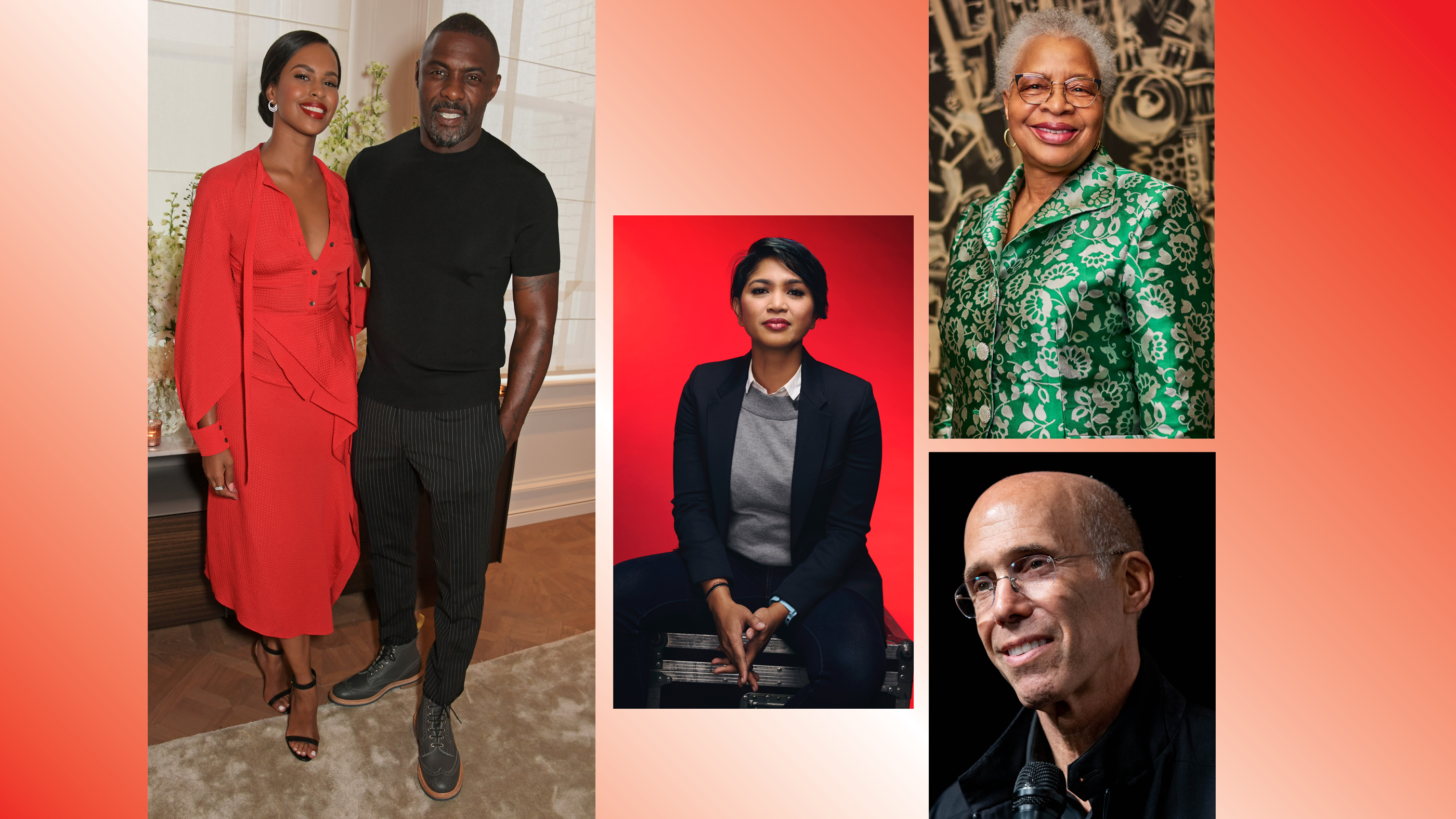
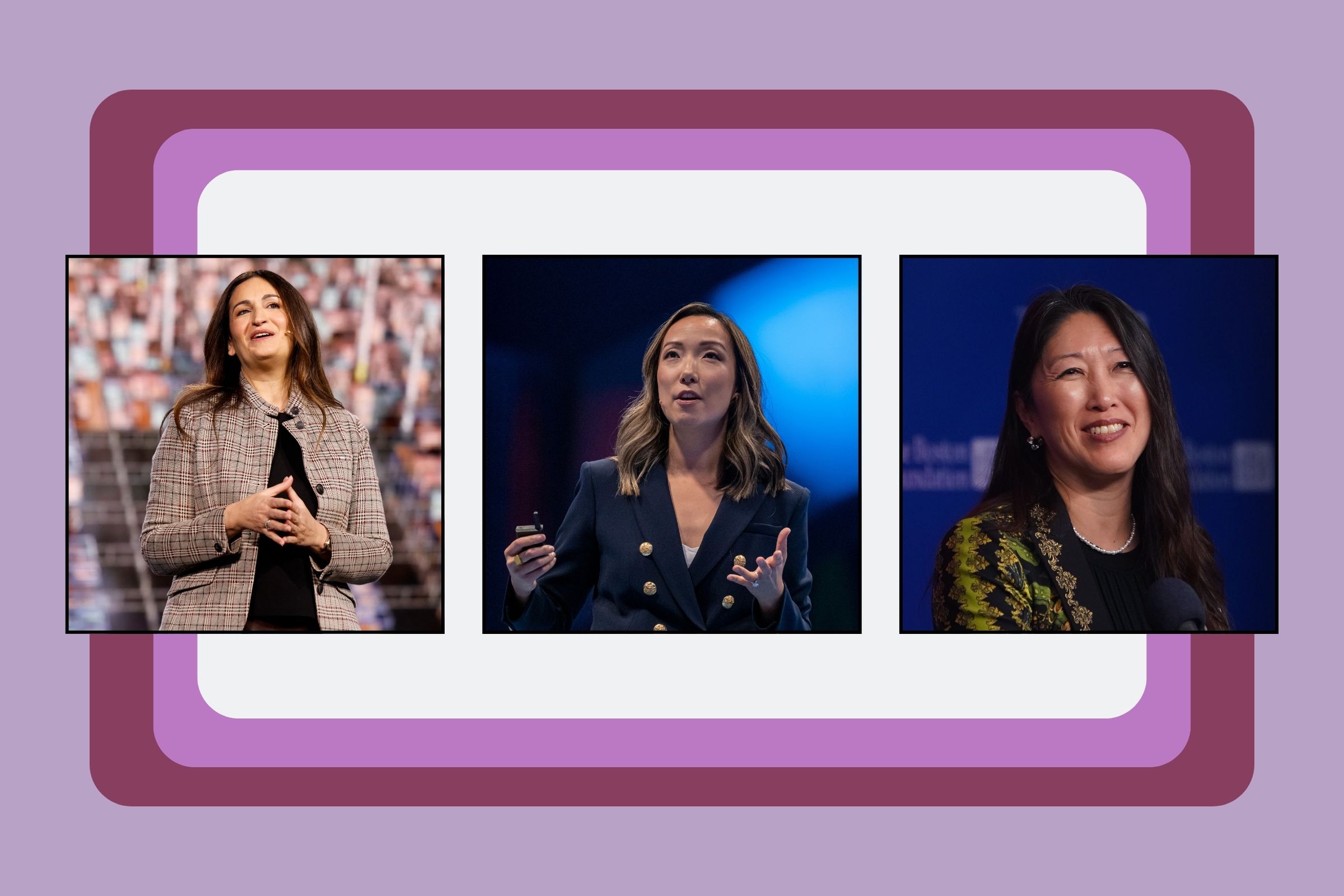
Athina Kanioura; Clara Shih; Julie Kim —Caroline Brehman—AFP/Getty Images; David Paul Morris—Bloomberg/Getty Images; Barry Chin—The Boston Globe/Getty Images
Мой мемный сервис «Шакализатор» победил в премии Яндекс Практикума, но меня больше интересовал другой вопрос: как VPS с одним ядром и 1 ГБ RAM пережил 1,2 млн запросов за сутки?
Серверную часть в основном писал Codex, а я во время наплыва обновлял статистику и ждал падения. Теперь разбираю код, логи и серверные срезы: что именно спасло систему, где нам просто повезло и почему миллион запросов оказался не тем, чем кажется.
В предыдущей статье мы рассмотрели применение платы Arduino Due для измерения сигналов вибрации при балансировке роторов. Поскольку процесс измерения в этом случае должен быть синхронизирован с частотой вращения ротора, мы использовали "адаптивную" частоту дискретизации, то есть частота дискретизации рассчитывается таким образом, чтобы на периоде выборки укладывалось заданное число оборотов ротора. Исходя из объема памяти данных платы Arduino Due объем выборки составил 8192 отсчета 2 байта*4 (исторически сложилось) канала. При этом период дискретизации (требуемое время между отсчетами АЦП) может быть гораздо больше, чем время преобразования АЦП, то есть АЦП может брать отсчеты гораздо чаще, чем нам требуется, исходя из нашей задачи. Поэтому становится возможным применить oversampling (оверсэмплинг) для повышения разрешения и улучшения соотношения сигнал/шум
Чтобы привлекать клиентов, попасть в число самых известных рекламных платформ уже недостаточно. Рекламодатели оценивают не только узнаваемость бренда, но и то, насколько удобно работать с его инструментами, как быстро можно запустить кампании и проконсультироваться с техподдержкой.
Именно поэтому обновленный Technology Index комплексных платформенных решений от AdIndex интересен не только итоговым рейтингом, но и детализацией критериев, из которых он складывается. В этом году исследование получило новую методику оценки качества, которая позволяет увидеть конкретные преимущества платформ. По итогам Авито Реклама попала в топ-3 ИТ-платформ. Разберем, как рекламодатели оценивали компании и что помогло платформе закрепиться на высокой позиции.