RSS Feeds
The key players walking disciplinary tightrope
Arizona toddler found alive in hospital morgue after declared dead from drowning
Prime Intellect raises $130M Series A to help enterprises build their own AI agents
Will Le Pen rise again? French nationalist leader defiant after court's ruling
WATCH: Trump says he thinks he'll remove Syria from terrorism list during al-Sharaa meeting
Trump on rampage at Nato summit: what does it mean for Ukraine? – The Latest
The US president is in combative mood as Nato leaders meet for a two-day summit in Ankara. There are divisions over Russia’s war in Ukraine, defence spending, and the US-Israel war in Iran with signs of the fragile ceasefire collapsing.
The Ukrainian president, Volodymyr Zelenskyy, is holding talks with leaders as he rallies the European cause against Russia’s war that has reached the Ukrainian capital, Kyiv, as Nato allies present an increasingly united front against an unreliable US.
Lucy Hough speaks to the Guardian’s central and eastern Europe correspondent Shaun Walker
Continue reading...The IOC clears the way for Russian athletes to return to Olympic competition

The International Olympic Committee decision effectively overturns a decade-long ban on Russian athletes from international sport imposed due to a state-sponsored doping scandal and Russia's full-scale invasion of Ukraine.
(Image credit: Pavel Bednyakov)

Марин Ле Пен заявила, что пойдет на президентские выборы. Это ей разрешил апелляционный суд
Трамп пообещал предоставить Киеву лицензию на производство ракет-перехватчиков Patriot
How to keep your dog’s paws safe in the heat, according to vets
Trump holds news conference capping off NATO summit
Another massive data breach exposed millions of driver’s license numbers
London City sign Ballon d'Or winner Alexia Putellas
How to get a good night's sleep during hot weather
A new era of biology beckons
First major 2026 Atlantic hurricane forecast predicts below-average season
Do you know where your birth certificate is? Journalist warns of new voting barriers
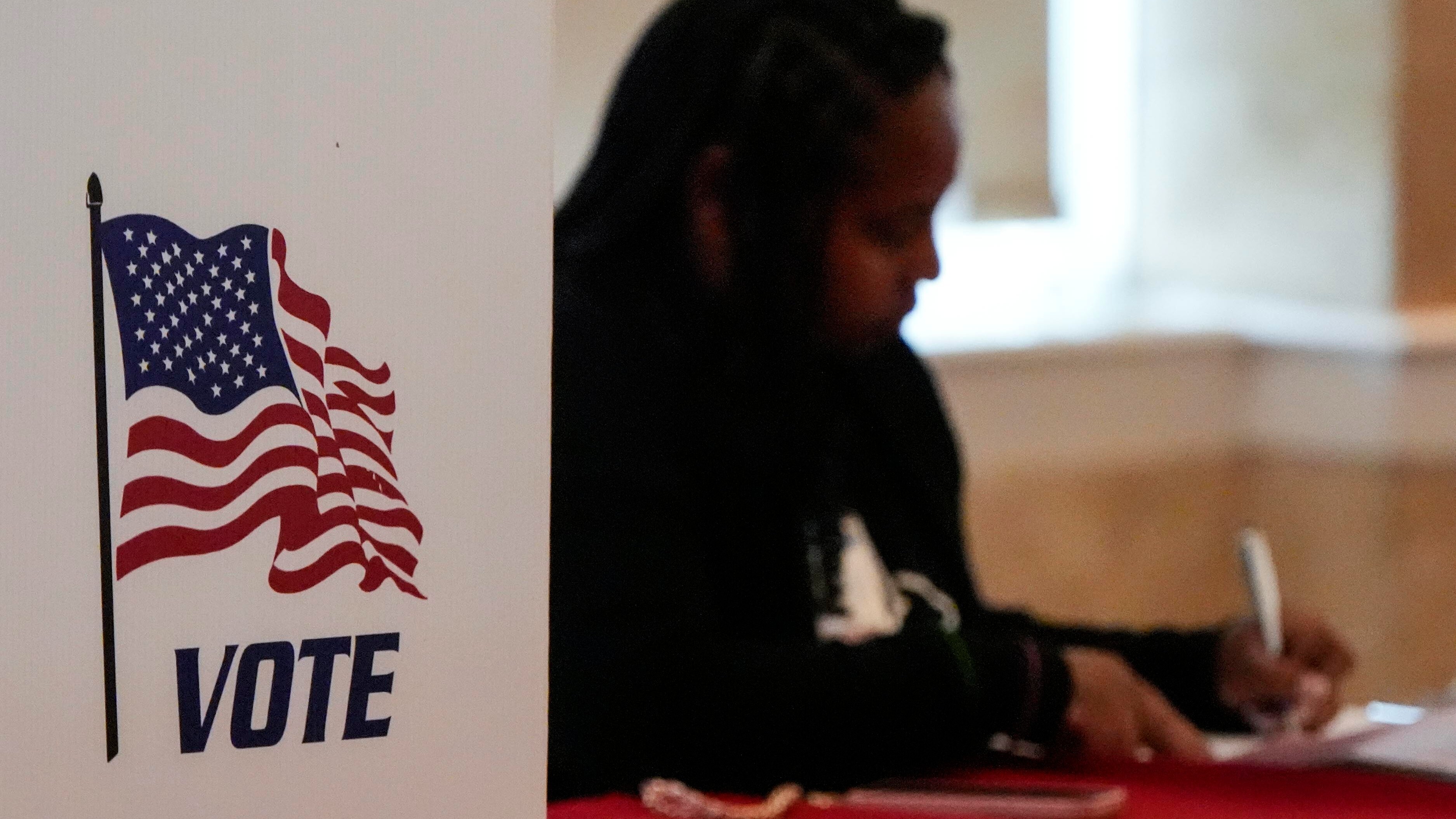
The rules of the midterms are being rewritten, from redistricting to campaign money. Mother Jones journalist Ari Berman explains why President Trump seems "obsessed with the mechanics of voting."
(Image credit: Mike Stewart)

Oil prices climb and stocks fall after exchange of strikes in Middle East
Reform to ask for 6 August Clacton byelection after Farage resignation
Constituents to vote in contest being boycotted by major parties over financial scandal surrounding Reform leader
Reform UK will request that the Clacton byelection be held on 6 August, the party has said, after Nigel Farage’s decision to resign from the seat.
The Reform UK leader, who has represented the Essex constituency since the 2024 general election, said on Tuesday he was standing down and would put himself forward again in what he has sought to portray as a “people versus the establishment” contest.
Continue reading...Trump on rampage at Nato summit: what does it mean for Ukraine? – The Latest
The US president is in combative mood as Nato leaders meet for a two-day summit in Ankara. There are divisions over Russia’s war in Ukraine, defence spending, and the US-Israel war in Iran with signs of the fragile ceasefire collapsing.
The Ukrainian president, Volodymyr Zelenskyy, is holding talks with leaders as he rallies the European cause against Russia’s war that has reached the Ukrainian capital, Kyiv, as Nato allies present an increasingly united front against an unreliable US.
Lucy Hough speaks to the Guardian’s central and eastern Europe correspondent Shaun Walker – watch on YouTube
Continue reading...Часы за 4.000 рублей с оффлайн-картами, памятью для музыки и подзарядкой раз в месяц — обзор на Cubot GT5

Совсем недавно я делал обзор на свои первые смарт-часы, где рассказал о том, что в процессе физических упражнений ношу сразу двое часов одновременно. Некоторым читателям такой подход показался странным, однако на практике это очень удобно: в первую очередь благодаря возможности сравнения показаний пульсометров на разных руках, плюс лично мне кажется такой подход стильным и гиковским.
До недавнего времени я ходил с Apple Watch S3 в качестве дополнительных смарт-часов, однако две недели назад я сменил их на Cubot GT5 за 4.000 рублей. Зачем? Расскажу в сегодняшнем обзоре!
Читать далееTrump reacts to rising gas prices after he announces Iran ceasefire is over
I’m getting married again. How do I avoid the pressure to look perfect this time around?
It’s my job to unpack beauty culture – but I’m still not immune to it. Plus, it’s a particularly strange time to be a bride, beauty-wise
My 91-year-old grandmother had her 1954 wedding album out on her lap when I visited the other day. “I wanted to remember how beautiful I used to be,” she sighed.
Every time my mom comes across a photo of her own 1984 nuptials, she says the same thing: “Look at how skinny I was!” (Or, sometimes, “Can you believe Daddy wore a white tuxedo with tails?” Which I cannot.)
Continue reading...Marta Kostyuk and Linda Noskova roar into their first Wimbledon semi-finals
French Open semi-finalist Kostyuk beats Paolini 6-3, 6-2
Czech No 9 seed Noskova defeats Elise Mertens 6-3, 7-5
A lot has been made of how open the women’s draw is – even before the defending champion, Iga Swiatek, and the world’s top two, Aryna Sabalenka and Elena Rybakina, fell in the first week. But sometimes it pays to be aware of the in-form players, whoever they are, and so it was no surprise to see Marta Kostyuk and Linda Noskova march into the semi-finals.
Kostyuk, the Ukrainian 12th seed who reached the semi-finals at the French Open last month, crushed the 2024 runner-up, Jasmine Paolini, 6-3, 6-2 on Centre Court while the 21-year-old Noskova, seeded ninth, saw off Elise Mertens of Belgium 6-3, 7-5 to make it 10 wins out of 11 on grass this year.
Continue reading...How to Cook With Flowers: 3 Recipes With Edible Blossoms
How to Be a Good Guest at a Dinner Party
2026 Emmy Nominations: ‘The Pitt’ and ‘Hacks’ Lead the Pack
Fax and Telegram? New York’s Archaic Requirements Get an A.I. Overhaul.
In San Francisco, Some Home Sellers Now Ask for OpenAI or Anthropic Stock
I Survived a Cold Plunge and All I Got Was Everything I Ever Wanted
Can you qualify for debt forgiveness if you're still making minimum payments?
Ofsted promises to penalise councils using illegal children's homes
Farage denies stunt as Reform proposes August by-election date
Как в недвижимости бизнес-класса выстраивают перфоманс-воронку: разбор кейса

В 2026 году в недвижимости бизнес-класса цикл принятия решения остается длинным: пользователи сравнивают объекты, возвращаются к уже просмотренным вариантам и редко конвертируются с первого контакта.
В кейсе разбираем продвижение ЖК «Инсайдер» от РКС Девелопмент, где использовалась связка медийных и перфоманс-инструментов внутри одной рекламной экосистемы, включая решения Авито Рекламы и инструменты продвижения объекта в категории недвижимости.
Читать далееOil prices leap, stocks drop after Trump says Iran ceasefire is over
«Политический трюк». Ведущие партии Британии оставили Найджела Фараджа наедине с Графом Урнолицым на довыборах в его парламентском округе
МОК временно восстановил членство Олимпийского комитета России. Что это значит для российских спортсменов?
Losing Even an Hour of Sleep a Night Is Linked to Weight Gain
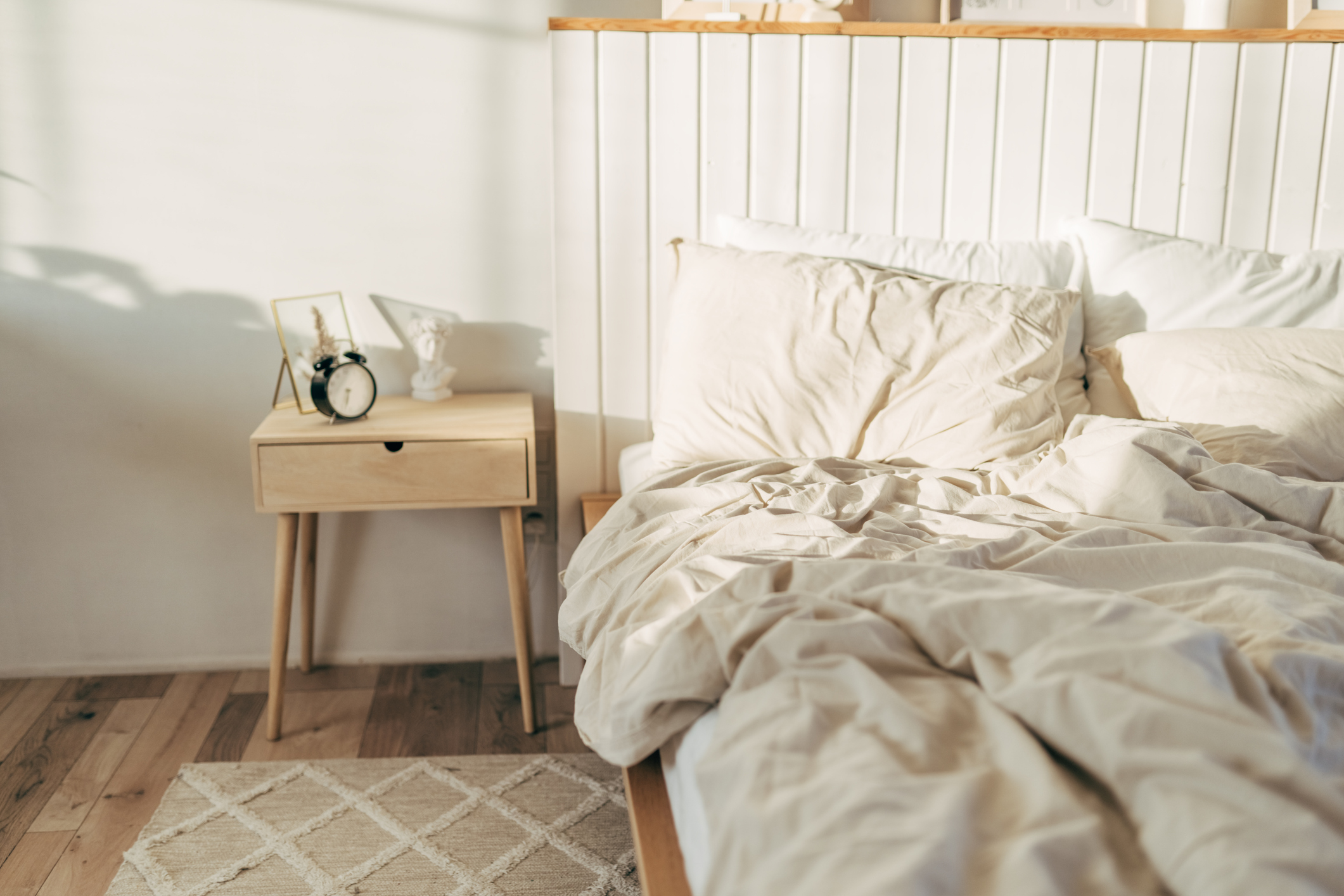
It’s common knowledge that not getting enough sleep is bad for your health. There are clear correlations between sleep deprivation and cardiovascular problems and metabolic conditions. Now, a new study published in Annals of Internal Medicine finds that even a small amount of sleep deprivation can be consequential: When about 100 people intentionally shorted themselves on sleep for six weeks, their appetite hormones shifted, they burned less energy despite being awake longer, and they gained weight.
The findings reinforce the fact that even something that seems as harmless as sleeping for six hours a night instead of seven—roughly what the participants in this study did—has negative effects on the body.
How much sleep is too little?
There have been a number of studies on experimental sleep restriction. In previous experiments conducted in sleep labs, researchers have limited people to just four or five hours a night over a number of days. In fact, an earlier study led by one of the researchers behind the latest study required people to sleep less than four hours a night for five days. When they checked at the end, they found that people in the study ate about 300 calories more than they had at the start.
This time, the goal was “a more realistic evaluation of what would happen if we asked people to restrict their sleep by 1.5 hours, to a level that's similar to what we generally observe in the population,” says Marie-Pierre St-Onge, director of the Center of Excellence for Sleep and Circadian Research at Columbia University.
The optimum amount of sleep varies by individual, but most people need between seven and nine hours a night. In this study, the researchers instructed 95 people, who normally slept around 7.5 hours a night, to go to bed 1.5 hours later than usual for six weeks, while getting up at the same time. They wore wrist monitors and had their blood hormone levels tested, among other measures, to assess any changes happening over the course of the study.
The sleep-deprived participants gained about a pound over the six-week period, and their levels of leptin, a hormone linked to body fat, went up. “We found that they spent more time being sedentary during this period of sleep restriction compared to the period of adequate sleep,” says St-Onge. They were awake for longer, but they were less apt to use that time for exercise or moving around.
Can the effects of sleep deprivation be reversed?
The results mesh well with what was already known about sleep and body weight from more extreme experimental studies, says Dr. Sirimon Reutrakul, an endocrinologist and professor of medicine at the University of Illinois College of Medicine who was not involved in the study.
If sleep deprivation is harmful, do studies where people are asked to sleep longer show a beneficial effect? Yes, says Reutrakul. She points to a 2022 study finding that when people who usually slept too little were asked to sleep more over the course of two weeks, they consumed 270 fewer calories a day. Appetite, sleep, activity—“It’s all interrelated,” she says.
That’s the kind of study St-Onge says she might be interested in pursuing. “We're not going to do a study of a longer sleep restriction than what we've done,” she says, because this one had clear results and was tough on the participants.
Initially, the team was curious to see whether factors like age might change people’s responses to sleep deprivation. But they couldn’t find enough people to voluntarily forgo a nightly hour of sleep. “We wanted to get more postmenopausal women,” says St-Onge. “They were like, ‘There is no amount of money you can pay me.’”
WATCH: Trump says in Zelenskyy meeting that U.S. will allow Patriot missiles to be made overseas
Are Argentina being treated favourably at World Cup?
Henderson has surgery in USA after breaking arm
These AI startups are growing revenue at faster and faster rates
Bowen: For all his bluster, Trump has no better option than talks with Iran
Egypt wants officials kicked out of tournament after VAR ruling
Bowen: For all his bluster, Trump has no better option than talks with Iran
Treasury yet to do due diligence on finding extra money for UK’s Nato spend
How to hit the 3.5% of GDP defence spending promise would be a matter for ‘the next prime minister’, MPs told
The Treasury has as yet carried out no analysis of the trade-offs necessary for the UK to hit the 3.5% of GDP defence spending promise made to Nato, the department’s chief secretary has said.
Under robust questioning in a joint session of the Treasury and defence select committees on Wednesday, Lucy Rigby repeatedly said that how to fund additional defence spending would be a matter for “the next prime minister”.
Continue reading...Uefa could block Russia returning to football in potential new clash with Fifa
Russia banned since full-scale invasion of Ukraine
Many national associations opposed to reintegration
Uefa is prepared to block the return of Russian teams to international football after the International Olympic Committee (IOC) provisionally lifted the country’s suspension from global competition.
Fifa has indicated it will review its position after imposing a ban on Russian teams in the wake of the full-scale invasion of Ukraine four years ago. It said on Tuesday that it would “analyse the decision before deciding on next steps”, and Uefa’s stance sets up another potential clash with the world governing body.
Continue reading...<a href='https://www.skysports.com/tennis/live-blog/28224/13561351/wimbledon-day-10-live-scores-updates-news-results-as-arthur-fery-faces-flavio-cobolli-in-centre-court-quarter-final'>Britain's Arthur Fery goes two sets up in Wimbledon quarter-final against Flavio Cobolli</a>
No content available