RSS Feeds
'Quiet quitting' could be hitting the economy - here's why
WATCH: State of the race: Paths to victory
Корутины в продакшене: как переложить рельсы под идущим поездом

Привет, Хабр! Меня зовут Алексей Макареня, я старший разработчик в «Лаборатории Касперского». Наша команда занимается централизованной системой контроля версий, и это тот самый поезд из заголовка. Через сервер этой системы идет работа с монорепозиторием, где лежит код десятков продуктов, поэтому остановить его на ремонт нельзя.
Сервер годами жил на акторах и дожил до того, что перед мелкой правкой разработчик по нескольку часов восстанавливал в голове поток управления. Под катом рассказываю, как я за восемь месяцев перевел его на корутины C++20 прямо на ходу, зачем для этого понадобилась собственная библиотека на 387 строк и почему иногда полезно сначала написать функцию на 565 строк.
Читать далееAirlines warn budget raid will drive up passenger fares
‘An absolute afterthought’: the story of the Nigeria women’s team’s fall from grace
The Super Falcons won’t be at the World Cup and with the prize money going up, they risk being left even further behind
It was a historic result in Casablanca – but not in a good way. Nigeria’s 2-1 defeat against South Africa in a playoff in August meant that the Super Falcons are missing out on the World Cup for the first time. It is a crushing blow for the most decorated national side in Africa across both men and women, one that has won no fewer than 10 Wafcon titles.
The journalist and lecturer Dr Victor Ademola was in Morocco the day of the defeat. “It was a very difficult evening,” he says. “Some players were visibly emotional while others appeared to be processing what had just happened. I saw players crying as they got on to the team bus while some sat alone or remained on their phones, looking very sad.”
Continue reading...Russian bombing kills 31 people at Ukraine aid centre, Kyiv says
US urges Venezuela to release remaining political prisoners
Connect250 creates a time capsule of life in America
We hear some of the results of StoryCorps teaming up with Morning Edition to connect listeners across America for a series of conversations about the country on the 250th anniversary of its founding.

Наконец-то я понял Андрея Карпатого с помощью Арканоида

Это последний кадр DOS-Арканоида 1988 года. Корабль «VAUS» улетает, потому что в 33-м раунде разбит босс DOH. У игры нет API, то есть готового программного входа, и в её память никто не лезет. Есть только картинка 320 на 200 пикселей, клавиатура и мышь.
До этого кадра в 10 партиях из 10 дошла программа, которую написал ИИ. Сам ИИ при этом не играл. Он изучил игру, глядя на экран, и написал обычную программу-игрока, а играла уже она. Доступ к игре и отдельную программу для проверки мы подготовили вдвоём с Claude, а задачи ставил я.
Полгода назад, в апреле 2026 года, я посмотрел выступление Андрея Карпатого на конференции Sequoia AI Ascent (есть и русский дубляж). Он рассказывал о трёх поколениях программ. В Software 1.0 человек пишет код. В Software 2.0 собирает данные и обучает нейросеть. В Software 3.0 «программирование превращается в промпт», а то, что лежит в контекстном окне, становится «рычагом, которым вы управляете интерпретатором, то есть LLM». Я посмотрел, покивал и, как теперь понимаю, ничего не понял.
Я не профессиональный программист. Слова про вайб-кодинг, агентов и новую парадигму давно стали для меня абстракцией: звучат умно, но потрогать их нельзя. Недавно я пересмотрел то выступление и удивился, что теперь понимаю почти каждое слово. За эти полгода я узнал в его словах свой опыт. Сначала пытался научить ИИ играть в Арканоид через обучение нейросети, и не смог. Потом поставил задачу иначе, и получилось.
Об этом и статья: как простая игра 1988 года объяснила мне то, что не смогла объяснить лекция.
Читать далееInside OpenAI’s ‘election war room’ and AI's impact on the midterms
First Thing: US goes to polls in vote that will define the last years of Trump’s presidency
Democrats are hoping to seize control in the Capitol and rein in the president’s power. Plus, a peacock that loves admiring itself in the mirror a little too much
Good morning. Americans are heading to the polls today in US midterm elections widely seen as a referendum on Donald Trump’s second presidency and a chance for opponents to rein in his power. The party holding the White House typically loses congressional seats at midterm elections and Democrats are hoping the president’s nose-diving popularity can be exploited.
Meanwhile, the US Department of Justice in California has charged six more people with alleged voter fraud crimes, an escalation of the administration’s campaign against election integrity. However, in a blow to Trump, the supreme court has ruled against attempts to force California election officials to segregate and not count ballots from people the justice department claims are non-citizens.
Where have our reporters been covering the crucial midterm races? We have a dispatch from Shrai Popat in New Hampshire, where Republicans were hoping to flip a Senate seat but now worry Trump may be dragging them down, and David Smith has been in Austin, where James Talarico is making an extraordinary bid to break the Texas Democrats’ losing streak. Lauren Gambino has been in Los Angeles, casting her eye over Xavier Becerra’s California shoo-in to be governer, while Joseph Gedeon offers this analysis from Detroit of how Israel is at the heart of Haley Stevens’s extraordinary reversal to back Abdul El-Sayed’s Republican opponent in Michigan.
Where can you find the Guardian’s election coverage? This explainer has everything you need to know about how winners are called, how states count ballots and Trump’s election denialism. We also have an hour-by-hour rundown of when polls close around the US, and this valuable guide to the candidates and races that will decide the elections.
We will be live blogging the election and results round-the-clock. You can join my colleagues on the live blog here.
Continue reading...Итальянец Кими Антонелли стал самым молодым чемпионом в истории «Формулы-1»
Нападающий «Тенерифе» Хесус де Мигель умер после столкновения с вратарем на поле
Stolen watch worth $290,000 returned to store with apology note
От разработки с ИИ до поиска работы: пять интересных публикаций Инфостарт
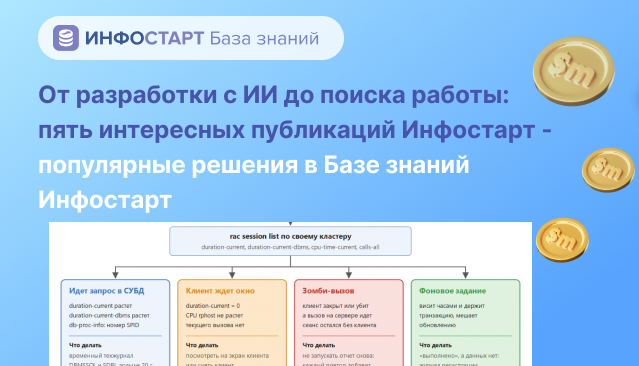
27 лет писать код, а потом полностью доверить разработку ИИ? Ускорить формирование отчета в 14 раз? Подключить ИИ-агента к 1С, преобразить привычный Конфигуратор и найти новую работу с помощью нейросети?
В новой подборке Инфостарт - реальные кейсы, неожиданные эксперименты и практические решения от участников сообщества. Разбираемся, какие инструменты уже меняют работу специалистов 1С, как они помогают экономить время и какие возможности открывают для разработчиков.
Читать далееJet may have broken apart before Florida crash, officials say, as family named among victims
Indian tourist killed after two helicopters collide near Everest base camp
6 Themes to Watch for in the Midterms Elections Results
Supreme Court rejects Trump's request to stop California counting disputed votes
UK’s most polluting power plant could power country’s largest AI datacentre
Drax’s FTSE 250 owner strikes £20bn deal to build infrastructure in what it says is site’s ‘next chapter’
Britain’s most polluting power plant could soon power the country’s largest datacentre under a £20bn deal to build AI infrastructure on the site of the Drax power plant in North Yorkshire.
The power plant’s FTSE 250 owner has struck a deal with the infrastructure investor Brookfield and and the AI infrastructure platform Radiant to develop a datacentre with an eventual capacity of more than 1 gigawatt that could begin operations by early 2028.
Continue reading...Plot Twist newsletter: Winston Churchill and the power of hobbies
The Amazon’s canary in the coalmine: what a tropical fish can tell us about climate upheaval
Scientist Adalberto Luis Val’s pioneering research on the tambaqui fish is revealing the effect of climate disruption in Brazil, with global implications for biodiversity and food security
As a boy in rural São Paulo, Adalberto Luis Val used to stare into the lake where his father took him fishing and wonder how all those creatures swimming below stayed alive. One day, he netted a few, put them in a jar, and brought them home to observe. The next morning, they were all dead. Val was devastated but intrigued.
“I needed to know how fish are able to live,” he says.
Continue reading...US midterm elections 2026: live results from Senate, House and governor races in all 50 states
With many seats still to come in, the Democrats have taken control of the Senate, House and several key governorships. Find live updating results in full here
The US legislature, Congress, has two chambers: the House of Representatives and the Senate.
Continue reading...Cyber attacks affect UK meat processing industry, top security official says
UK’s most polluting power plant could power country’s largest AI datacentre
Drax’s FTSE 250 owner strikes £20bn deal to build infrastructure in what it says is site’s ‘next chapter’
Britain’s most polluting power plant could soon power the country’s largest datacentre under a £20bn deal to build AI infrastructure on the site of the Drax power plant in North Yorkshire.
The power plant’s FTSE 250 owner has struck a deal with the infrastructure investor Brookfield and and the AI infrastructure platform Radiant to develop a datacentre with an eventual capacity of more than 1 gigawatt that could begin operations by early 2028.
Continue reading...Craig Silvey pens 9,000-word apology for child exploitation material offences
The children’s author claims he experienced trauma in childhood as he begins seven-month sentence for possessing depraved material
Warning: This article contains graphic content
Get our breaking news email, free app or daily news podcast
The disgraced best-selling author Craig Silvey has claimed he experienced trauma as a child in a 9,000-word apology published after he was jailed for child exploitation offences.
The young adult novelist was sentenced on Monday to seven months’ imprisonment, after being charged in January and subsequently pleading guilty to distributing and possessing depraved child exploitation material.
Continue reading...Apple AirPods 5 Review: Better Than Before but Not Quite Pro
Нужен ли нам нейрорендеринг DLSS 5

В игровой индустрии есть технологии и механики, которые вызывают у игроков почти единогласное раздражение. Чаще всего они ухудшают производительность, бьют по карману или мешают погружению в игровой процесс. Это DRM, лутбоксы и гача-механики, хроматическая аберрация и motion blur. А с недавних пор в список добавилась технология DLSS 5.
Семь лет DLSS была «невидимой» технологией. Она ускоряла игру, и пользователи этого не замечали. До четвертой версии DLSS давала больше FPS и аккуратнее восстанавливала изображение. Но с приходом DLSS 5 ситуация изменилась — теперь нейросеть не «реконструирует» кадр, а значительно меняет картинку.
NVIDIA впервые продемонстрировала DLSS 5 на GTC 16 марта 2026 года, а 3 сентября технология вышла в релиз вместе с NBA 2K27. За прошедшие между анонсом и запуском полгода она успела стать самой обсуждаемой графической технологией со времен RTX 2018 года — и, возможно, самой ненавидимой. Разберемся, что это вообще такое, почему реакция оказалась такой бурной и что это значит для разработчиков, рынка железа и самих игр. На связи Selectel, подробности — под катом!
Читать далееTrump Blames Republicans After Crushing Election Defeats
President Donald Trump criticized fellow Republicans and Fox News’ election coverage in a series of Truth Social posts Tuesday night as his party suffered defeats up and down the ballot. Had he been on the ballot, he lamented, Republicans would have won “IN A LANDSLIDE.”
Trump singled out Texas Governor Greg Abbott, who lost his re-election bid to Democrat Gina Hinojosa, calling him a “RINO,” short for “Republican in name only.”
Read more: Democrat Gina Hinojosa Ousts Gov. Greg Abbott in Texas, Ending Decades of Republican Leadership
“He went back to his original formula, and it wasn’t pretty,” said Trump, who had praised Abbott as “strong and highly respected” a day earlier.
In a phone interview with Fox News, Trump said he was “a little surprised” by the results but rejected the suggestion that they amounted to a repudiation of his leadership.
“We’ve had the greatest two years in the history of the presidency,” he added.
Trump final push falls short
Trump had packed his final days before the election with back-to-back virtual rallies. During remarks in front of the Lincoln Memorial Reflecting Pool on Monday, the source of a recent troubled renovation, Trump lauded his Administration’s achievements while calling Democrats “extreme and dangerous.”
“For whatever reason, the sitting president doesn’t win the midterms, and we gave this a very strong shot,” Trump said.
His Monday schedule included at least nine virtual rallies for Republican candidates across the country. In October alone, he spoke at 27 campaign rallies.
But the last-ditch effort did little to stem Republicans’ losses, with Democrats taking control of both the House and the Senate. Republicans suffered some of their most unexpected defeats in South Carolina and Texas, two longtime Republican strongholds.
In Florida, Democrats overcame the GOP’s unusual mid-decade redistricting and were projected to win in redrawn districts where Republicans had hoped to gain an advantage.
“Democrats are showing up, they're energized. They hate, hate, hate Donald Trump,” Republican Sen. Ted Cruz of Texas, said Friday on his podcast.
For months, Trump has appeared to lay the groundwork to claim that voter fraud took place if Republicans perform poorly in the midterms, despite the fact that instances of voter fraud are exceedingly rare.
Last week, he claimed in a Truth Social post that the federal government is closely watching for any sign of voter fraud in Minnesota, and that the only way that the Republican candidate for the Senate will lose is through “playing games with the [B]allots.”
On Monday, the Supreme Court blocked the Department of Justice from setting aside 20,000 mail-in ballots that the administration claims have been provided to noncitizens. Federal judges in the lower courts have all rejected the DOJ’s request to do so.
Asked if he will respect the midterm election results, Trump told reporters last Tuesday that he will “if they are honest elections.”
The Awkward Money Talk Every Friend Group Needs | Money Moves with Jill Schlesinger
Из какой LLM получится хороший виртуальный сотрудник, или Почему валятся бенчмарки моделей для генерации кода

В феврале 2026 года OpenAI рекомендовала оценивать ИИ-агентов для программирования по бенчмарку SWE-Bench Pro. Но уже 8 июля отозвала собственную рекомендацию, признав, что примерно 30% задач SWE-Bench Pro составлены с ошибками. До этого компания отказалась от SWE-bench Verified, когда выяснилось, что модели видели часть его задач и ответов еще при обучении.
После этого возник вопрос: каким тестам вообще можно доверять?
И пока индустрия это выясняет, исследователи NVIDIA занялись другим вопросом, который особенно важен для разработчиков моделей для генерации кода и тех, кто собирает на их основе ИИ-агентов.
Читать далееКак правильно утопить сервер: это дорога в один конец, но сервер получится очень быстрый

У нас есть машзал ЦОДа, где стоят ванны с серваками. И вот что я вам скажу про жидкостное охлаждение:
— Это билет в один конец. Стоит вам один раз погрузить сервер в ванну, больше вы его рабочим не достанете.
— Это позволяет примерно в 5–6 раз повысить предел возможного относительно воздушного охлаждения, то есть ваши процессоры ждёт незабываемое приключение с разгоном за пределами всякого здравого смысла.
— Надо снять кулеры, но современные карточки очень любят ими управлять, поэтому ещё понадобится драйвер, который оверрайдит попытки потротлить, потому что кулер вращается медленно.
— С ванны (аналога стойки по размеру) можно спокойно снимать не 6–15 кВт, а 120 кВт, то есть раз в 15 больше, чем в воздушном ЦОДе, и в разы больше, чем на обычном водяном охлаждении.
— Самое главное, чтобы эта штука не загорелась. Потому что если не отводить тепло, то сервак перегреется и ванна, в которой в том числе до фига масла, полыхнёт так, что остановить пожар можно будет только вокруг неё, но не в ней.
— Это снимает гарантию, поэтому мы купаем только старое железо, уже и так сошедшее с поддержки вендора.
— Можно совать в ванну руки, током вас не коротнёт, потому что жидкость диэлектрическая. Но мы всегда делаем вид, что бьёмся в конвульсиях. Это нас очень развлекает, когда приходят новые люди.
— Нельзя кидать в ванну любой сервер, его сначала надо доработать. Например, заменить термопасту на нерастворимую, плюс поменять все провода на такие же, только с нерастворимой изоляцией.
Сейчас расскажу про всё это подробнее плюс про то, какое железо вообще имеет смысл топить, зачем это всё и где бабки, Лебовски.
Но начнём с того, как эта фигня вообще работает.
Читать далееWATCH: Man complete 31,000-mile walk around the world after 28 years
China Stock Market’s Hidden Problem: Foreign Investors Get a Different Truth
The Breakdown | Rugby’s grand Ruckfest gamble cannot afford a damp squib in London finale
Financial success of the three-day finale in London later this month promises to make or break the concept
Guess how many people attended the recent Oktoberfest in Munich, the famous annual pilgrimage for people with a sense of fun and a collective thirst to quench? Admittedly the event spanned a fortnight but the figure is still pretty remarkable. There were 7.4m visitors – a record – with around a quarter of them travelling from overseas.
Now imagine even a tenth of that congregation coming together for a like-minded three-day festival in London. Endless access to quality beer, the chance to make instant new friends and, if desired, plenty of fancy dress options (lederhosen not compulsory). With top-quality sporting entertainment also on tap. Let’s hear it for Glastonbury’s oval-ball cousin: Ruckfest, if you will.
Continue reading...Indian tourist killed after two helicopters collide near Everest base camp
Jet may have broken apart before Florida crash, officials say, as family named among victims
Control of Congress is at stake today. And, judge to consider motion in Clancy case
Election Day is here, and voters are heading to the polls in an election that may change control of Congress. And, a judge is considering whether to dismiss Lindsay Clancy's murder case.
(Image credit: Timothy A. Clary)

West Ham sack head coach Nuno Espirito Santo after poor start to season
Israel’s Arab parties could end Netanyahu’s rule — if his opposition lets them

The dust is beginning to settle a week after Israel’s first national election since Hamas’s attack on October 7, 2023, and the war Israel waged on Gaza in response. Neither Prime Minister Benjamin Netanyahu nor his opponents won the 61 parliamentary seats needed to govern.
Now the fate of the next government hinges on a less-discussed part of the Israeli electorate: Arab citizens, who voted in record numbers and whose parties have emerged with more leverage than ever before. They are not to be confused with the roughly 5.5 million Palestinians in the West Bank and Gaza, who live under Israeli control but are not citizens and cannot vote in national elections.
Although Israel has become a fault line in both American parties, with Democrats split over arms sales and whether to call the war in Gaza a genocide, and Republicans over whether Israel pulled the United States into war with Iran, these were not the central issues in the recent election.
Voters and candidates alike treated the election as a referendum on Netanyahu himself, who has governed Israel for most of the past 17 years and is currently on trial for corruption. And Netanyahu did lose support in this election: His right-wing and religious coalition fell from 64 of the Knesset’s 120 seats in 2022 to 53, while 67 seats went to parties that ran against him.
Nineteen of those 67 opposition seats were won by two Arab parties, Ra’am and the Joint List, on a historic surge in turnout among Arab citizens of Israel. Arab parties had held just 10 seats after the last election.
Key takeaways
- Israel’s election ended in deadlock, and record Arab turnout nearly doubled Arab parties’ seats to 19, the most ever.
- A crime wave in Arab towns while Netanyahu’s far-right minister Itamar Ben-Gvir ran the police drove Arab voters to the polls.
- Depending on the details, a Jewish-Arab coalition could reshape Israeli politics, but it won’t end the occupation or reverse course in Gaza.
But most of Israel’s Jewish parties have long treated a governing coalition that depends on Arab votes as taboo. Netanyahu spent the campaign portraying Ra’am and Joint List politicians as supporters of terrorism, and several of his Jewish opponents promised to never govern with them. Whether the four Jewish-led opposition parties that call themselves the “change bloc” will break that promise is now the central political question hanging over Israel — with major implications for Arab and Jewish citizens alike, and for what kind of country they share.
“There’s been a fair amount of commentary from American Jewish groups that over a million Arab citizens can vote, and that’s true, but the big asterisk is it matters only if those votes are taken seriously and if Arabs are treated as potential partners in a coalition,” Ilan Goldenberg, the chief policy officer for J Street, a liberal pro-Israel group founded as a counterweight to AIPAC, told me. “Otherwise it’s a pretty empty symbol, and it says something else about Israeli society and Israeli politics.”
Polling suggests most change bloc voters would accept a government that relied on Ra’am, if not the Joint List, whether inside the coalition or backing it from outside in exchange for policy commitments. Their leaders have been more cautious, though, partly because most Jewish Israelis still oppose an Arab-Jewish coalition and the politicians worry about losing those voters in the next election. Critics see that caution as the problem: Rather than try to bring the Israeli public along, the Jewish opposition leaders campaigned on rejecting an alliance they might need to form any kind of government at all.
It’s a pivotal moment for supporters of a liberal, democratic Israel, for those pushing sanctions and boycotts — some of whom want an end to Israel as a Jewish state — and for the roughly 900,000 Arab citizens who turned out to vote for urgent improvements in their daily lives. The next few months will decide who governs the country, whether Arab voters get real influence over policy or become further marginalized, whether pressure on Israel from abroad grows or fades, and whether anything changes for the Palestinians it rules.
Why Arab voters showed up
For Arab voters, this election was different in two ways. The Arab parties were more united than ever on a single priority — getting rid of Netanyahu — even if it meant working with Zionist parties whose vision of a Jewish state they’ve long opposed. And calls to boycott the vote, which Islamist and Palestinian nationalist groups within Israel’s Arab community have pushed in past elections on the grounds that voting legitimizes the state, were far more muted this time around.
The prime motivating factor for Arab voters was Netanyahu’s coalition itself, the most right-wing government in Israel’s history. Its national security minister, Itamar Ben-Gvir, who was once convicted of inciting racism after displaying a sign reading “Expel the Arab enemy,” has overseen the police while organized crime has killed record numbers of Arab citizens. Homicides in Arab communities more than doubled between 2022 and 2025, and police solved just 12 percent of them in the first half of this year. Netanyahu’s finance minister, Bezalel Smotrich, who has said there is “no such thing as a Palestinian people,” also froze hundreds of millions of shekels promised to Arab towns, arguing the money would reach criminals. In 2025, Britain and four other countries sanctioned both men for inciting violence against Palestinians.
“The feeling is the state has completely failed to address criminal violence,” Yousef Munayyer, a Palestinian citizen of Israel and the head of the Palestine/Israel program at the Arab Center Washington DC, told me. “Brutal murders go uninvestigated and unsolved, and in many corners there’s a belief that the Israeli intelligence services are intentionally turning a blind eye.”
Hassan Jabareen, the executive director of Adalah, a legal advocacy group for Palestinian citizens of Israel, told me the Arab parties have been deliberately keeping their demands to things an anti-Netanyahu government could practically deliver, like fighting crime, ending the demolition of Bedouin homes in southern Israel, and stopping settler violence in the West Bank.
“We are not going to say to end the occupation, we are not going to ask for withdrawal from Syria,” Jabareen said. “Those issues, we know that they won’t agree with us, and the right-wing will use it against them, and they themselves won’t agree.”
Though Ra’am and the Joint List did not make Gaza central to their campaigns, Jabareen said the national election was a rare opportunity for Arab voters to express their anger at the war, something they’ve been heavily barred from protesting over the last three years. He added that Palestinians in Gaza and the West Bank have been “happy and proud” of the record turnout of Arab citizens.
The choice facing Gadi Eisenkot
The “change bloc” is an alliance of four Zionist parties with little in common beyond wanting Netanyahu gone. Its leader is Gadi Eisenkot, a former army chief who sat in Netanyahu’s war cabinet after October 7, lost a son in Gaza, and quit the government over its handling of the war. His new centrist party won the most seats of the four. The others are a party led by two former prime ministers, the settler-right hawk Naftali Bennett and the centrist Yair Lapid, and Yair Golan’s party, the last of Israel’s Zionist left. The fourth is Avigdor Lieberman’s, hawkish on security and built on secular Russian-speaking immigrants who want the ultra-Orthodox out of government.
The four were split on Arab parties during the campaign. Golan was the only leader explicitly open to governing with them. Eisenkot set four conditions for any coalition partner, including recognizing Israel as a Jewish and democratic state and Hamas as a terrorist group, and said in September that no Arab party met them. (Arab leaders and many critics saw these conditions as a way to shut Arabs out without saying so.) Bennett, who in 2021 led the first governing coalition ever to include an independent Arab party, said this time he wanted only Zionist parties in government, and Lieberman, who sat in that same 2021 coalition, also ruled out relying on Arab parties again.
Ori Kol, a progressive campaigner who worked for Golan’s left-wing party, told me most Jewish opposition voters “were shocked” on election night, expecting the change bloc to win more seats.
“What people really expected is that Netanyahu voters would not turn out as they did, because the logic was after three years of war, two failed wars against Iran, attacking Qatar, the sanctions, and the incredible physical, emotional and economic toll on the country every Israeli living here has experienced, that Netanyahu would pay some sort of cost,” he said. And while Netanyahu’s coalition did lose about a dozen seats compared to 2022, his party still did better than expected, beating the final polls from three major Israeli broadcasters.
So what is the resistance to forming a Jewish-Arab government? Part of it is plain prejudice, a refusal to accept Arab parties as legitimate partners in governing a Jewish state. Arab parties have supported or joined an Israeli government only twice, briefly, in the 1990s and in 2021, and both times the Jewish parties involved treated it as a one-off they’d rather not repeat. Both times, too, the Arab parties were just a handful of votes at the margin, while this time they would represent nearly a third of the coalition.
A vocal liberal minority of Israelis say that’s exactly the change the country is overdue for. In the week since the election, thousands have rallied to demand their leaders form a Jewish-Arab government. Some activists organized a pressure campaign outside Eisenkot’s home, while others have signed petitions, including one led by writers and artists, and another by Israeli healthcare professionals.
The other main hurdle, which can be hard to disentangle from bigotry, is electoral fear. Jewish opposition leaders worry that a Jewish-Arab coalition would be fragile from the start, and that if it collapsed in the near future, they would pay the price in the next election. Israelis vote on security above all, and Netanyahu leverages those concerns shamelessly. Two days before this past election, for example, he posted on X an AI-generated image of a mushroom cloud over Tel Aviv, warning of a second Holocaust if he lost. On election night he warned that it was “forbidden” to form a government that relies on anti-Zionist Arab parties. (This didn’t stop Netanyahu himself from negotiating with Ra’am in 2021, when he needed its votes.)
Ra’am, for its part, has spent the last few months trying to make itself an easier partner for Zionist parties to accept. In August its leader, Mansour Abbas, put a Jewish former deputy security minister in the No. 2 slot on the party’s electoral slate, and a few months earlier Ra’am cut its formal ties to the religious council that had guided its decisions, to show it answers to no one but its voters. Abbas has also repeatedly condemned the October 7 attack.
The Joint List is more nationalist, and one of its party leaders was forced out of the race in October over an article he published the day after October 7, calling the attack an “important historical event.” That leader has since said his language was badly worded and he did not mean support for it. The Joint List may not want to be formally in the coalition anyway. Its leaders have said they’d rather support an Eisenkot government from the outside, which would let them push for concessions on crime and budgets without having to share responsibility for the coalition’s decisions on Gaza and elsewhere.
For now, the Arab parties are signaling they don’t want to drive a hard bargain with Jewish leaders given the risk of Netanyahu staying in power. Over the weekend, one of the Joint List’s leaders said his party would back Eisenkot’s choice for Knesset speaker when the new parliament convenes on November 10. “We want to be part of the correction, part of the hope,” he said, adding that his party would “swallow frogs” to get things done. The Joint List’s chair also said the party was “truly ready” to help build a majority in the coming weeks. Opposition leaders have reportedly been in contact with both Joint List officials and Abbas.
Eisenkot, for his part, posted a statement over the weekend that read as tailored to exactly that arrangement, Ra’am inside and the Joint List outside. He repeated the four conditions he set during the campaign and wrote that “the door to the government we establish will be open to any elected official who accepts these principles.” But he also described the state he wants as “Jewish, democratic, liberal and egalitarian,” a word choice seemingly aimed at Arab citizens. And he said partners could satisfy his national-service condition through “civilian service,” not just the army, a voluntary version of which most Arab citizens tell pollsters they’d support.
The sticking point is Eisenkot’s demand that all partners declare Hamas a terrorist organization, something Abbas has repeatedly said he considers a risk to his life and his family’s. Hamas has a record of killing Palestinians accused of collaborating with Israel, and Abbas has faced death threats before.
But over the weekend Abbas signaled, according to Channel 12, that Eisenkot’s conditions need not keep Ra’am out of a government, which suggests the two sides may be able to negotiate a compromise.
What a Jewish-Arab coalition means for Israel’s friends and critics
For supporters of a liberal, democratic Israel, bringing Arab parties into government would signal that Arab citizens have a say in who governs the country, and undercut the claim that they are shut out of power. Whether that proves true depends on what those parties actually get, in cabinet posts and in policy commitments.
Still, Israel’s democracy stops at the Green Line, the boundary that separated Israel from the West Bank before the 1967 war. More than 3 million Palestinians on the other side of it live under Israeli control with no vote in the government that rules them, and the same is true of the 2 million in Gaza. No election inside Israel changes that.
After last Tuesday’s election, most major American Jewish organizations released statements praising Israel’s democracy, citing its high turnout as proof. For example, AIPAC, which did not return requests for comment, praised turnout as reflecting Israel’s “vibrant democracy and rich diversity.” The Jewish Federations of North America cheered Israel for its “deep commitment to democratic principles and civic participation.”
J Street and New Jewish Narrative were exceptions, with J Street’s statement calling on the Jewish opposition to form a government with the Arab parties. New Jewish Narrative said Arab citizens “must be allowed a full voice in what comes next.”
Munayyer, of the Arab Center Washington DC, has little patience for the democracy talk at this moment. “People who are using this opportunity to talk about Israeli democracy, they’re not serious people,” he told me. Palestinian citizens did win historic numbers, but if the millions who live under Israeli control could actually vote, “they’d probably have 60 seats, not 19.” That, he said, is what makes it apartheid, noting South Africa held regular elections, too.
J Street’s Goldenberg was clear that a coalition with Arab parties would not by itself be a reason to ease pressure on Israel. The United States, he said, should decide what’s in its own national interest and respond when an Israeli government acts against it, whether on settler violence or on Gaza. But he argued that most Democrats have not given up on Israel. “I think the overwhelming majority of Democrats are not in a position of viewing Israel as irredeemable,” he told me. “What they want is a change in behavior.”
A government that depended on 19 Arab seats, he added, would be the clearest possible signal that there’s potential for change. “I can’t think of any single action the Israeli opposition could take that would buy Israel more goodwill,” Goldenberg said. “And I can’t think of anything that would further confirm for Democrats that this is not an Israel we can work with than a failure to try.”
Hadar Susskind, the president of New Jewish Narrative and a dual citizen who flew back to vote, doubted American Jews would have much influence over the forthcoming coalition talks. But if a new government forms, he told me, liberal Zionist groups like his see “a lot of positive opportunity” to work in both directions, pushing the new government to deliver real change and Congress to engage with it and hold it to account.
That possibility, a repaired relationship between Israel and the United States, is exactly what many of Israel’s staunchest critics are worried about. The Boycott, Divestment, and Sanctions (BDS) movement’s official statement on the election called Western attention to it a “desperate attempt” to rehabilitate Israel as a democracy and pin Gaza war crimes on Netanyahu alone. For BDS supporters and many other anti-Zionists, engaging with any Israeli government, however it’s composed, normalizes a state they deem illegitimate.
The journalist Mehdi Hasan, who runs the outlet Zeteo, made a narrower version of the same argument, saying his worry throughout the election has been that “political and media elites” will use it to push for a “reset” that could improve Israel’s standing in global public opinion. The push to condition military aid and sanction settlements gained ground around the world largely because of Netanyahu and his far-right ministers, and a new government could make those efforts harder to sustain even if Israel’s policies on the ground barely shift.
The paths from here
What would a Jewish-Arab government actually change? Natan Sachs, a senior fellow at the Middle East Institute in Washington, flatly rejected the idea that an Eisenkot government would be no different from Netanyahu’s. It’s true that both want Hamas gone and Iran boxed in, and that neither is going to offer the Palestinians a state anytime soon. But Eisenkot, Sachs told me, would be slower to use force, would treat Arab citizens as part of the country rather than a threat, and would reverse the damage Netanyahu has done to the courts and the civil service.
There is enormous pressure to reach a deal rather than go back to the polls.
Palestinian citizens turned out in huge numbers to make a former IDF chief prime minister, he said, “because they see the difference, so I would defer to them.” A coalition with Arab parties wouldn’t end the occupation or freeze settlements, but it would take the West Bank away from Smotrich and Ben-Gvir, the two ministers who’ve pushed hardest for annexation.
Even a short-lived Jewish-Arab coalition would matter, Jabareen of Adalah told me. “Even if it’s just for one or one and a half years, they can do a lot of things,” he said, pointing to forming a state commission of inquiry into the security failures before October 7, repealing Netanyahu’s judicial overhaul, and appointing Supreme Court justices. Beyond that, Arab leaders want to be inside the government to make sure its budgets reach their communities, with more money to fight violence and invest in construction and jobs.
Even before a governing coalition forms, the Jewish opposition parties can work with Ra’am and the Joint List in parliament, which convenes on November 10. Together they hold 67 of 120 seats, enough to pass laws and make appointments even without controlling the government. The first test will be replacing Netanyahu’s handpicked speaker, who controls what comes to a vote, which everyone in the opposition wants.
Almost any governing coalition will require some of the Jewish opposition leaders to break a campaign promise or two. The experts I interviewed were divided on how much that practically matters at this stage, and several noted it would hardly be the first time an Israeli politician had reneged. Eisenkot could also turn to the ultra-Orthodox parties, though that would likely mean compromising on the military draft exemptions his whole alliance campaigned against. President Donald Trump and Israeli President Isaac Herzog may also push for a so-called unity government with Eisenkot and Netanyahu. Whatever Eisenkot chooses, there is enormous pressure to reach a deal rather than go back to the polls, because few expect Arab citizens or the Israelis who flew in from abroad to turn out the same way in a repeat election, and a lower turnout would likely favor Netanyahu.
Kol, the campaigner who worked for Golan’s party, said what the moment requires is courage.
“Centrist leaders have shown an alarming amount of passivity,” he told me. “There’s been a lack of willingness to carry people and lead.”
[Перевод] Продавцы воздуха: как вернуть человечеству доступ к собственным знаниям

Почему самый мощный инструмент для систематизации знаний, который мы когда-либо создавали, используют, чтобы отгородить людей от знаний, и каким могло бы быть более разумное разделение труда между людьми и моделями.
В романе Александра Беляева «Продавец воздуха» (1929) делец Бэйли выкачивает атмосферу планеты и продаёт людям воздух в баллонах. Сегодня тоже история повторяется со знаниями: то, что принадлежало всем, становится товаром. Ниже статья о том, как это можно изменить.
Читать далееIt’s Election Day
Which stars have made the leap into US politics? Try our quiz
McTominay returns as Penrice earns first Scotland call
Drivers may get compensation offers before car finance saga ends
ICE Is Inspiring Latinos to Vote in Historic Numbers
US strikes Iranian island ahead of midterm elections
Seven flights across Europe targeted by suspected bomb threats
UK and EU agree deal to remove Brexit checks on food and animal products
Agreement to ease rules on food imports and exports is expected to come into force in first quarter of 2028
The EU and the UK have completed their deal to remove Brexit checks on imports and exports of food and animal products ranging from sausages and cheese to leather goods and flowers.
A wider series of mini-deals expected to be sealed at a UK-EU summit on 20 November would also result in Britain once again contributing to the EU budget as the price of rejoining a single electricity market.
Continue reading...