RSS Feeds
Record number of female governors elected
Troy Jackson defeats GOP Sen. Susan Collins in Maine, padding Democrats’ majority
Democrats flip Nebraska seat held by Trump critic Don Bacon
Troy Jackson defeats longtime Maine Sen. Susan Collins
Democrat Rob Sand wins Iowa’s gubernatorial race as party plans rebuild
Sand, auditor for state with strong Trump support, defeats Maha-backed Republican Zach Lahn as Democrats win big
Democrat Rob Sand has been elected governor of Iowa, the Associated Press projects, a milestone as his party seeks to rebuild its political standing in the midwestern state.
Sand, the state auditor who is the sole Democrat holding statewide office in Iowa, triumphed over Republican Zach Lahn, a political newcomer backed by Robert F Kennedy Jr’s “Make America healthy again” movement.
Continue reading...Democrat Troy Jackson defeats Susan Collins to win Maine US Senate seat in blow to Republicans
Democratic nominee toppled the five-term Republican incumbent in one of the most hard-fought midterm contests
The Democrat Troy Jackson has won Maine’s US Senate race, toppling five-term Republican incumbent Susan Collins in one of the biggest upsets of the 2026 midterms.
Jackson, 58, unseated Collins – who has been in the Senate since 1997 – in a closely fought, and often rancorous, race characterized by mutual accusations of corruption and clashes over living costs in the predominantly rural state.
Continue reading...WATCH: Republican Ken Paxton speaks after losing Texas Senate race
Democrat Christina Bohannan wins election to U.S. House in Iowa's 1st Congressional District
Democrats clinch a majority of governorships for first time in 16 years
Кофейный паспорт, планирование загородного участка в 3D и ещё 8 российских стартапов

10 новых российских продуктов для мониторинга цен конкурентов, записи созвонов, помощи в выборе товара по штрихкоду, первой линии продаж с голосовыми AI-агентами, автопоиска лидов в Telegram и многого другого. Битва за «Продукт недели» 154-ого набора Product Radar началась!
Product Radar — здесь каждую неделю публикуются лучшие онлайн-сервисы и железки от русскоязычных команд.
Читать далееThis Is a Huge Psychological Blow to Republicans
The death knell of Trumpism has finally sounded | Moira Donegan
The electorate voted decisively to curb the president’s power
There’s a certain freedom in low expectations. Going in to Tuesday’s midterm elections, forecasts were so grim for the Republicans that poll watchers started trading a kind of knowing joke: that the results would either mean the end of the Trump era, or the end of the polling profession.
Amid those sorts of predictions, any Republican victories would have seemed like a minor miracle. The expectation was that Democrats would have a blowout; Republicans, counting on the final tally to be a bit more mixed, would therefore almost certainly have the freedom to claim that they’d done better than anyone had thought they would.
Continue reading...Troy Jackson Defeats Susan Collins in Maine Senate Race

Troy Jackson, a logger and former president of the Maine Senate, defeated Republican Sen. Susan Collins, ending her three-decade tenure and delivering Democrats one of their most sought-after victories of the midterm elections.
Collins conceded to Jackson before the Associated Press called the race, the news agency reported.
“Maine, I owe you everything,” Jackson said. “I’m ready to get to work for Mainers in the U.S. Senate, and I promise you this: I’ll never forget where I came from or who I’m fighting for. Thank you. Let’s go build a government that works for all of us.”
Jackson, 58, became the Democratic nominee after oysterman Graham Platner dropped out in midsummer amid allegations of sexual assault, which Platner dismissed as “categorically untrue.” While Platner briefly drew national attention for his charisma and grassroots following, Jackson cast himself as a working-class advocate from rural northern Maine, blaming Republican policies for a lagging economy.
In his abbreviated campaign, Jackson tied Collins to President Donald Trump and their party’s economic record, promising to make life more affordable. He also leaned on his own story of growing up poor in Allagash, a town of about 230 people, and rising to lead the state Senate. It proved to be a winning recipe.
“The throughline with Troy has always been fighting for the working class,” says Toby McGrath, a Democratic consultant who ran Barack Obama’s two statewide campaigns in Maine. “He’s always been a labor guy and he understands the shift in all those parts of Maine where the mills are gone, the unions are gone, people are moving out.”
While Collins tried to remind voters of the money and projects she’d delivered to the state as chair of the powerful Senate Appropriations Committee, Jackson argued such benefits didn’t outweigh the economic strain caused by Republican policies that Collins had supported.
The race got fiery in its final weeks as polls showed a neck-and-neck contest. Jackson became the subject of some criticism after telling Collins to “shut up” at a debate after she accused a protester of being a supporter of his campaign. And a super PAC aligned with Senate Republicans released a radio ad calling Jackson a “freak” and a “creep” over his relationship with his second cousin, with whom he has two sons. Collins distanced herself from the ad and called for its removal.
Jackson comes from three generations of lumberjacks and started logging when he was 19 years old. He got his start in politics when Canadian loggers started crossing into Maine and picking up work ordinarily done by locals. He helped lead a blockade at the border to halt temporary workers from coming into the state and then, a few years later, decided to run for office. He was elected to the state Legislature in 2002, eventually becoming Senate president. Since the logging blockade, he’s been a fierce advocate for workers unions.
On other issues, like abortion and LGBTQ rights, his opinions have evolved. In his bid for the U.S. Senate, he embraced progressive ideas like abolishing ICE and supporting Medicare for All, though he struggled in an interview with CNN to articulate how the government would pay for a universal plan.
Collins, the longest-serving female Republican Senator and the longest-serving member of Congress from Maine, had defied political headwinds before this year. She was re-elected by nine percentage points in 2020, even as former President Joe Biden carried the state by the same margin. Many prognosticators on both sides of the aisle thought the independent-minded electorate would give her another term.
But voters who had backed her in the past said they felt she’d become less independent than when she started in office and that the desire to shift control of Congress away from Republicans outweighed their goodwill toward her for the things she’s brought back home.
Mike Staggs, a 55-year-old museum worker from Mount Desert Island, says that when he first moved to Maine 37 years ago, Collins “was a lot more moderate.”
“In the last couple Administrations, she’s seemed less interested in Maine and more about moving up the ladder,” he tells TIME.
Marla O’Byrne, 70, an independent voter from Southwest Harbor who retired from working with nonprofits last year, also voted for Jackson. O’Byrne was CEO of Friends of Acadia, which raised funds for Acadia National Park. She calls Collins, whom she had voted for in the past, an engaged supporter of the organization but says that ultimately didn’t outweigh her desire for Democrats to take control of Congress.
“There are times where being middle of the road, being a moderate may be the best way to go but I don't think that’s where we are,” O’Byrne says.
“I think we’re looking at more than what Maine needs,” she adds. “We’re facing an existential crisis as a democracy.”
Here's how some key demographic groups voted in the midterms
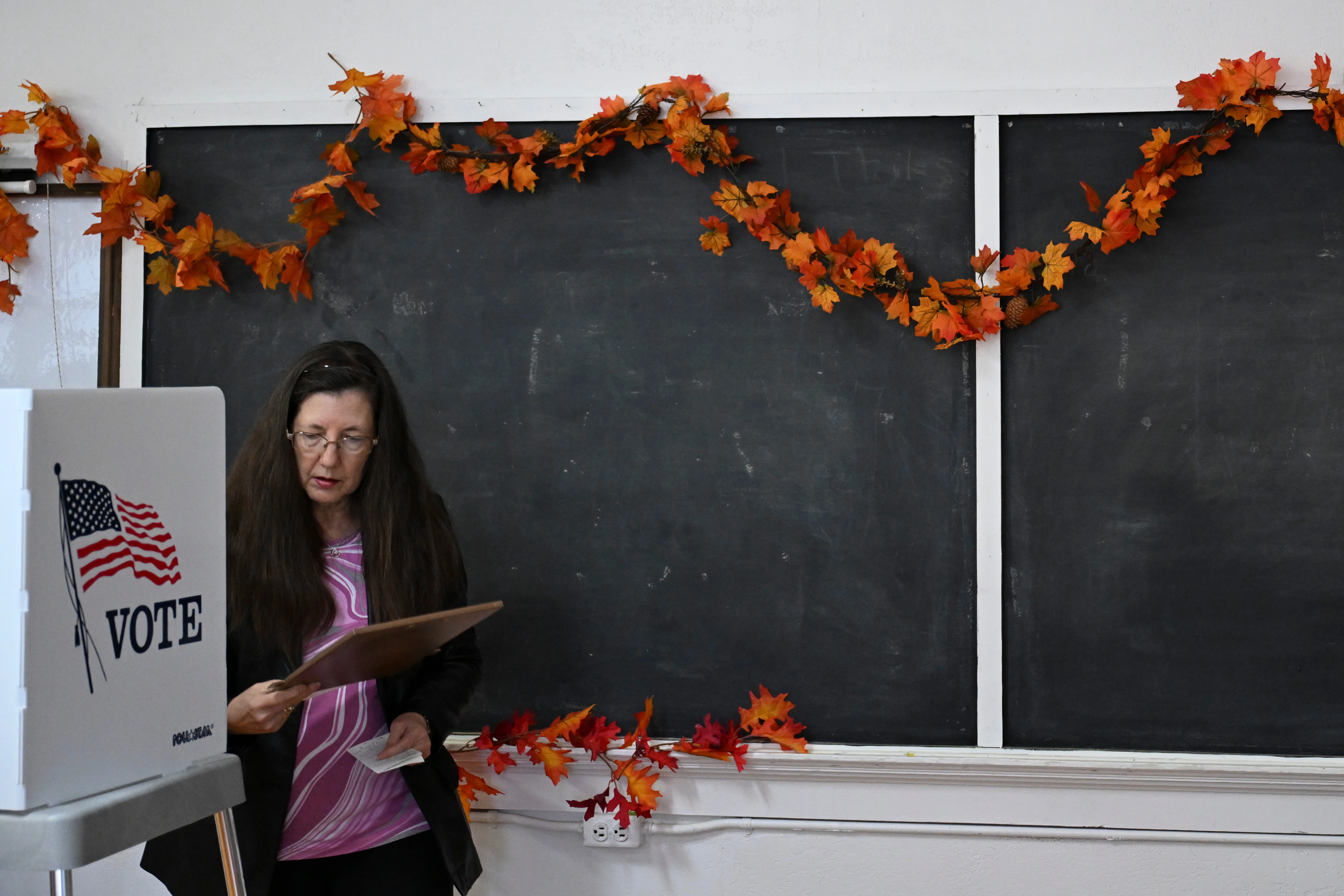
These charts show how various demographic groups voted in the midterm election. The data comes from a poll of tens of thousands of voters, conducted by the firm SSRS for a number of news outlets.
(Image credit: Tommy Martino)

Three things that finally brought down Susan Collins

Democrats won a critical US Senate seat on Tuesday, as Maine Republican Sen. Susan Collins conceded her long-held seat to Democratic challenger Troy Jackson just after midnight.
Collins, who has been serving for nearly 30 years, has for years been able to beat back rivals in her increasingly blue state, where residents valued her ability to bring home federal funds and buck her Republican Party when it seemed to count. Her ability to win even against unfavorable conditions has earned her the reputation of being something of a “unicorn” in national politics.
This year, however, she could not escape the long shadow President Donald Trump cast over her state. Collins was the only Republican senator up for reelection in a state Trump lost in 2024, and a late October poll from Marist found just 42 percent of likely Maine voters approved of the president’s performance, while 58 percent disapproved. A Fox News poll from August found that more than half of Mainers felt Collins voted with Trump too often.
While Collins did have some notable breaks with Trump — including voting to convict him after January 6 and to stop his Canadian tariffs — she lacked good answers on Mainers’ rising costs.
In the Marist poll, 46 percent of likely Maine voters said their family finances had gotten worse over the past year. The cost of living was also the top issue for Mainers in the final Times/Siena poll before the election, released this week, with 51 percent of voters trusting Jackson on it, compared with 44 percent for Collins.
Collins’s slide could also be seen in the polls over the past few months. The Times/Siena survey had her up 49 to 46 percent in September, with Jackson leading in the latest one, 51 to 45. Collins’s favorability also dropped 3 points in that time.
Two other issues shaped the race in Maine.
One was abortion. While nationally reproductive rights played a much lower-profile role compared to 2024 and the 2022 midterms, with candidates running far fewer ads on the subject, Maine was a notable exception. As Vox reported in September, abortion rights was the second biggest focus of campaign ads in the state, after Trump and healthcare. Planned Parenthood made its biggest ad buy of the 2026 cycle there against Collins, and a super PAC aligned with Senate Democrats spent 41 percent of its TV, streaming, and digital money in Maine on abortion-related ads.
The logic was that it was the first time Collins would face voters since the overturning of Roe v. Wade, and despite identifying as pro-choice, her Senate vote was pivotal in confirming Brett Kavanaugh to the Supreme Court. A spokesperson for Planned Parenthood Votes told me in September that abortion is “the number one negative in Maine voters’ mind,” even as fewer than half a percent of Mainers would call it their top issue. It didn’t help that over the summer, Collins doubled down on her vote for Kavanaugh, saying she did not regret it.
Throughout the campaign, Democrats made a point of emphasizing that Collins continued to confirm anti-abortion judges, as recently as this fall. While historically Maine voters have given Collins a pass on certain votes because she’s been skilled at bringing home federal dollars, advocates bet that they could convince some voters that Collins’s Kavanaugh vote revealed something important about her character and trustworthiness. One of Planned Parenthood’s ads featured a woman who voted for Collins pledging to “not make the same mistake twice.”
The second major issue to shape the race was healthcare costs, one of the biggest issues facing Republicans nationally this cycle. Some Republicans warned last year that their party would face backlash in the midterms for gutting Medicaid, with even Trump warning his party to avoid going “too crazy” on cost-cutting.
Republicans are facing blowback for the party’s vote last year to gut Medicaid by roughly $1 trillion over the next decade, a move that the Congressional Budget Office estimates will leave more than 7 million Americans without health insurance by 2034. Though Collins ultimately voted against the One Big Beautiful Bill Act, she helped the package get to the Senate floor. When defending herself against attacks that she shared responsibility for Medicaid’s gutting, she pointed to her advocacy for including in OBBBA a new $50 billion rural healthcare fund. But critics said that the new fund does not offset the Medicaid cuts, which are estimated to strip $137 billion from rural healthcare systems.
“Senator Collins is like an arsonist who helped set the fire, and then she wants credit for bringing a cup of water to put it out,” Troy Jackson said in their October debate.
And it’s not just Mainers on Medicaid who are worried about healthcare costs. Employer healthcare plans are expected to rise next year by more than 8 percent, and a KFF annual employer survey found the average American worker is paying more than $600 more toward a family plan this year than in 2025. An AARP Maine poll from October found that 80 percent of voters age 50 and older said the cost of healthcare would factor into their vote. Jackson led by 3 percentage points among all voters in that survey, though Collins was ahead by 9 points among those 50 and older.
James Talarico becomes first Democrat to win Texas Senate seat since 1988
Country diary: This small bridge is becoming the site of so many stories | Derek Niemann
Frome, Somerset: Dippers and fritillaries and pink campion … there is a deep satisfaction in accumulating associations with a regular haunt
Enchantment surely fills the eyes of first-time visitors who come upon this little stone bridge over the stream. Do they marvel at the judgment of hands in building, wedding rock with rock, face against face? Do they arrive on a brighter morning than this, one on which sunbeams chase each other under the arch and cast sparkling reflections of water on the underside? Does their pulse quicken watching the brook breaking out of its tunnel and skittering over the pebbled bed, hastening through even in times of sluggish drought?
Me? I see a bird that isn’t there.
Continue reading...GOP Rep. Max Miller loses re-election in Ohio following abuse allegations from his ex-wife
Trump says Democrats 'did a good job,' blames Republican candidates for midterm losses
Democrat Bobby Pulido flips crucial South Texas district, defeating Rep. Monica De La Cruz
A massive blue wave just hit America. Here’s what it could bring next.

Voters just ushered the United States into the post-Trump era.
The ballots are still being counted, and key races are still being called, but here’s the short version of the midterm election: It’s a blue tsunami.
Democrats looked set to take full control of Congress; they flipped crucial seats and won state-level offices where they’d barely been expected to compete. If anything, their performance was significantly stronger than expected — even after weeks of polls showing the party surging, and President Donald Trump’s approval cratering, and mounting outrage over gas prices, the war in Iran, healthcare, and corruption. It’s quite possible this is the biggest midterm wave since Watergate, and it appears likely to send large Democratic majorities to Congress.
What happens now? The historic shift that voters signaled Tuesday goes beyond just the raw numbers. Simply put, Americans are waking up in a different country today — one in which voters have decisively repudiated Trump’s party and opened up a new era of American politics.
Democrats won back groups they lost in 2024, like Latino voters, and made previously unheard-of incursions into MAGA territory, including rural and working-class white communities. Democrats even won the governorship of Texas — Texas!
One potential takeaway is that a new version of a Democratic coalition could be emerging. A more realistic way to see this, though, might be as the latest and loudest affirmation that the politics of the post-Trump era remain highly unsettled, with no voting group or state to be taken for granted by either party.
The incoming class of leaders is a diverse portrait of America in the 21st century, and a picture of the kind of nation that Trump has explicitly been trying to roll back. Georgia elected the nation’s first Black woman governor; New Hampshire will send the first openly gay man to the Senate; and (as of this writing) the would-be first Muslim senator was leading in Michigan. In Kansas, a megachurch pastor won evangelical voters to the Democratic ticket, sending the state’s first non-Republican to the Senate in nearly a century. In an election where the closing Republican arguments often relied on tribal fears around religion, country of origin, masculinity, and gender identity, the results were a loud rebuke to those impulses.
Taken together, the night was also, as election analyst Sean Trende put it, “a complete collapse of the Republican coalition.” Democrats will now have a chance to carry out the mandate they’ve been handed — on affordability, corruption, and foreign policy — and convince voters they can still be trusted with greater power in 2028 and beyond. How Trump responds, and the Republicans who must now balance their loyalty to a vengeful 80-year-old lame duck against a partywide emergency heading into the presidential cycle, will be one of the defining stories of the rest of his term.
Here’s the story of the historic shift so far, and what it will mean for the country going forward.
The House: Democrats are poised to take control in a major way
Many of the Democrats’ newly won House seats could be hard for the party to defend in future elections, but for now the results could have major implications for how the chamber governs.
Both Democrats and Republicans have struggled with narrow majorities in recent years, in which a small handful of members can threaten to withhold their votes and tank legislation or procedural votes. The new Democratic majority is big enough to avoid that problem in the next session. But it also might diminish the influence of the energetic new progressive wing, since their votes would not necessarily be crucial to pass certain measures.
From the very first votes counted in Indiana and Kentucky, in districts that Trump had won by double digits in 2024, it was clear that Republicans’ small House of Representatives majority would likely soon be washed out by a blue wave. But as the night went on, the size of the wave became more and more clear. Democrats were flipping Republican seats across the country, without any particular geographic or regional pattern to speak of.
They flipped Republican-held seats in Kentucky, Pennsylvania, New Jersey, and North Carolina. They looked favored to win more in Arizona, Michigan, Iowa, and Virginia.
Democratic House challengers with mainstream political experience, like Scranton Mayor Paige Cognetti (PA-8), won. So did Democrats with military experience, like Navy helicopter pilot Rebecca Bennett (NJ-7). And so did Democrats with more against-the-grain backgrounds, like farmer Jamie Ager (NC-11).
The exact size of the Democratic majority wasn’t immediately clear as races remain uncalled, but forecasts on Tuesday night suggested it would likely be enormous — something like a 60-vote edge over the GOP in the chamber.
More votes means more leeway for leadership, which could perhaps give the party’s growing progressive faction, or a soon-to-be considerable moderate wing, less leverage to make demands and more freedom to vote “no” when their conscience or local politics calls for it.
The Senate: Some very weak Republican candidates helped Democrats beat all expectations
Control of the Senate will be hugely important in shaping the final two years of Trump’s presidency — because a Democratic majority would make it much harder for him to confirm controversial nominees to administration positions. It would also likely make it impossible for him to confirm a new Supreme Court justice, should a vacancy arise.
Furthermore, if Democrats hope to achieve their ambitions next time they control the presidency (which they hope will be in 2029), they’d have to start building a Senate majority now — only a third of the chamber is up in each cycle.
The problem for Democrats was that political analysts had long believed the Senate map they faced this year would be forbiddingly difficult. They’d have to hold their own seats, including contests in swing states like Georgia and Michigan.
To win a majority, though, Democrats then had to pick off at least four Republican seats, and some of those would have to be in deep red territory, which meant breaking into states Trump won big, such as Ohio and Texas.
In doing this, they didn’t just benefit from a blue wave. They also got help of a kind from a surprising source: Trump, whose choices and actions often seemed designed to put safe GOP-held seats at risk.
Trump’s attacks on Sen. Thom Tillis (R-NC) spurred the veteran legislator to retire. Trump backed a primary challenge to Sen. John Cornyn (R-TX) that resulted in a flawed and scandal-plagued candidate, state Attorney General Ken Paxton, becoming the GOP nominee. And when Sen. Lindsey Graham (R-SC) died suddenly in July, Trump decided to appoint his sister Darline, a political neophyte, to his seat.
On Tuesday, Republicans lost all three of those races. In North Carolina, the state’s popular Democratic governor, Roy Cooper, easily triumphed over former RNC chair Michael Whatley. In Texas, 37-year-old state Rep. James Talarico became a nationally viral phenomenon with his faith-inflected message and defeated Paxton soundly. And in South Carolina, a pediatrician named Annie Andrews defeated Darline Graham in one of the night’s most shocking results.
But the GOP’s Senate woes were broader. In Ohio, a state Trump won three times, former Sen. Sherrod Brown (D) defeated Sen. Jon Husted (R), who Trump had appointed to fill JD Vance’s Senate seat once Vance became vice president. In Iowa, Republicans had viewed their candidate for the open Senate seat, Rep. Ashley Hinson, as one of the stars of the cycle, believing she did everything right. It wasn’t enough. She, too, went down to defeat, to state Rep. Josh Turek (D). In Maine, Sen. Susan Collins (R), who had long defied political gravity, finally lost to former state Sen. Troy Jackson (D).
And yet another shocker ensued in Kansas, a state that has not elected a Democrat to the Senate since 1932. Methodist megachurch pastor Adam Hamilton (D) led Sen. Roger Marshall (R-KS), a one-term incumbent whose campaign was dogged by reports that, back when he was a doctor, he’d sued patients for unpaid bills.
All in all, depending on how uncalled races in Mississippi and Alaska turn out, Democrats could end up with somewhere around 55 Senate seats — an impressive majority, particularly in a year when they weren’t expected to come anywhere close to that.
Governors: Democrats get their chance to lead
Even with significant majorities, Democrats will be limited in how much they can check Trump and enact their agenda in Congress.
But at the state level, Democrats won major gubernatorial victories around the country, giving them an immediate opportunity to pursue policies that could directly affect hundreds of millions of Americans — including in states that they haven’t led in decades.
In Georgia, Keisha Lance Bottoms is set to become the first Black governor, and the first Black woman to govern any state in America, after defeating Republican businessman Rick Jackson. In Texas, Gina Hinojosa rode a backlash over data centers to beat Greg Abbott, long considered one of the most politically successful and influential conservative governors in the country.
In Iowa, Democratic state auditor Rob Sand, who campaigned as a pragmatist, won the governorship. And in Ohio, Democratic public health expert Amy Acton overcame a last-ditch ad from Republican Vivek Ramaswamy that featured her own mother — who lost custody of a then-12-year-old Acton after her husband was indicted for sexual abuse — to handily win her election.
A bright spot for Republicans is Florida, where Rep. Byron Donalds overcame a surprisingly tough race against Democrat David Jolly and is set to become the state’s first Black governor.
Latino voters gave Democrats a second chance
Underlying some of the night’s most surprising results were powerful demographic currents — for the GOP, not unlike a wave quickly pulling back from the beach. Trump had shocked Democrats over the last 10 years by making steady gains with Latino voters, first with conservative-leaning Cuban Americans in Florida, and then in 2024 with Mexican American and Puerto Rican voters around the country moving right over concerns about inflation and border security.
But Trump’s economic mismanagement and aggressive deployment of ICE helped spur a backlash from early on in his second term that culminated in a massive swing back toward Democrats in key races. From South and Central Florida to rural Kansas to the Rio Grande Valley, Latino voters again favored Democrats, helping power candidates to big wins.
Nowhere was the impact greater than in Texas, where exit polls found Talarico won 64 percent of Latino voters in his race against Paxton, giving Democrats a statewide victory after decades of failure. Trump had won 55 percent of the Latino vote just two years earlier.
The gerrymanders didn’t work. In fact, they sparked a backlash.
Republicans, egged on by Trump, had a last-ditch plan to save the House: Break from the usual once-a-decade redistricting process and gerrymander seats wherever state Republicans had the ability to do so. They got an added boost from the Supreme Court, which overturned decades of Voting Rights Act protections for minority-majority districts in its Louisiana v. Callais decision.
It didn’t work. While the new maps gave Republicans an advantage on paper, the scale of the blue wave was so big that it quickly overpowered it. In Florida, Democrats herded into Trumpier districts appeared to all survive their contests. And in North Carolina, the situation was even worse for Republicans, with the former state house speaker who masterminded the new maps, Tim Moore, trailing in his own congressional run with nearly all votes counted in what was expected to be a solidly Republican seat.
It may have backfired in ways that went beyond the House results. There was a massive surge in Black turnout across the South, where voting rights have long been a touchstone issue, that spilled into statewide races. Democratic Senate and gubernatorial candidates not only won by wide margins in Georgia and North Carolina, but put up shockingly competitive fights in Mississippi and Louisiana Senate races that only came on the national radar late in the cycle.
The most important takeaway: Voters are really, really, really mad
Americans chose to overlook some pretty glaring concerns with Trump when they sent him back to office in 2024, but they did so with a clear mandate: Get prices down, secure the border, and bring a positive resolution to conflicts abroad.
It’s clear now he blew it, and they aren’t happy.
The scale of voter outrage was the story of the night, just two years after Democrats faced its wrath and arguably far more intense this time. Sixty-two percent of voters in preliminary exit polls disapproved of his job as president, 53 percent of them strongly; 62 percent said he prioritized his own interests more than the country’s; 65 percent believed he had made the economy worse; and 44 percent said their own financial situation had worsened since his election.
It’s a complete loss of confidence, and a sharp contrast to his — in comparison now, modest — rebuke in the 2018 and even 2020 election, when voters still credited his economic stewardship even as they rebelled against his personal behavior and broader agenda.
Both parties now know just how poisonous the current Trump brand is. The question is whether Democrats can offer a compelling alternative vision now and — above all, after years of anti-incumbent sentiment — prove they can deliver tangible results. Even on a historic night, a majority of voters told pollsters they held an unfavorable view of the Democratic Party.
Scammers using AI-generated images of missing pets to demand reward money
Top Democrat tells Trump and Republicans to ‘lawyer up’ after US midterm defeats
Robert Garcia, set to become oversight chair, vows to take on president while Senator Ron Wyden signals ‘subpoenas’
Robert Garcia, the Democratic congressman set to become the next chair of the oversight committee of the House of Representatives, had two words for Republicans on Tuesday evening: “Lawyer up.”
Garcia issued his statement as a blue wave appeared to take hold across the country after voters cast their ballots in the US midterm elections. Democrats retook control of the US Senate, and are widely expected to do the same in the House.
Continue reading...Democrats projected to take Congress in blue wave fueled by Trump, economy discontent
WATCH: Democrat James Talarico speaks after winning Texas Senate seat
South Africans vote in local elections that could continue decline of ANC
Как доказать руководству, что VM работает: MTTR, лестница зрелости и проверка боем

Мы вложили в безопасность кучу денег. Стало лучше?" Без метрик ответа нет. Разбираем главную метрику современного VM - MTTR, сравниваем себя с отраслью (спойлер: отрасль медленнее, чем вам кажется), поднимаемся по лестнице зрелости от хаоса до CTEM и заканчиваем единственной метрикой, которую невозможно накрутить.
Читать далееBarabak: For Trump, Democratic blowout is a stark personal repudiation
Presidents typically lose congressional seats in the midterm election, but Trump put himself front and center like no other. The verdict from voters was thunderous and clear.
Australia’s social media ban has only modest effect on teens’ political communication, government tells court
Reddit is challenging the Albanese government’s ban in high court, arguing legislation is ‘ill-thought-out’ and ‘over-broad’
Australia’s social media ban is not a “blunt tool” but it is the most direct way to target addictive features that lead to under 16s experiencing harm online, the government has told a high court hearing.
In its challenge to the ban on Tuesday, Reddit had argued that the government’s rush to pass the ban in 2024 had led to an “ill-thought-out, over-broad legislation” that the government had since had to narrow down with rules written by the communications minister in 2026 for design features on platforms that teens should be kept away from.
Continue reading...Democrat Denise Powell wins election to U.S. House in Nebraska's 2nd Congressional District
Iowa GOP Rep. Mariannette Miller-Meeks ousted in rematch
Democrat Gina Hinojosa Ousts Gov. Greg Abbott in Texas, Ending Decades of Republican Leadership

Republican Texas Gov. Greg Abbott has been defeated by Democratic gubernatorial candidate and state Gina Hinojosa, a stunning loss that marks the end of a long streak of GOP leadership in the state.
Texas has been led by Republican governors since 1995, when George W. Bush defeated then incumbent Democratic Gov. Ann Richards. Richards was the last Democrat to win a governor’s race in the state, in 1990.
Hinojosa will also become the first Hispanic governor to lead Texas, which hosts the largest Latino population in the United States.
The AP called the race for Hinojosa Tuesday night.
During a concession speech Tuesday night, Abbott said that he had congratulated Hinojosa and thanked his staff and family for allowing him to become governor for 12 years.
“I love our state. It has been an honor to serve it,” Abbott said.
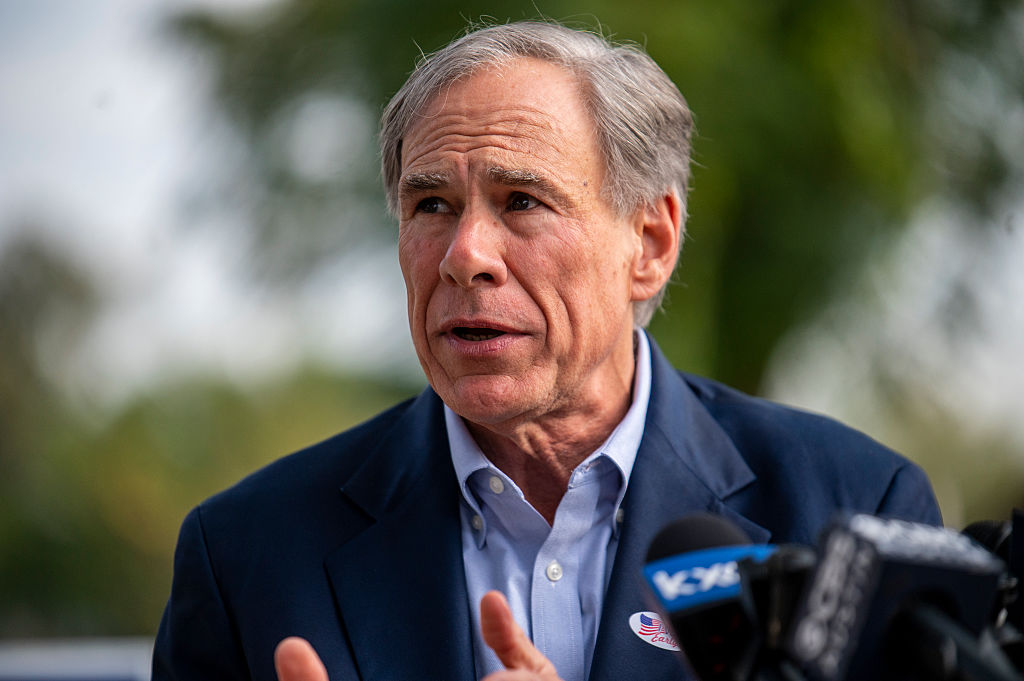
The projected victory comes despite Republicans’ significant spending edge in the race. The Texas Tribune reported that Abbott has outspent Hinojosa nearly eight-to-one: According to campaign finance filings, his campaign dispensed $281 million to Hinojosa’s $36.8 million over the past year, from Hinojosa’s campaign launch on Oct. 15, 2025, to the end of this most recent reporting period. Abbott’s spending this cycle also more than doubles his $131 million outlay over the course his 2022 bid.
Read More: Talarico Wins Texas Senate Race, First Democrat to Win Statewide in More than 30 Years
Abbott, who has been governor of Texas for three terms, previously spent more than a decade on the bench in Texas’ judicial system. In 1995, then-Gov. Bush appointed Abbott to the Texas Supreme Court. He was then re-elected twice in the late ’90s.
He later served as the state’s attorney general for over a decade beginning in 20022, before running for Texas governor in 2014. He won the seat that year by over 20 points against state Sen. Wendy Davis.
“If Greg Abbott, the Governor of Texas, hadn’t become a RINO in the last six months of his Political Life, he wouldn’t have lost,” President Donald Trump wrote in a post on Truth Social following news of Abbott’s loss. “He went back to his original formula, and it wasn’t pretty!”
Abbott is just one of a number of Republicans who have suffered defeats on Tuesday amid a wave of Democratic victories in long-red Texas that are sending shockwaves through the political world.
In another major upset called not long before Hinojosa’s win, Democrat James Talarico has defeated Trump-endorsed Republican Attorney General Ken Paxton in the state’s closely watched Senate race, becoming the first Democrat to win a statewide race in Texas in more than 30 years.
UK apologises to Ukrainian child refugees who were told to study Russian
Exclusive: Schools minister launches new Ukrainian GCSE and says she is sorry students were pushed to study Russian in its absence
The UK has apologised to Ukrainian child refugees who were told to study Russian in English schools, as it launched funding for a new GCSE in Ukrainian.
Ukrainian children who were forced to seek refuge in the UK after Vladimir Putin’s invasion in 2022 say it was “insulting” that their teachers suggested they study Russian in the absence of a GCSE in Ukrainian.
Continue reading...Peggy Flanagan wins Minnesota Senate election, CBS News projects
Former Arkansas governor says Democrats' gains are 'more significant than ever anticipated'
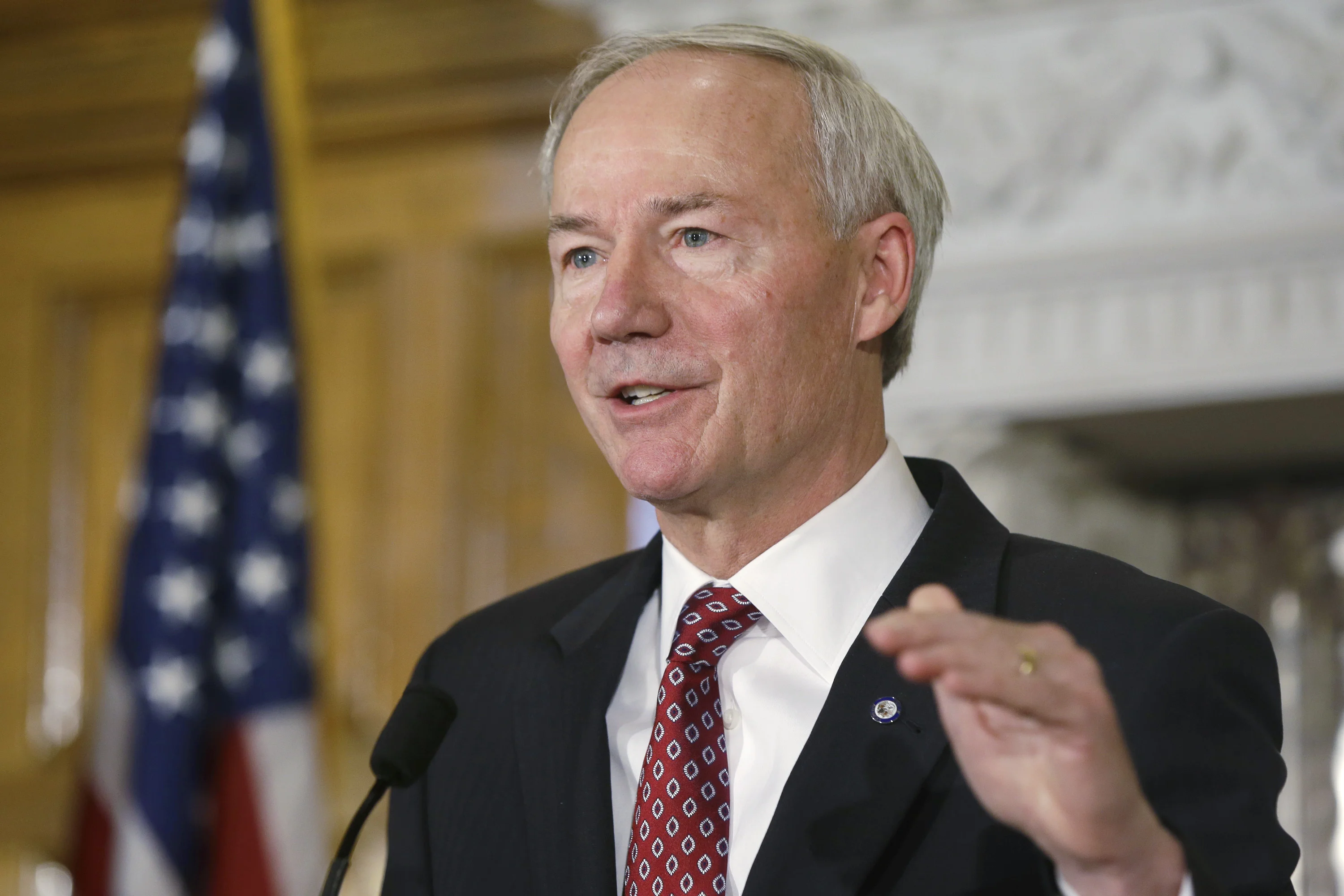
NPR's Scott Detrow speaks with former Arkansas Gov. Asa Hutchinson about Democratic victories in states typically considered Republican strongholds.
(Image credit: Danny Johnston)

Sen. Amy Klobuchar wins Minnesota governor's race, CBS News projects
Gina Hinojosa beats Greg Abbott and James Talarico defeats Ken Paxton in Texas, CBS News projects
Georgia elects Keisha Lance Bottoms, first Black woman governor in U.S. history, CBS News projects
Britain’s housing market unlikely to recover until 2028, says Savills
House prices forecast to fall by 1.5% next year as Middle East war keeps mortgage rates higher for longer
Britain’s sluggish housing market is not expected to recover until 2028 as higher mortgage rates linked to the war in the Middle East deter buyers and weigh on prices.
The property firm Savills said average house prices were expected to drift lower during the rest of 2026 and fall by 1.5% in 2027, as the prolonged conflict undermines buyers’ confidence and keeps mortgage rates higher for longer.
Continue reading...Stick review – you really need Owen Wilson’s beautiful golf comedy in your life
TV’s biggest dopamine hit is back, and it is thoroughly spoiling us with amazing new guest stars. What’s more, our hero is coming out of retirement to try to win the US Open! It’s tee time
Pryce Cahill (Owen Wilson) isn’t worried about his midlife crisis. “Moses had a crisis! Churchill had a crisis! Charlie Sheen had a crisis!” We’re not worrying, either: Pryce has been living fairly happily through a midlife crisis for as long as we’ve known him, which is for the one previous season of the superficially inessential yet sneakily deeply emotional golf comedy Stick.
Stick is the sort of chummy hangout show you need in your carefully curated weekly culture roster, a half-hour indulgence that’s like twisting open a cold one and sinking into a couch. It washes all those prestige dramas and dark documentaries down nicely.
Continue reading...‘May every data centre crumble to dust!’ How can we stop the tech bros, tyrants and tycoons? With quilts!
Taking aim at every modern malaise, anarchist artist CJ Reay is going viral with his witty, call-to-arms slogans on beautiful tapestries. Altogether now: ‘Tyrants of today will be the compost of tomorrow!’
CJ Reay quilted so hard all summer that now he needs glasses. “After four months of doing it, I found myself getting really bad headaches towards the end, so I had an eye test,” says Reay. “I totally ruined my summer!”
If that sounds extreme, he had given himself a relatively extreme task: to produce 14 of his Anarchist Prayer Quilts, adapting the slogan-forward graphic poster work that has become his calling card as Black Lodge Press to the medium of felt and applique.
Continue reading...UK apologises to Ukrainian child refugees who were told to study Russian
Exclusive: Schools minister launches new Ukrainian GCSE and says she is sorry students were pushed to study Russian in its absence
The UK has apologised to Ukrainian child refugees who were told to study Russian in English schools, as it launched funding for a new GCSE in Ukrainian.
Ukrainian children who were forced to seek refuge in the UK after Vladimir Putin’s invasion in 2022 say it was “insulting” that their teachers suggested they study Russian in the absence of a GCSE in Ukrainian.
Continue reading...In Kyiv, hackers sent fake alerts about a nuclear apocalypse. We hardly noticed | Diana Berg
As Europe erupts in furious protests, we prep for a cold, dark winter. Rage and fear require energy we simply don’t have
Explosions woke me at 3am the other night. Sitting on the bathroom floor behind two load-bearing walls, scrolling through Telegram to see where Russian missiles were heading, I noticed the light was on. Power had returned while we slept. On pure autopilot, I stood up, stuffed laundry into the washing machine, set a quick cycle hoping it would finish spinning before the next blackout, and sat back down to wait out the attack.
In our fifth year of full-scale war, air raid apps have introduced a new bureaucratic absurdity: threats are colour-coded into yellow for drones and red for missiles, as if a “yellow” drone alert were merely a light autumn drizzle. This one was red. But honestly, ballistic missiles are almost convenient. Unlike the Russian drones that buzz monotonously for an hour and under which we now simply roll over and keep sleeping, hoping for the best, ballistic missiles take just minutes to arrive. A five-minute break on the bathroom floor barely interrupts your sleep, or your laundry.
Diana Berg is a Ukrainian artist, writer and cultural manager from Mariupol, and the founder of Platform TU, an independent cultural initiative now operating in exile after Russia’s full-scale invasion
Continue reading...Why tradwives are fleeing the movement: ‘I can’t undo my past – but I can warn other women’
In recent years, some of the most vocal tradwives have left their husbands, renounced their religious faith and promoted financial independence. What is behind this sudden and seismic shift?
When Bernadine Bluntly posted a video earlier this year renouncing the tradwife movement she had championed, it caused shockwaves through the “alt-right” social media world. Previously, posts of her and her six children had flooded feeds as the Maga movement gained ground. She was one of the defiantly anti-feminist influencers who promoted a return to patriarchal gender roles, pronatalist ideals and fundamentalist Christian values – particularly around the sanctity of marriage. Bluntly, whose real surname is Barber, had, in the past, sold T-shirts reading “RIP Feminism”, supported Brett Kavanaugh’s nomination to the supreme court and developed a course, Simply Smitten, to help young women attract husbands who were “traditional masculine men”.
Then, last year, she left her husband. Her divorce was finalised this year. In the proceedings, she got a restraining order against her ex, whom she said was abusive (he denies this). In April, the 36-year-old posted a video titled: “What I got wrong about the trad movement”, in which she said that, while she is still a Christian and believes in the differences between men and women: “I no longer believe in extreme gender roles, especially when they’re wrapped in spiritual language and used to justify control, silence or harm.” She said that the tradwife movement, one she initially thought was about a “return to strong family values”, has “become indistinguishable from the current wave of the red-pill manosphere”. She concluded: “If my past content contributed to that, I am so genuinely sorry.”
Continue reading...3PAR 8000 и 9000 после вендорскойподдержки
3PAR 8000/9000 после вендорской поддержки: как посчитать запас жизни СХД
В первой статье блога мы рассказали, кто мы, и разобрали приёмку сервера по журналам BMC. Эта статья про массивы HPE 3PAR, с которыми у нас тот же подход, что и с серверами: покупаем рабочие, проверяем, инициализируем и прогоняем тестами под конкретного клиента, продаём с гарантией и закрываем её собственным складом запчастей. Услуг обслуживания и восстановления чужих инсталляций мы не оказываем.
Текст для владельцев 3PAR, у которых закончилась вендорская поддержка: как по паспорту массива и телеметрии дисков оценить, сколько он ещё проживёт, что должно лежать на полке с запчастями и что в этих массивах ломается в жизни. Практика собрана на десятках машин, прошедших через наш склад, в том числе история, где три «мёртвых» диска ожили от одной команды.
Начнём с дат. 31 августа 2026 года по опубликованному графику HPE закончилась поддержка всей серии 3PAR 8000, моделей 8200, 8400, 8440 и 8450 разом. Серия 9000 продержится ненамного дольше: у 9450 в календаре стоит 1 мая 2027-го. Одна из самых массовых enterprise-СХД российских ЦОДов 2015–2022 годов официально вышла из жизненного цикла вендора.
Для российских владельцев в этих датах меньше драмы, чем кажется. HPE ушла из России ещё в 2022-м: контрактной поддержки, доступа к порталу с прошивками и вендорских замен у большинства местных инсталляций нет уже четвёртый год. EOSL сделал официальным для всего мира то, что здесь давно повседневность: массив живёт ровно настолько, насколько выстроена его собственная система жизнеобеспечения.
Читать далееDemocrats win control of Senate, CBS News projects
Akbura beta-6: ускорение компилятора в 2,5 раза и реактивный биндинг C#-выражений

Выпустил шестую бету Akbura — декларативного языка разметки для Avalonia.
В этот раз удалось ускорить холодную генерацию кода в 2,5 раза и сократить количество аллокаций почти втрое. Но самое интересное! Это то что добавил реактивные привязки произвольных C#-выражений, которые автоматически отслеживают изменения вложенных свойств.
В статье расскажу, что изменилось, покажу результаты бенчмарков и примеры новой функциональности.
Читать далее